Clinical Trial
. 2022 May 5;17(5):e0267592.
doi: 10.1371/journal.pone.0267592. eCollection 2022.

Blood mRNA biomarkers distinguish variable systemic and sputum inflammation at treatment initiation of inhaled antibiotics in cystic fibrosis: A prospective non-randomized trial

Affiliations
Clinical Trial

Blood mRNA biomarkers distinguish variable systemic and sputum inflammation at treatment initiation of inhaled antibiotics in cystic fibrosis: A prospective non-randomized trial

Silvia M Caceres et al. PLoS One. .

Abstract

Inhaled antibiotics control chronic airway infection and maintain respiratory health in cystic fibrosis (CF). Given variation in patient responses to inhaled antibiotics, the ability to identify distinct responder phenotypes would facilitate the delivery of personalized care. Previously, a 10-gene panel was identified, measured directly from blood leukocytes, which predicted host response to intravenous antibiotic treatment during pulmonary exacerbations. In the current study, we tested whether the same panel predicted clinical response in subjects receiving a month of inhaled antibiotic therapy with aztreonam lysine (AZLI; Cayston®). A small cohort of CF subjects infected with Pseudomonas aeruginosa were enrolled at baseline health, prior to initiating one month's treatment with AZLI using the Altera® nebulizer system. Eighteen CF subjects underwent blood leukocyte gene panel measurements, sputum quantitative microbiology, spirometry, and C-reactive protein (CRP) measurement prior to onset and at completion of 4 weeks of AZLI therapy. Mean absolute improvement in percent predicted Forced Expiratory Volume in one second (ppFEV1) was 3%. Significant reductions in sputum bacterial colony counts were detected with treatment. CRP increased following treatment. While single genes within the panel did not change significantly following treatment, the analysis of multigene panel data demonstrated that HCA112 gene predicted ppFEV1 improvement. Hierarchical clustering based on gene expression yielded two distinctive molecular clusters before and after AZLI therapy. In conclusion, peripheral blood leukocyte genes quantifying inflammation are associated with responses to inhaled antibiotic therapy. Molecular quantification of systemic inflammation may indicate subgroups of CF subjects with variations in underlying inflammation and with variable clinical responses to inhaled antibiotics. Given the size limitation of the study, larger studies are needed in order to evaluate whether molecular measures may add precision to the determination of infectious and inflammatory outcomes following courses of inhaled antimicrobial therapies. Clinical Trials.gov Identifier: NCT01736839.


Conflict of interest statement

MTS and JAN are listed as inventors of the following patent: "“A method to assess response to antibiotic treatment of acute pulmonary exacerbation in human subjects with cystic fibrosis” US Patent number 8,465,923”. This does not alter our adherence to PLOS ONE policies on sharing data and materials.

Figures
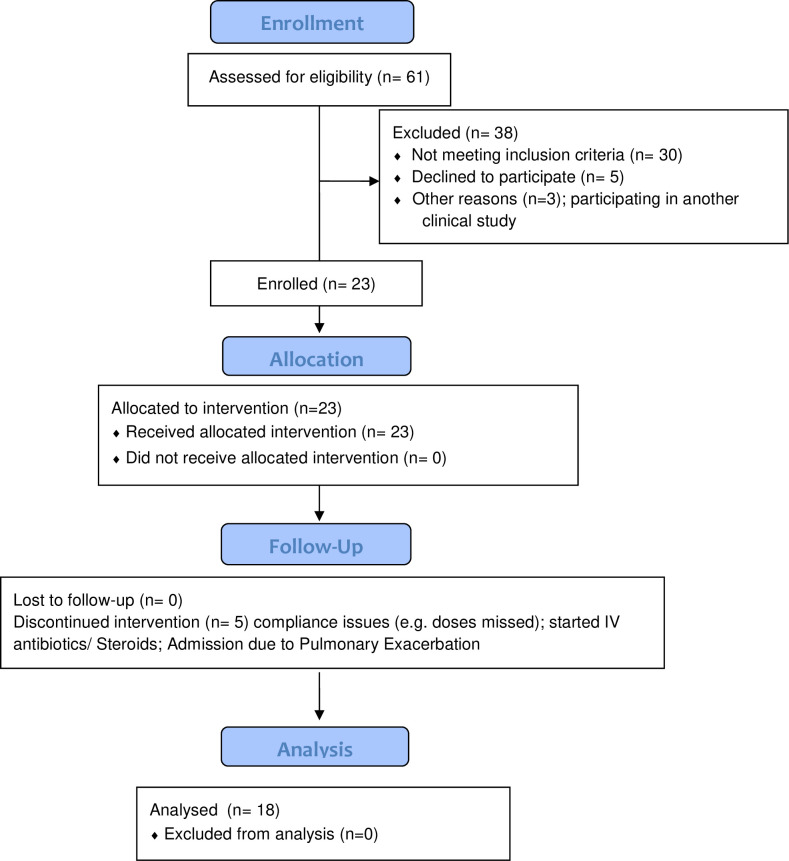
Fig 1
Fig 1. Study CONSORT flowchart.
Fig 2
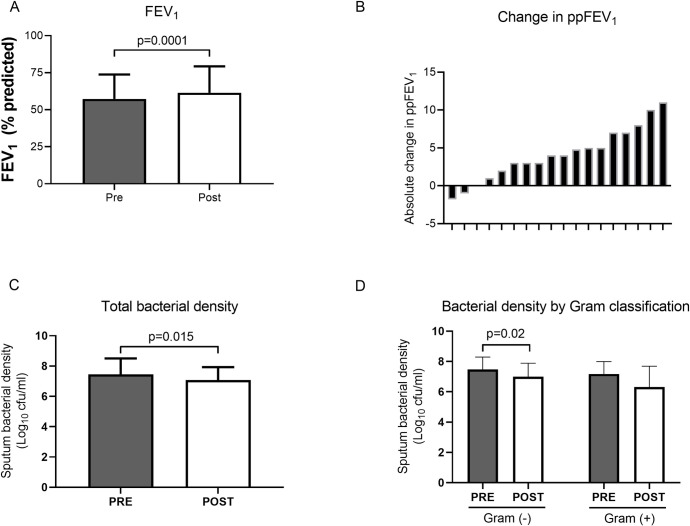
Fig 2. Effect of inhaled AZLI on standard variables pre and post treatment.
(A) percent predicted Forced Expiratory Volume in the first second (ppFEV1), (p = 0.0001, paired t-test); (B) Waterfall plot demonstrating ppFEV1 change per patient, each subject represented by tick marks on x-axis; (C) Total bacterial density based on quantitative sputum cultures (p = 0.015, paired t-test following log transformation); and (D) bacterial density by gram staining classification. Gram negative organisms showed a significant decrease post treatment (p = 0.02, paired t-test following log transformation). Solid columns represent pre-treatment; open columns represent post-treatment. Bars represent mean values and error bars represent SDs on the same scale as means.
Fig 3
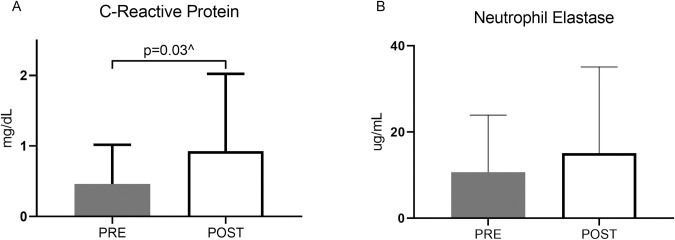
Fig 3. Effect of inhaled AZLI on markers of inflammation pre and post treatment.
(A) C-reactive protein (CRP) measured from blood samples. ^p = 0.03 for Wilcoxon matched-pairs signed rank test. (B) Sputum neutrophil elastase. Comparisons were based on paired t-tests, from log-transformed data. Solid columns represent pre-treatment; open columns represent post-treatment. Bars represent mean values and error bars represent SDs on the same scale as means.
Fig 4
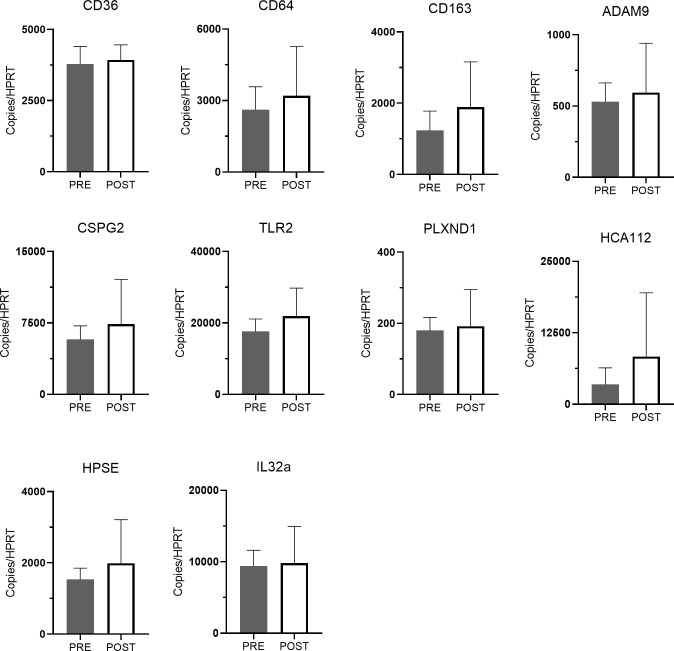
Fig 4. Effect of inhaled AZLI on mean leukocyte gene expression from whole blood pre and post treatment.
Solid columns represent pre-treatment; open columns represent post-treatment. Bars represent means (± SD) relative to the detection of housekeeping gene HPRT. Differences analyzed by paired t-test following log transformation.
Fig 5
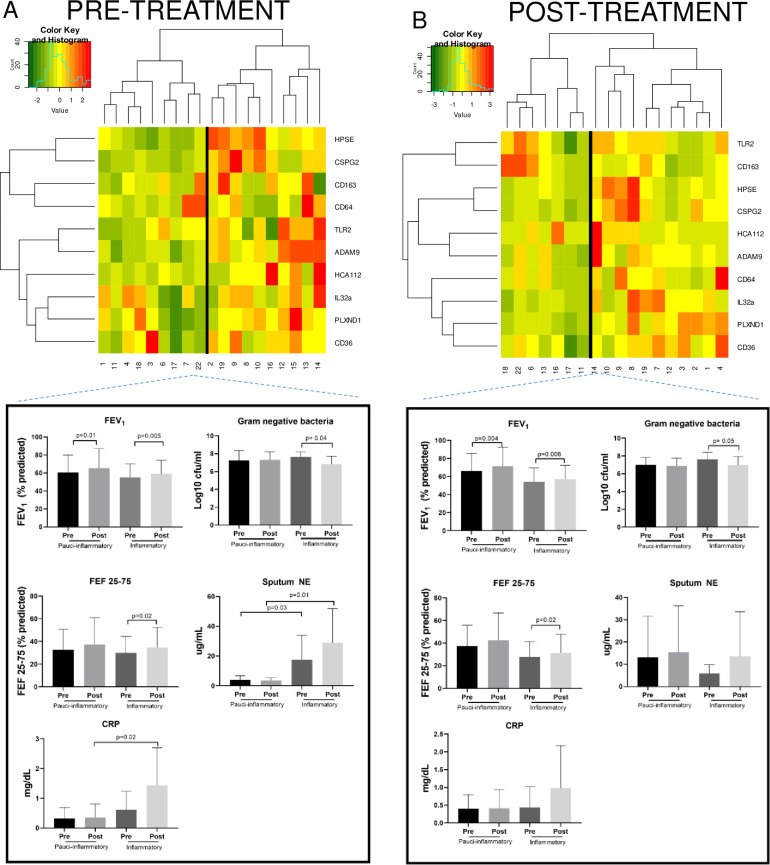
Fig 5. Dendrogram, heat map, and clinical characteristics for hierarchical clustering based on panel expression pre and post treatment.
(A) The pre-treatment dendrogram only includes gene expression values prior to AZLI treatment and (B) the post-treatment dendrogram only includes gene expression values following AZLI treatment. Each column represents an individual patient and each row represents a single gene. For each dendrogram, subject IDs are depicted below each column, so that changes from pre- to post-treatment endpoints for each subject can be visualized. Expression of genes for each subject is depicted with a color-coded histogram representing level of gene expression on a natural log scale. Green signifies reduced gene expression; red indicates increased expression. Clusters are labeled “Pauci-inflammatory” or “Inflammatory” based on the degree of gene expression for pre and post-AZLI time points. The clinical characteristics of subjects in each cluster before and after inhaled AZLI are represented in the figures below each dendrogram to include ppFEV1, ppFEF25-75, gram negative bacterial density (log10 CFU/mL), sputum neutrophil elastase (μg/mL), each of which are evaluated by two sample t-tests. Bars represent mean values and error bars represent SDs on the same scale as means.
Fig 6
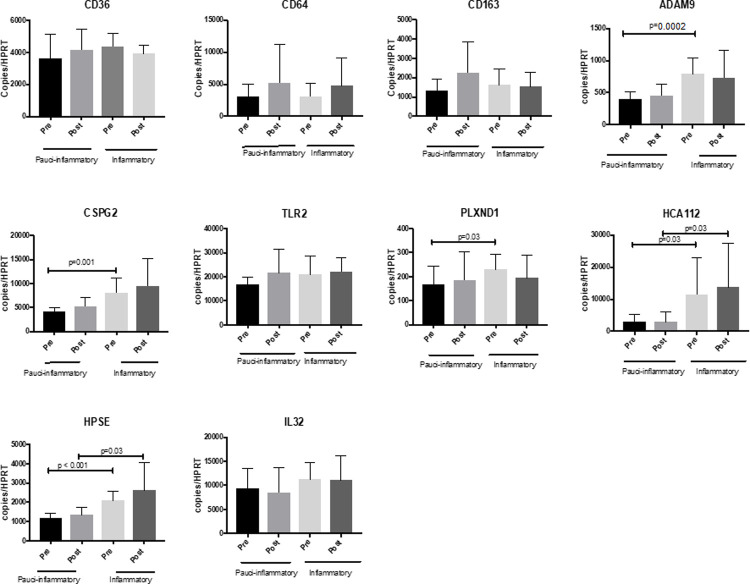
Fig 6. Whole blood gene expression stratifies AZLI treatment groups before treatment initiation, based upon hierarchical clustering.
Pauci-inflammatory and inflammatory clusters are classified based on Pre-treatment dendrogram as shown in Fig 5, with expression of panel genes for each group. Again, columns depict means (± SD) relative to the detection of housekeeping gene HPRT and differences analyzed by paired t-test and 2 sample t-test following log transformation.

References

    1. Heijerman HGM, McKone EF, Downey DG, Van Braeckel E, Rowe SM, Tullis E, et al. Efficacy and safety of the elexacaftor plus tezacaftor plus ivacaftor combination regimen in people with cystic fibrosis homozygous for the F508del mutation: a double-blind, randomised, phase 3 trial. Lancet 2019; 394: 1940–1948. doi: 10.1016/S0140-6736(19)32597-8 - DOI - PMC - PubMed
    1. Middleton PG, Mall MA, Drevinek P, Lands LC, McKone EF, Polineni D, et al. Elexacaftor-Tezacaftor-Ivacaftor for Cystic Fibrosis with a Single Phe508del Allele. N Engl J Med 2019; 381: 1809–1819. doi: 10.1056/NEJMoa1908639 - DOI - PMC - PubMed
    1. Assael BM, Pressler T, Bilton D, Fayon M, Fischer R, Chiron R, et al. Inhaled aztreonam lysine vs. inhaled tobramycin in cystic fibrosis: a comparative efficacy trial. J Cyst Fibros 2013; 12: 130–140. doi: 10.1016/j.jcf.2012.07.006 - DOI - PubMed
    1. Flume PA, VanDevanter DR, Morgan EE, Dudley MN, Loutit JS, Bell SC, et al. A phase 3, multi-center, multinational, randomized, double-blind, placebo-controlled study to evaluate the efficacy and safety of levofloxacin inhalation solution (APT-1026) in stable cystic fibrosis patients. J Cyst Fibros 2016; 15: 495–502. doi: 10.1016/j.jcf.2015.12.004 - DOI - PubMed
    1. Konstan MW, Flume PA, Kappler M, Chiron R, Higgins M, Brockhaus F, et al. Safety, efficacy and convenience of tobramycin inhalation powder in cystic fibrosis patients: The EAGER trial. J Cyst Fibros 2011; 10: 54–61. doi: 10.1016/j.jcf.2010.10.003 - DOI - PMC - PubMed

Publication types

MeSH terms

Associated data