


Synthesis, study of antileishmanial and antitrypanosomal activity of imidazo pyridine fused triazole analogues
- PMID: 35517538
- PMCID: PMC9057266
- DOI: 10.1039/d0ra07881f
Synthesis, study of antileishmanial and antitrypanosomal activity of imidazo pyridine fused triazole analogues
Abstract
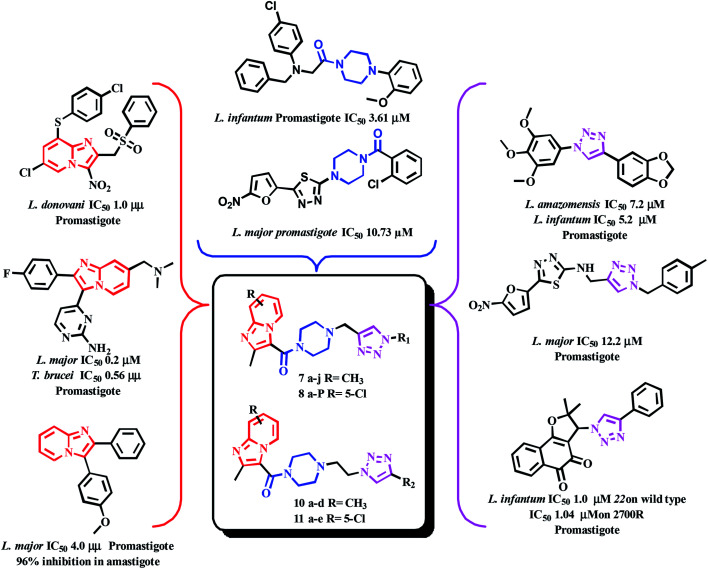
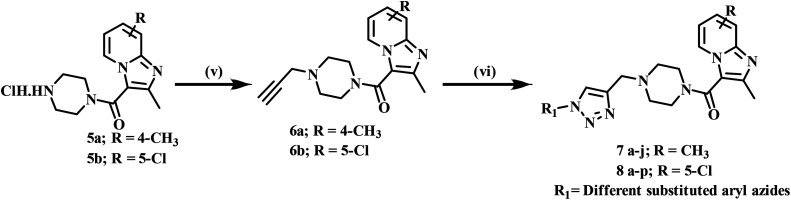
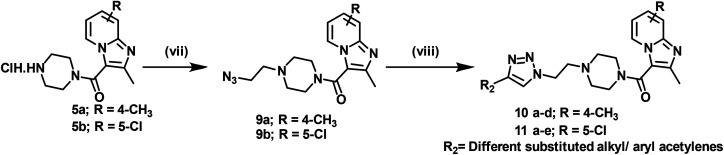
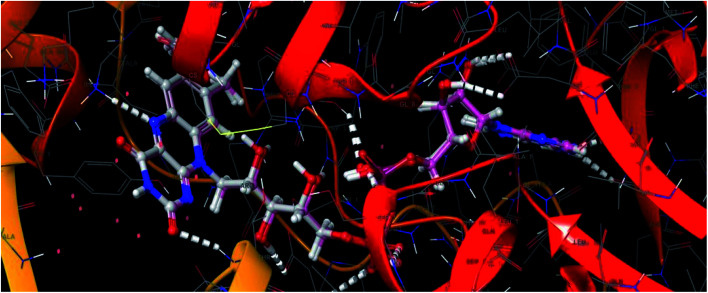
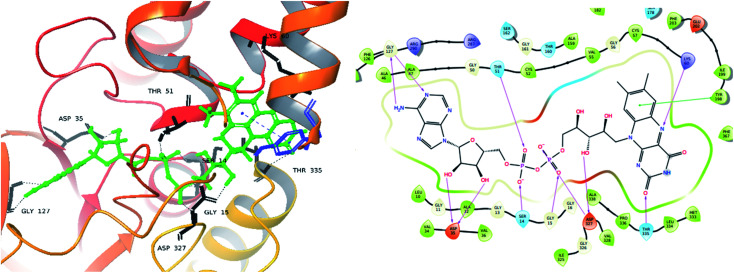
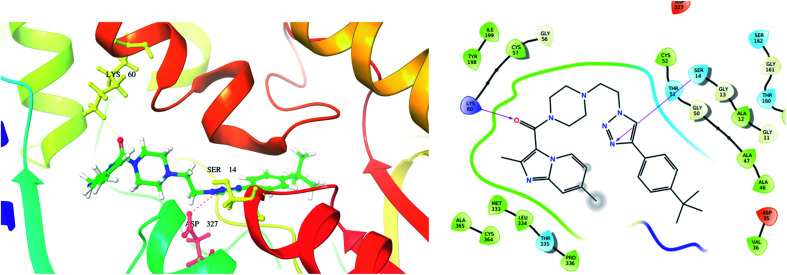
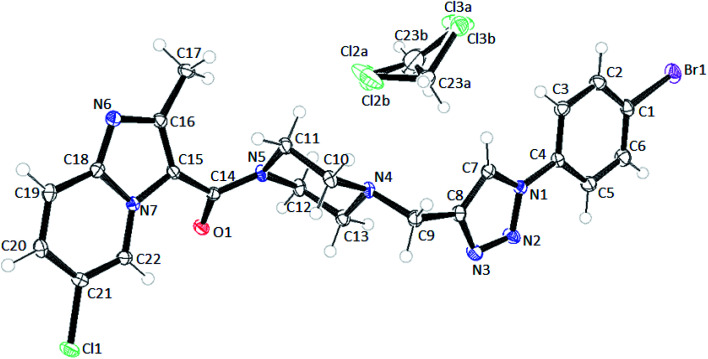
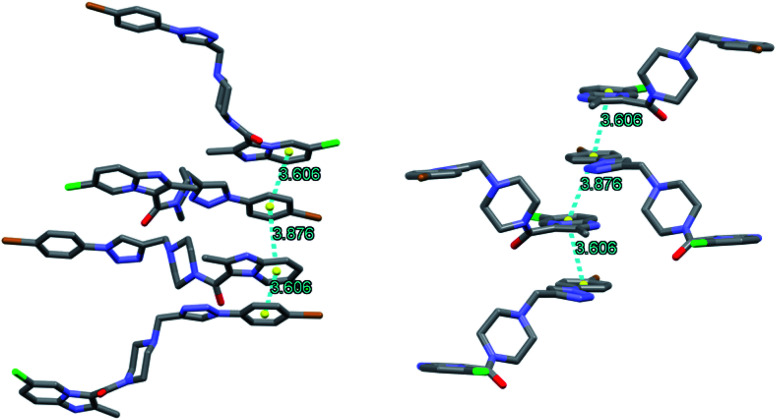
Four groups, thirty-five compounds in total, of novel 1,2,3-triazole analogues of imidazo-[1,2-a]-pyridine-3-carboxamides were designed and synthesized using substituted pyridine, propargyl bromide, 2-azidoethyl 4-methyl benzenesulfonate and substituted acetylenes. These compounds were characterized using 1H NMR, 13C NMR, LCMS and elemental analyses and a crystal structure was obtained for one of the significantly active compounds, 8f. All the synthesized and characterized compounds were screened in vitro for antileishmanial and antitrypanosomal activity against Leishmania major and Trypanosoma brucei parasites, respectively. Among the tested analogues, five compounds (8d, 8f, 8j, 10b and 10d) exhibited significant antileishmanial activity while three compounds (10b, 11a and 11b) showed substantial activity against T. brucei parasite. In silico ADME prediction studies depicted that the essential compounds obeyed Lipinski's rule of five. The predicted in silico toxicity profile suggested that the tested compounds would be non-toxic, which was confirmed experimentally by the lack of cytotoxicity against HeLa cells. Finally, a molecular docking study was also performed, for 10d the most active antileishmanial compound, to study its putative binding pattern at the active site of the selected leishmanial trypanothione reductase target.
This journal is © The Royal Society of Chemistry.
Conflict of interest statement
Authors declare that there is no conflict of interest.
Figures

References
-
- Hotez P. J. and Lo N. C., Neglected Tropical Diseases: Public Health Control Programs and Mass Drug Administration, Elsevier Inc., 10th edn, 2020
LinkOut - more resources
Full Text Sources
