


Degradation pathway and microbial mechanism of high-concentration thiocyanate in gold mine tailings wastewater
- PMID: 35518587
- PMCID: PMC9055349
- DOI: 10.1039/d0ra03330h
Degradation pathway and microbial mechanism of high-concentration thiocyanate in gold mine tailings wastewater
Abstract
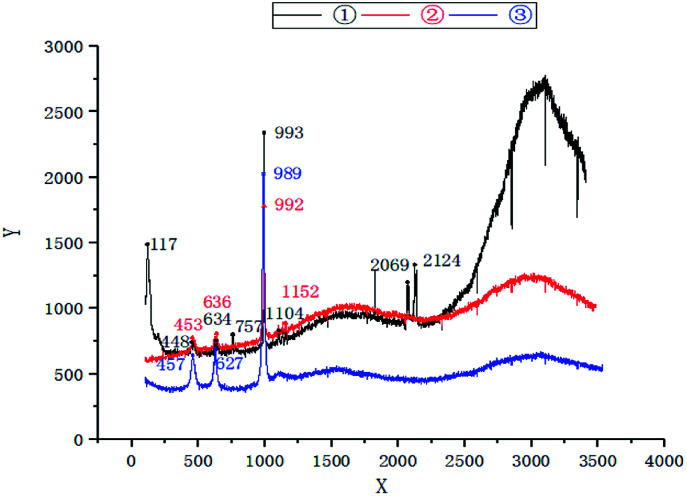
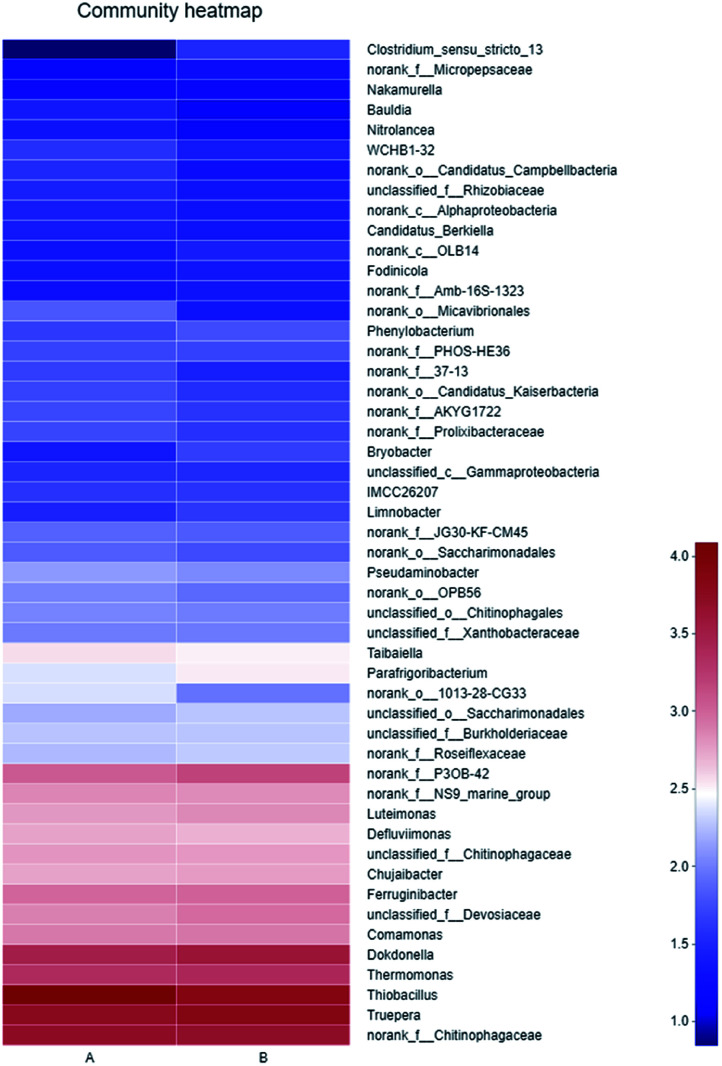
As one of the inorganic pollutants with the highest concentration in the waste water of gold tailings using biohydrometallurgy, thiocyanate (SCN-) was effectively degraded in this research adopting a two-stage activated sludge biological treatment, and the corresponding degradation pathway and microbial community characteristics in this process were also studied. The results showed that SCN- at 1818.00 mg L-1 in the influent decreased to 0.68 mg L-1 after flowing through the two-stage activated sludge units. Raman spectroscopy was used to study the changes of relevant functional groups, finding that SCN- was degraded in the COS pathway. Based on 16S rRNA high-throughput sequencing technology, the microbial diversity in this system was analyzed, and the results indicated that Thiobacillus played a major role in degrading SCN-, of which the abundance in these two activated sludge units was 32.05% and 20.37%, respectively. The results further revealed the biological removal mechanism of SCN- in gold mine tailings wastewater.
This journal is © The Royal Society of Chemistry.
Conflict of interest statement
The authors declare that there are no conflicts to declare.
Figures


References
LinkOut - more resources
Full Text Sources
Research Materials
