


Demonstrating the utility of Escherichia coli asymptomatic bacteriuria isolates' virulence profile towards diagnosis and management-A preliminary analysis
- PMID: 35522610
- PMCID: PMC9075641
- DOI: 10.1371/journal.pone.0267296
Demonstrating the utility of Escherichia coli asymptomatic bacteriuria isolates' virulence profile towards diagnosis and management-A preliminary analysis
Abstract
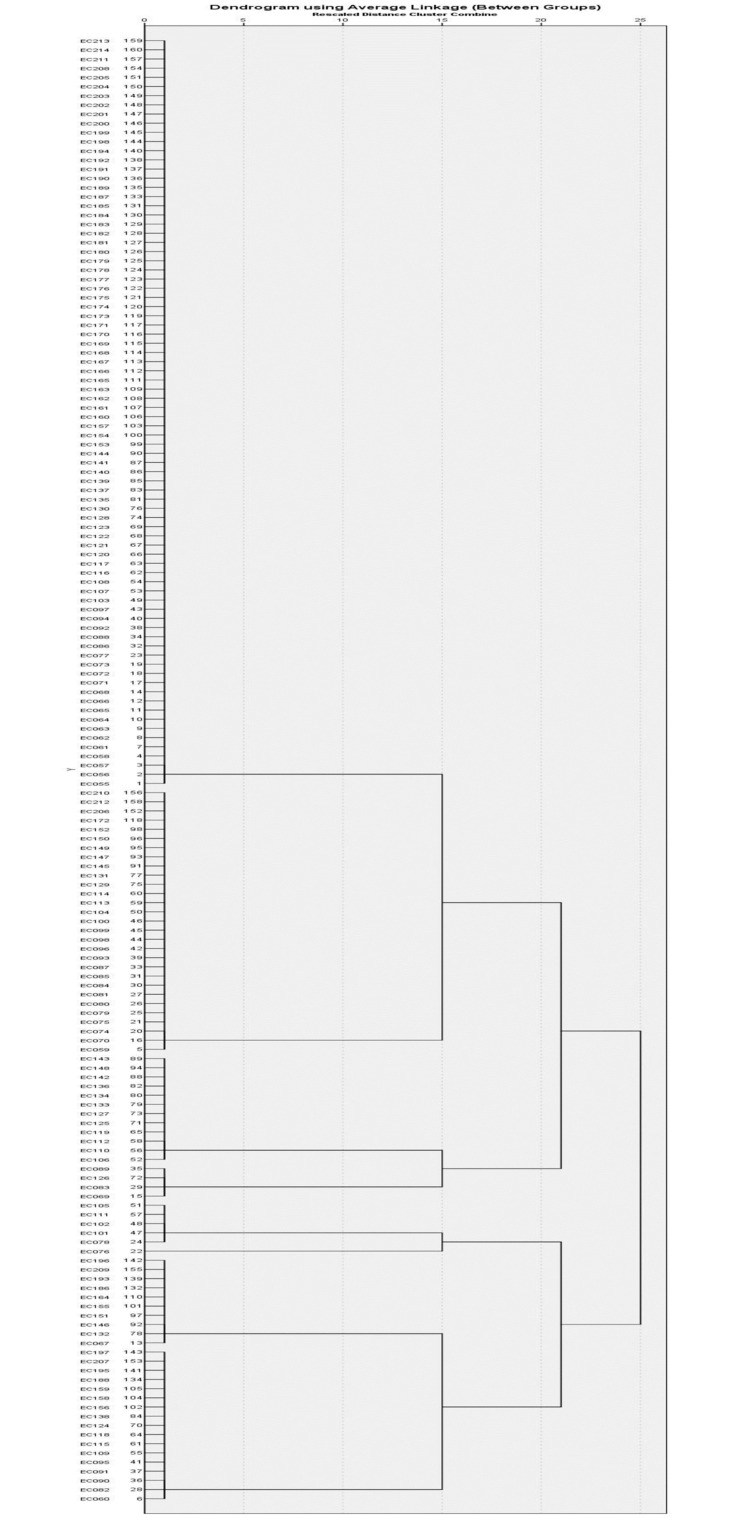
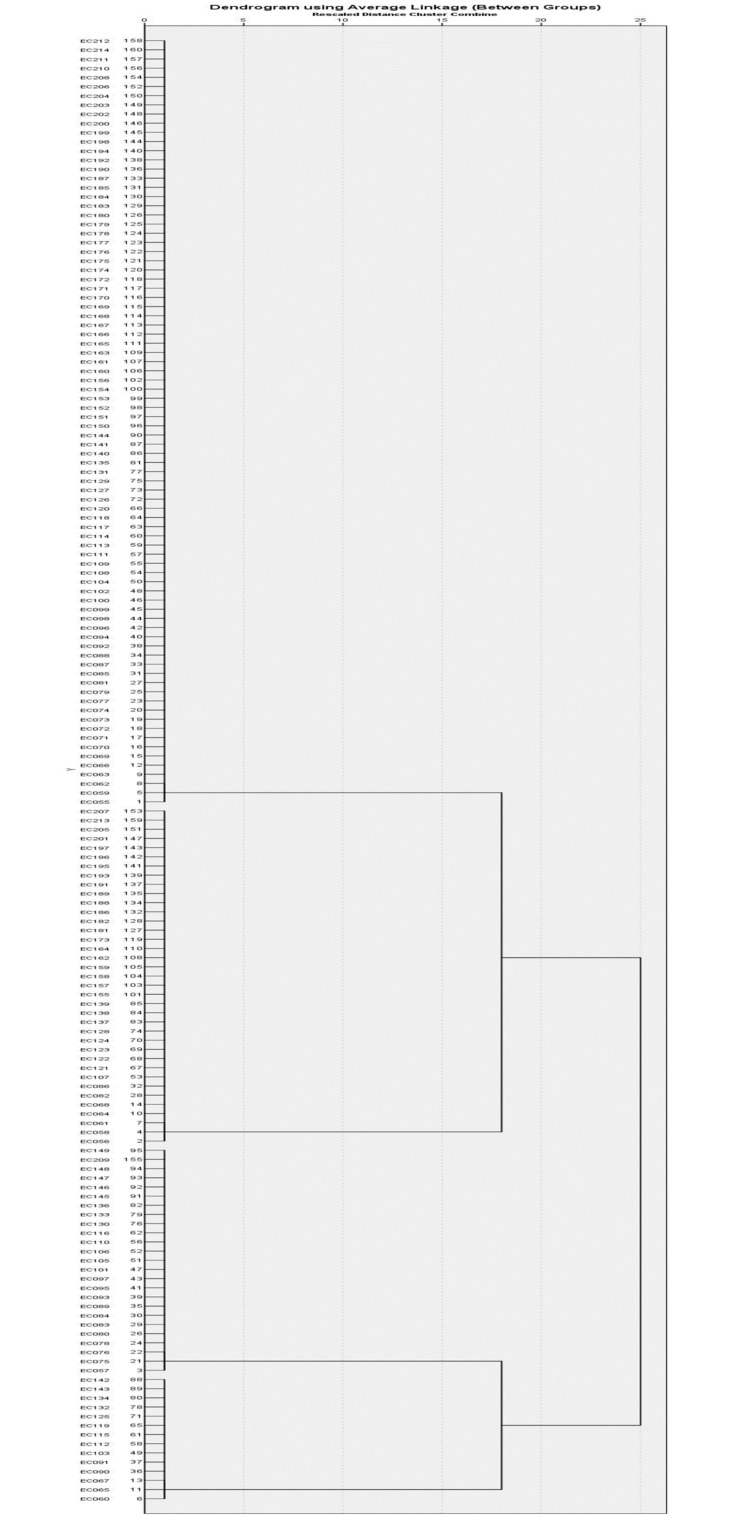
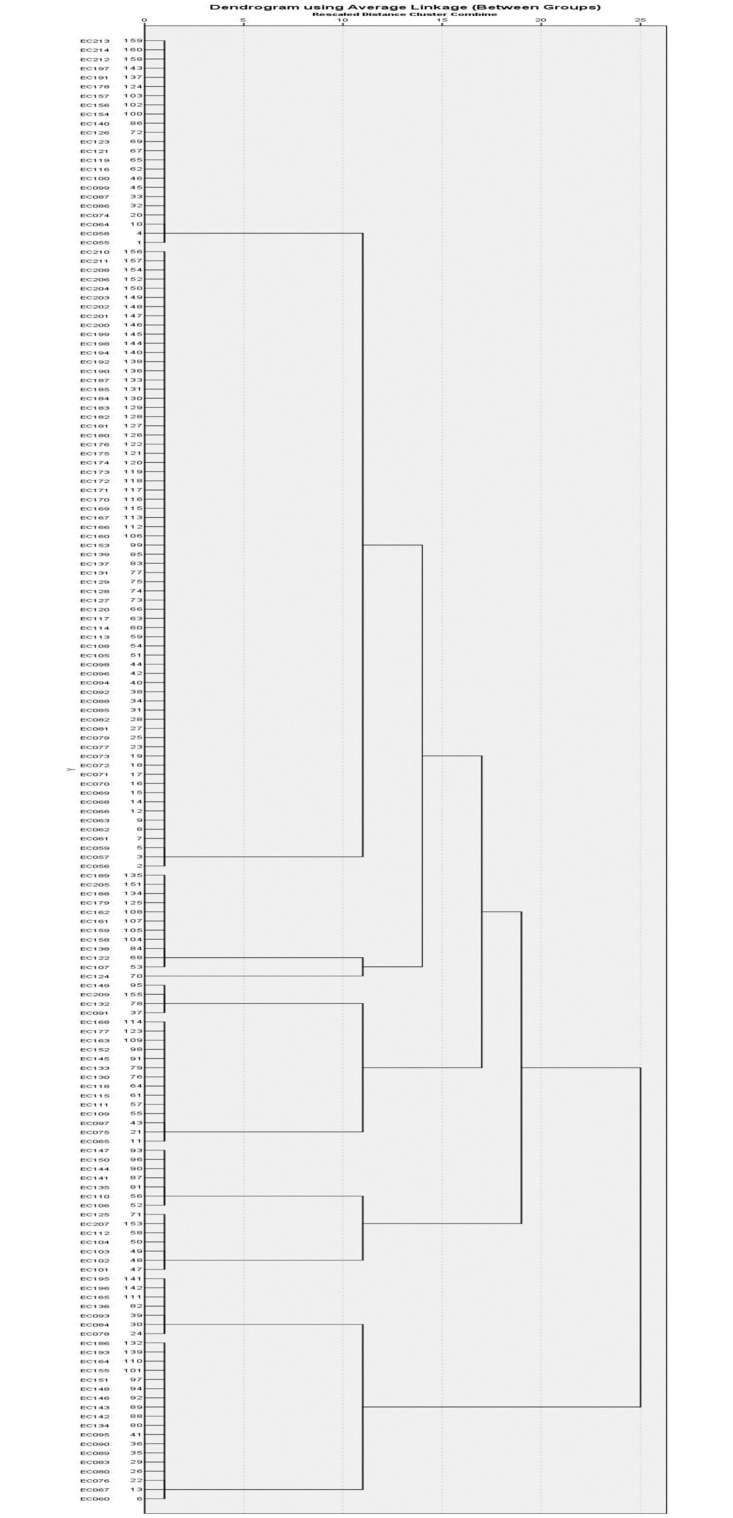
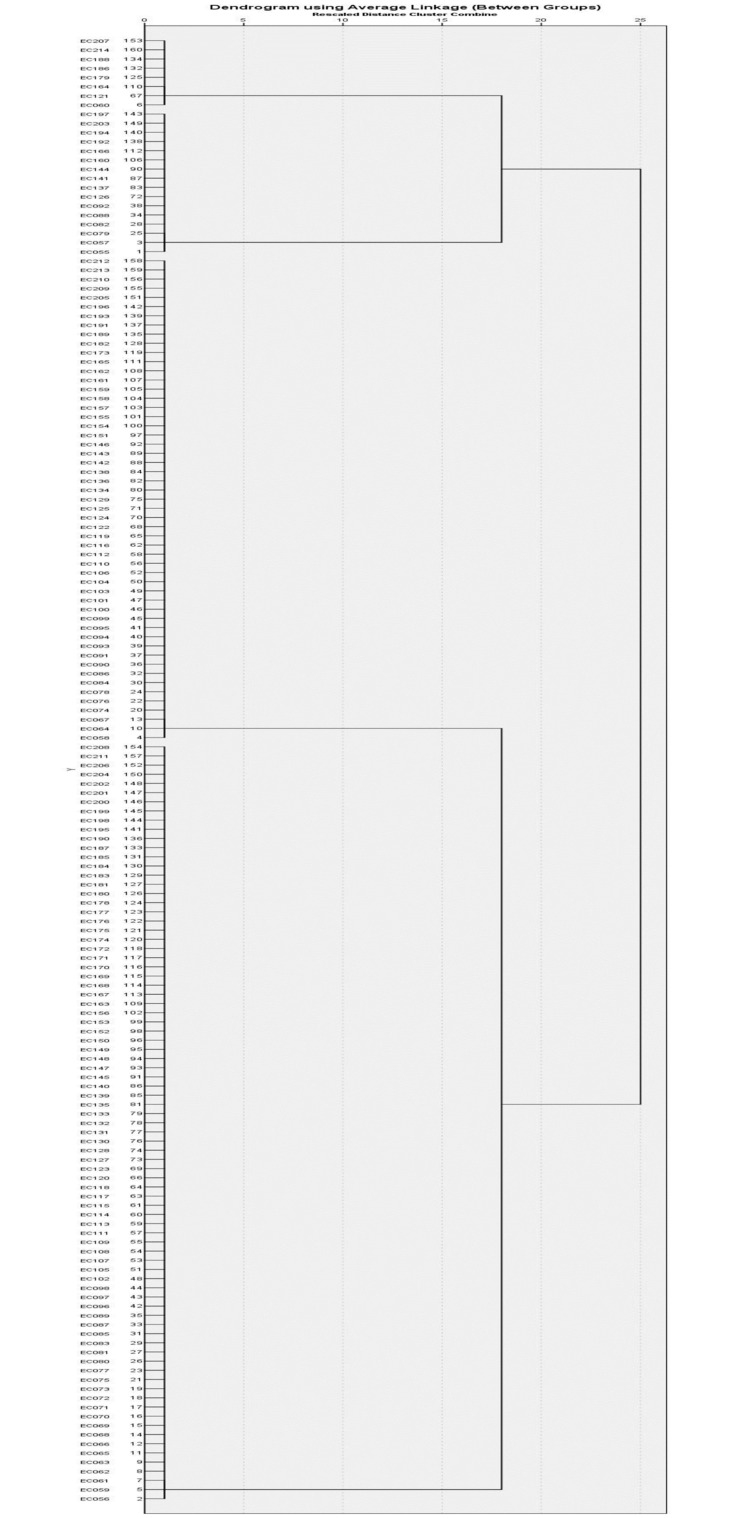
Asymptomatic bacteriuria (ASB) caused by Escherichia coli (E. coli) is a significant condition associated with pregnancy and is considered as prognostic for the development of symptomatic urinary tract infection (UTI). However, treating all ASB increases the use of antibiotics and leads to the development of multidrug resistance (MDR). Therefore, this study aimed to identify the distribution of UPEC associated virulence genes and antibiotic susceptibility among phylogroups of E. coli isolated from ASB in pregnancy. Moreover, the gene expression of selected virulence genes was also compared among two E. coli isolates (with different pathogenic potential) to determine its pathogenicity. One hundred and sixty E. coli isolates from midstream urine samples of pregnant women with ASB were subjected to PCR-based detection for its phylogroups and virulence genes. The antibiotic susceptibility of isolated strains was determined by the disc diffusion method. Expression of the virulence genes were determined through microarray analysis and quantitative Real-Time PCR. The prevalence of ASB in this study was 16.1%. Within ASB isolates, the occurrence of phylogroup B2 was the highest, and isolates from this group harboured most of the virulence genes studied. Overall, the most identified virulence genes among all phylogroups in descending order were fimH, chuA, kpsMTII, usp, fyuA, hlyA, iroN, cnf, papC, sfa, ompT, and sat. In this study, higher resistance to antibiotics was observed for ampicillin (77.5%), amoxicillin-clavulanate (54.4%), trimethoprim-sulfamethoxazole (46.9%) and amikacin (43.8%) compared to the other tested antibiotics and 51.9% of the tested isolates were MDR. Furthermore, hierarchical clustering and gene expression analysis demonstrated extreme polarization of pathogenic potential of E. coli causing ASB in pregnancy necessitating the need for bacterial isolate focused approach towards treatment of ASB.
Conflict of interest statement
The authors declare no conflict of interest.
Figures
References
-
- Khan S., et al. Pregnancy-associated asymptomatic bacteriuria and drug resistance. Journal of Taibah University Medical Sciences, 2015. 10(3): p. 340–345.
-
- Sonkar N., et al. Asymptomatic Bacteriuria among Pregnant Women Attending Tertiary Care Hospital in Lucknow, India. Dubai Medical Journal, 2021. 4(1): p. 18–25.
Publication types
MeSH terms
Substances
LinkOut - more resources
Full Text Sources
Medical
Research Materials
