. 2022 May 26;65(10):7118-7140.
doi: 10.1021/acs.jmedchem.1c01806. Epub 2022 May 6.

Reversible Monoacylglycerol Lipase Inhibitors: Discovery of a New Class of Benzylpiperidine Derivatives

Affiliations

Reversible Monoacylglycerol Lipase Inhibitors: Discovery of a New Class of Benzylpiperidine Derivatives

Giulia Bononi et al. J Med Chem. .

Abstract

Monoacylglycerol lipase (MAGL) is the enzyme responsible for the metabolism of 2-arachidonoylglycerol in the brain and the hydrolysis of peripheral monoacylglycerols. Many studies demonstrated beneficial effects deriving from MAGL inhibition for neurodegenerative diseases, inflammatory pathologies, and cancer. MAGL expression is increased in invasive tumors, furnishing free fatty acids as pro-tumorigenic signals and for tumor cell growth. Here, a new class of benzylpiperidine-based MAGL inhibitors was synthesized, leading to the identification of 13, which showed potent reversible and selective MAGL inhibition. Associated with MAGL overexpression and the prognostic role in pancreatic cancer, derivative 13 showed antiproliferative activity and apoptosis induction, as well as the ability to reduce cell migration in primary pancreatic cancer cultures, and displayed a synergistic interaction with the chemotherapeutic drug gemcitabine. These results suggest that the class of benzylpiperidine-based MAGL inhibitors have potential as a new class of therapeutic agents and MAGL could play a role in pancreatic cancer.


Conflict of interest statement

The authors declare no competing financial interest.

Figures
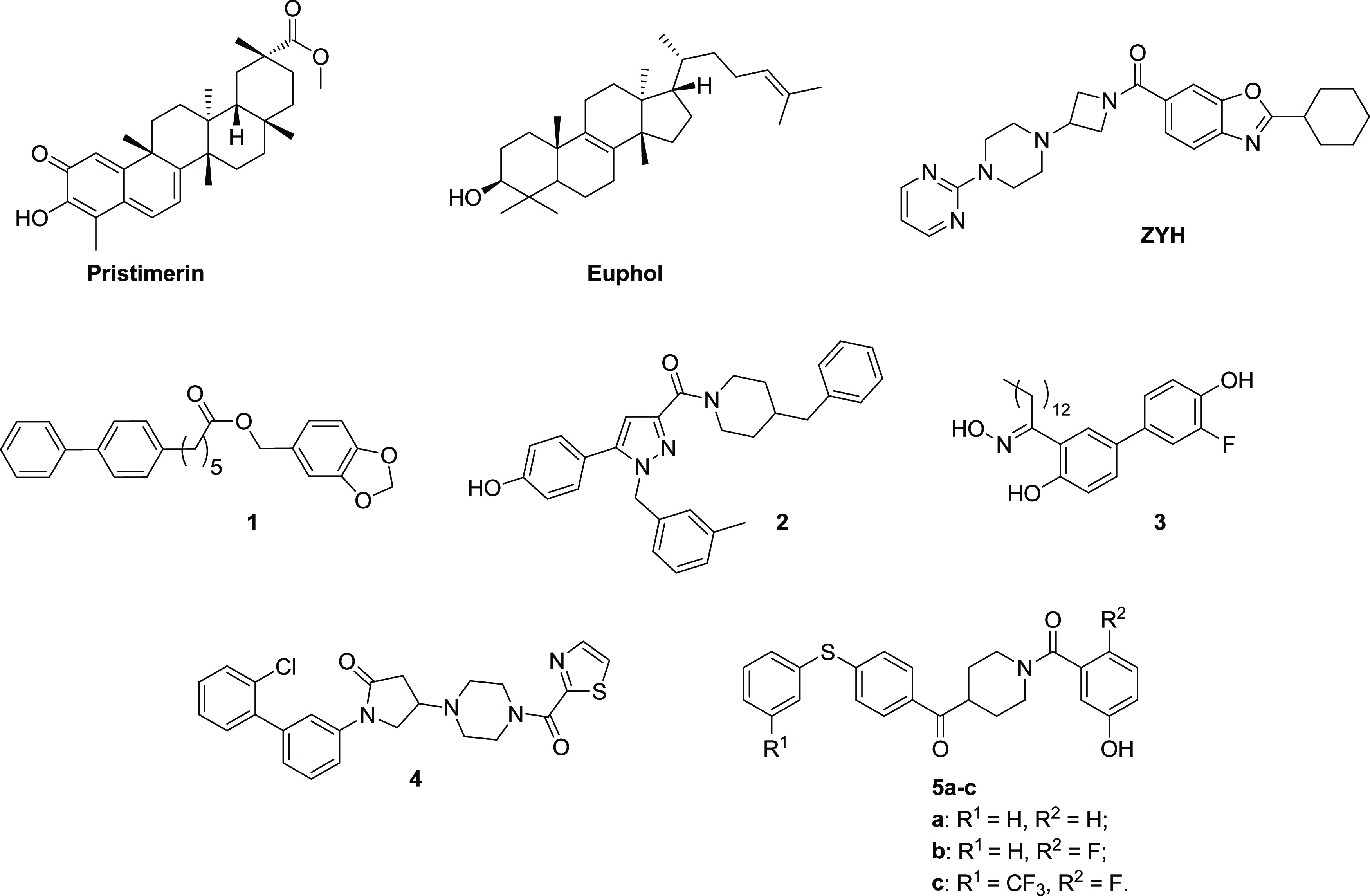
Figure 1
Figure 1
Structures of some representative synthetic reversible MAGL inhibitors.
Figure 2
Figure 2
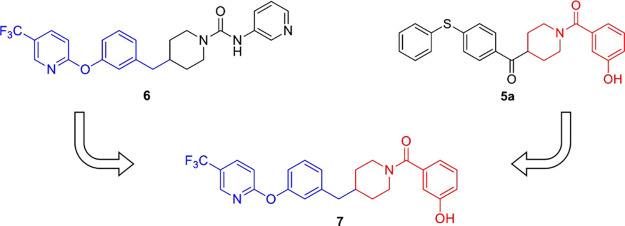
Design of the new benzylpiperidine derivative 7. The moiety deriving from FAAH inhibitor 6 is highlighted in blue, and the moiety deriving from our MAGL inhibitor 5a is highlighted in red.
Figure 3
Figure 3
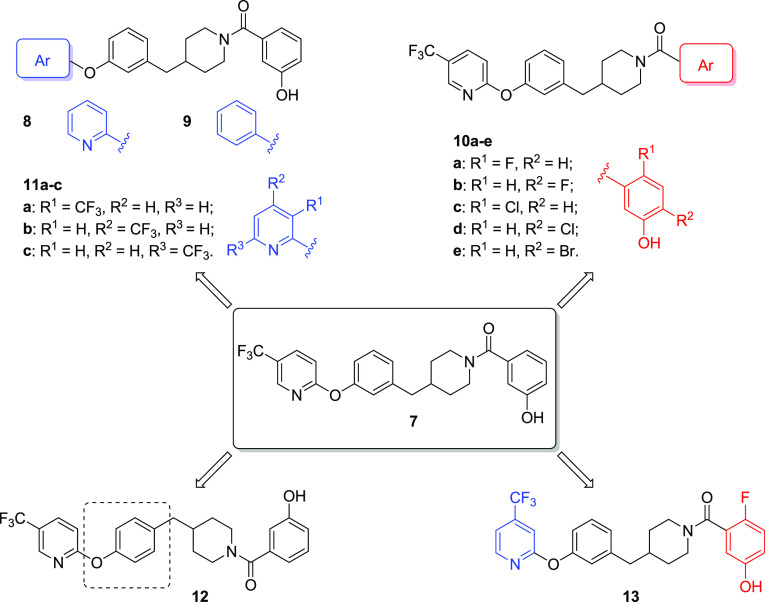
Newly synthesized benzylpiperidine derivatives 8, 9, 10ae, 11ac, 12, and 13. The modified moieties compared to parent compound 7 are highlighted in blue, in red, or with a dashed square.
Scheme 1
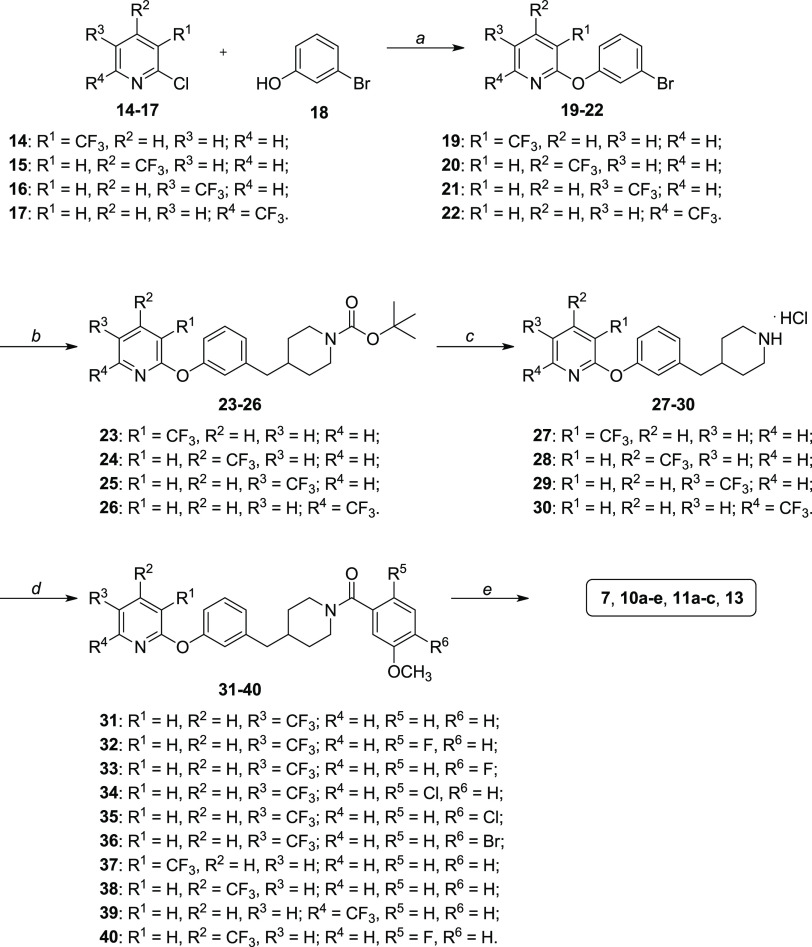
Scheme 1. Synthesis of Compounds 7, 10ae, 11ac, and 13
Reagents and conditions: (a) anhydrous K2CO3, anhydrous DMF, 110 °C, overnight [77–99%]; (b) i. tert-butyl 4-methylenepiperidine-1-carboxylate, 9-BBN 0.5 M solution in THF, anhydrous toluene, 115 °C, 1 h; ii. aq. 3.2 M NaOH, Pd(PPh3)4, TBAI, anhydrous toluene, 115 °C, 18 h [46–99%]; (c) HCl 4.0 M solution in dioxane, anhydrous MeOH, anhydrous CH2Cl2, RT, 1 h [99%]; (d) properly substituted benzoic acid, HATU, DIPEA, anhydrous DMF, RT, 3–12 h [41–75%]; (e) BBr3 1 M solution in CH2Cl2, anhydrous CH2Cl2, −10 to 0 °C, then RT, 1–3 h [46–66%].
Scheme 2
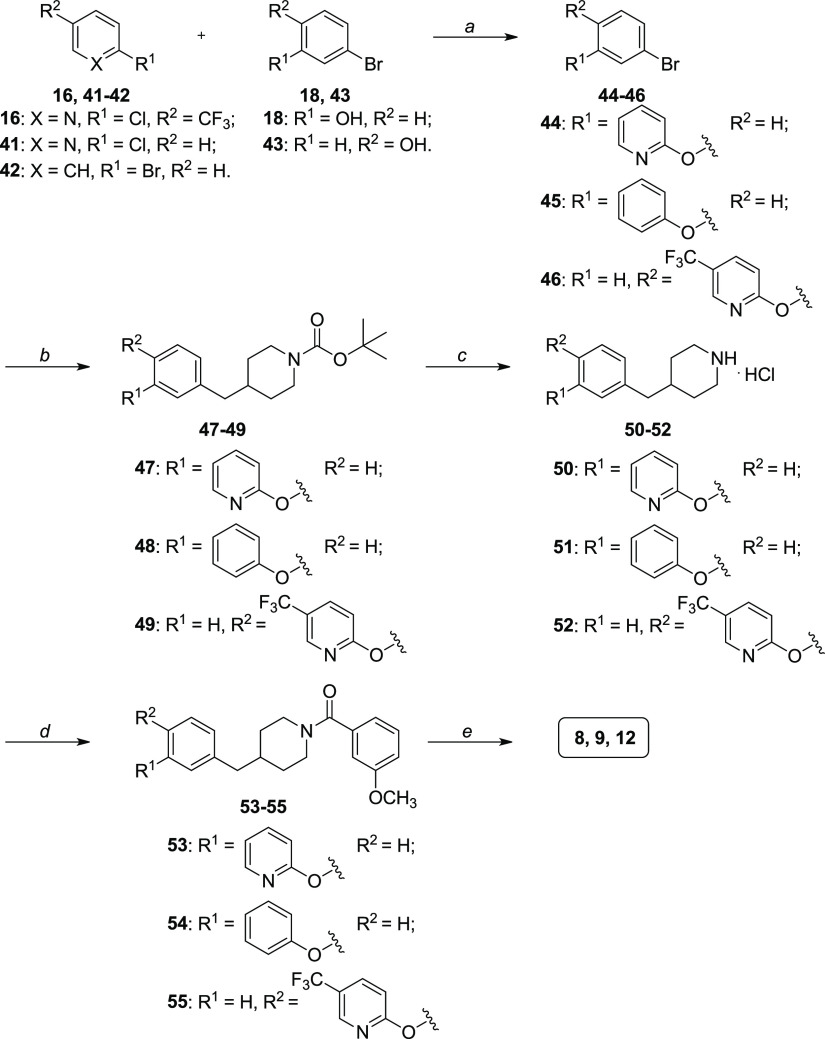
Scheme 2. Synthesis of Compounds 8, 9, and 12
Reagents and conditions: (a) for compounds 41 and 42: K3PO4, CuI, anhydrous DMSO, 130 °C, 24 h [11–32%]; for compound 16: anhydrous K2CO3, anhydrous DMF, 110 °C, overnight [84%]; (b) i. tert-butyl 4-methylenepiperidine-1-carboxylate, 9-BBN 0.5 M solution in THF, anhydrous toluene, 115 °C, 1 h; ii. aq. 3.2 M NaOH, Pd(PPh3)4, TBAI, anhydrous toluene, 115 °C, 18 h [30–78%]; (c) HCl 4.0 M solution in dioxane, anhydrous MeOH, anhydrous CH2Cl2, RT, 1 h [90–99%]; (d) 3-methoxybenzoic acid, HATU, DIPEA, anhydrous DMF, RT, 3–12 h [53–72%]; (e) BBr3 1 M solution in CH2Cl2, anhydrous CH2Cl2, −10 to 0 °C, then RT, 1–3 h [29–62%].
Figure 4
Figure 4
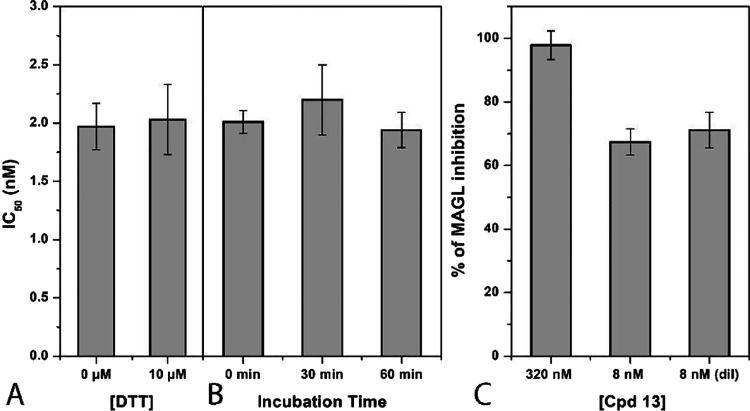
Analysis of the mechanism of MAGL inhibition of compound 13. (A) Effect of DTT on MAGL inhibition activity. (B) IC50 (nM) values at different preincubation times with MAGL (0, 30, and 60 min). (C) Dilution assay: the first two columns indicate the inhibition percentage of the compound at concentrations of 320 and 8 nM. The third column indicates the inhibition percentage of the compound after dilution (final concentration = 8 nM).
Figure 5
Figure 5
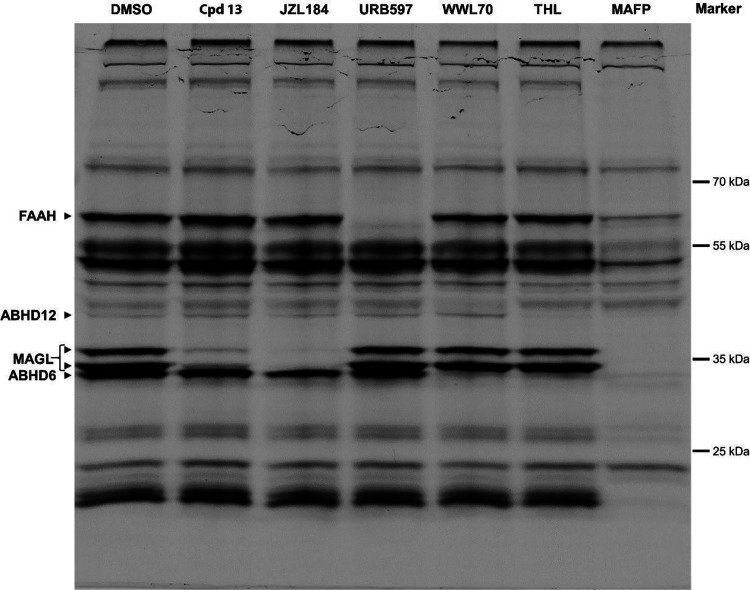
ABPP with fluorescent labeling of serine hydrolases in mouse brain membrane homogenates using a TAMRA-FP serine hydrolase probe and different inhibitors as controls. The mouse brain membranes (4 mg/mL) were pre-incubated for 25 min with either DMSO, 13 (10 μM, MAGL inhibitor), JZL-184 (10 μM, MAGL inhibitor), URB597 (4 μM, FAAH inhibitor), WWL70 (10 μM, ABHD6 inhibitor), THL (30 μM, ABHD6 and ABHD12 inhibitor), or MAFP (5 μM, unselective serine hydrolase inhibitor). After additional incubation with TAMRA-FP (125 nM) for 25 min, the samples were separated in SDS-PAGE. A representative image of the TAMRA-FP signal after SDS-PAGE is shown. The presented results could be observed in three independent experiments.
Figure 6
Figure 6
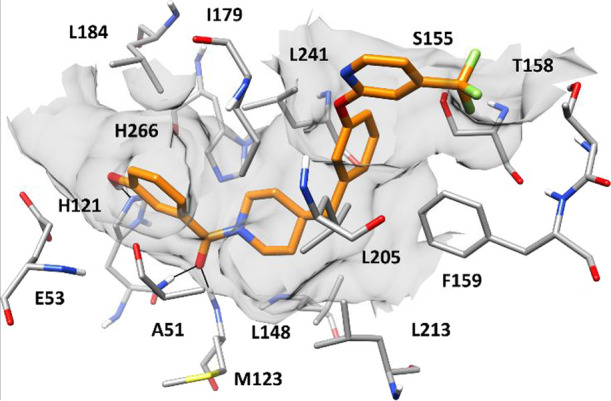
Minimized average structure of hMAGL in complex with compound 11b in the predicted binding pose. The protein residues surrounding the ligand are shown. Ligand–protein hydrogen bonds are highlighted with black lines. The inner surface of the protein binding site is shown in gray (PDB code 5ZUN).
Figure 7
Figure 7
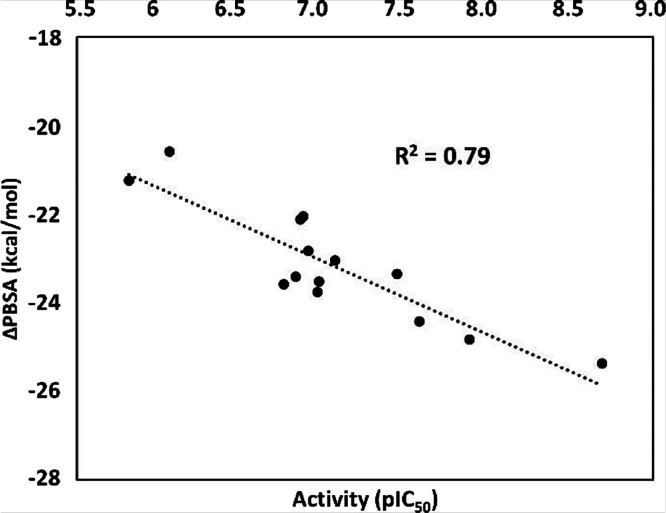
Correlation between the compound’s activities expressed as pIC50 values and the binding energies estimated using the best MM-PBSA protocol (εint = 4) expressed in kcal/mol.
Figure 8
Figure 8
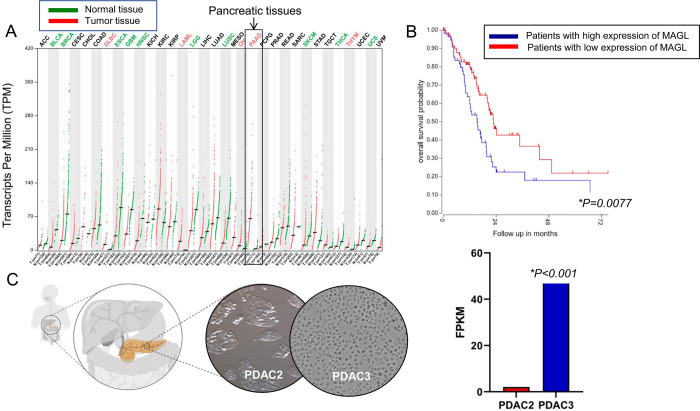
MAGL gene expression levels. (A) MAGL mRNA is more expressed in cancer tissues than in normal tissues (http://gepia.cancer-pku.cn/detail.php?gene=MAGL). Pancreatic cancer tissues are among the tumor tissues with the highest expression levels of MAGL. (B) MAGL mRNA expression is a prognostic factor in pancreatic cancer. The expression cutoff between patients with high versus low expression of MAGL (5132, RNA expression units) was obtained by the “R2: Genomics Analysis and Visualization Platform”. (C) Two primary pancreatic cancer cell cultures (PDAC2 and PDAC3) originating from patients undergoing surgery for pancreatic cancer showed significantly different expression levels of MAGL mRNA.
Figure 9
Figure 9
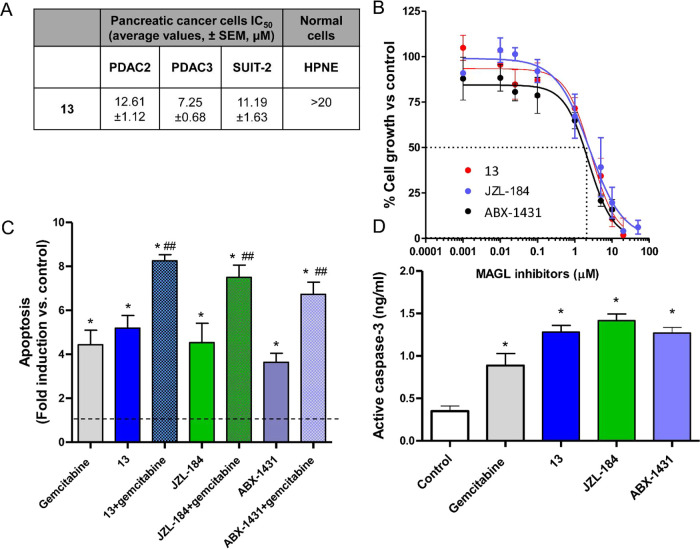
Antiproliferative and pro-apoptotic effects of MAGL inhibitor 13. (A) IC50 of compound 13 in different pancreatic cancer models and in the immortalized ductal cells HPNE. (B) Representative curves of PDAC3 cells growth inhibitory effects of 13, JZL-184 and ABX-1431, as control. (C) Induction of apoptosis and (D) levels of active caspase-3 in PDAC3 cells treated with 13, gemcitabine, JZL-184, and ABX-1431 for 72 h, compared to control/untreated cells (value = 1, as illustrated by the dashed line). Measurements were performed in triplicate, and data are presented as means ± SEM. *p < 0.05 versus control; #p < 0.05 versus gemcitabine.
Figure 10
Figure 10
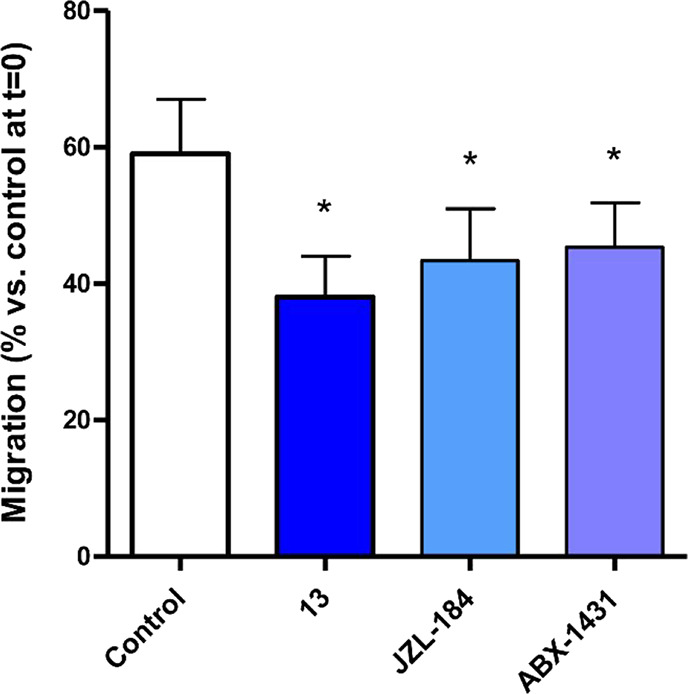
Antimigratory effects of MAGL inhibitors. Statistical evaluation of the results of the wound-healing/migration assay on the PDAC3 cells 20 h after scratch induction and treatment. The percentages of scratch closure for control, 13-, JZL-184-, or ABX-1431-treated cells were compared with one-way analysis of variance (ANOVA)/t test. *p < 0.05 versus control.
Figure 11
Figure 11
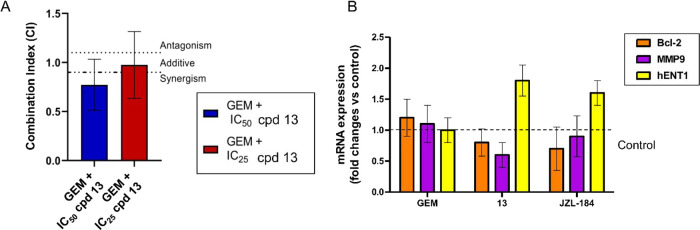
Combination assay and modulation of gene expression. (A) CI values of gemcitabine (GEM) combined with compound 13 at IC50 and IC25. The upper line represents an antagonistic CI > 1.2, the lower bar represents a synergistic CI < 0.8. (B) Combined results of different PCR experiments, evaluating the effect of GEM, 13, and JZL-184 on potential determinants of apoptosis induction, migration, and synergistic interaction with gemcitabine compared to control/untreated cells (value = 1, as illustrated by the dashed line). Measurements were performed in triplicate, and data are presented as means ± SEM.

Similar articles

Cited by

References

    1. Rajesh M.; Pan H.; Mukhopadhyay P.; Batkai S.; Osei-Hyiaman D.; Hasko G.; Liaudet L.; Gao B.; Pacher P. Pivotal Advance: Cannabinoid-2 Receptor Agonist HU-308 Protects against Hepatic Ischemia/Reperfusion Injury by Attenuating Oxidative Stress, Inflammatory Response, and Apoptosis. J. Leukocyte Biol. 2007, 82, 1382–1389. 10.1189/jlb.0307180. - DOI - PMC - PubMed
    1. Calignano A.; La Rana G.; Giuffrida A.; Piomelli D. Control of Pain Initiation by Endogenous Cannabinoids. Nature 1998, 394, 277–281. 10.1038/28393. - DOI - PubMed
    1. Sánchez A. J.; García-Merino A. Neuroprotective Agents: Cannabinoids. Clin. Immunol. 2012, 142, 57–67. 10.1016/j.clim.2011.02.010. - DOI - PubMed
    1. Pertwee R. G.; Ross R. A. Cannabinoid Receptors and Their Ligands. Prostaglandins, Leukotrienes Essent. Fatty Acids 2002, 66, 101–121. 10.1054/plef.2001.0341. - DOI - PubMed
    1. Piomelli D. The Molecular Logic of Endocannabinoid Signalling. Nat. Rev. Neurosci. 2003, 4, 873–884. 10.1038/nrn1247. - DOI - PubMed

Publication types