


Extracellular vesicles rich in HAX1 promote angiogenesis by modulating ITGB6 translation
- PMID: 35524442
- PMCID: PMC9077140
- DOI: 10.1002/jev2.12221
Extracellular vesicles rich in HAX1 promote angiogenesis by modulating ITGB6 translation
Erratum in
-
Corrigendum.J Extracell Vesicles. 2022 May;11(6):e12236. doi: 10.1002/jev2.12236. J Extracell Vesicles. 2022. PMID: 35676233 Free PMC article. No abstract available.
Abstract
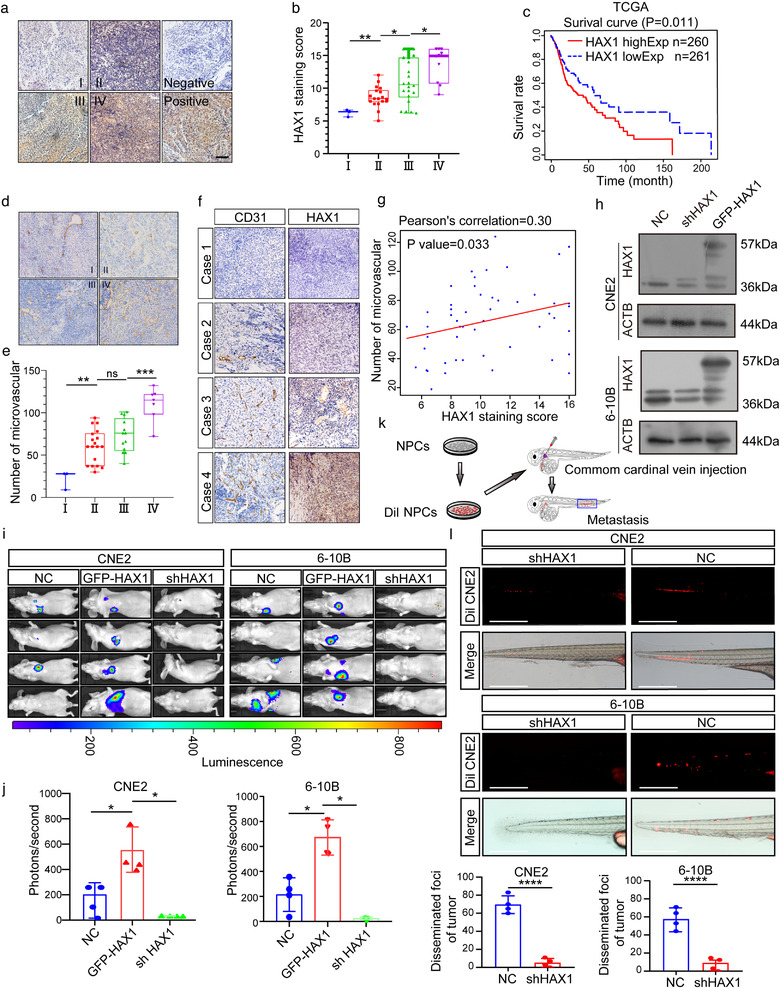
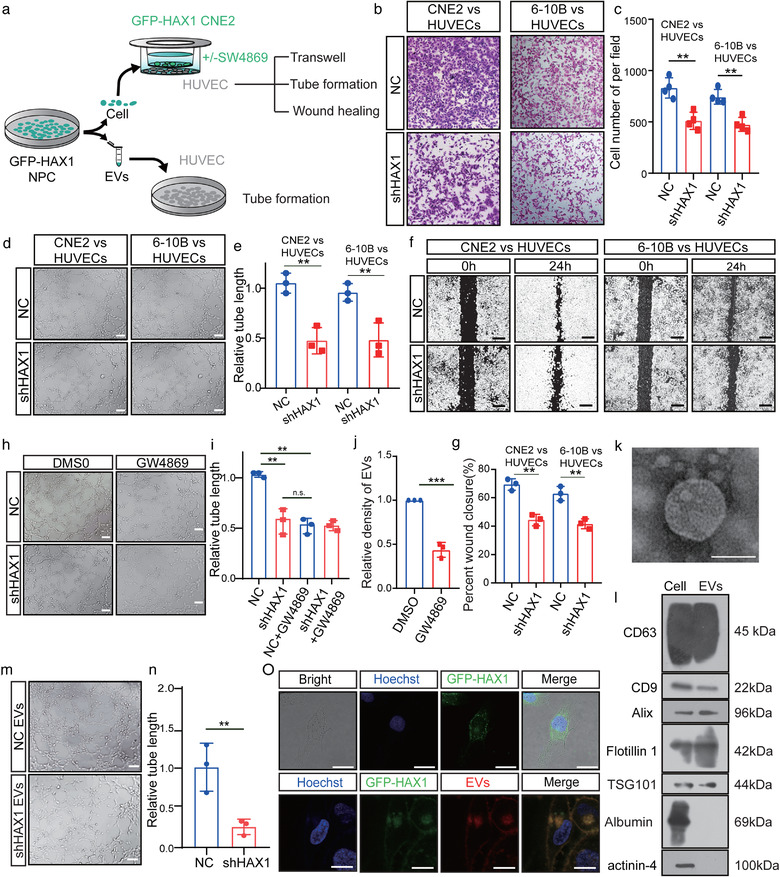
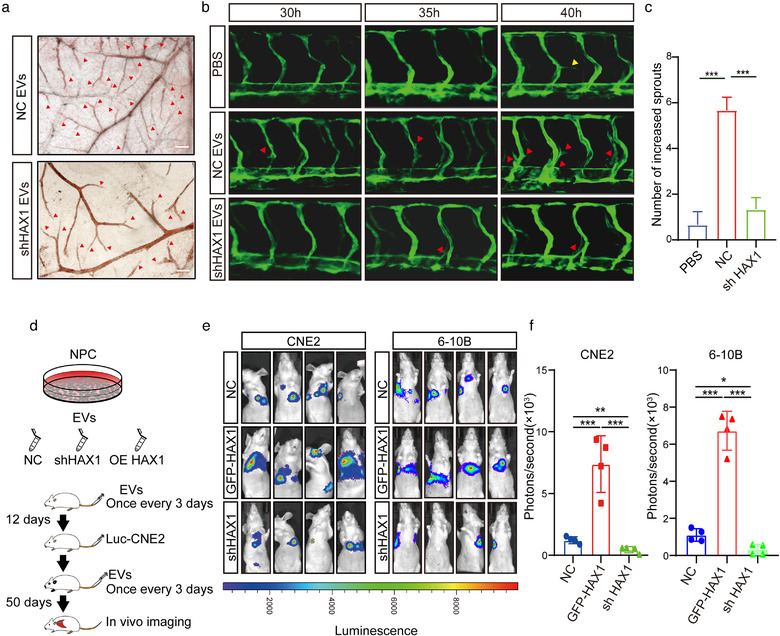
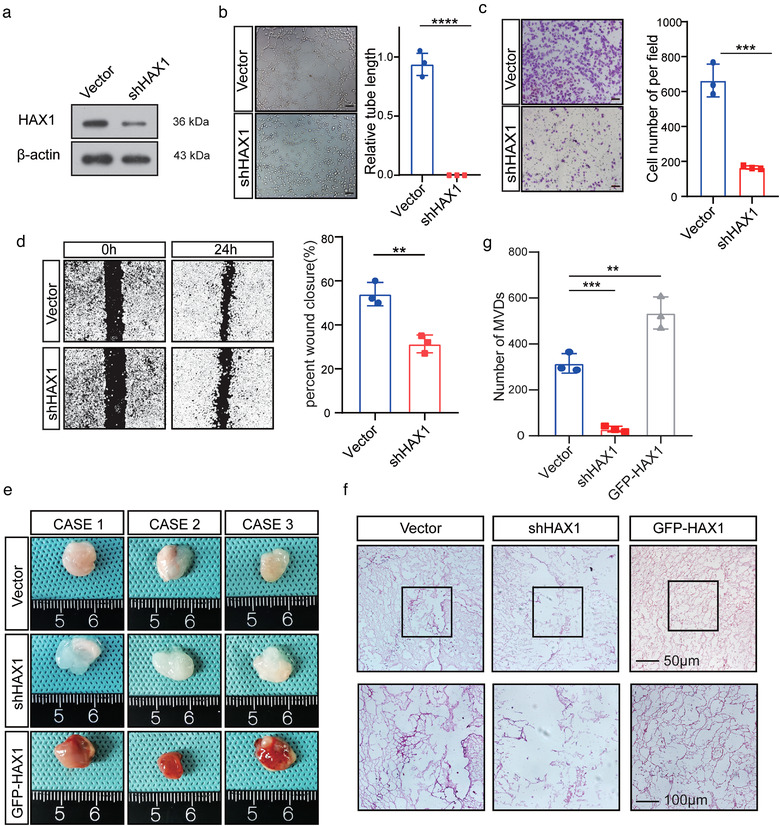
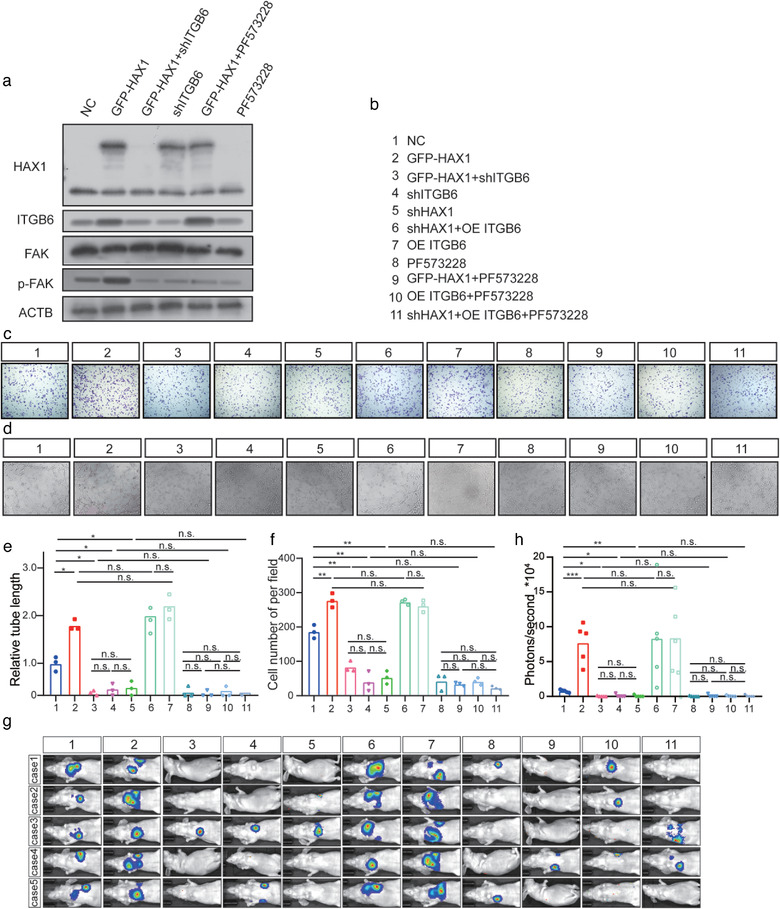
Tumour-associated angiogenesis plays a critical role in metastasis, the main cause of malignancy-related death. Extracellular vesicles (EVs) can regulate angiogenesis to participate in tumour metastasis. Our previous study showed that EVs rich in HAX1 are associated with in metastasis of nasopharyngeal carcinoma (NPC). However, the mechanism by which HAX1 of EVs promotes metastasis and angiogenesis is unclear. In this study, we demonstrated that EVs rich in HAX1 promote angiogenesis phenotype by activating the FAK pathway in endothelial cells (ECs) by increasing expression level of ITGB6. The expression level of HAX1 is markedly correlated with microvessel density (MVDs) in NPC and head and neck cancers based on an analysis of IHC. In addition to a series of in vitro cellular analyses, in vivo models revealed that HAX1 was correlated with migration and blood vessel formation of ECs, and metastasis of NPC. Using ribosome profiling, we found that HAX1 regulates the FAK pathway to influence microvessel formation and promote NPC metastasis by enhancing the translation efficiency of ITGB6. Our findings demonstrate that HAX1 can be used as an important biomarker for NPC metastasis, providing a novel basis for antiangiogenesis therapy in clinical settings.
Keywords: FAK pathway; HAX1; ITGB6; angiogenesis; extracellular vesicles; nasopharyngeal carcinoma; translation.
© 2022 The Authors. Journal of Extracellular Vesicles published by Wiley Periodicals, LLC on behalf of the International Society for Extracellular Vesicles.
Conflict of interest statement
The authors declare that the research was conducted in the absence of any commercial or financial relationships that could be construed as a potential conflict of interest.
Figures
References
-
- Adamiak, M. , Cheng, G. , Bobis‐Wozowicz, S. , Zhao, L. , Kedracka‐Krok, S. , Samanta, A. , Karnas, E. , Xuan, Yu‐T. , Skupien‐Rabian, B. , Chen, X. , Jankowska, U. , Girgis, M. , Sekula, M. , Davani, A. , Lasota, S. , Vincent, R. J. , Sarna, M. , Newell, K. L. , Wang, O.‐L. , … Zuba‐Surma, E. K. (2018). Induced Pluripotent Stem Cell (iPSC)‐derived extracellular vesicles are safer and more effective for cardiac repair than iPSCs. Circulation Research, 122(2), 296–309. - PMC - PubMed
-
- Agulnik, M. , Costa, R. L. B. , Milhem, M. , Rademaker, A. W. , Prunder, B. C. , Daniels, D. , Rhodes, B. T. , Humphreys, C. , Abbinanti, S. , Nye, L. , Cehic, R. , Polish, A. , Vintilescu, C. , Mcfarland, T. , Skubitz, K. , Robinson, S. , Okuno, S. , & Van Tine, B. A. (2017). A phase II study of tivozanib in patients with metastatic and nonresectable soft‐tissue sarcomas. Annals of Oncology, 28(1), 121–127. - PMC - PubMed
-
- Alexander, M. R. , Brice, A. M. , Jansen Van Vuren, P. , Rootes, C. L. , Tribolet, L. , Cowled, C. , Bean, A. G. D. , & Stewart, C. R. (2021). Ribosome‐profiling reveals restricted post transcriptional expression of antiviral cytokines and transcription factors during SARS‐CoV‐2 infection. International Journal of Molecular Sciences, 22(7), 3392. - PMC - PubMed
-
- Backlund, M. , Paukku, K. , Daviet, L. , De Boer, R. A. , Valo, E. , Hautaniemi, S. , Kalkkinen, N. , Ehsan, A. , Kontula, K. K. , & Lehtonen, J. Y. A. (2009). Posttranscriptional regulation of angiotensin II type 1 receptor expression by glyceraldehyde 3‐phosphate dehydrogenase. Nucleic Acids Research, 37(7), 2346–2358. - PMC - PubMed
-
- Boussemart, L. , Malka‐Mahieu, H. , Girault, I. , Allard, D. , Hemmingsson, O. , Tomasic, G. , Thomas, M. , Basmadjian, C. , Ribeiro, N. , Thuaud, F. , Mateus, C. , Routier, E. , Kamsu‐Kom, N. , Agoussi, S. , Eggermont, A. M. , Désaubry, L. , Robert, C. , & Vagner, S. (2014). eIF4F is a nexus of resistance to anti‐BRAF and anti‐MEK cancer therapies. Nature, 513(7516), 105–109. - PubMed
Publication types
MeSH terms
Substances
LinkOut - more resources
Full Text Sources
Molecular Biology Databases
Miscellaneous
