


Prevalence and sociodemographic correlates of physical activity and sitting time among South American adolescents: a harmonized analysis of nationally representative cross-sectional surveys
- PMID: 35527268
- PMCID: PMC9080195
- DOI: 10.1186/s12966-022-01291-3
Prevalence and sociodemographic correlates of physical activity and sitting time among South American adolescents: a harmonized analysis of nationally representative cross-sectional surveys
Abstract
Background: To identify the prevalence and sociodemographic correlates of different domains of physical activity (PA) and higher sitting time among South American adolescents.
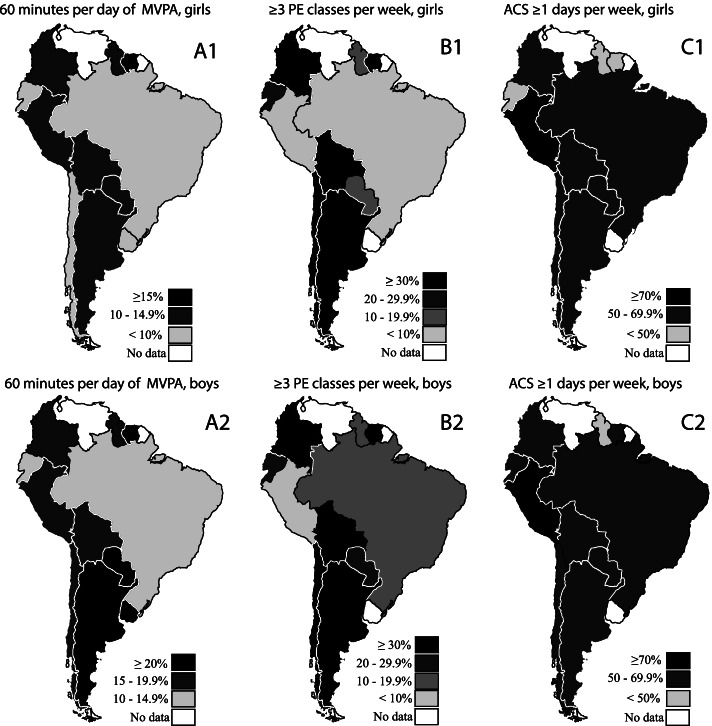
Methods: Data from national surveys of 11 South American countries were analyzed, and comprised information on 166,901 adolescents. PA (≥ 60 min/day of moderate-vigorous PA), physical education classes (PEC) (≥ 3 classes/wk), active commuting to school (≥ 1 d/wk), and higher sitting time (≥ 3 h/d) were self-reported. Sociodemographic correlates, such as gender, age, and food security status were explored using a random effect meta-analysis for logistic parameters.
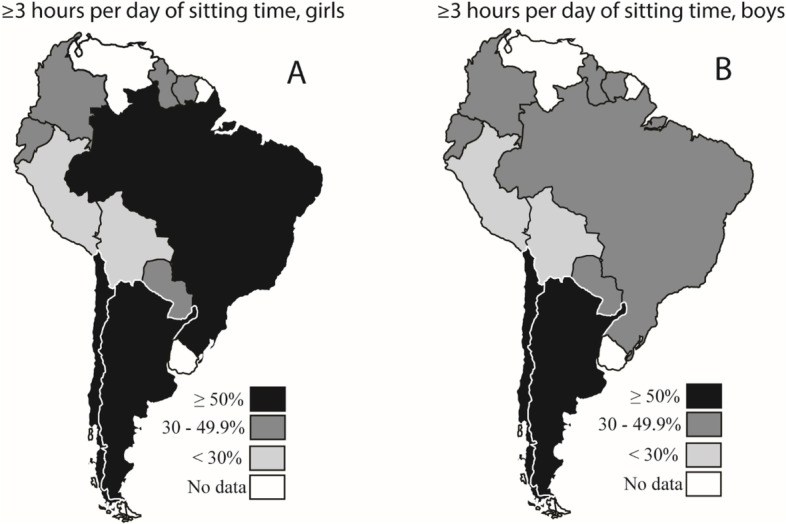
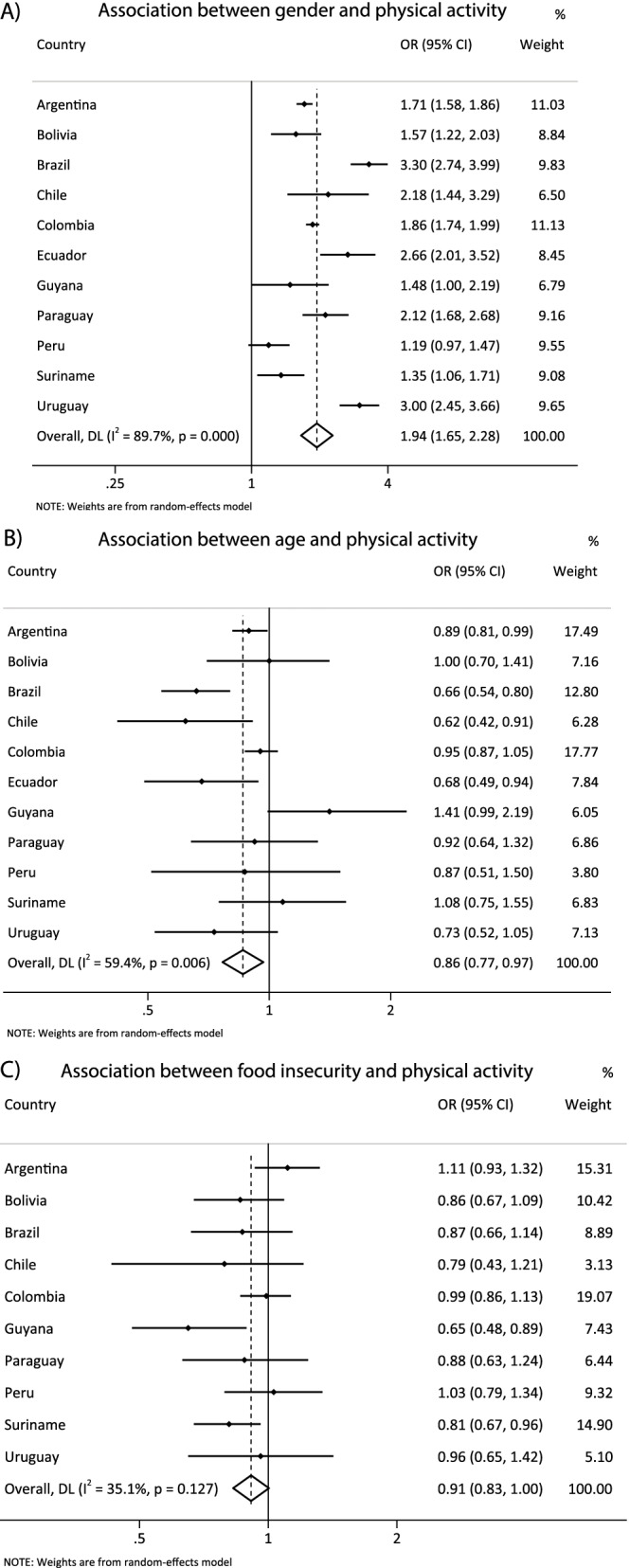
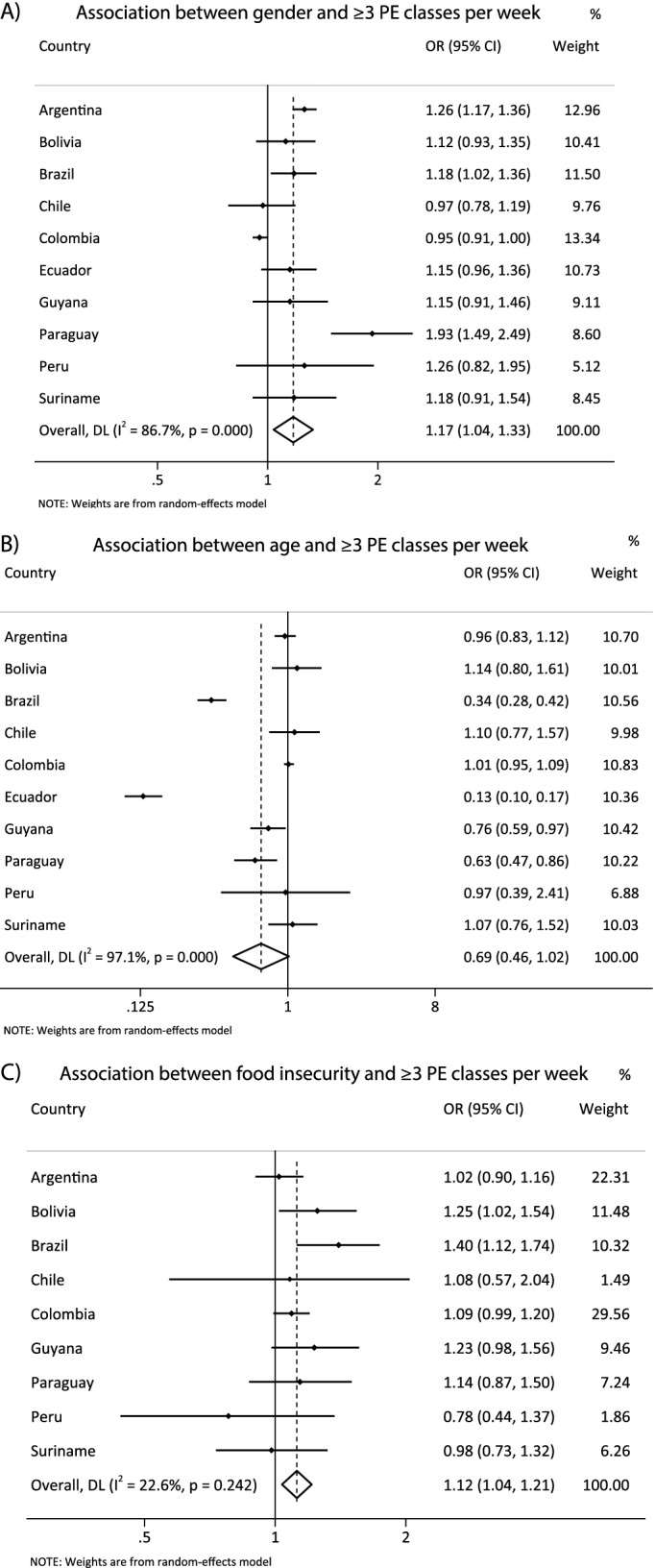
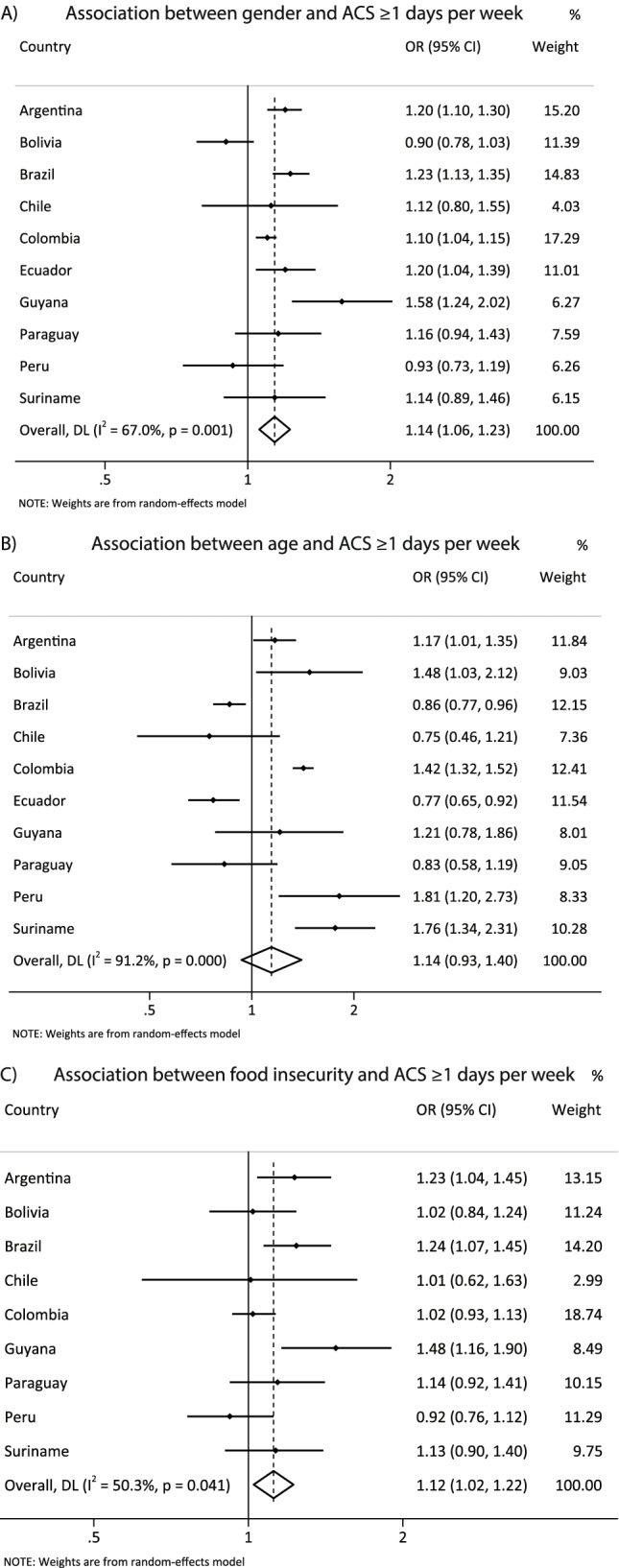
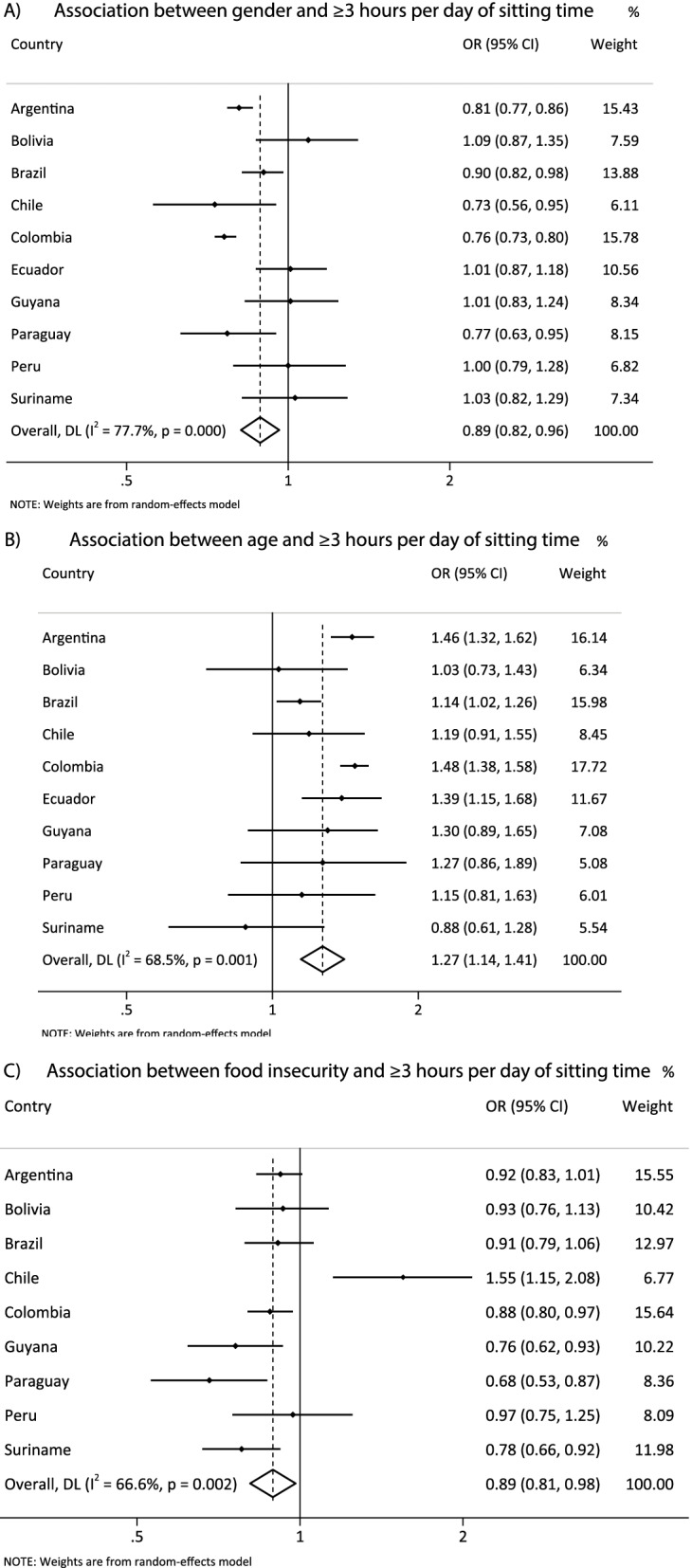
Results: Recommended PA ranged between 7.5% (Brazil) and 19.0% (Suriname). Peru (2.2%) and Guyana (43.1%) presented the lowest prevalence of PEC and active commuting to school, respectively. Higher sitting time was less prevalent in Bolivia (24.6%) and more prevalent in Argentina (55.6%). Compared to girls, boys were more prone to reach recommendations for PA [OR = 1.94(1.65;2.28)]; to reach ≥ 3 PEC [OR = 1.17(1.04;1.33)] and to be active in commuting to school [(OR = 1.14(1.06;1.23)], but less prone to higher sitting time [OR = 0.89(0.82;0.96)]. Older adolescents had less odds of reach PA guidelines [OR = 0.86(0.77; 0.97)] and accumulated higher sitting time [OR = 1.27(1.14;1.41)]. Adolescents with food insecurity reported more PEC [OR = 1.12(1.04;1.21)] and active commuting to school [OR = 1.12(1.02;1.22)] but had less higher sitting time than their food security pairs [OR = 0.89(0.81;0.98)].
Conclusions: Few adolescents reach the PA recommendation. Actions aiming the promotion of PA and the reduction of sitting time must consider girls and older adolescents as target groups, as well as the specifics of each country.
Keywords: Adolescence; Physical activity; Sedentary behavior; South America; Transportation.
© 2022. The Author(s).
Conflict of interest statement
The authors declare that they have no competing interests.
Figures
References
-
- Barker AR, Gracia-Marco L, Ruiz JR, Castillo MJ, Aparicio-Ugarriza R, González-Gross M, et al. Physical activity, sedentary time, TV viewing, physical fitness and cardiovascular disease risk in adolescents: the HELENA study. Int J Cardiol. 2018;254:303–309. doi: 10.1016/j.ijcard.2017.11.080. - DOI - PubMed
-
- Khan A, Lee E-Y, Rosenbaum S, Khan SR, Tremblay MS. Dose-dependent and joint associations between screen time, physical activity, and mental wellbeing in adolescents: an international observational study. Lancet Child Adolesc Heal. 2021;5(10):729–738. doi: 10.1016/S2352-4642(21)00200-5. - DOI - PubMed
-
- Hillman CH, Erickson KI, Hatfield BD. Run for your life! childhood physical activity effects on brain and cognition. Kinesiol Rev. 2017;6:12–21. doi: 10.1123/kr.2016-0034. - DOI
Publication types
MeSH terms
LinkOut - more resources
Full Text Sources
Medical
