


Formation of Salts and Molecular Ionic Cocrystals of Fluoroquinolones and α,ω-Dicarboxylic Acids
- PMID: 35529070
- PMCID: PMC9073931
- DOI: 10.1021/acs.cgd.1c01509
Formation of Salts and Molecular Ionic Cocrystals of Fluoroquinolones and α,ω-Dicarboxylic Acids
Abstract
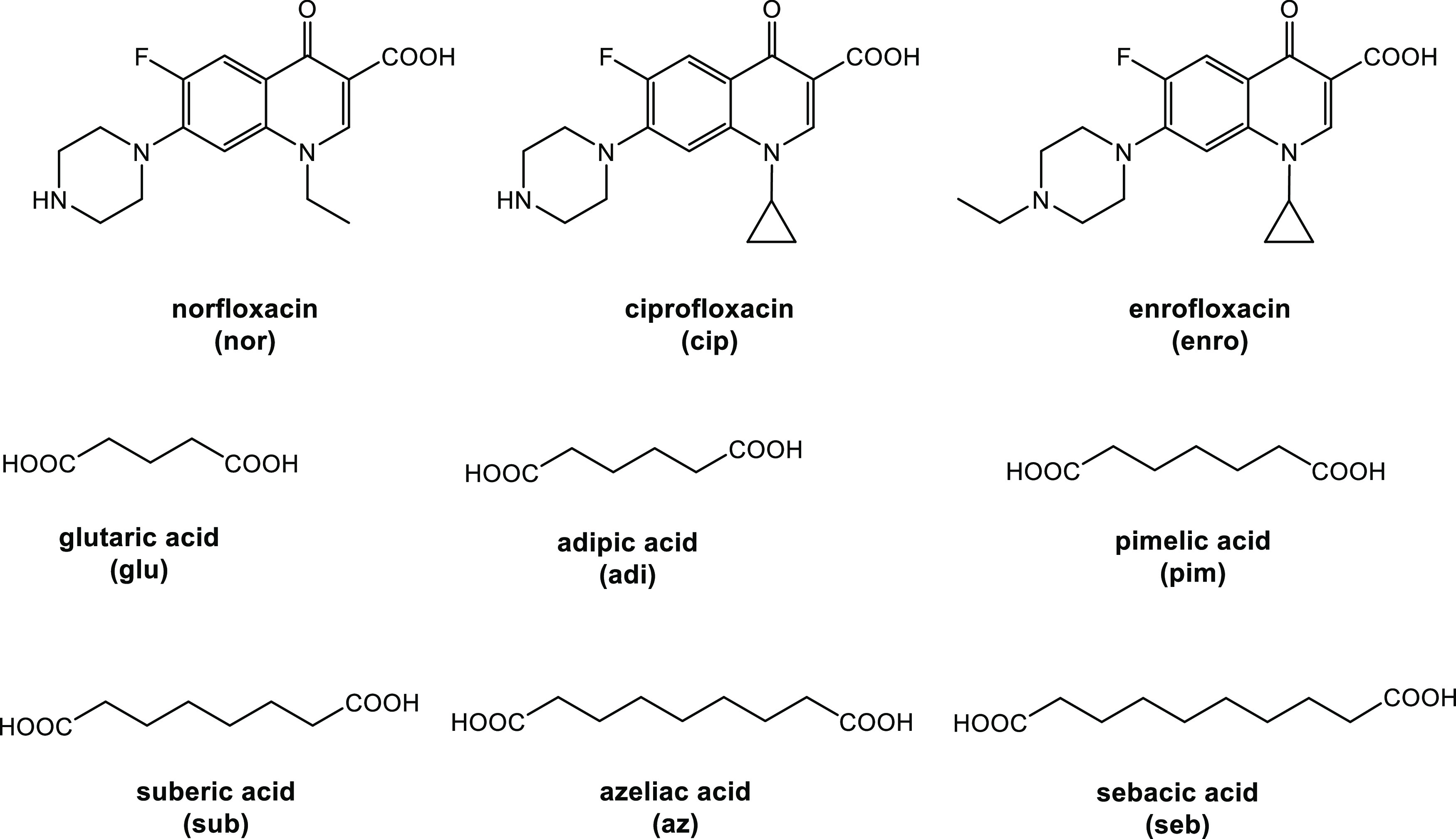
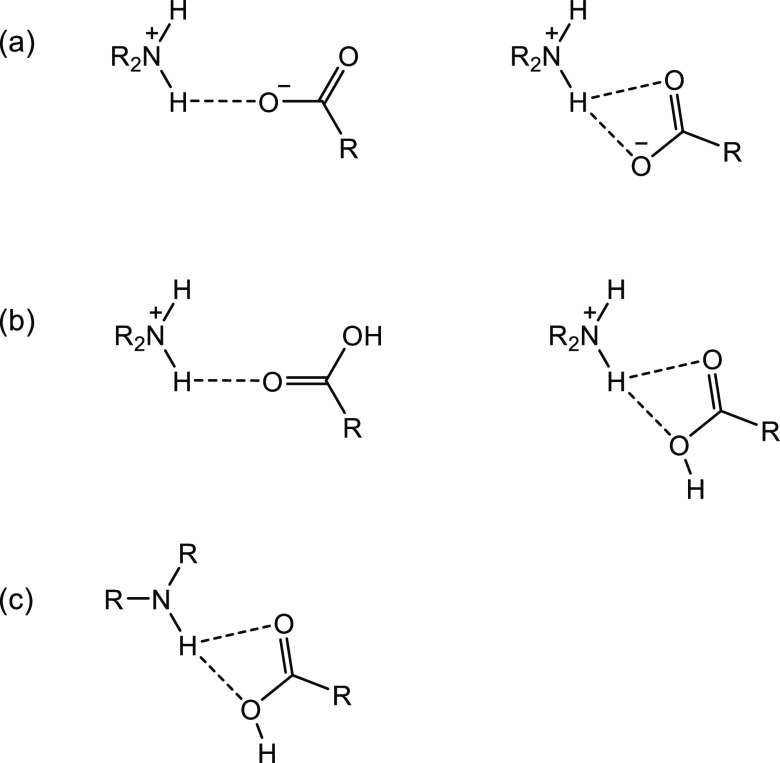
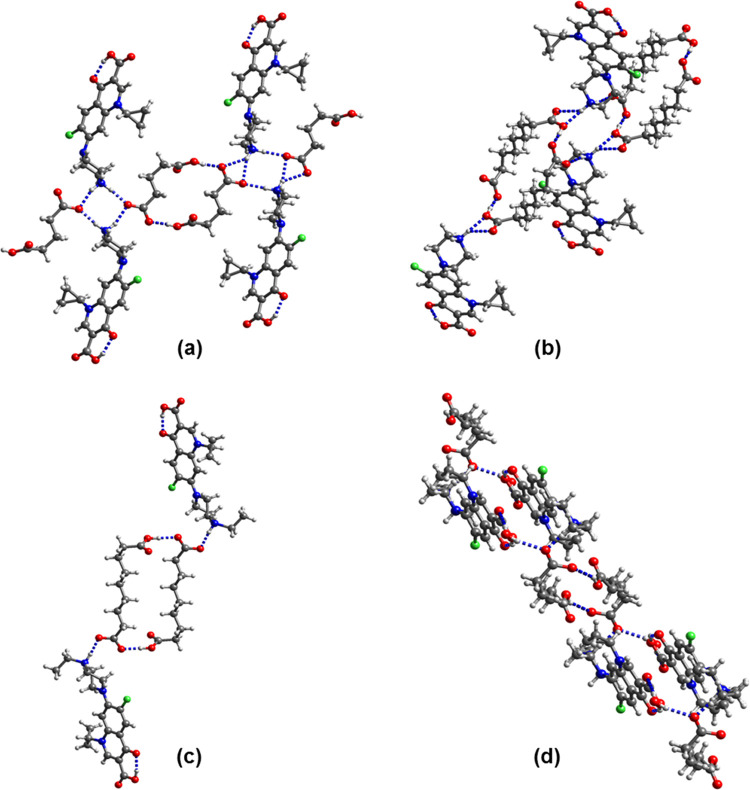
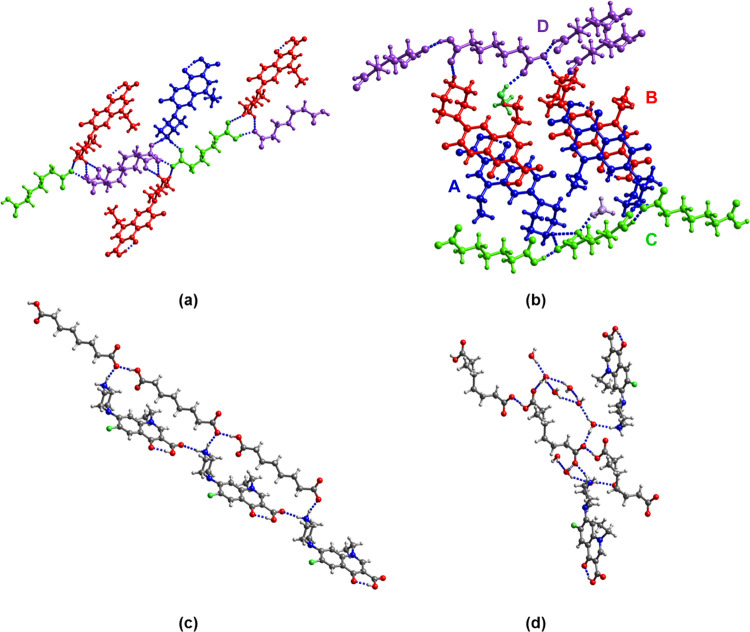
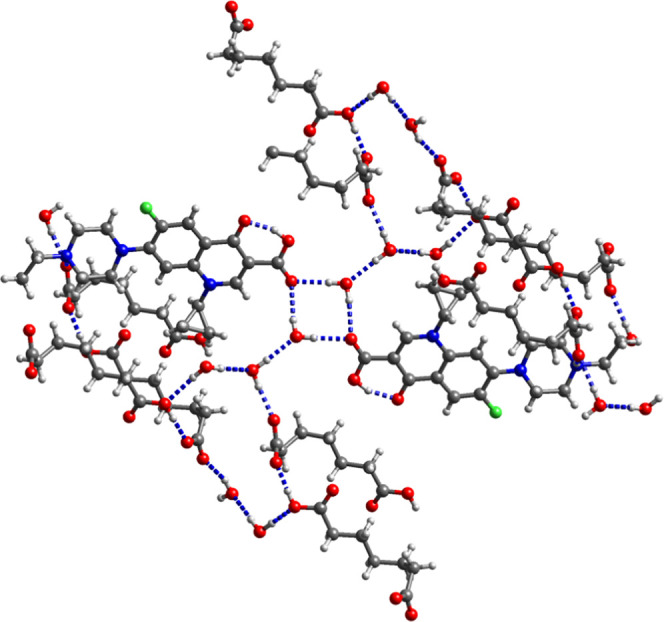
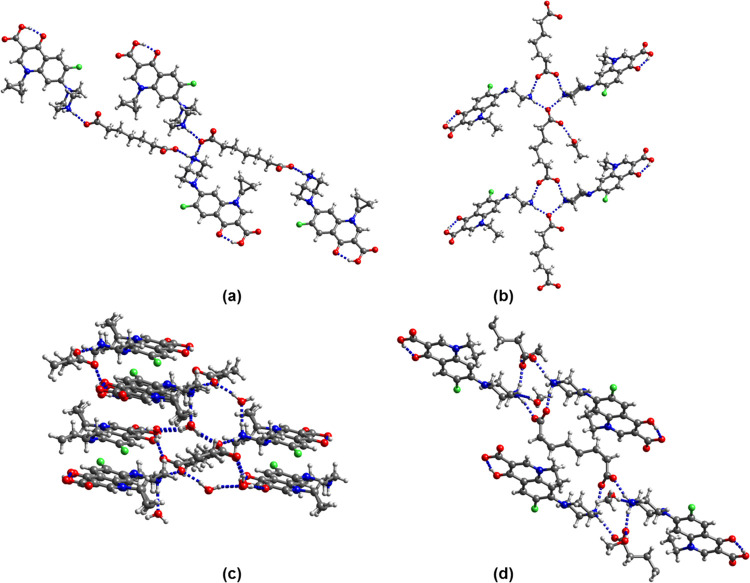
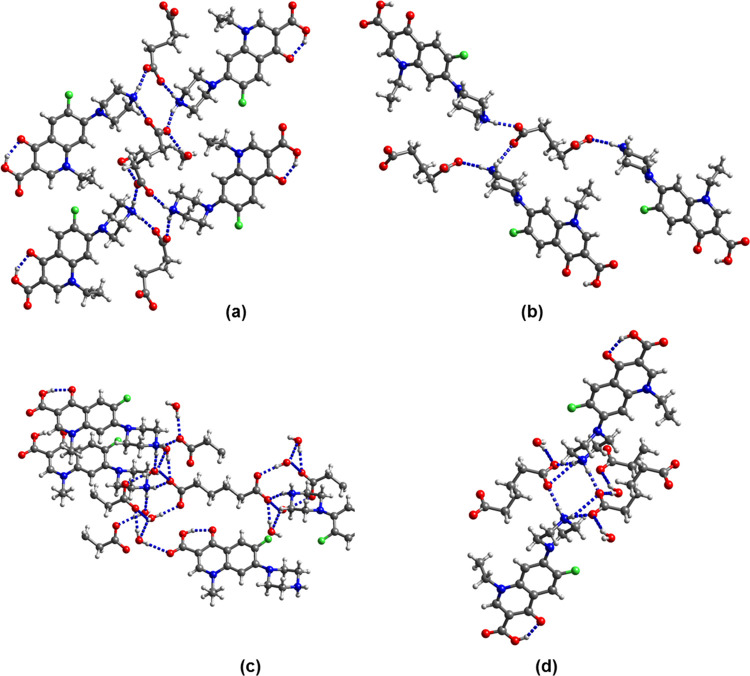
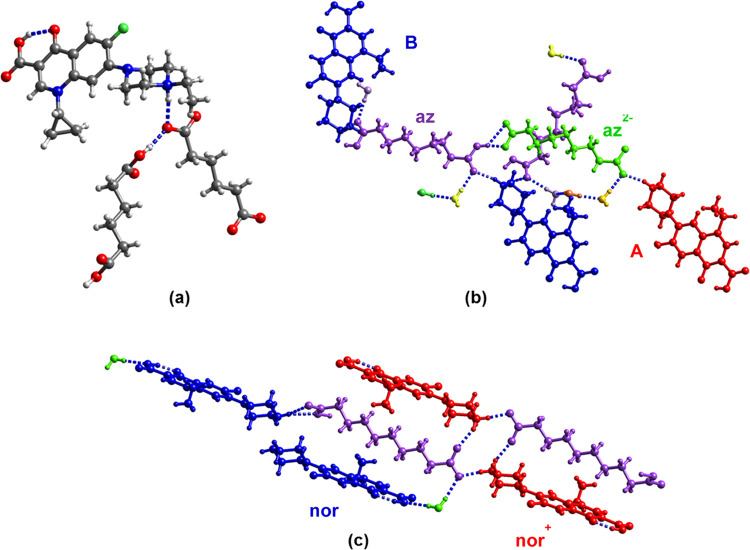
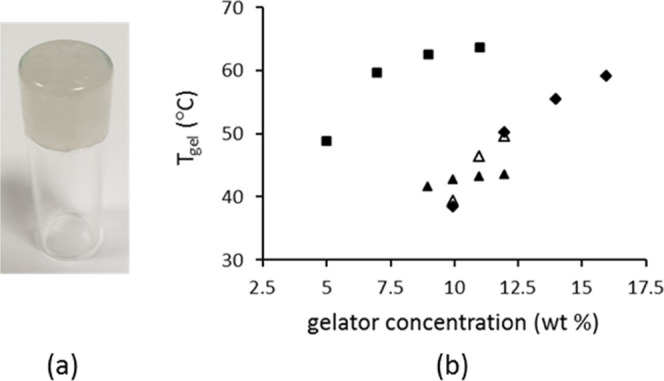
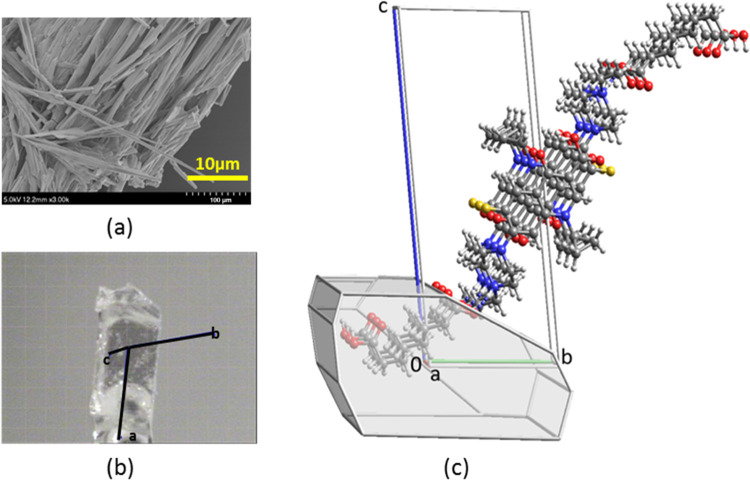
The cocrystallization of the fluoroquinolones ciprofloxacin (cip), norfloxacin (nor), and enrofloxacin (enro) with the α,ω-dicarboxylic acids glutaric acid (glu), adipic acid (adi), pimelic acid (pim), suberic acid (sub), azeliac acid (az), and sebacic acid (seb) resulted in 27 new molecular salts and ternary molecular ionic cocrystals of compositions A+B-, A2 +B2-, A2 +B2-B, and A+B-A. Depending on the solvent, different stoichiomorphs, solvates, or polymorphs were obtained. All salts and cocrystals contain the robust R2NH2 +...-OOC or R3NH+...-OOC synthon but have different supramolecular ring motifs. Moderate solubility enhancements over the parent fluoroquinolones were observed. Salts in the ratio of 1:1 and 2:1 were also prepared by ball-milling. The milled sample nor/az (1:1) was shown to gel the GRAS (generally recognized as safe) solvent propylene glycol, and enro/sub (1:1) was shown to gel both propylene glycol and water. Dynamic rheology measurements confirmed that nor/az and enro/sub behave like viscoelastic materials and supramolecular gels.
© 2022 The Authors. Published by American Chemical Society.
Conflict of interest statement
The authors declare no competing financial interest.
Figures
References
-
- Prabodh Chander S.; Ankit J.; Sander J. Fluoroquinolone antibacterials: a review on chemistry, microbiology and therapeutic prospects. Acta Pol. Pharm. 2009, 66, 587–604. - PubMed
-
- Pudipeddi M.; Serajuddin A. T. M.; Grant D. J. W.; Stahl P. H.. Handbook of Pharmaceutical Salts, Properties, Selection and Use; Stahl P. H.; Wermuth C. G., Eds.; Wiley-VCH: Weinheim, 2002; pp 19–40.
LinkOut - more resources
Full Text Sources