


Comprehensive computational analysis reveals H5N1 influenza virus-encoded miRNAs and host-specific targets associated with antiviral immune responses and protein binding
- PMID: 35533150
- PMCID: PMC9084522
- DOI: 10.1371/journal.pone.0263901
Comprehensive computational analysis reveals H5N1 influenza virus-encoded miRNAs and host-specific targets associated with antiviral immune responses and protein binding
Retraction in
-
Retraction: Comprehensive computational analysis reveals H5N1 influenza virus-encoded miRNAs and host-specific targets associated with antiviral immune responses and protein binding.PLoS One. 2025 May 23;20(5):e0325170. doi: 10.1371/journal.pone.0325170. eCollection 2025. PLoS One. 2025. PMID: 40408312 Free PMC article. No abstract available.
Abstract
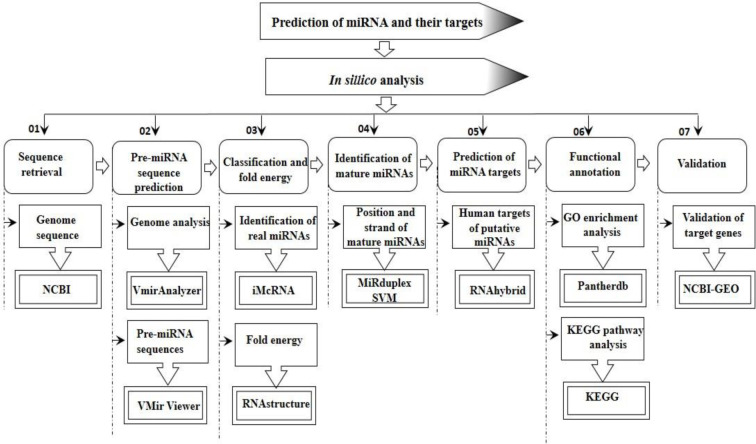
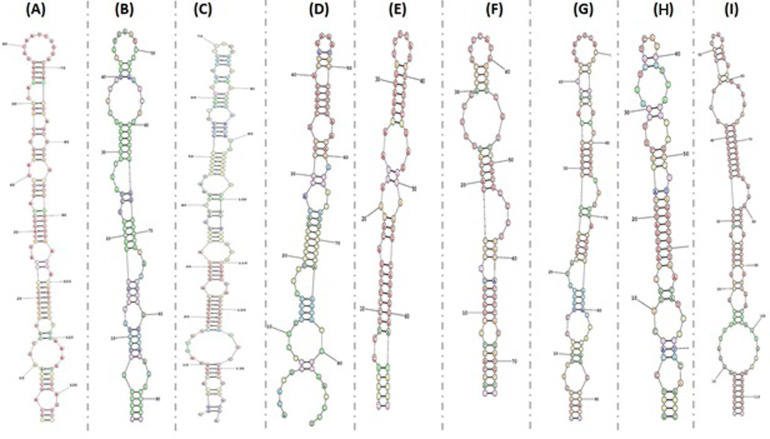
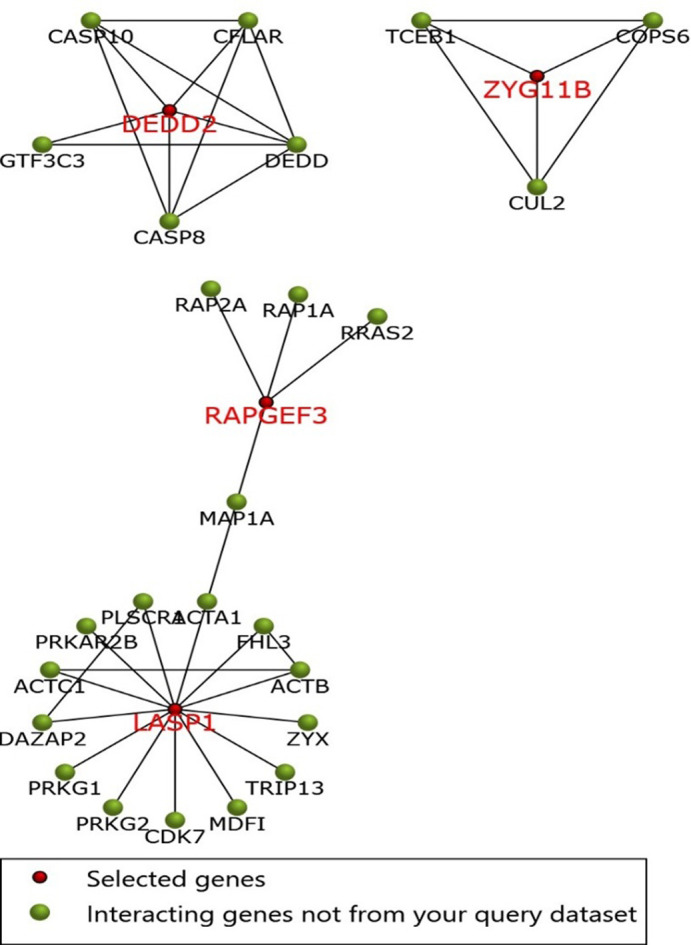
H5N1 virus (H5N1V) is highly contagious among birds and it was first detected in humans in 1997 during a poultry outbreak in Hong Kong. As the mechanism of its pathogenesis inside the host is still lacking, in this in-silico study we hypothesized that H5N1V might create miRNAs, which could target the genes associated with host cellular regulatory pathways, thus provide persistent refuge to the virus. Using bioinformatics approaches, several H5N1V produced putative miRNAs as well as the host genes targeted by these miRNAs were found. Functional enrichment analysis of targeted genes revealed their involvement in many biological pathways that facilitate their host pathogenesis. Eventually, the microarray dataset (GSE28166) was analyzed to validate the altered expression level of target genes and found the genes involved in protein binding and adaptive immune responses. This study presents novel miRNAs and their targeted genes, which upon experimental validation could facilitate in developing new therapeutics against H5N1V infection.
Conflict of interest statement
The authors have declared that no competing interests exist.
Figures
References
-
- Noor F, Ashfaq UA, Javed MR, Saleem MH, Ahmad A, Aslam MF, et al.. Comprehensive computational analysis reveals human respiratory syncytial virus encoded microRNA and host specific target genes associated with antiviral immune responses and protein binding. Journal of King Saud University-Science. 2021;33(7):101562.
Publication types
MeSH terms
Substances
LinkOut - more resources
Full Text Sources
Medical
Research Materials
