


Partial restoration of spinal cord neural continuity via vascular pedicle hemisected spinal cord transplantation using spinal cord fusion technique
- PMID: 35545932
- PMCID: PMC9253790
- DOI: 10.1111/cns.13853
Partial restoration of spinal cord neural continuity via vascular pedicle hemisected spinal cord transplantation using spinal cord fusion technique
Abstract
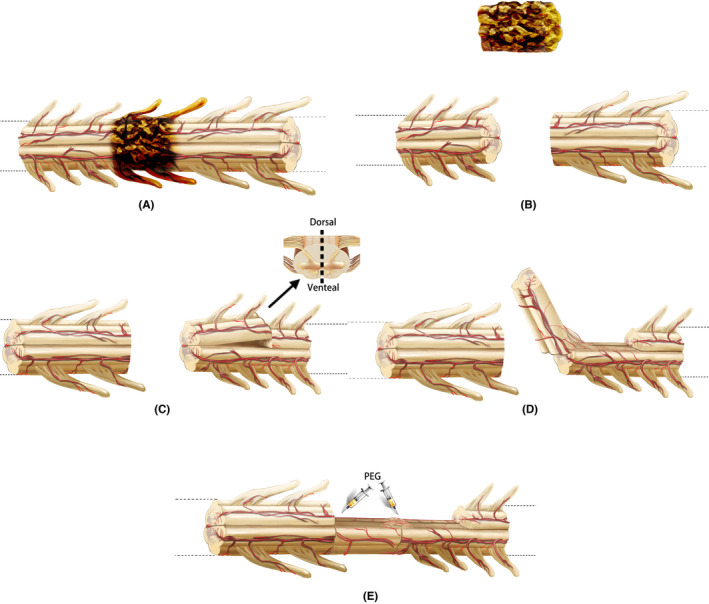
Aims: Our team tested spinal cord fusion (SCF) using the neuroprotective agent polyethylene glycol (PEG) in different animal (mice, rats, and beagles) models with complete spinal cord transection. To further explore the application of SCF for the treatment of paraplegic patients, we developed a new clinical procedure for SCF called vascular pedicle hemisected spinal cord transplantation (vSCT) and tested this procedure in eight paraplegic participants.
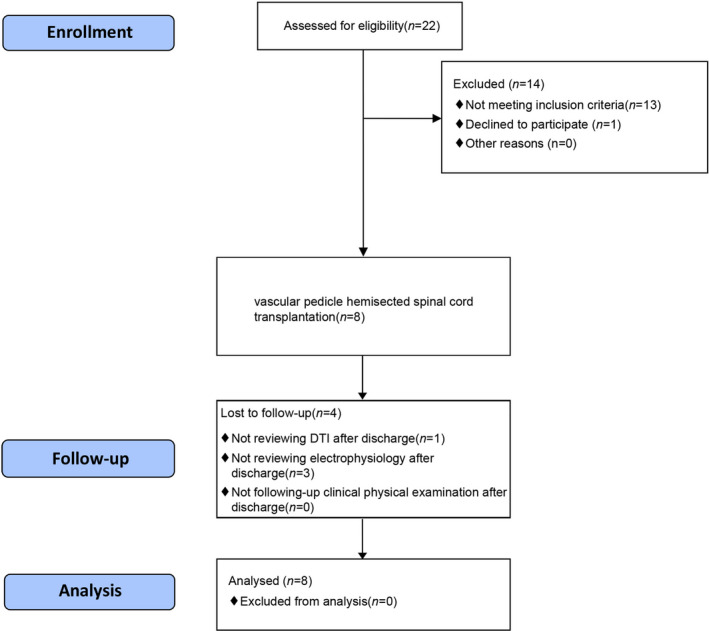
Methods: Eight paraplegic participants (American Spinal Injury Association, ASIA: A) were enrolled and treated with vSCT (PEG was applied to the sites of spinal cord transplantation). Pre- and postoperative pain intensities, neurologic assessments, electrophysiologic monitoring, and neuroimaging examinations were recorded.
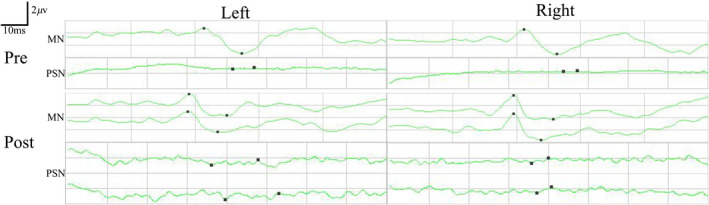
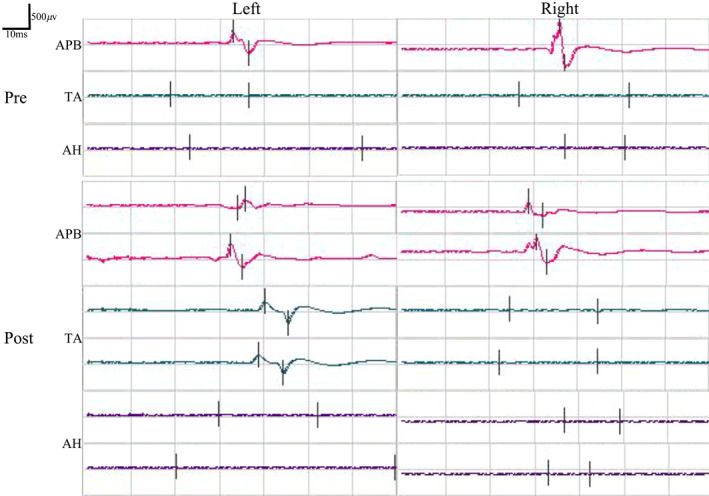
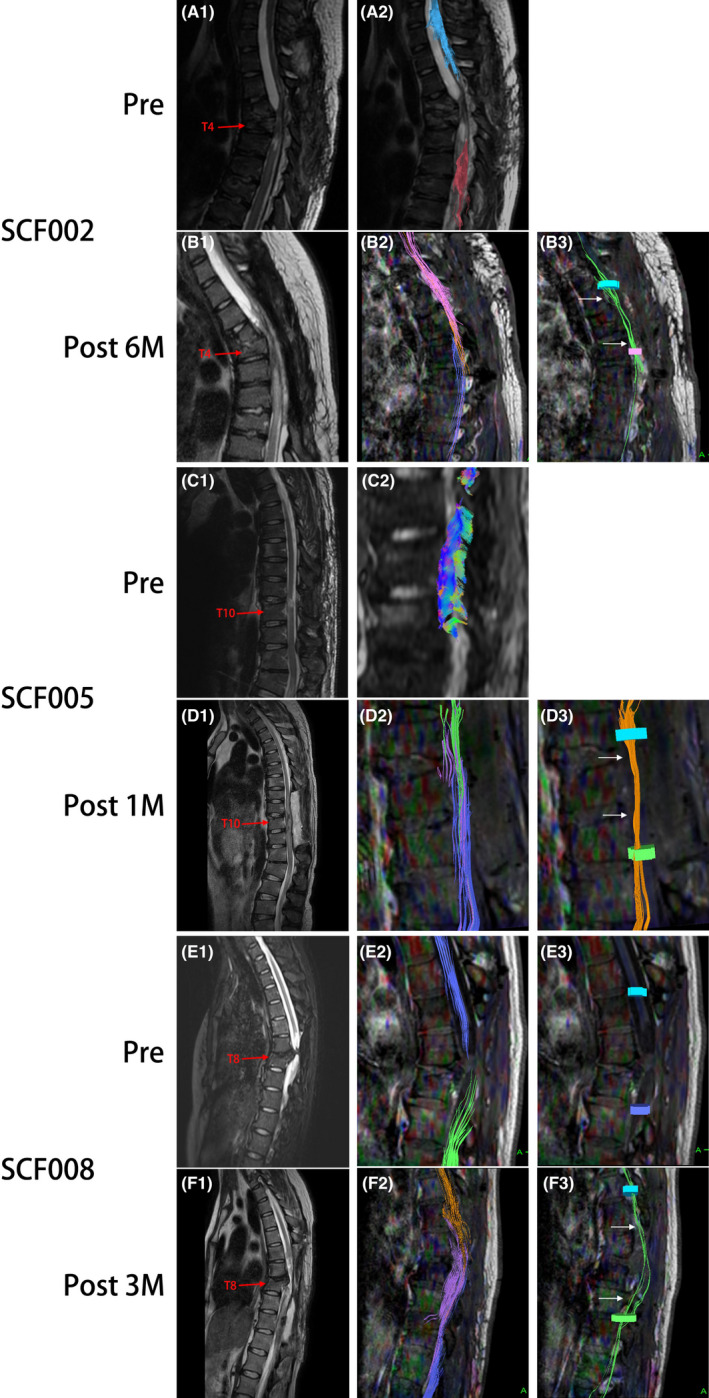
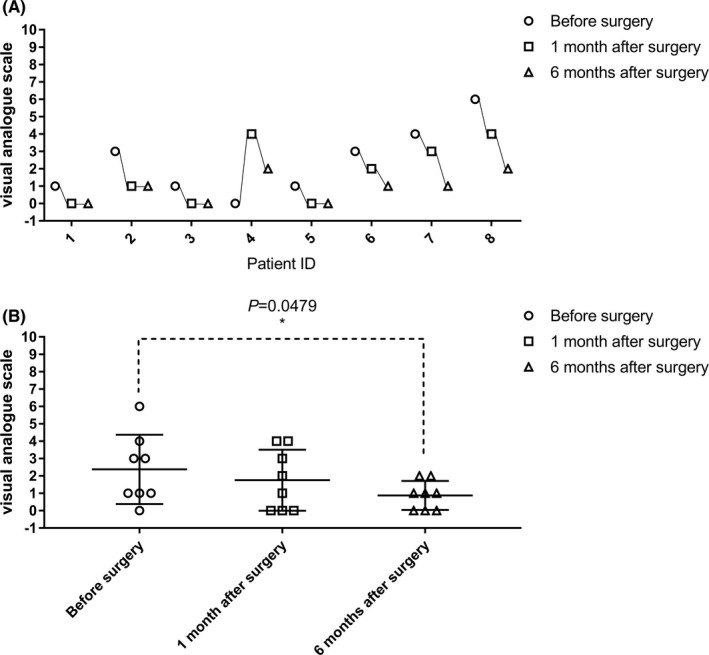
Results: Of the eight paraplegic participants who completed vSCT, objective improvements occurred in motor function for one participant, in electrophysiologic motor-evoked potentials for another participant, in re-establishment of white matter continuity in three participants, in autonomic nerve function in seven participants, and in symptoms of cord central pain for seven participants.
Conclusions: The postoperative recovery of paraplegic participants demonstrated the clinical feasibility and efficacy of vSCT in re-establishing the continuity of spinal nerve fibers. vSCT could provide the anatomic, morphologic, and histologic foundations to potentially restore the motor, sensory, and autonomic nervous functions in paraplegic patients. More future clinical trials are warranted.
Keywords: GEMINI; clinic trial; polyethylene glycol; spinal cord fusion; spinal cord injury.
© 2022 The Authors. CNS Neuroscience & Therapeutics published by John Wiley & Sons Ltd.
Conflict of interest statement
The authors declare that they have no conflict of interest.
Figures
References
Publication types
MeSH terms
Substances
LinkOut - more resources
Full Text Sources
Medical
