


LncRNA OIP5-AS1 inhibits the lipopolysaccharide-induced inflammatory response and promotes osteogenic differentiation of human periodontal ligament cells by sponging miR-92a-3p
- PMID: 35546327
- PMCID: PMC9276041
- DOI: 10.1080/21655979.2022.2067291
LncRNA OIP5-AS1 inhibits the lipopolysaccharide-induced inflammatory response and promotes osteogenic differentiation of human periodontal ligament cells by sponging miR-92a-3p
Abstract
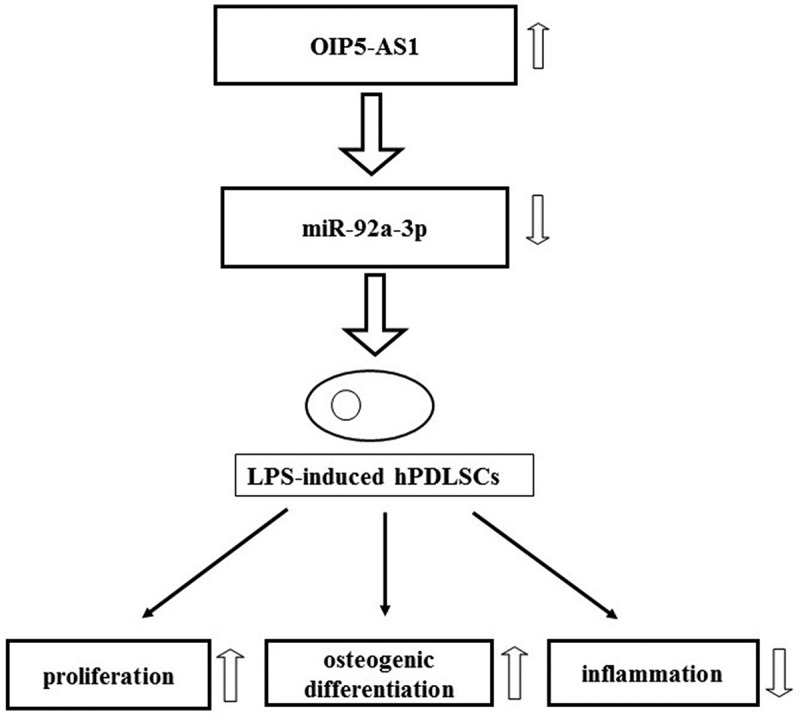
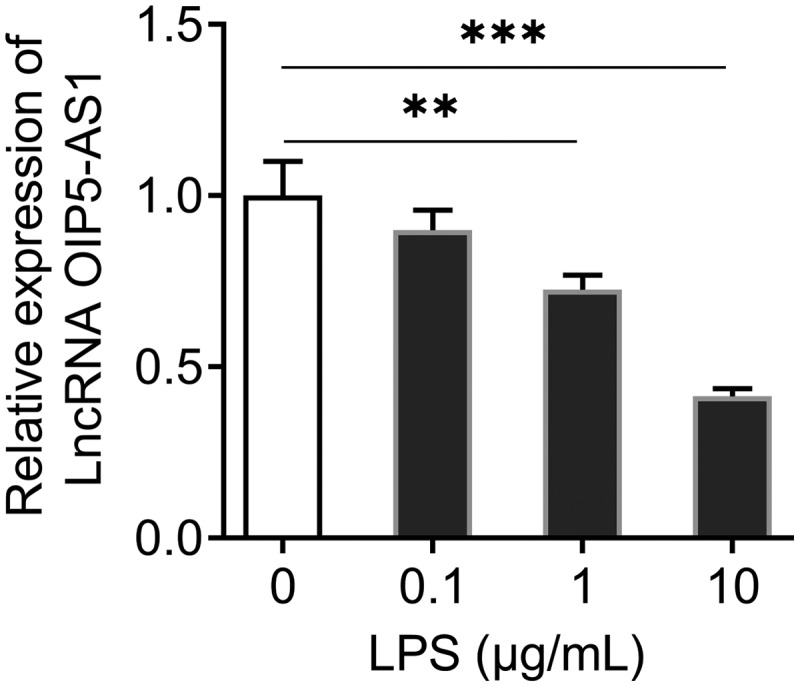
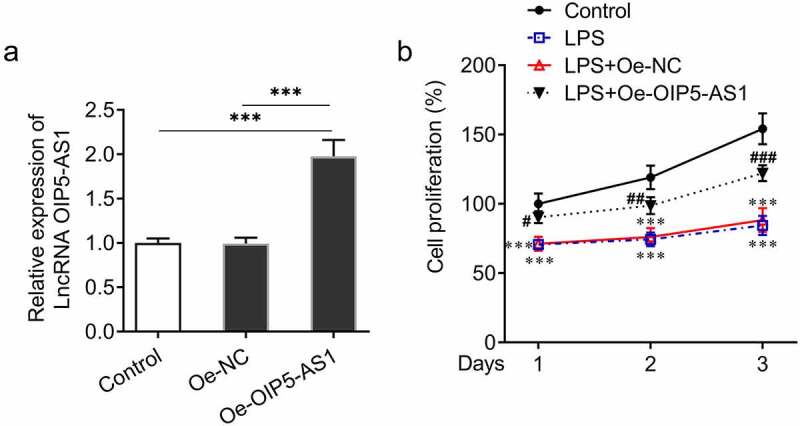
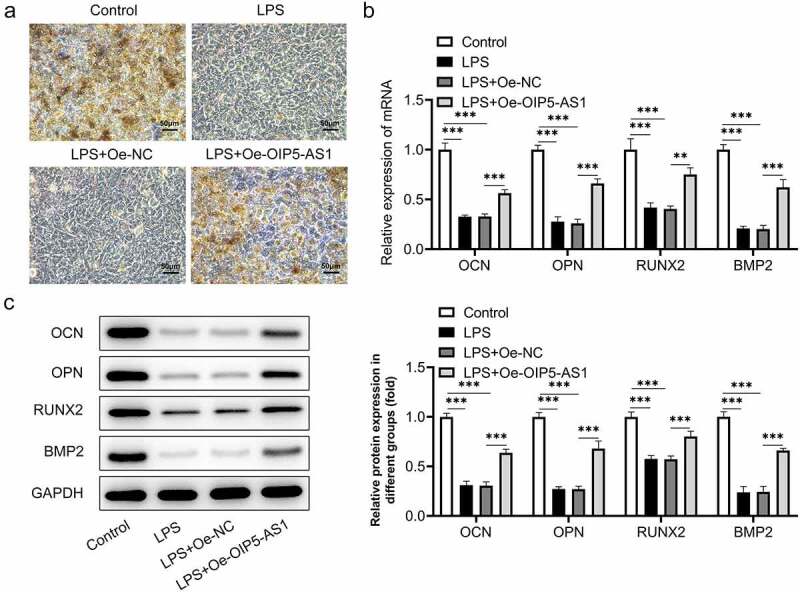
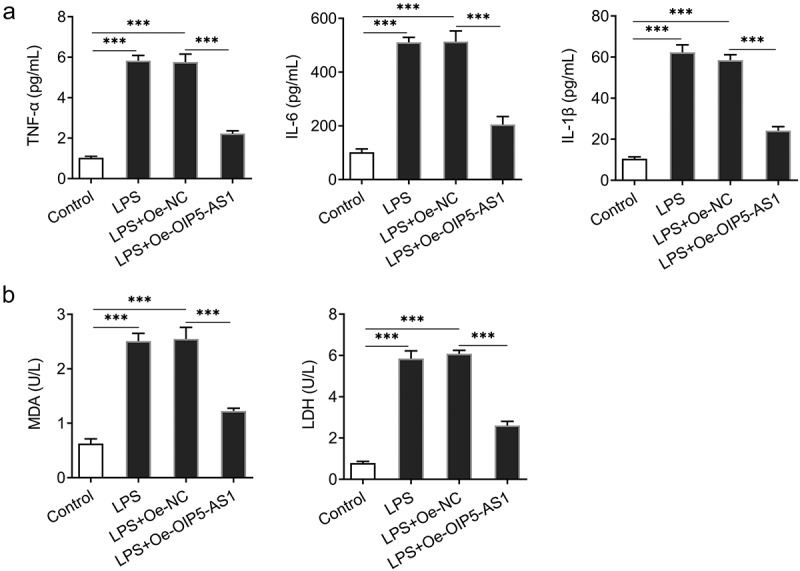
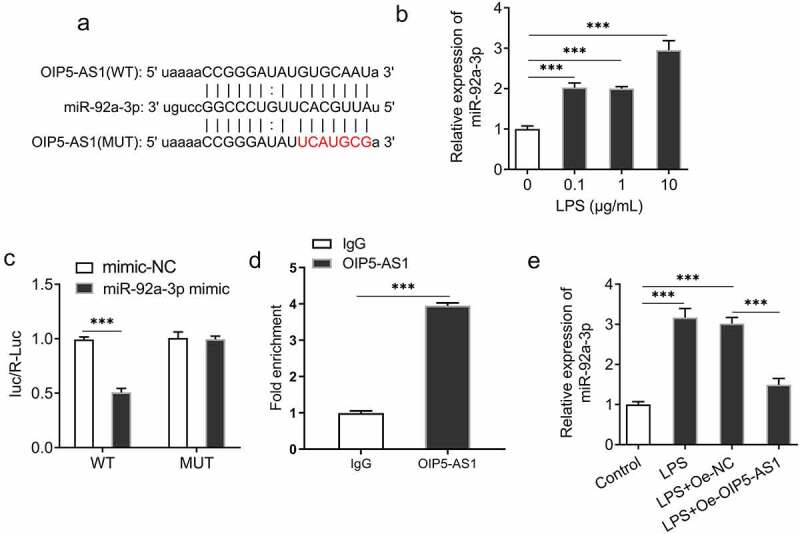
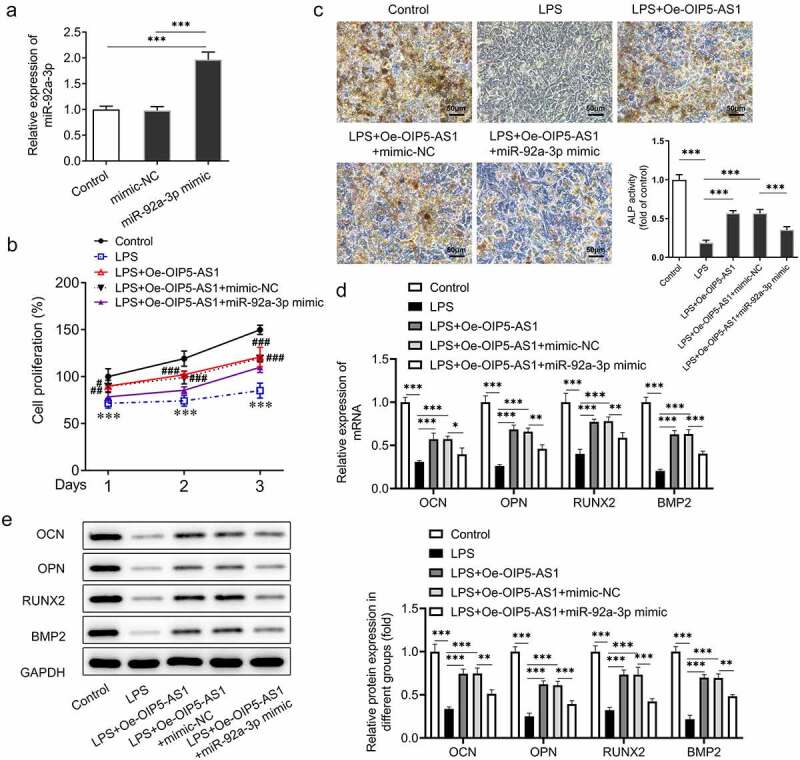
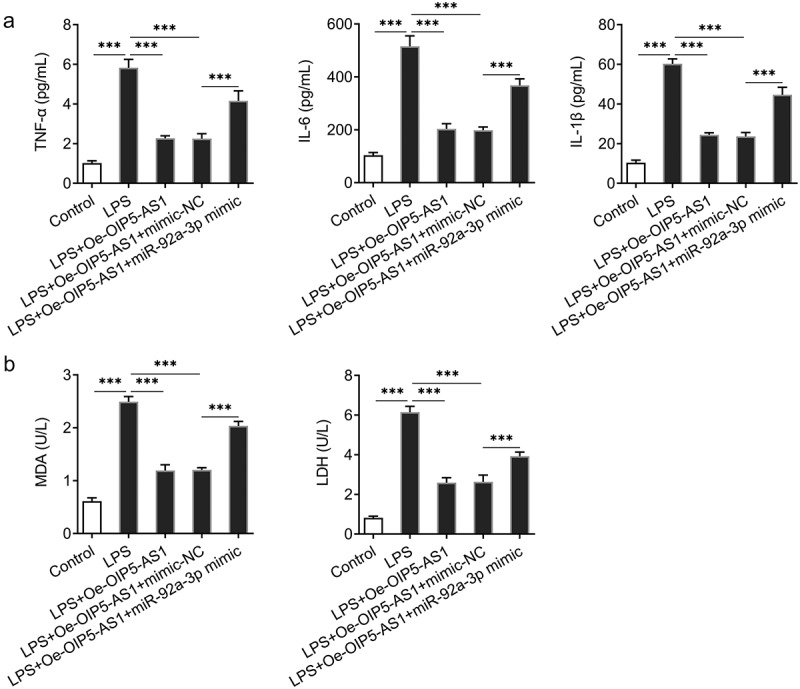
Periodontitis is a chronic infectious disease that affects the oral health of adults. Long non-coding RNA OIP5 antisense RNA 1 (OIP5-AS1) has been reported to downregulated in the periodontal tissue of patients with periodontitis. Therefore, the study sought to look at the possible functions of OIP5-AS1 in periodontitis and the associated underlying mechanisms. In the present study, the expression level of OIP5-AS1 and microRNA-92a-3p were analyzed using reverse transcription-quantitative PCR. The levels of osteogenic proteins were determined using western blotting and inflammatory cytokines and oxidative stress were also examined. The proliferation of human periodontal ligament stem cells (hPDLSCs) was evaluated using MTT assays. Assay of osteogenic differentiation was undertaken by means of Alkaline phosphatase staining. The possible association between OIP5-AS1 and miR-92a-3p was determined applying dual-luciferase reporter assays and verified by RNA immunoprecipitation assay. We found that OIP5-AS1 was expressed at low levels in lipopolysaccharide (LPS)-stimulated hPDLSCs. OIP5-AS1 overexpression promoted proliferation and osteogenic differentiation ability and reduced LPS-induced inflammation in hPDLSCs. Furthermore, OIP5-AS1 directly targeted and reduced miR-92a-3p expression. The overexpression of miR-92a-3p partly abolished the effects of OIP5-AS1 on LPS-induced cell proliferation and osteogenic differentiation as well as inflammation in hPDLSCs. Collectively, the results indicated that OIP5-AS1 overexpression inhibited the LPS-induced inflammatory response and promoted the osteogenic differentiation of hPDLSCs by sponging miR-92a-3p. Thus, OIP5-AS1 is probably an essential objective for research during periodontitis treatment.
Keywords: Long non-coding RNA OIP5 antisense RNA 1; human periodontal ligament cells; inflammation; microRNA-92a-3p; osteogenic differentiation; periodontitis.
Conflict of interest statement
No potential conflict of interest was reported by the author(s).
Figures
References
-
- Bustamante M, Oomah BD, Mosi-Roa Y, et al. Probiotics as an adjunct therapy for the treatment of halitosis, dental caries and periodontitis. Probiotics Antimicrob Proteins. 2020;12(2):325–334. - PubMed
-
- Han Y, Wang F, Shao L, et al. LncRNA TUG1 mediates lipopolysaccharide-induced proliferative inhibition and apoptosis of human periodontal ligament cells by sponging miR-132. Acta Biochim Biophys Sin (Shanghai). 2019;51(12):1208–1215. - PubMed
-
- Xu Y, Ren C, Zhao X, et al. microRNA-132 inhibits osteogenic differentiation of periodontal ligament stem cells via GDF5 and the NF-B signaling pathway. Pathol Res Pract. 2019;215(12):152722. - PubMed
-
- Haririan H, Andrukhov O, B٦ttcher M, et al. Salivary neuropeptides, stress, and periodontitis. J Periodontol. 2018;89(1):9–18. - PubMed
MeSH terms
Substances
LinkOut - more resources
Full Text Sources
Other Literature Sources
