


Dent-2 disease with a Bartter-like phenotype caused by the Asp631Glu mutation in the OCRL gene
- PMID: 35549682
- PMCID: PMC9097321
- DOI: 10.1186/s12882-022-02812-9
Dent-2 disease with a Bartter-like phenotype caused by the Asp631Glu mutation in the OCRL gene
Abstract
Background: Dent disease is an X-linked disorder characterized by low molecular weight proteinuria (LMWP), hypercalciuria, nephrolithiasis and chronic kidney disease (CKD). It is caused by mutations in the chloride voltage-gated channel 5 (CLCN5) gene (Dent disease-1), or in the OCRL gene (Dent disease-2). It is associated with chronic metabolic acidosis; however metabolic alkalosis has rarely been reported.
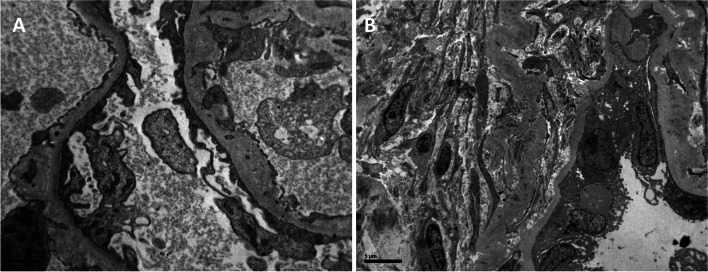
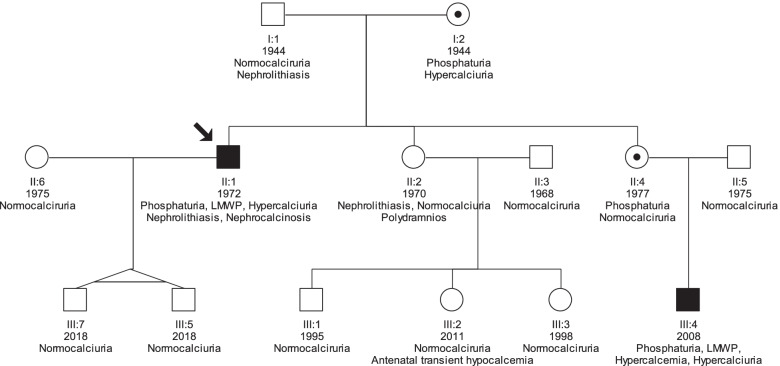
Case presentation: We present a family with Dent-2 disease and a Bartter-like phenotype. The main clinical problems observed in the proband included a) primary phosphaturia leading to osteomalacia and stunted growth; b) elevated serum calcitriol levels, leading to hypercalcemia, hypercalciuria, nephrolithiasis and nephrocalcinosis; c) severe salt wasting causing hypotension, hyperaldosteronism, hypokalemia and metabolic alkalosis; d) partial nephrogenic diabetes insipidus attributed to hypercalcemia, hypokalemia and nephrocalcinosis; e) albuminuria, LMWP. Phosphorous repletion resulted in abrupt cessation of hypercalciuria and significant improvement of hypophosphatemia, physical stamina and bone histology. Years later, he presented progressive CKD with nephrotic range proteinuria attributed to focal segmental glomerulosclerosis (FSGS). Targeted genetic analysis for several phosphaturic diseases was unsuccessful. Whole Exome Sequencing (WES) revealed a c.1893C > A variant (Asp631Glu) in the OCRL gene which was co-segregated with the disease in male family members.
Conclusions: We present the clinical characteristics of the Asp631Glu mutation in the OCRL gene, presenting as Dent-2 disease with Bartter-like features. Phosphorous repletion resulted in significant improvement of all clinical features except for progressive CKD. Angiotensin blockade improved proteinuria and stabilized kidney function for several years.
Keywords: Bartter syndrome; Case report; Dent disease; OCRL.
© 2022. The Author(s).
Conflict of interest statement
The authors declare that they have no competing interests.
Figures
References
Publication types
MeSH terms
Substances
LinkOut - more resources
Full Text Sources
Medical
