


Machine learning-based optimization of pre-symptomatic COVID-19 detection through smartwatch
- PMID: 35550526
- PMCID: PMC9097889
- DOI: 10.1038/s41598-022-11329-y
Machine learning-based optimization of pre-symptomatic COVID-19 detection through smartwatch
Abstract
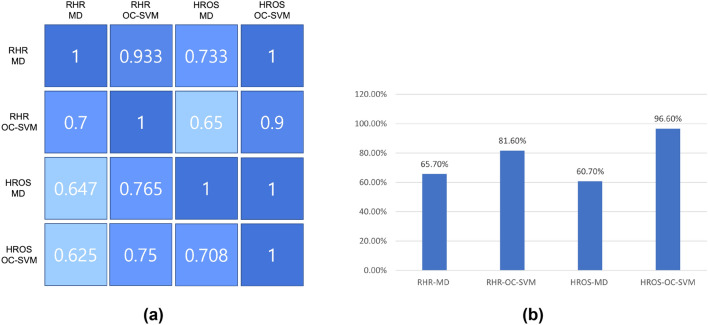
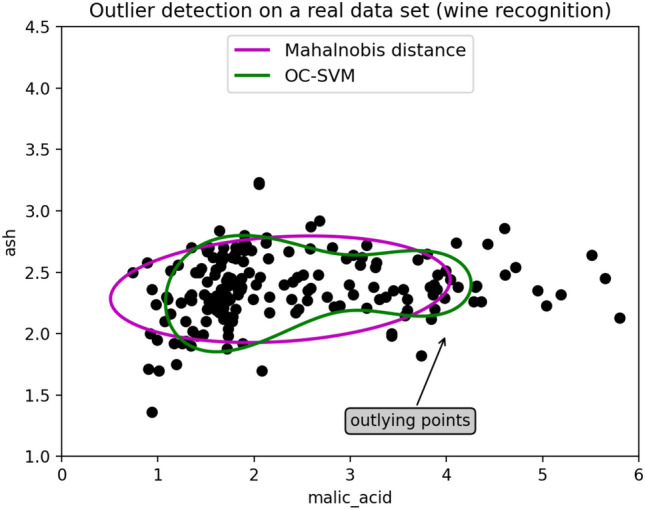
Patients with weak or no symptoms accelerate the spread of COVID-19 through various mutations and require more aggressive and active means of validating the COVID-19 infection. More than 30% of patients are reported as asymptomatic infection after the delta mutation spread in Korea. It means that there is a need for a means to more actively and accurately validate the infection of the epidemic via pre-symptomatic detection, besides confirming the infection via the symptoms. Mishara et al. (Nat Biomed Eng 4, 1208-1220, 2020) reported that physiological data collected from smartwatches could be an indicator to suspect COVID-19 infection. It shows that it is possible to identify an abnormal state suspected of COVID-19 by applying an anomaly detection method for the smartwatch's physiological data and identifying the subject's abnormal state to be observed. This paper proposes to apply the One Class-Support Vector Machine (OC-SVM) for pre-symptomatic COVID-19 detection. We show that OC-SVM can provide better performance than the Mahalanobis distance-based method used by Mishara et al. (Nat Biomed Eng 4, 1208-1220, 2020) in three aspects: earlier (23.5-40% earlier) and more detection (13.2-19.1% relative better) and fewer false positives. As a result, we could conclude that OC-SVM using Resting Heart Rate (RHR) with 350 and 300 moving average size is the most recommended technique for COVID-19 pre-symptomatic detection based on physiological data from the smartwatch.
© 2022. The Author(s).
Conflict of interest statement
The authors declare no competing interests.
Figures


References
Publication types
MeSH terms
LinkOut - more resources
Full Text Sources
Other Literature Sources
Medical
Research Materials
