


Novel pfk13 polymorphisms in Plasmodium falciparum population in Ghana
- PMID: 35551239
- PMCID: PMC9098865
- DOI: 10.1038/s41598-022-11790-9
Novel pfk13 polymorphisms in Plasmodium falciparum population in Ghana
Abstract
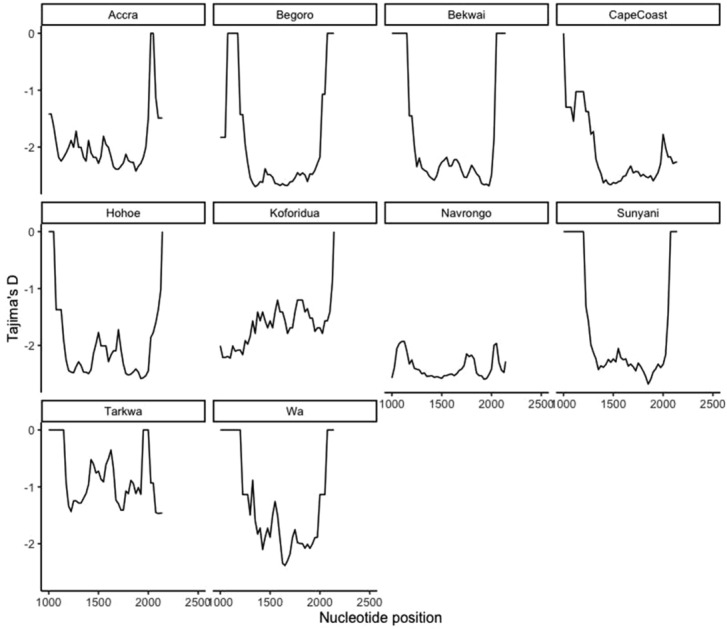
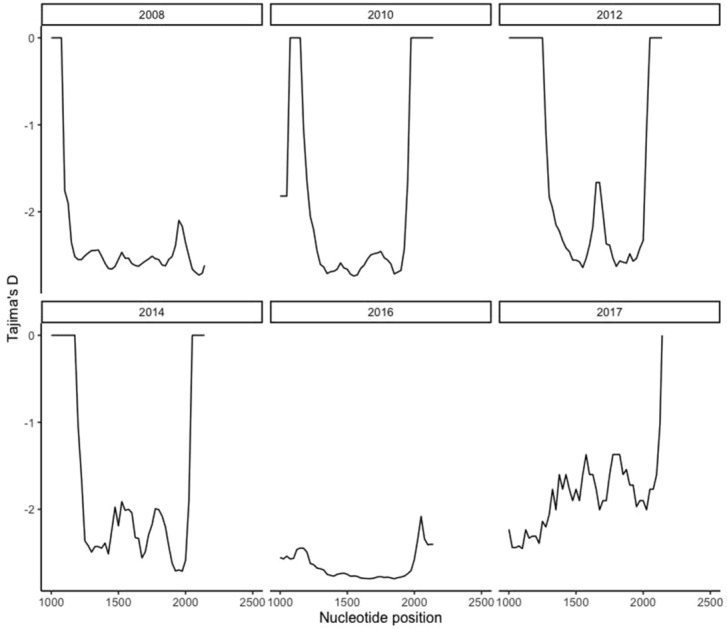
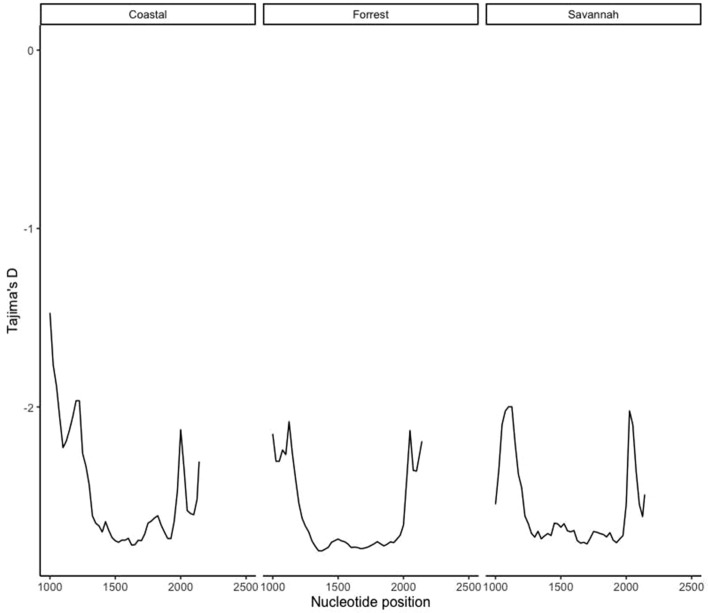
The molecular determinants of Plasmodium falciparum artemisinin resistance are the single nucleotide polymorphisms in the parasite's kelch propeller domain, pfk13. Validated and candidate markers are under surveillance in malaria endemic countries using artemisinin-based combination therapy. However, pfk13 mutations which may confer parasite artemisinin resistance in Africa remains elusive. It has therefore become imperative to report all observed pfk13 gene polymorphisms in malaria therapeutic efficacy studies for functional characterization. We herein report all novel pfk13 mutations observed only in the Ghanaian parasite population. In all, 977 archived samples from children aged 12 years and below with uncomplicated malaria from 2007 to 2017 were used. PCR/Sanger sequencing analysis revealed 78% (763/977) of the samples analyzed were wild type (WT) for pfk13 gene. Of the 214 (22%) mutants, 78 were novel mutations observed only in Ghana. The novel SNPs include R404G, P413H, N458D/H/I, C473W/S, R529I, M579T/Y, C580R/V, D584L, N585H/I, Q661G/L. Some of the mutations were sites and ecological zones specific. There was low nucleotide diversity and purifying selection at the pfk13 locus in Ghanaian parasite population. With increasing drug pressure and its consequent parasite resistance, documenting these mutations as baseline data is crucial for future molecular surveillance of P. falciparum resistance to artemisinin in Ghana.
© 2022. The Author(s).
Conflict of interest statement
The authors declare no competing interests.
Figures
References
-
- WHO . World Malaria Report 2020. Geneva: World Health Organization; 2020.
-
- WHO . Antimalarial Drug Combination Therapy Report of a WHO Technical Consultation. Geneva: World Health Organization; 2001.
-
- WHO . Artemisinin Resistance and Artemisinin-Based Combination Therapy Efficacy. Geneva: World Health Organization; 2018.
Publication types
MeSH terms
Substances
LinkOut - more resources
Full Text Sources
