


Comparisons Between COVID-19 Stigma and Other Stigmas: Distinct in Explicit Attitudes and Similar in Implicit Process
- PMID: 35558720
- PMCID: PMC9087195
- DOI: 10.3389/fpsyg.2022.848993
Comparisons Between COVID-19 Stigma and Other Stigmas: Distinct in Explicit Attitudes and Similar in Implicit Process
Abstract
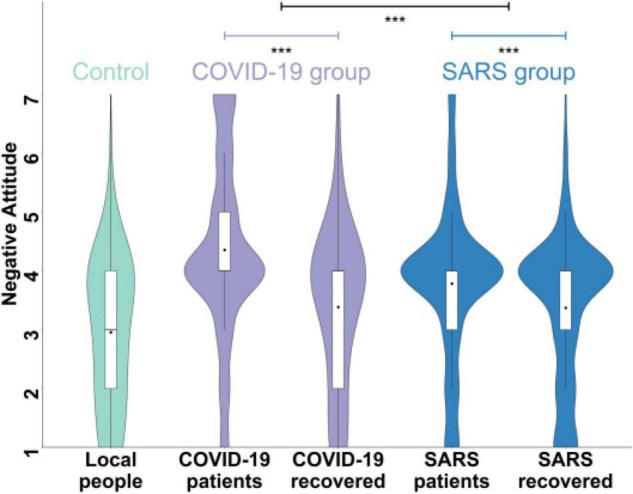
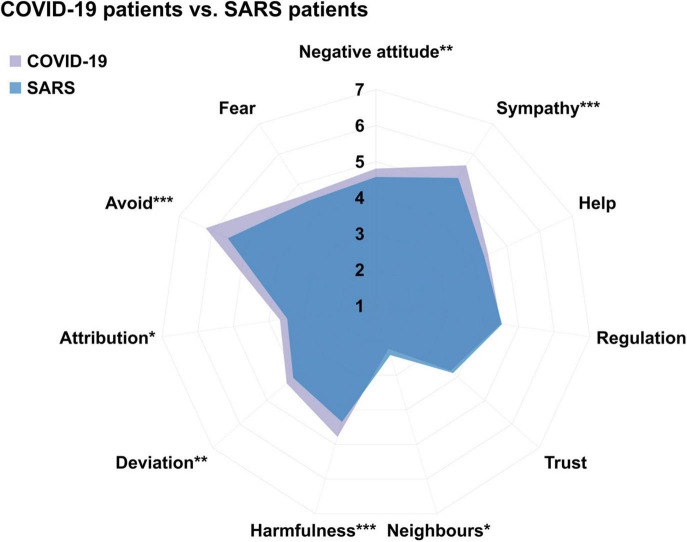
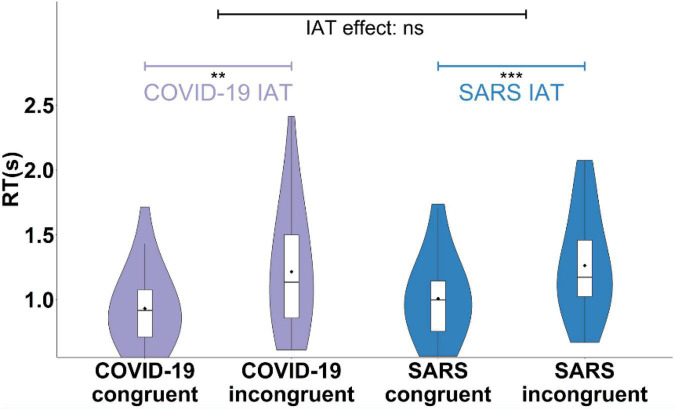
Since the outbreak of COVID-19, the public stigma associated with COVID-19 has emerged. To better understand the COVID-19 stigma, the present research conducted three studies on 1,493 Chinese participants from the outbreak to the recovery period of the COVID-19 pandemic to examine the psychological mechanisms of COVID-19 stigma by comparing it with other disease-related stigmas in terms of their explicit and implicit processes. Study 1 and Study 2 jointly demonstrated that the public endorsed more stigma toward the COVID-19 related people (i.e., the COVID-19 patients) relative to the other disease-related people (i.e., the SARS patients, people with flu) in multiple explicit aspects, including emotional, motivational, cognitive, and social processing. Using the implicit association test (IAT), Study 3 found no significant difference in the implicit measures of the COVID-19 vs. the SARS groups, which further revealed that the pandemic stigmas (i.e., COVID-19 and SARS) were similar at the implicit level. These findings suggest common (implicit level) but distinct (explicit level) psychological processes of the pandemic-related stigmas, which provide reference to policymakers in formulating suitable interventions to deal with COVID-19 stigma and a newly generated potential stigma and provide psychological support for the public in the future.
Keywords: COVID-19; implicit association test; pandemic; public stigma; stigma.
Copyright © 2022 Zhu, Yan and Mu.
Conflict of interest statement
The authors declare that the research was conducted in the absence of any commercial or financial relationships that could be construed as a potential conflict of interest.
Figures
References
-
- Batson C. D., Ahmad N. Y. (2009). Using empathy to improve intergroup attitudes and relations. Soc. Issues Policy Rev. 3 141–177. 10.1111/j.1751-2409.2009.01013.x - DOI
LinkOut - more resources
Full Text Sources
Miscellaneous
