


OSA and Chronic Respiratory Disease: Mechanisms and Epidemiology
- PMID: 35564882
- PMCID: PMC9105014
- DOI: 10.3390/ijerph19095473
OSA and Chronic Respiratory Disease: Mechanisms and Epidemiology
Abstract
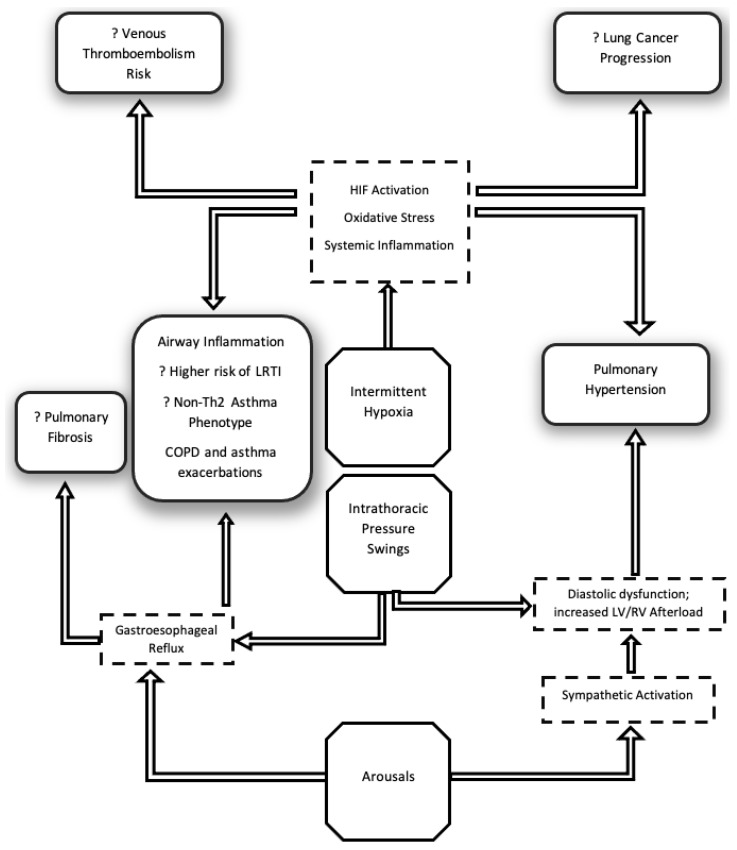
Obstructive sleep apnea (OSA) is a highly prevalent disorder that has profound implications on the outcomes of patients with chronic lung disease. The hallmark of OSA is a collapse of the oropharynx resulting in a transient reduction in airflow, large intrathoracic pressure swings, and intermittent hypoxia and hypercapnia. The subsequent cytokine-mediated inflammatory cascade, coupled with tractional lung injury, damages the lungs and may worsen several conditions, including chronic obstructive pulmonary disease, asthma, interstitial lung disease, and pulmonary hypertension. Further complicating this is the sleep fragmentation and deterioration of sleep quality that occurs because of OSA, which can compound the fatigue and physical exhaustion often experienced by patients due to their chronic lung disease. For patients with many pulmonary disorders, the available evidence suggests that the prompt recognition and treatment of sleep-disordered breathing improves their quality of life and may also alter the course of their illness. However, more robust studies are needed to truly understand this relationship and the impacts of confounding comorbidities such as obesity and gastroesophageal reflux disease. Clinicians taking care of patients with chronic pulmonary disease should screen and treat patients for OSA, given the complex bidirectional relationship OSA has with chronic lung disease.
Keywords: hypoventilation; hypoxia; lung inflammation; obstructive; obstructive pulmonary disease; outcomes assessments; sleep apnea.
Conflict of interest statement
Krishna Sundar-co-founder of Hypnoscure LLC—a software application for population management of sleep apnea through the University of Utah Technology Commercialization Office—and is on advisory boards for Merck Inc. and Resmed Inc. All other authors report no conflict of interest.
Figures
References
Publication types
MeSH terms
LinkOut - more resources
Full Text Sources
Medical
