


Sex differences in poly-victimization among youth experiencing homelessness prior to substance use treatment
- PMID: 35569181
- PMCID: PMC9228819
- DOI: 10.1016/j.chiabu.2022.105670
Sex differences in poly-victimization among youth experiencing homelessness prior to substance use treatment
Abstract
Background: Poly-victimization is common among youth experiencing homelessness (YEH) and youth in substance use treatment. To date, studies have not examined poly-victimization among these two intersecting populations.
Objective: To examine heterogeneity in lifetime victimization experiences among youth reporting homelessness at substance use treatment entry; identify demographic predictors of victimization class membership; and associations between victimization and clinical characteristics at treatment intake.
Participants and setting: 1270 adolescents and young adults reporting past 90-day homelessness in a nationwide substance use treatment data set.
Methods: Latent Class Analysis (LCA) and logistic regression were used to examine heterogeneity in poly-victimization experiences, and associations with demographics and clinical characteristics for males and females.
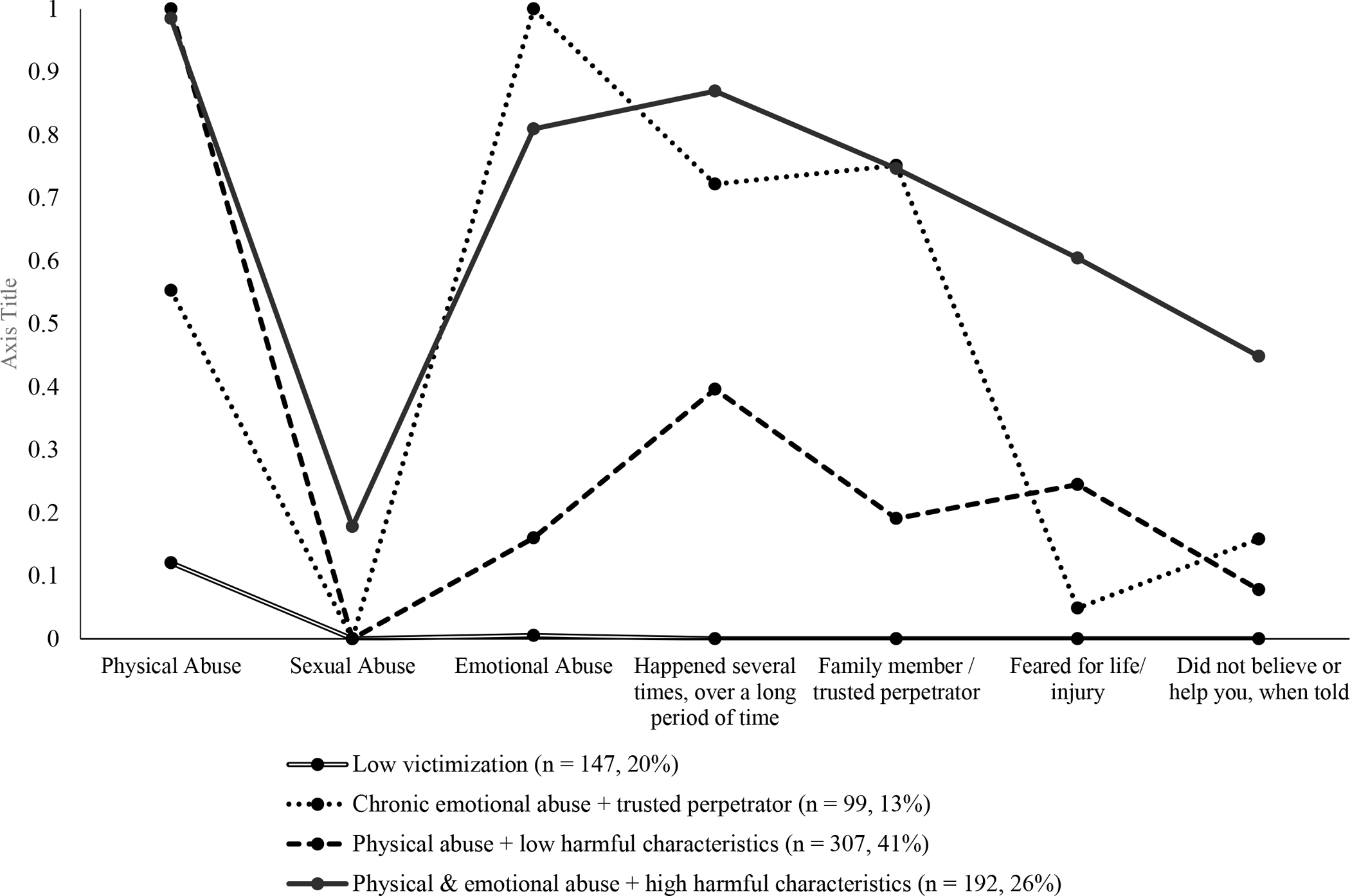
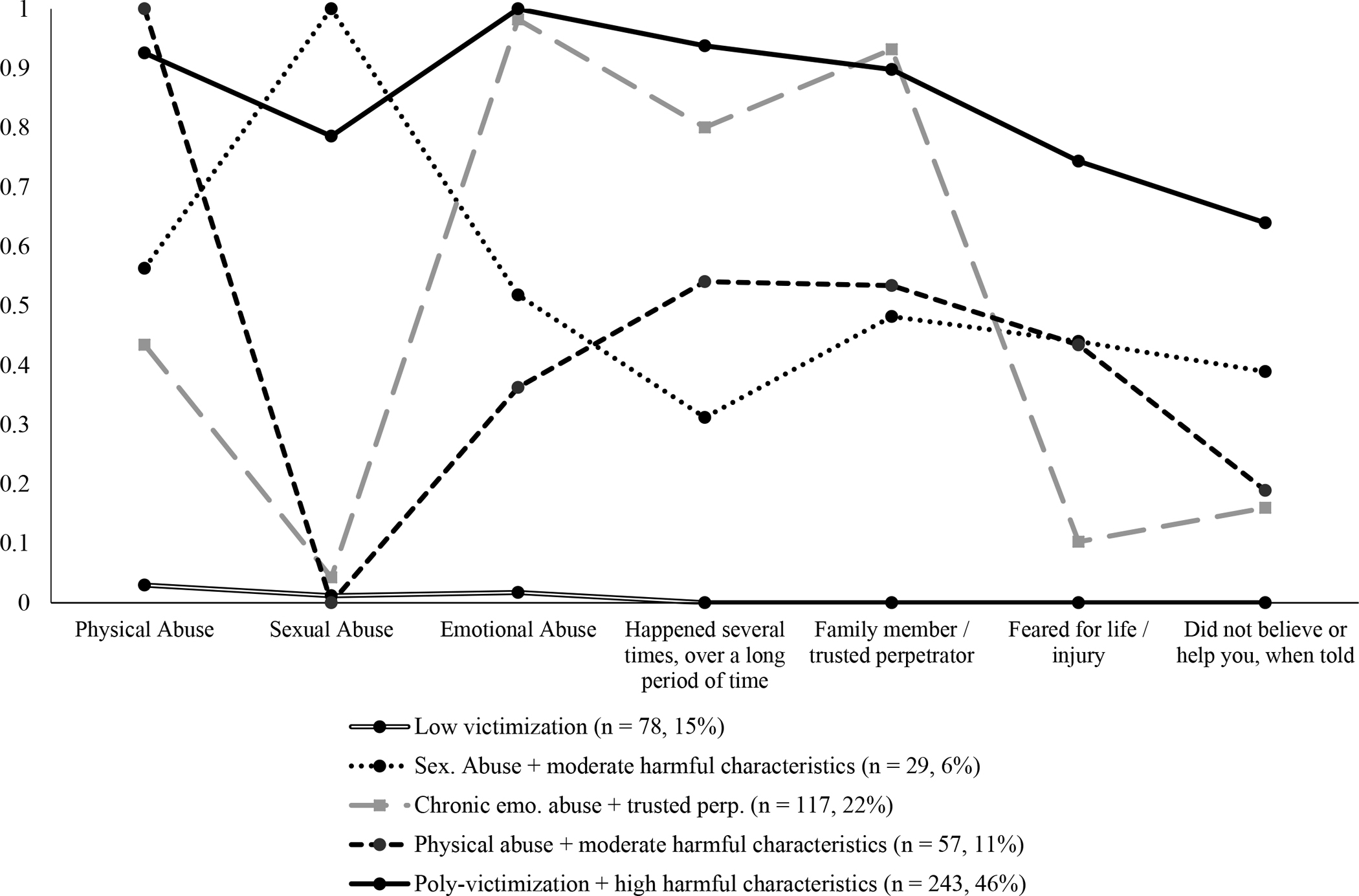
Results: Four victimization classes emerged for males, and five victimization classes emerged for females. The prevalence of victimization and trauma characteristics were higher for females, except physical victimization, which was higher for males. Age, race/ethnicity, and sexual minority status were related to poly-victimization class membership, but not consistently across classes. Compared to low or single victimization classes, youth in the poly-victimization class had higher odds of post-traumatic stress disorder, major depressive disorder, and exchange sex (among females); Poly-victimization class membership was not associated with duration of recent homelessness or substance use disorder diagnoses, when compared to low/less complex victimization.
Conclusion: High rates of lifetime victimization were found for YEH in substance use treatment, with rates generally higher among females. Trauma-informed interventions are needed to address complex victimization experiences and poor mental health among unstably housed youth in treatment.
Keywords: Latent class analysis; Poly-victimization; Sex differences; Substance use treatment; Youth experiencing homelessness.
Copyright © 2022 Elsevier Ltd. All rights reserved.
Conflict of interest statement
Figures
References
-
- American Psychiatric Association. (2000). Diagnostic and statistical manual of mental disorders: DSM-IV-TR (4th ed.). American Psychiatric Association.
-
- Baer JS, Ginzler JA, & Peterson PL (2003). DSM-IV alcohol and substance abuse and dependence in homeless youth. Journal of Studies on Alcohol, 64(1), 5–14. - PubMed
Publication types
MeSH terms
Grants and funding
LinkOut - more resources
Full Text Sources
Medical
Research Materials
Miscellaneous
