


Gillespie's Syndrome Phenotype in A Patient with a Homozygous Variant of Uncertain Significance in the ITPR1 Gene
- PMID: 35574166
- PMCID: PMC9103597
- DOI: 10.1080/01658107.2021.1982991
Gillespie's Syndrome Phenotype in A Patient with a Homozygous Variant of Uncertain Significance in the ITPR1 Gene
Abstract
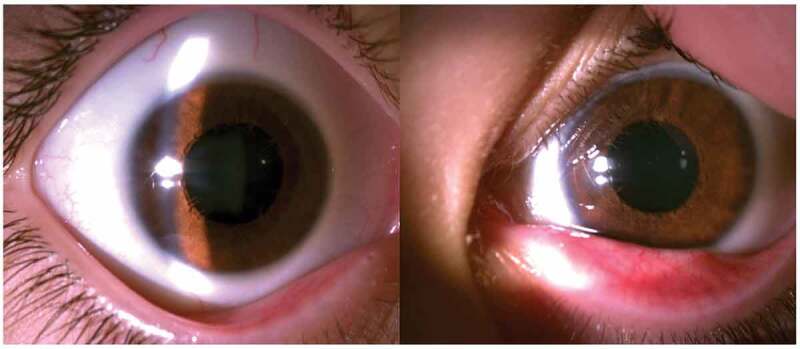
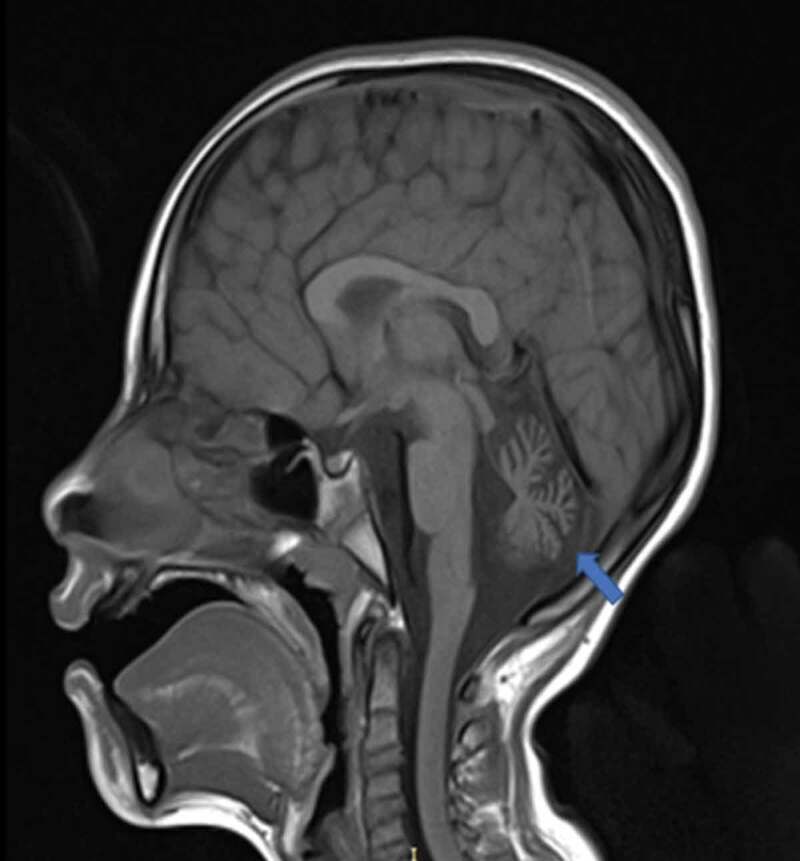
A 10-year-old girl presented with left-eye esotropia and fixed mydriasis. Previously, she had been diagnosed with cerebellar ataxia and mild intellectual disability. Her parents were healthy. She was found to have partial aniridia of the pupillary sphincter bilaterally. A next-generation sequencing test for the inositol 1,4,5-trisphosphate type 1 receptor (ITPR1) gene was performed, revealing a previously unreported homozygous variant of uncertain significance at c.7610. Computational (In Silico) predictive models predicted this variant to be disease causing. With the arrival of DNA sequencing, aniridia can be genetically classified. In this case report, we present a patient with phenotypic features of Gillespie's syndrome with a homozygous variant in the ITPR1 gene that has not previously been reported.
Keywords: Aniridia; Gillespie syndrome; ITPR1 gene; cerebellar ataxia.
© 2021 Taylor & Francis Group, LLC.
Conflict of interest statement
The authors reveal they have no conflict of interests. This report was not financed by any organisation.
Figures
References
-
- De Silva D, Williamson KA, Dayasiri KC, et al. Gillespie syndrome in a South Asian child: a case report with confirmation of a heterozygous mutation of the ITPR1 gene and review of the clinical and molecular features. BMC Pediatr. 2018; 18(1):308. Published September 24, 2018. doi: 10.1186/s12887-018-1286-5. - DOI - PMC - PubMed
Publication types
LinkOut - more resources
Full Text Sources
