


Reprogramming of Hepatic Metabolism and Microenvironment in Nonalcoholic Steatohepatitis
- PMID: 35584814
- PMCID: PMC10122183
- DOI: 10.1146/annurev-nutr-062220-105200
Reprogramming of Hepatic Metabolism and Microenvironment in Nonalcoholic Steatohepatitis
Abstract
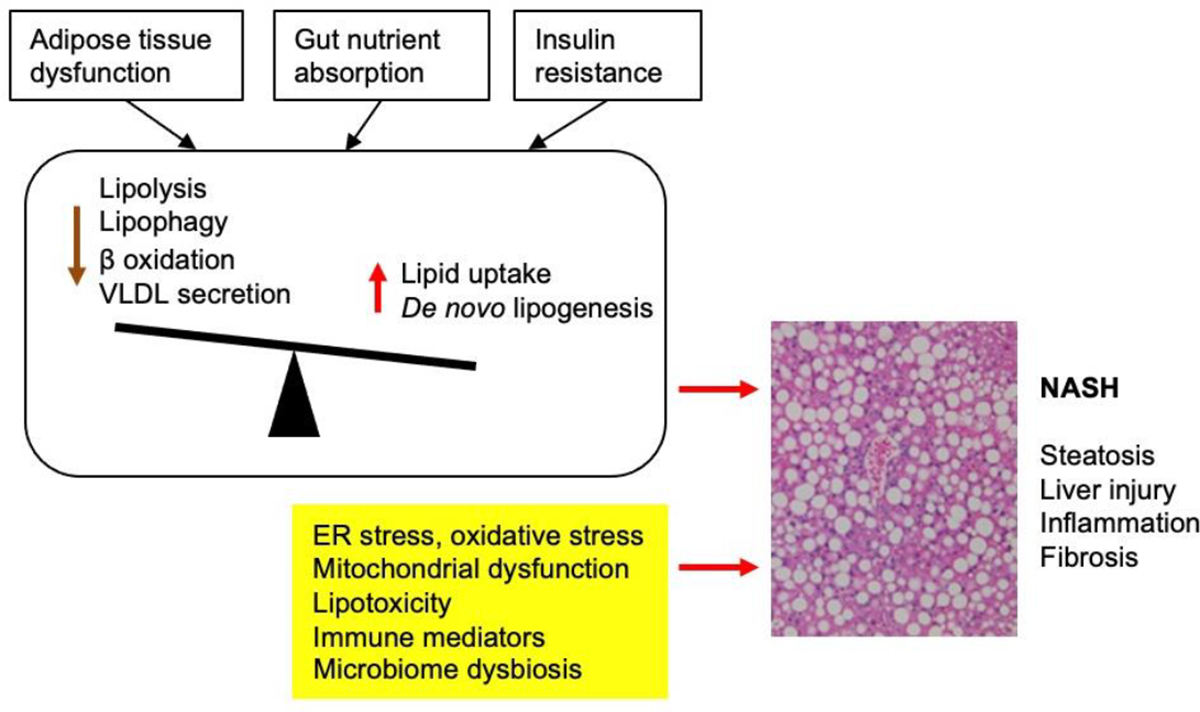
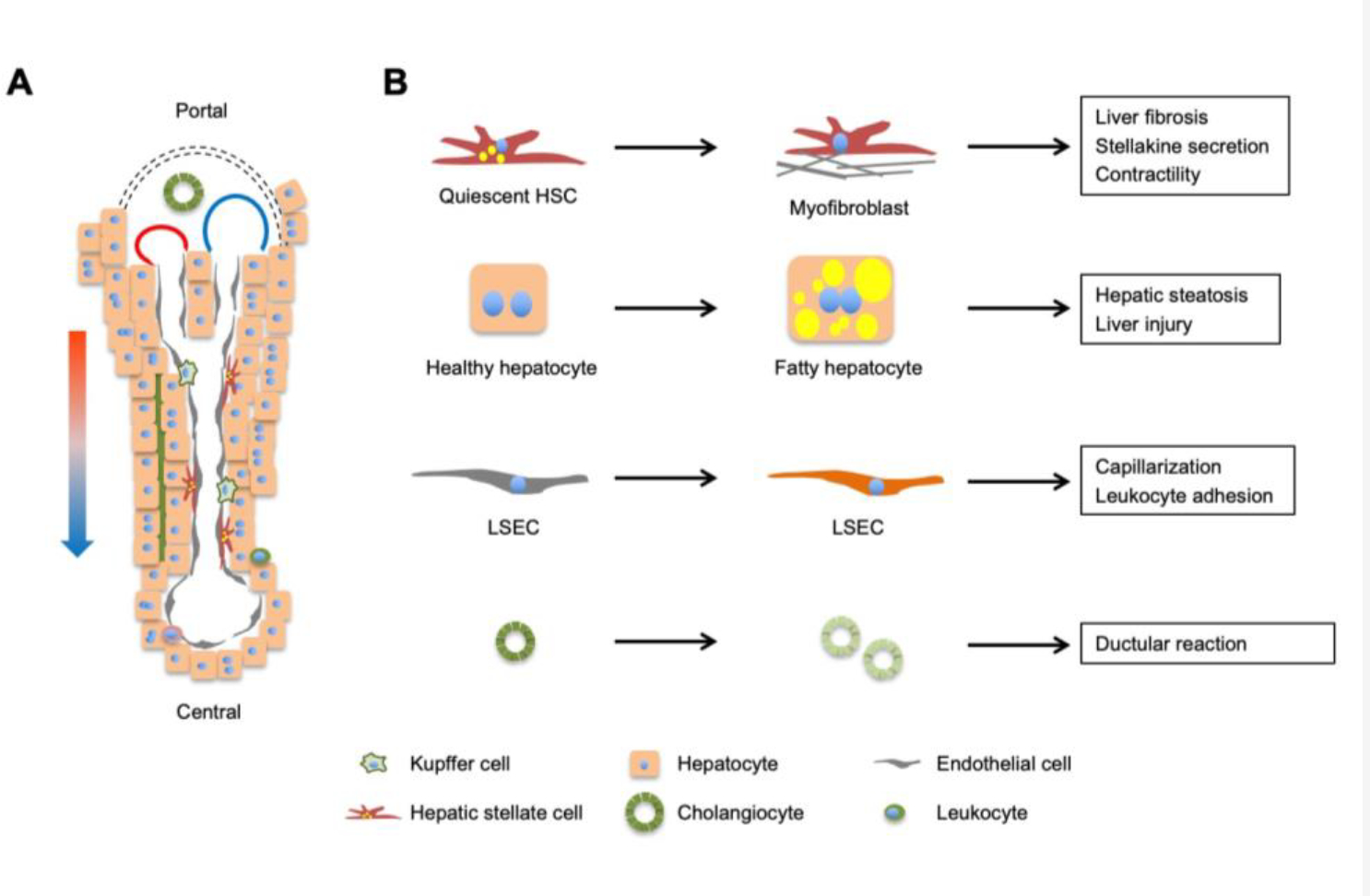
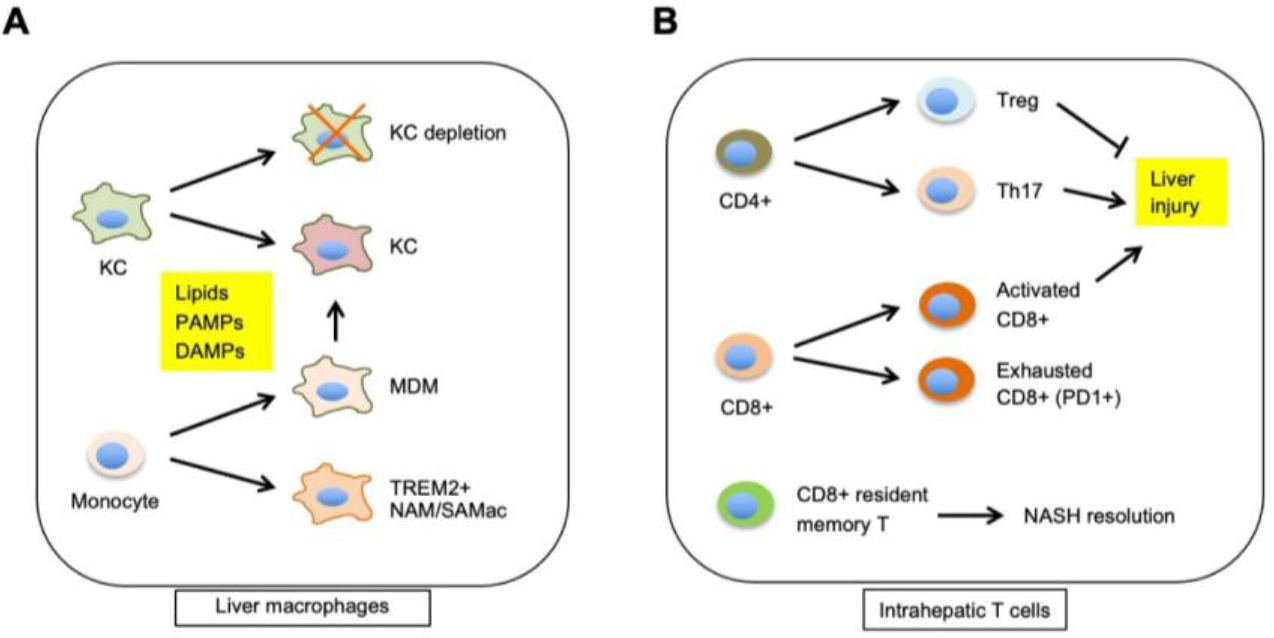
Nonalcoholic fatty liver disease (NAFLD), a spectrum of metabolic liver disease associated with obesity, ranges from relatively benign hepatic steatosis to nonalcoholic steatohepatitis (NASH). The latter is characterized by persistent liver injury, inflammation, and liver fibrosis, which collectively increase the risk for end-stage liver diseases such as cirrhosis and hepatocellular carcinoma. Recent work has shed new light on the pathophysiology of NAFLD/NASH, particularly the role of genetic, epigenetic, and dietary factors and metabolic dysfunctions in other tissues in driving excess hepatic fat accumulation and liver injury. In parallel, single-cell RNA sequencing studies have revealed unprecedented details of the molecular nature of liver cell heterogeneity, intrahepatic cross talk, and disease-associated reprogramming of the liver immune and stromal vascular microenvironment. This review covers the recent advances in these areas, the emerging concepts of NASH pathogenesis, and potential new therapeutic opportunities.
Keywords: NAFLD; NASH; fatty liver; lipid metabolism; microenvironment; single cell; steatosis.
Conflict of interest statement
The authors declare no conflict of financial interest.
Figures
References
-
- Abdul-Wahed A, Guilmeau S, Postic C. 2017. Sweet Sixteenth for ChREBP: Established Roles and Future Goals. Cell Metab 26: 324–41 - PubMed
-
- Arendt BM, Comelli EM, Ma DW, Lou W, Teterina A, et al. 2015. Altered hepatic gene expression in nonalcoholic fatty liver disease is associated with lower hepatic n-3 and n-6 polyunsaturated fatty acids. Hepatology 61: 1565–78 - PubMed
Publication types
MeSH terms
Grants and funding
LinkOut - more resources
Full Text Sources
Medical
