


A clinical approach to tubulopathies in children and young adults
- PMID: 35585366
- PMCID: PMC9842573
- DOI: 10.1007/s00467-022-05606-1
A clinical approach to tubulopathies in children and young adults
Abstract
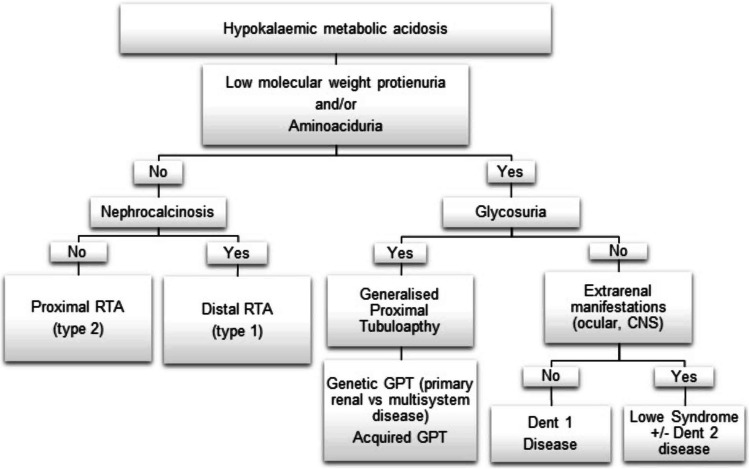
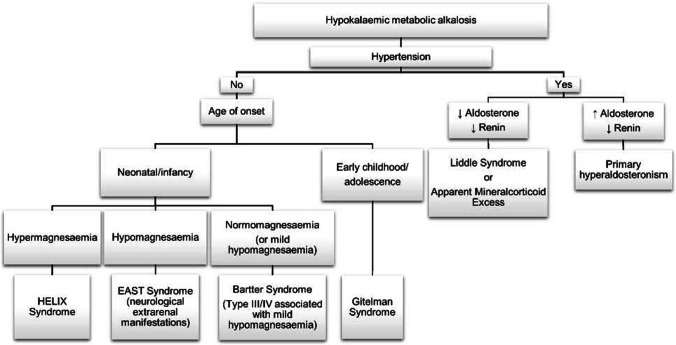
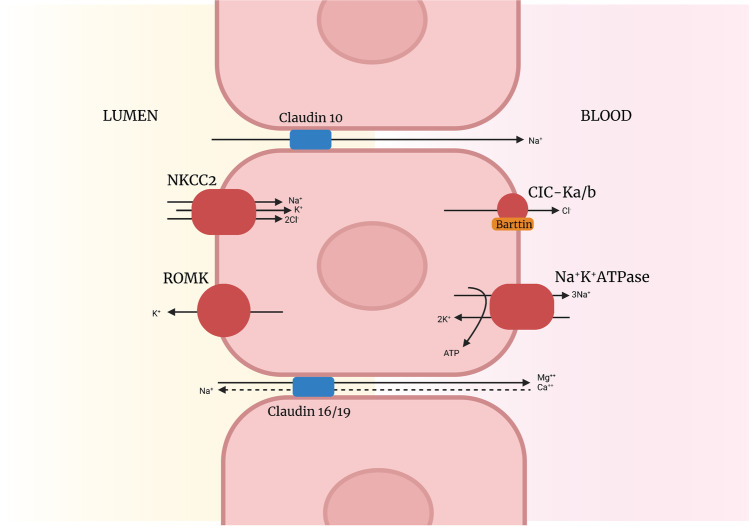
Kidney tubules are responsible for the preservation of fluid, electrolyte and acid-base homeostasis via passive and active mechanisms. These physiological processes can be disrupted by inherited or acquired aetiologies. The net result is a tubulopathy. It is important to make a prompt and accurate diagnosis of tubulopathies in children and young adults. This allows timely and appropriate management, including disease-specific therapies, and avoids complications such as growth failure. Tubulopathies can present with a variety of non-specific clinical features which can be diagnostically challenging. In this review, we build from this common anatomical and physiological understanding to present a tangible appreciation of tubulopathies as they are likely to be clinically encountered among affected children and young adults.
Keywords: Genetics; Hypokalaemia; Magnesium; Nephrocalcinosis; Rare disease; Salt-wasting; Tubulopathy.
© 2022. The Author(s).
Conflict of interest statement
The authors declare no competing interests.
Figures


References
-
- Rees L, Bockenhauer D, Webb N, Punaro M. Paediatric nephrology. Oxford: Oxford University Press; 2019.
Publication types
MeSH terms
LinkOut - more resources
Full Text Sources
