


Diagnostic gene biomarkers for predicting immune infiltration in endometriosis
- PMID: 35585523
- PMCID: PMC9118874
- DOI: 10.1186/s12905-022-01765-3
Diagnostic gene biomarkers for predicting immune infiltration in endometriosis
Abstract
Objective: To determine the potential diagnostic markers and extent of immune cell infiltration in endometriosis (EMS).
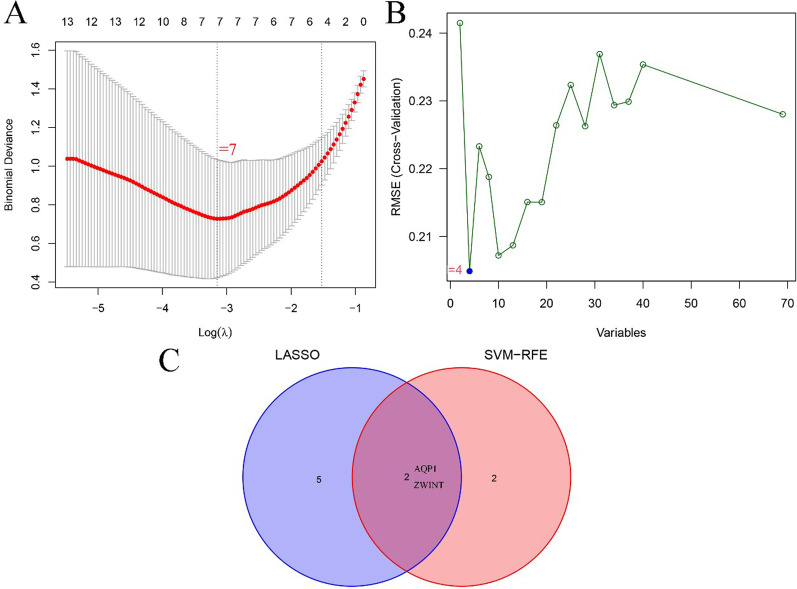
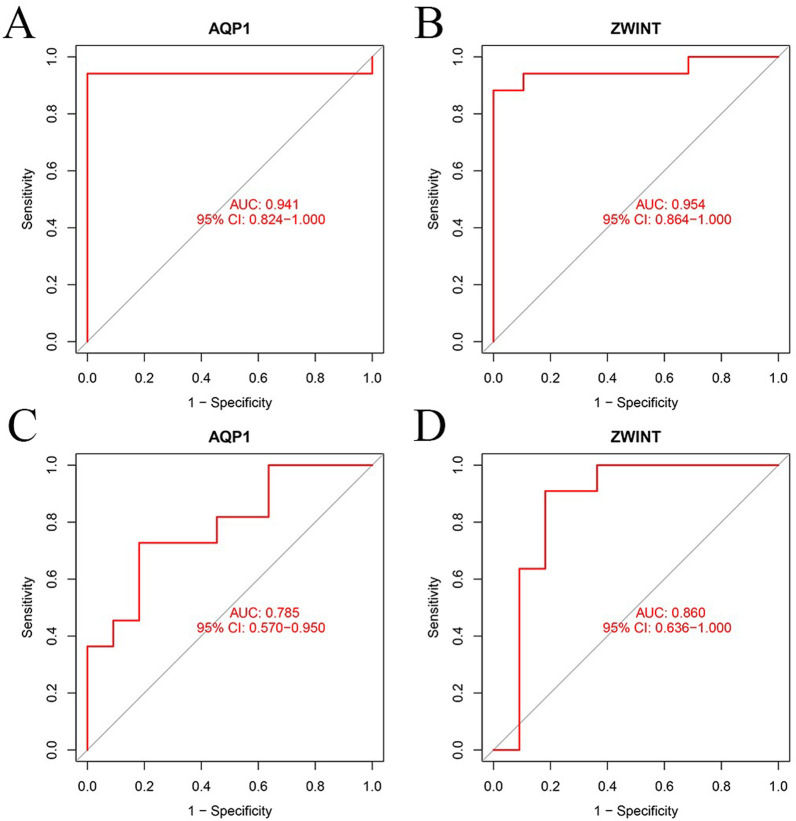
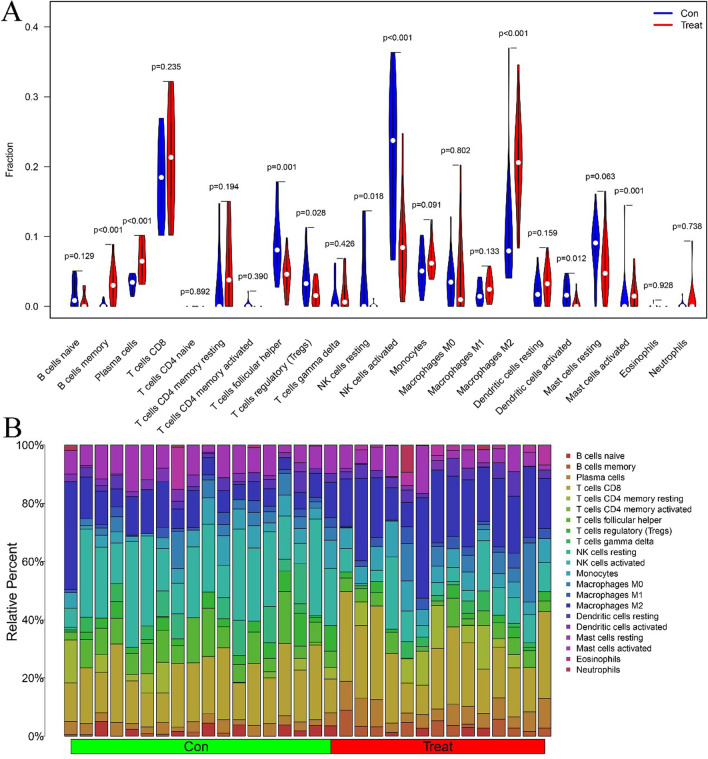
Methods: Two published profiles (GSE7305 and GSE25628 datasets) were downloaded, and the candidate biomarkers were identified by support vector machine recursive feature elimination analysis and a Lasso regression model. The diagnostic value and expression levels of biomarkers in EMS were verified by quantitative reverse transcription polymerase chain reaction (qRT-PCR) and western blotting, then further validated in the GSE5108 dataset. CIBERSORT was used to estimate the composition pattern of immune cell components in EMS.
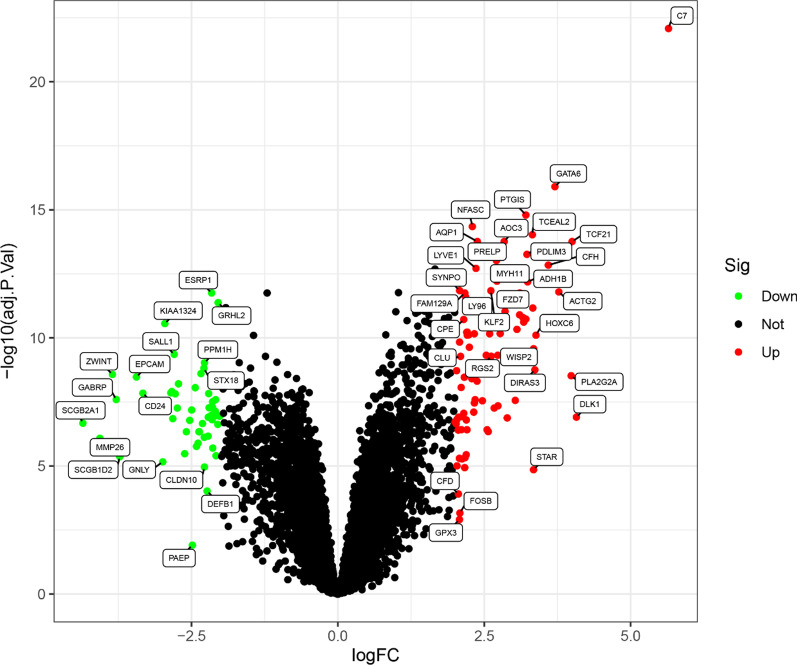
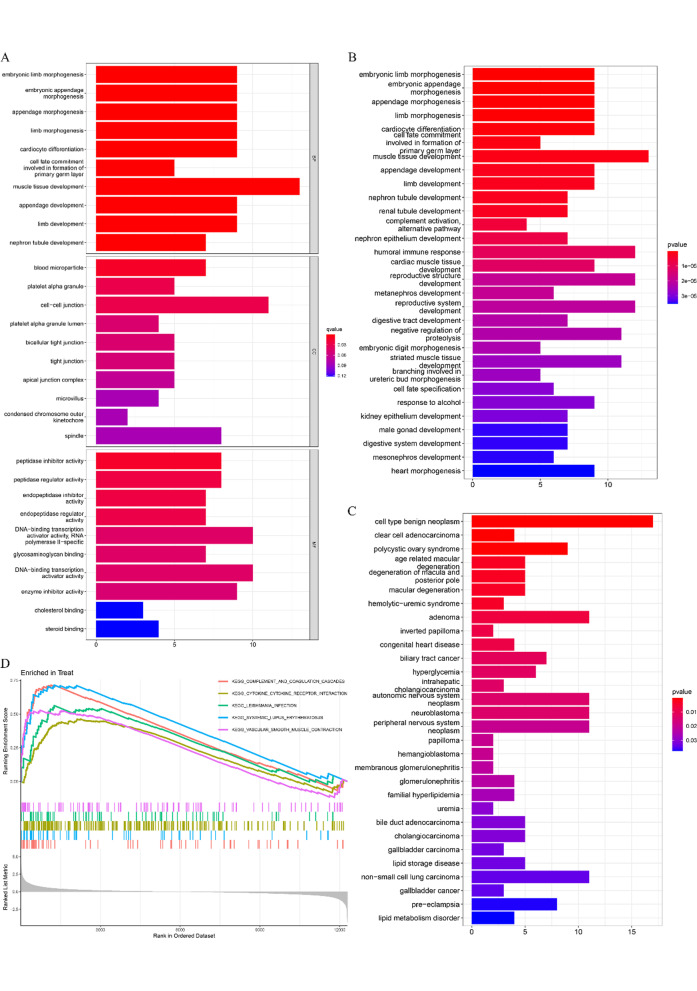
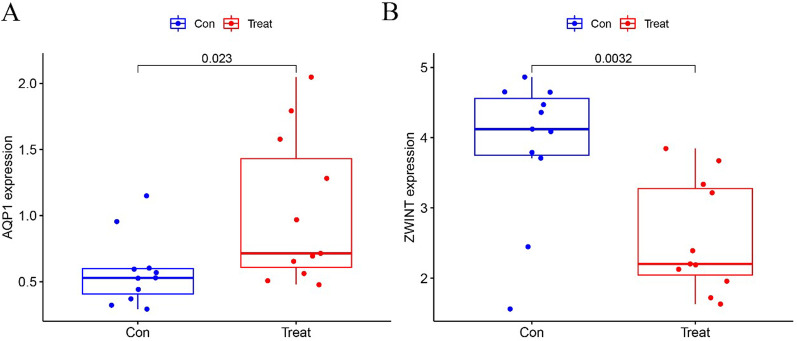
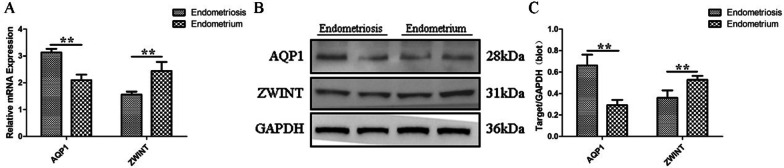
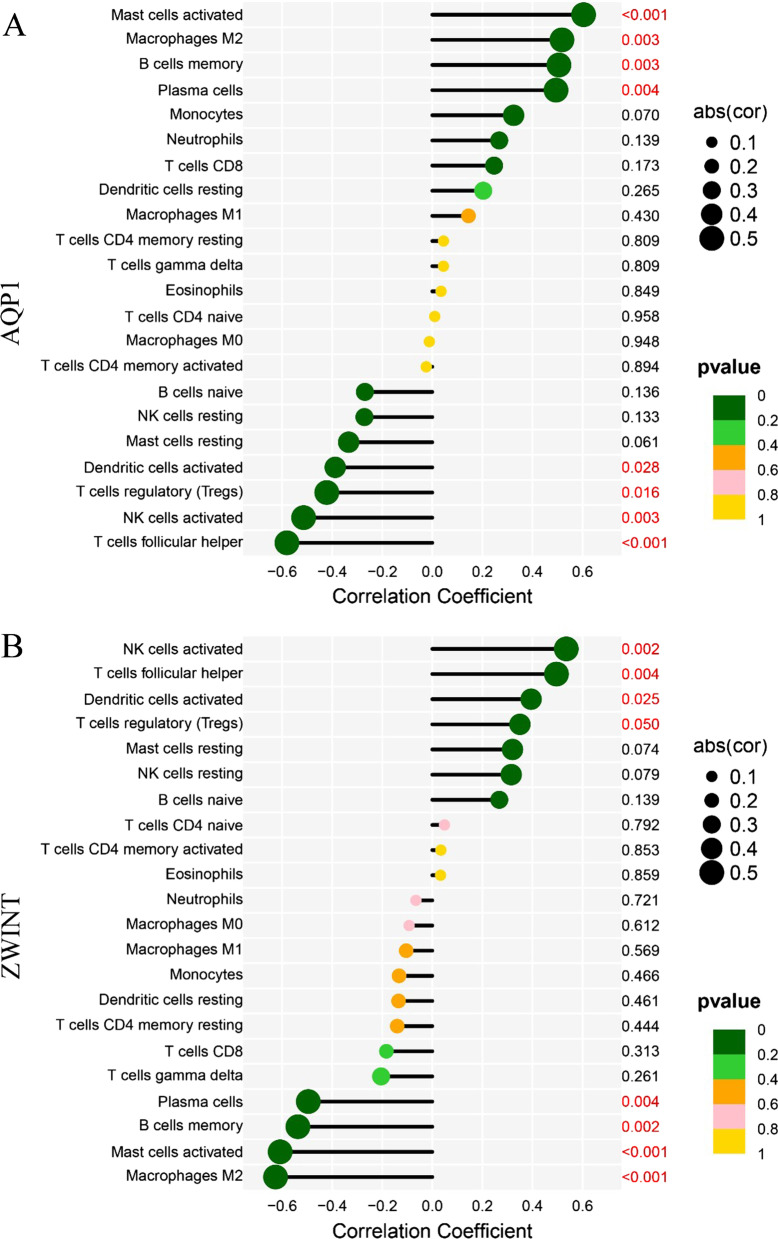
Results: One hundred and fifty-three differential expression genes (DEGs) were identified between EMS and endometrial with 83 upregulated and 51 downregulated genes. Gene sets related to arachidonic acid metabolism, cytokine-cytokine receptor interactions, complement and coagulation cascades, chemokine signaling pathways, and systemic lupus erythematosus were differentially activated in EMS compared with endometrial samples. Aquaporin 1 (AQP1) and ZW10 binding protein (ZWINT) were identified as diagnostic markers of EMS, which were verified using qRT-PCR and western blotting and validated in the GSE5108 dataset. Immune cell infiltrate analysis showed that AQP1 and ZWINT were correlated with M2 macrophages, NK cells, activated dendritic cells, T follicular helper cells, regulatory T cells, memory B cells, activated mast cells, and plasma cells.
Conclusion: AQP1 and ZWINT could be regarded as diagnostic markers of EMS and may provide a new direction for the study of EMS pathogenesis in the future.
Keywords: Biomarker; CIBERSORT; Endometriosis; GEO; Immune infiltration.
© 2022. The Author(s).
Conflict of interest statement
The authors declare that they have no competing interests.
Figures
References
MeSH terms
Substances
LinkOut - more resources
Full Text Sources
Medical
