


Early mobilization in spinal cord injury promotes changes in microglial dynamics and recovery of motor function
- PMID: 35586775
- PMCID: PMC9108724
- DOI: 10.1016/j.ibneur.2022.04.002
Early mobilization in spinal cord injury promotes changes in microglial dynamics and recovery of motor function
Abstract
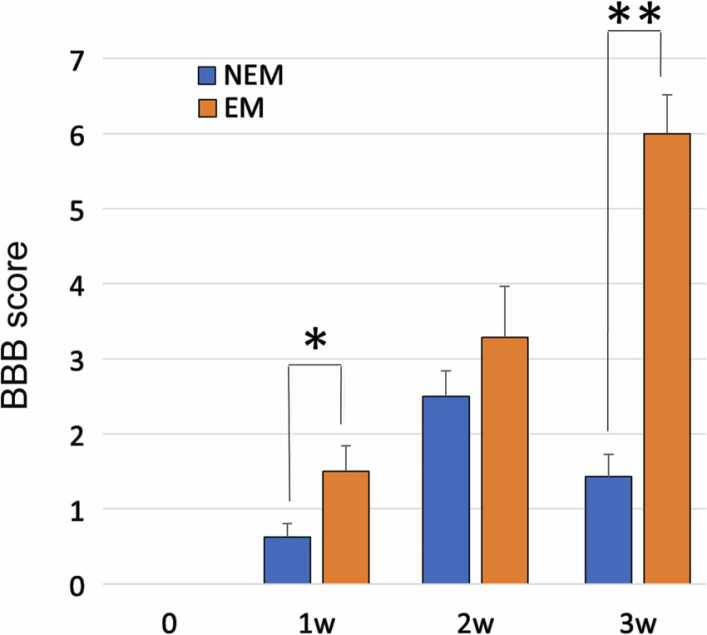
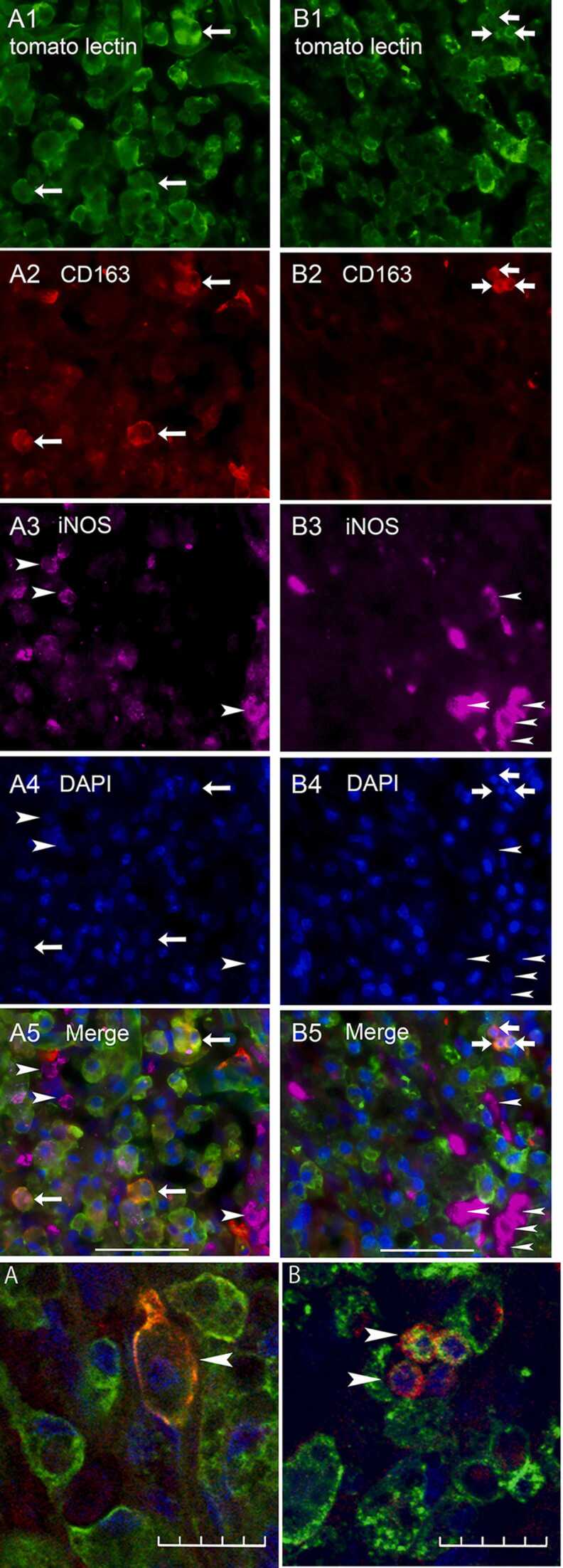
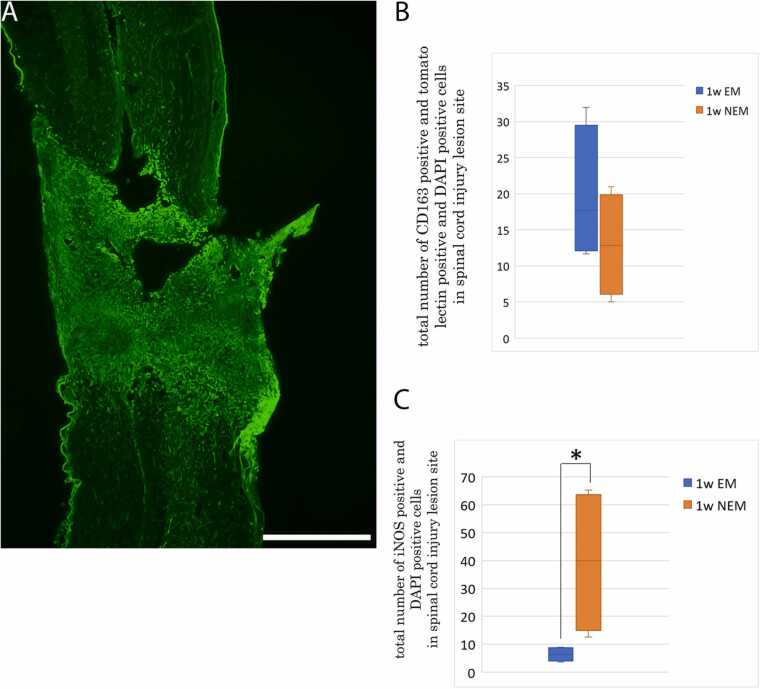
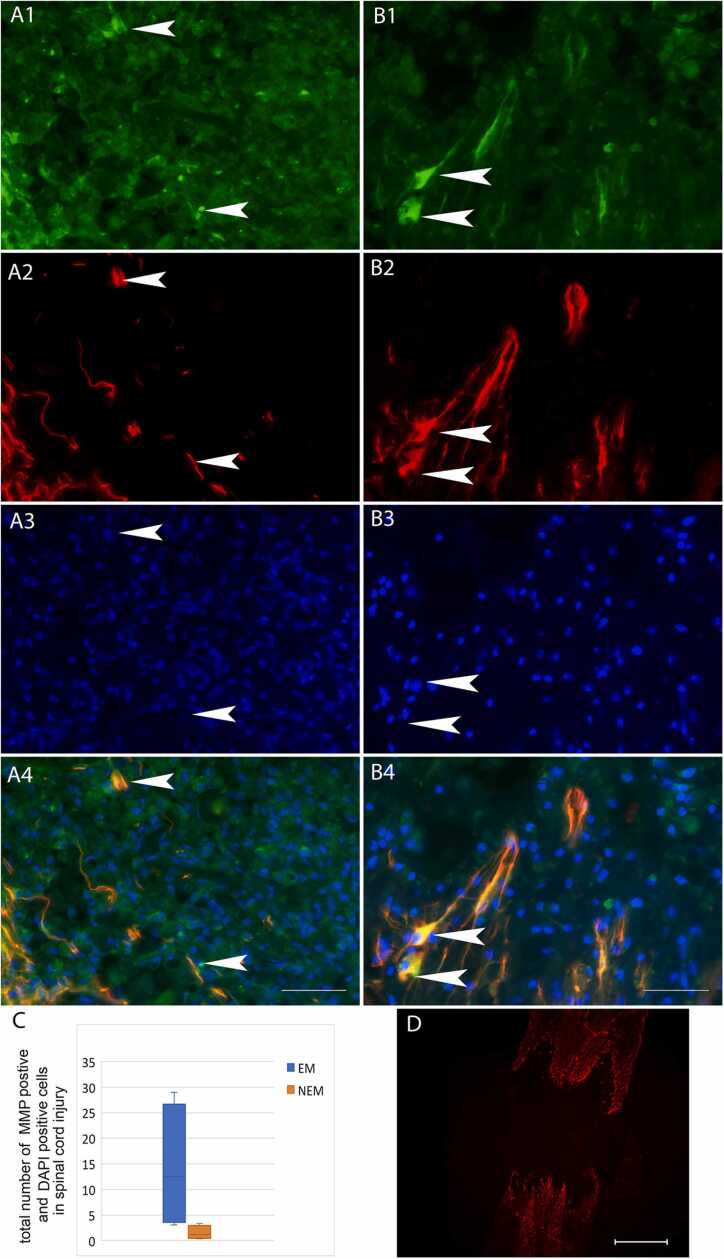
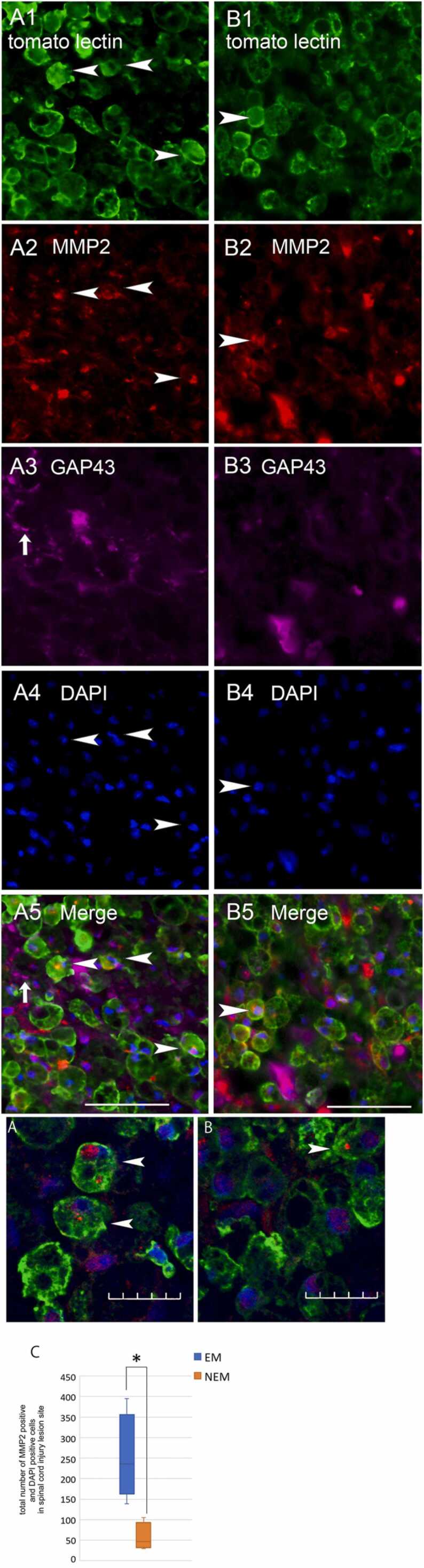
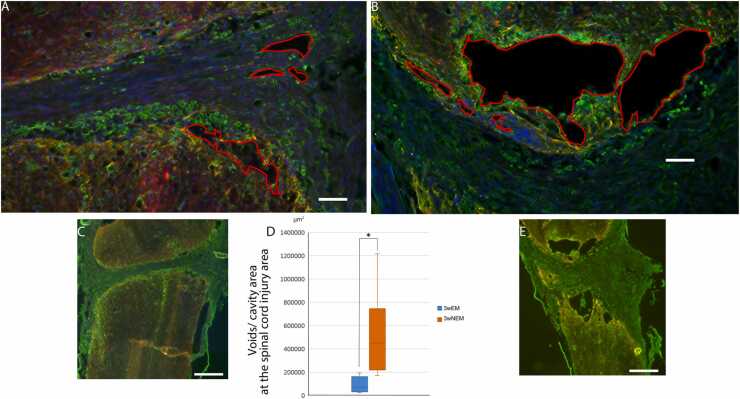
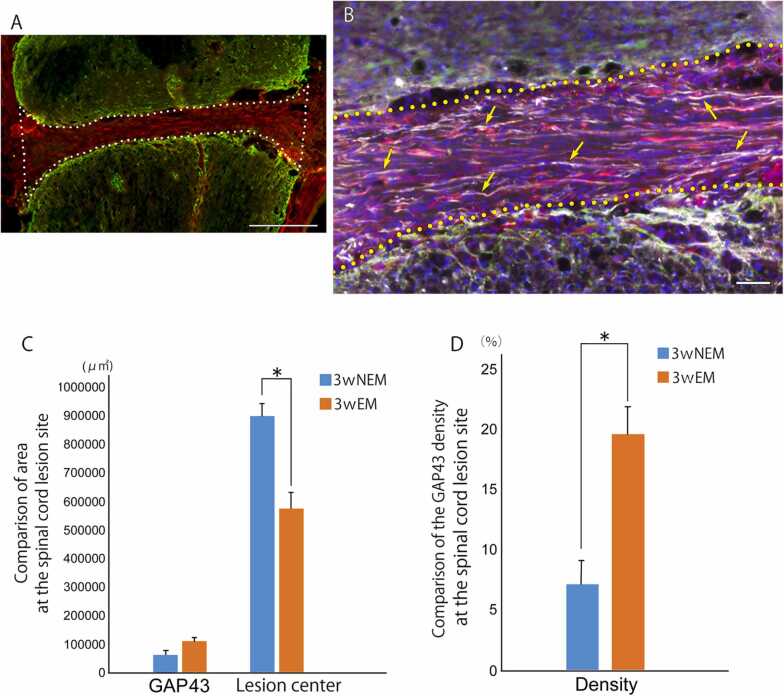
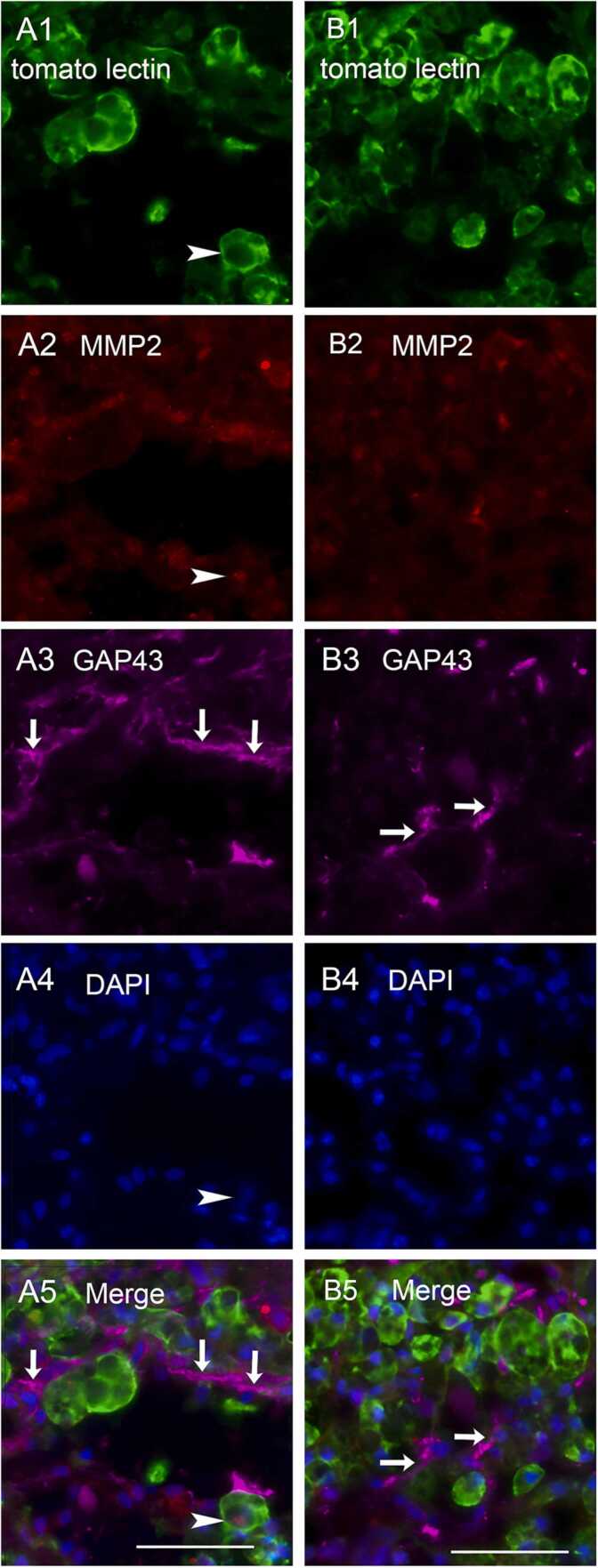
In the acute phase of spinal cord injury, the initial injury triggers secondary damage due to neuroinflammation, leading to the formation of cavities and glial scars that impair nerve regeneration. Following injuries to the central nervous system, early mobilization promotes the recovery of physical function. Therefore, in the present study, we investigated the effects of early mobilization on motor function recovery and neuroinflammation in rats. Early mobilization of rats with complete spinal cord transection resulted in good recovery of hindlimb motor function after 3 weeks. At 1 week after spinal cord injury, the early-mobilized rats expressed fewer inflammatory M1 microglia/macrophages and more anti-inflammatory M2 microglia. In addition, significantly more matrix metalloproteinase 2 (MMP2)-positive cells were observed at the lesion site 1 week after injury in the early-mobilized rats. Multiple labeling studies suggested that many MMP2-positive cells were M2 microglia. MMP9-positive cells that highly co-expressed GFAP were also observed more frequently in the early-mobilized rats. The density of growth-associated protein-positive structures in the lesion center was significantly higher in the early-mobilized rats at 3 weeks after spinal cord injury. The present results suggest that early mobilization after spinal cord injury reduced the production of M1 microglia/macrophages while increasing the production of M2 microglia at the lesion site. Early mobilization might also activate the expression of MMP2 in M2 microglia and MMP9 in astrocytes. These cellular dynamics might suppress neuroinflammation at the lesion site, thereby inhibiting the progression of tissue destruction and promoting nerve regeneration to recover motor function.
Keywords: BBB score, The Basso, Beattie, Bresnahan locomotor rating scale score; CNS, central nervous system; CSPGs, chondroitin sulfate proteoglycans; DAPI, 4′,6-diamidino-2-phenylindole; EM, early mobilization; Early mobilization; GAP43, growth associated protein 43; GFAP, glial fibrillary acidic protein; IL1β, interleukin-1β; MMPs, matrix metalloproteinases; Matrix metalloproteinases; Microglia; Motor function; NEM, non-early mobilization; Neuroinflammation; PBS, phosphate-buffered saline; PBST, PBS containing 0.05% Tween 20; PFA, paraformaldehyde; SCI, spinal cord injury; Spinal cord injury; TNF-α, tumor necrosis factor-α; iNOS, inducible nitric oxide synthase; tomato lectin, Lycopersicon Esculentum lectin.
© 2022 The Authors.
Conflict of interest statement
None.
Figures
References
-
- Alizadeh A., Dyck S.M., Kataria H., Shahriary G.M., Nguyen D.H., Santhosh K.T., Karimi-Abdolrezaee S. Neuregulin-1 positively modulates glial response and improves neurological recovery following traumatic spinal cord injury. Glia. 2017;65(7):1152–1175. 10.1002/glia.23150. Epub 2017 Apr 29. PMID: 28456012. - PubMed
-
- AVERT Trial Collaboration group.Efficacy and safety of very early mobilisation within 24h of stroke onset (AVERT): a randomised controlled trial. Lancet. 2015 Jul 4;386 (9988):46–55. 10.1016/S0140-6736(15)60690-0. Epub 2015 Apr 16. Erratum in: Lancet. 2015 Jul 4;386(9988):30. Erratum in: Lancet. 2017 May 13;389(10082): 1884. PMID: 25892679. - DOI - PubMed
-
- Basso D.M., Beattie M.S., Bresnahan J.C. Vol. 12. 1995. A sensitive and reliable locomotor rating scale for open field testing in rats; pp. 1–21. (J. Neurotrauma). 10.1089/neu.1995.12.1. PMID: 7783230. - PubMed
-
- Bellver-Landete V., Bretheau F., Mailhot B., Vallières N., Lessard M., Janelle M.E., Vernoux N., Tremblay M.È., Fuehrmann T., Shoichet M.S., Lacroix S. Microglia are an essential component of the neuroprotective scar that forms after spinal cord injury. Nat. Commun. 2019;10(1):518. 10.1038/s41467-019-08446-0. PMID: 30705270; PMCID: PMC6355913. - PMC - PubMed
LinkOut - more resources
Full Text Sources
Miscellaneous