


Dynamic Functional Continuous Time Bayesian Networks for Prediction and Monitoring of the Impact of Patients' Modifiable Lifestyle Behaviors on the Emergence of Multiple Chronic Conditions
- PMID: 35601689
- PMCID: PMC9121781
- DOI: 10.1109/access.2021.3136618
Dynamic Functional Continuous Time Bayesian Networks for Prediction and Monitoring of the Impact of Patients' Modifiable Lifestyle Behaviors on the Emergence of Multiple Chronic Conditions
Abstract
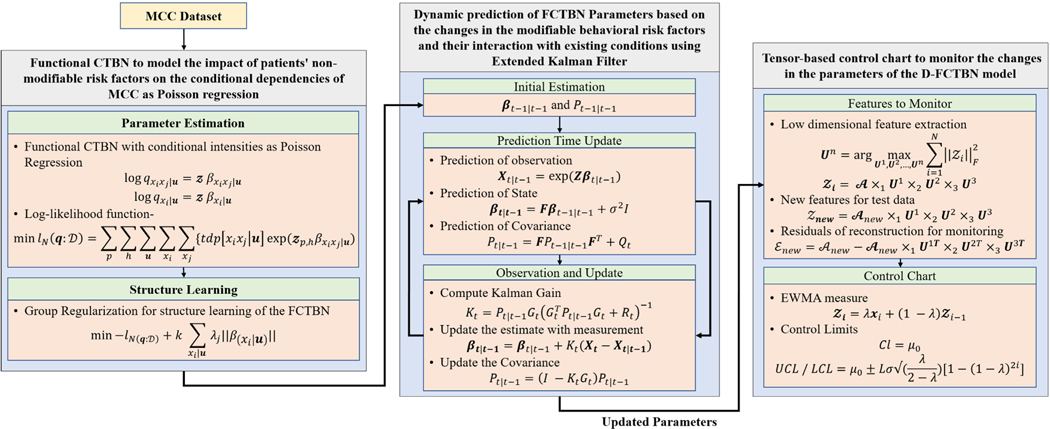
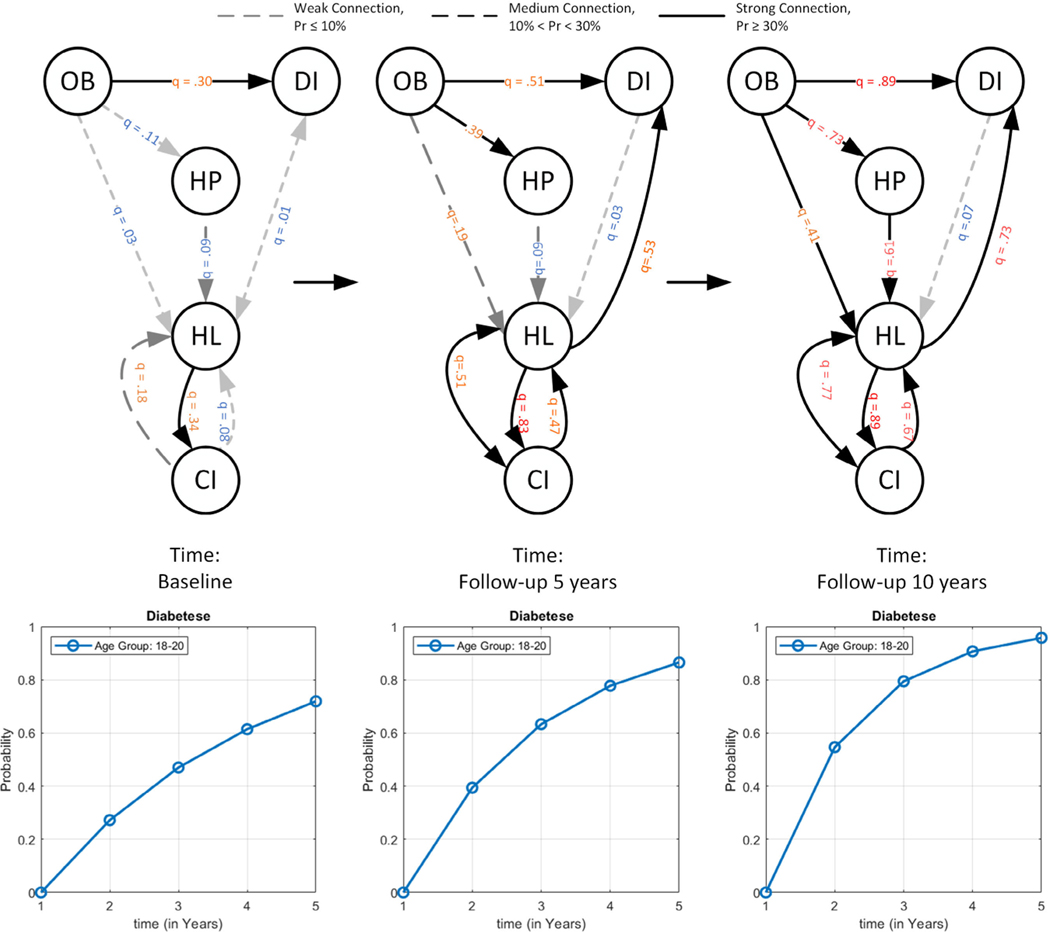
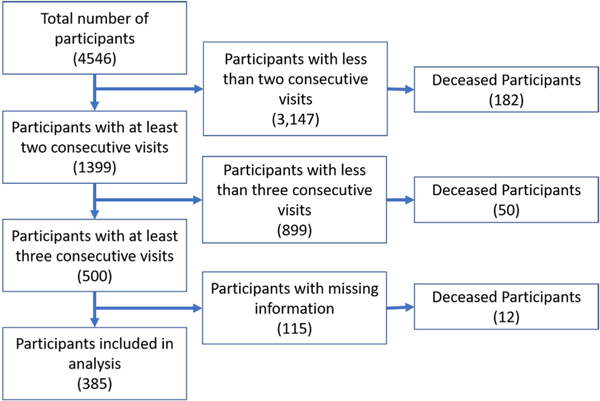
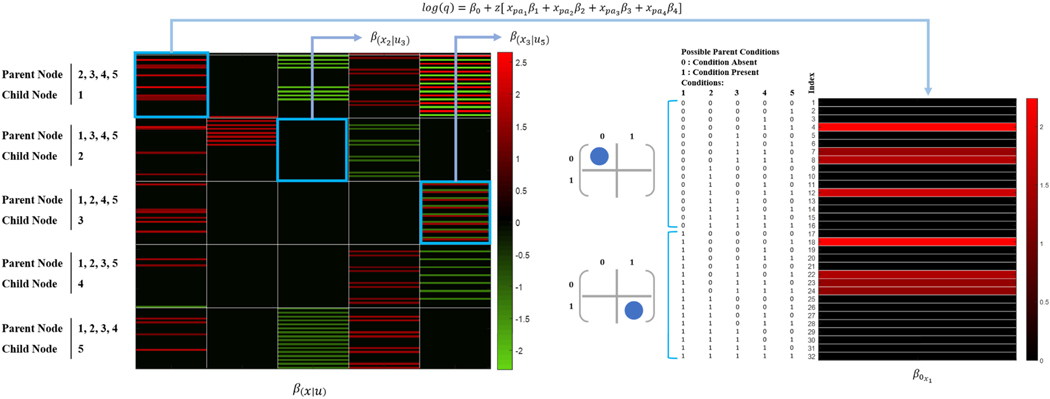
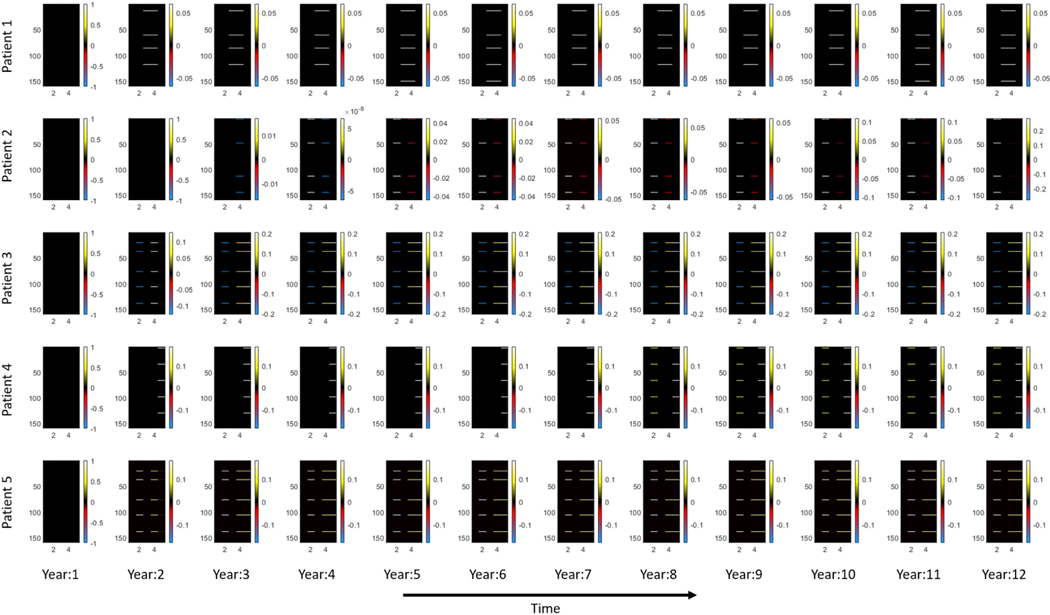
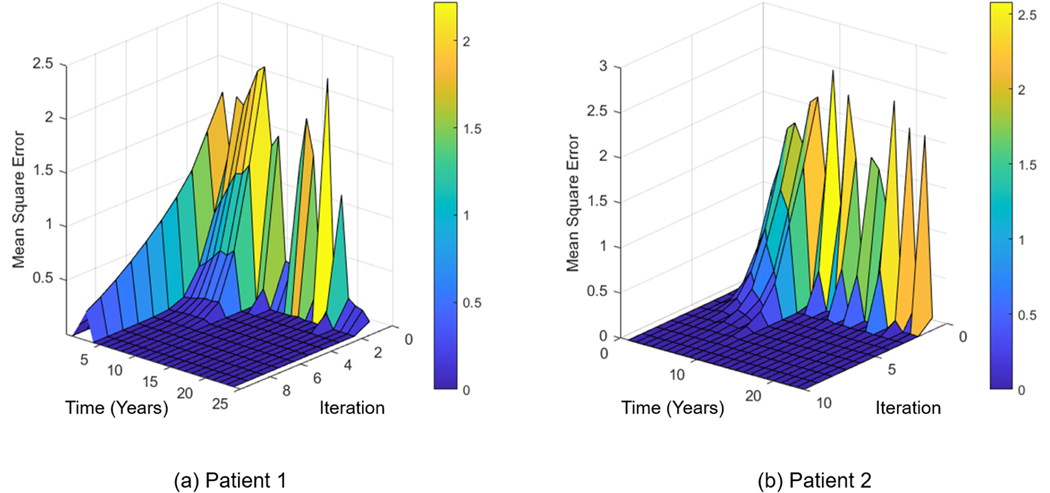
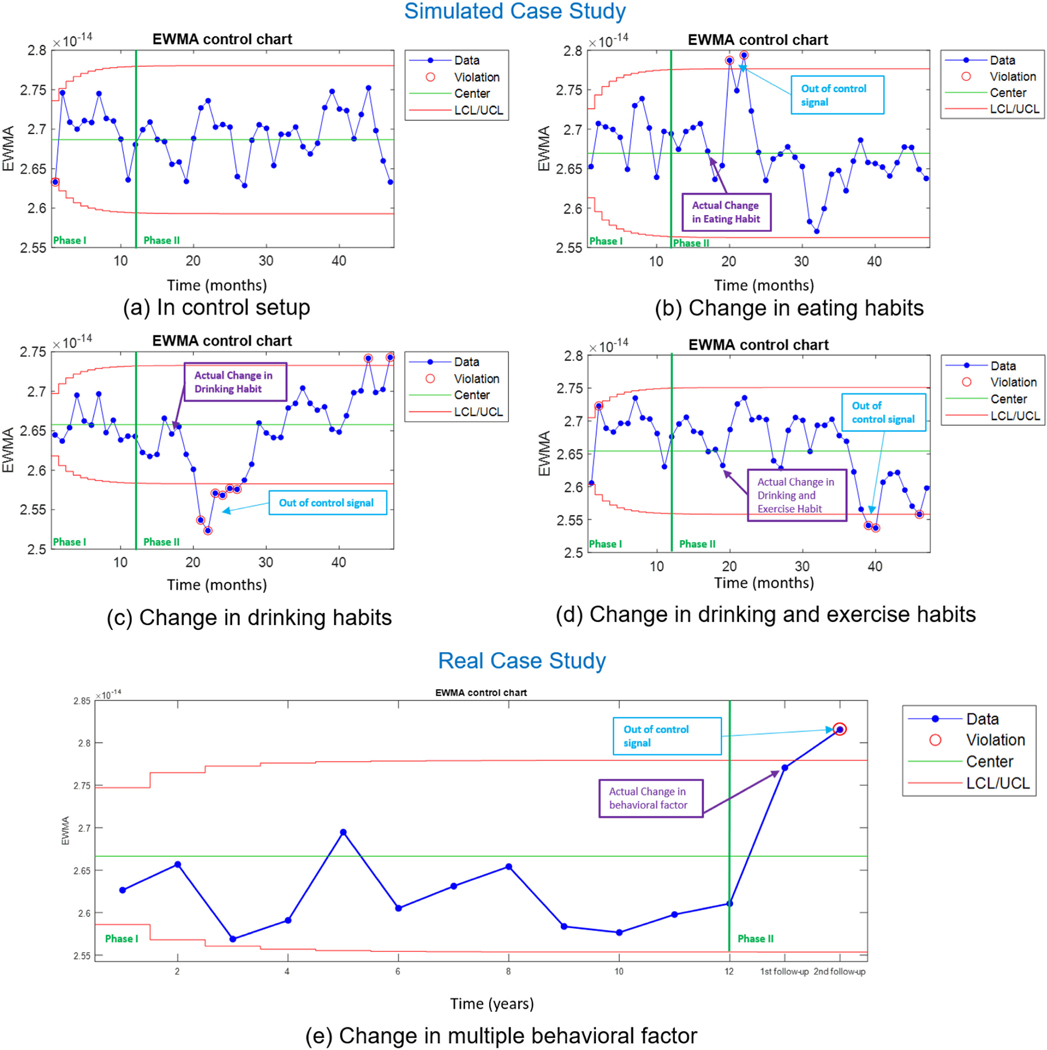
More than a quarter of all Americans are estimated to have multiple chronic conditions (MCC). It is known that shared modifiable lifestyle behaviors account for many common MCC. What is not precisely known is the dynamic effect of changes in lifestyle behaviors on the trajectories of MCC emergence. This paper proposes dynamic functional continuous time Bayesian networks to effectively formulate the dynamic effect of patients' modifiable lifestyle behaviors and their interaction with non-modifiable demographics and preexisting conditions on the emergence of MCC. The proposed method considers the parameters of the conditional dependencies of MCC as a nonlinear state-space model and develops an extended Kalman filter to capture the dynamics of the modifiable risk factors on the MCC evolution. It also develops a tensor-based control chart based on the integration of multilinear principal component analysis and multivariate exponentially weighted moving average chart to monitor the effect of changes in the modifiable risk factors on the risk of new MCC. We validate the proposed method based on a combination of simulation and a real dataset of 385 patients from the Cameron County Hispanic Cohort. The dataset examines the emergence of 5 chronic conditions (Diabetes, Obesity, Cognitive Impairment, Hyperlipidemia, Hypertension) based on 4 modifiable lifestyle behaviors representing (Diet, Exercise, Smoking Habits, Drinking Habits) and 3 non-modifiable demographic risk factors (Age, Gender, Education). For the simulated study, the proposed algorithm shows a run-length of 4 samples (4 months) to identify behavioral changes with significant impacts on the risk of new MCC. For the real data study, the proposed algorithm shows a run-length of one sample (one year) to identify behavioral changes with significant impacts on the risk of new MCC. The results demonstrate the sensitivity of the proposed methodology for dynamic prediction and monitoring of the risk of MCC emergence in individual patients.
Keywords: Extended Kalman filter (EKF); functional continuous time bayesian network (FCTBN); multilinear principal component analysis (MPCA); multiple chronic conditions (MCC); multivariate exponentially weighted moving average (MEWMA) control chart.
Figures
References
-
- Rappaport SM, “Genetic factors are not the major causes of chronic diseases,” PLoS ONE, vol. 11, no. 4, Apr. 2016, Art. no. e0154387. [Online]. Available: https://journals.plos.org/plosone/article?id=10.1371/journal.pone.0154387 - PMC - PubMed
-
- Goodman RA, Posner SF, Huang ES, Parekh AK, and Koh HK, “Defining and measuring chronic conditions: Imperatives for research, policy, program, and practice,” Preventing Chronic Disease, vol. 10, p. E66, Apr. 2013. [Online]. Available: https://www.ncbi.nlm.nih.gov/pmc/articles/PMC3652713/ - PMC - PubMed
-
- Campbell M. and Putnam M, “Reducing the shared burden of chronic conditions among persons aging with disability and older adults in the United States through bridging aging and disability,” Healthcare, vol. 5, no. 3, p. 56, Sep. 2017. [Online]. Available: https://www.mdpi.com/22279032/5/3/56 - PMC - PubMed
-
- Prados-Torres A, Calderón-Larrañaga A, Hancco-Saavedra J, Poblador-Plou B, and van den Akker M, “Multimorbidity patterns: A systematic review,” J. Clin. Epidemiol, vol. 67, no. 3, pp. 254–266, Mar. 2014. [Online]. Available: https://www.sciencedirect.com/science/article/pii/S0895435613004368 - PubMed
-
- Baker A, “Crossing the quality chasm: A new health system for the 21st century,” BMJ, vol. 323, no. 7322, p. 1192, Nov. 2001. [Online]. Available:https://www.bmj.com/content/323/7322/1192.1
Grants and funding
LinkOut - more resources
Full Text Sources