


Complex Posterior Glenohumeral Instability Case Management
- PMID: 35602811
- PMCID: PMC9117827
- DOI: 10.7759/cureus.24198
Complex Posterior Glenohumeral Instability Case Management
Abstract
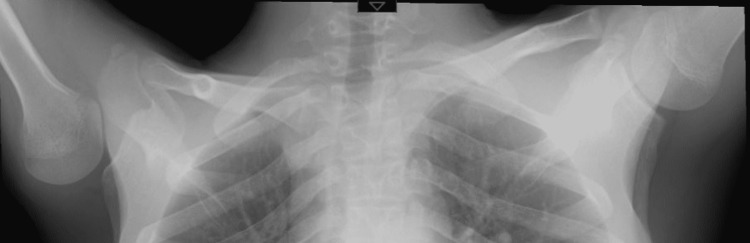
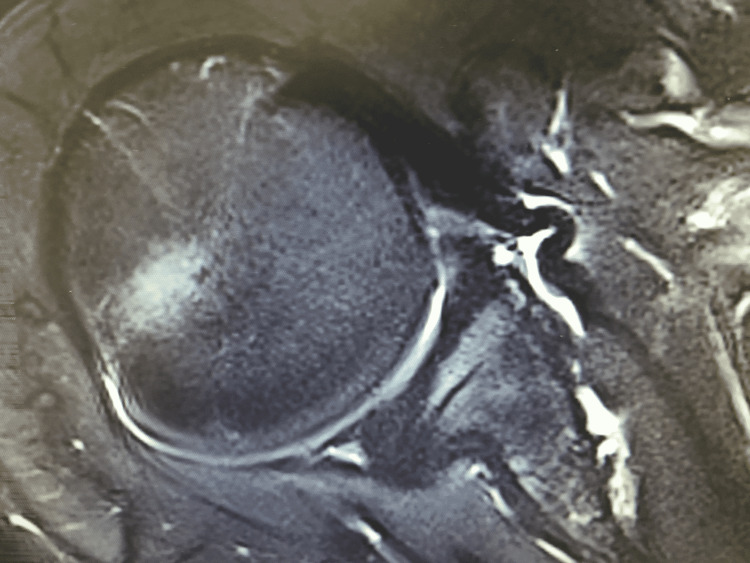
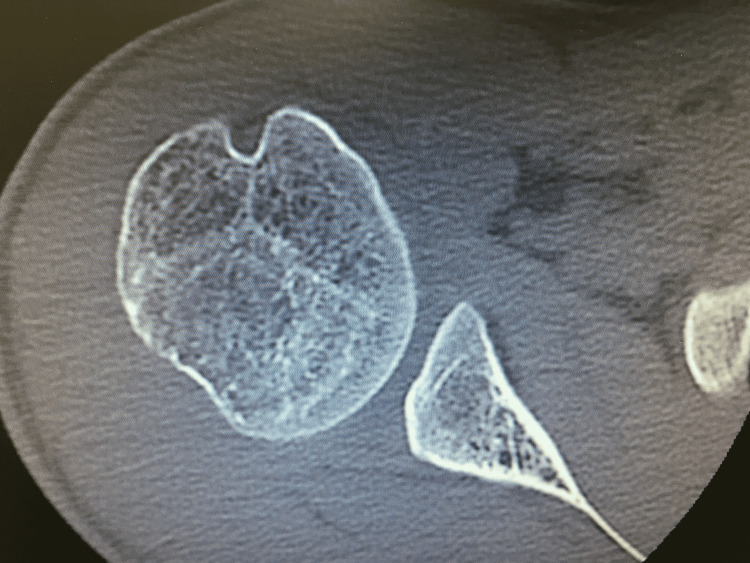
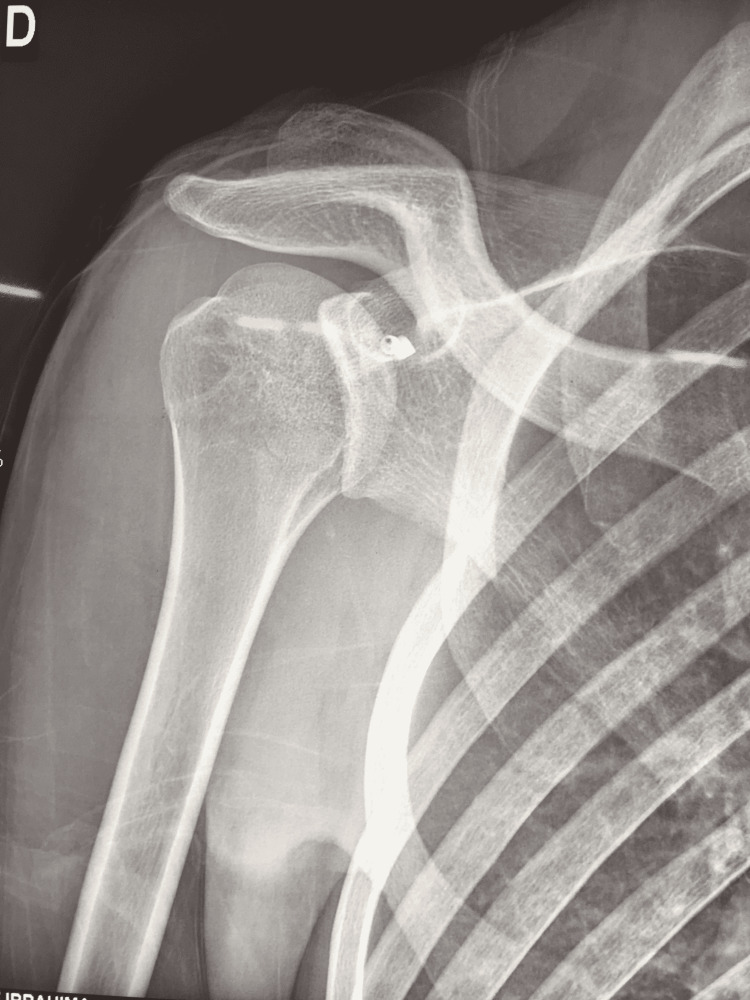
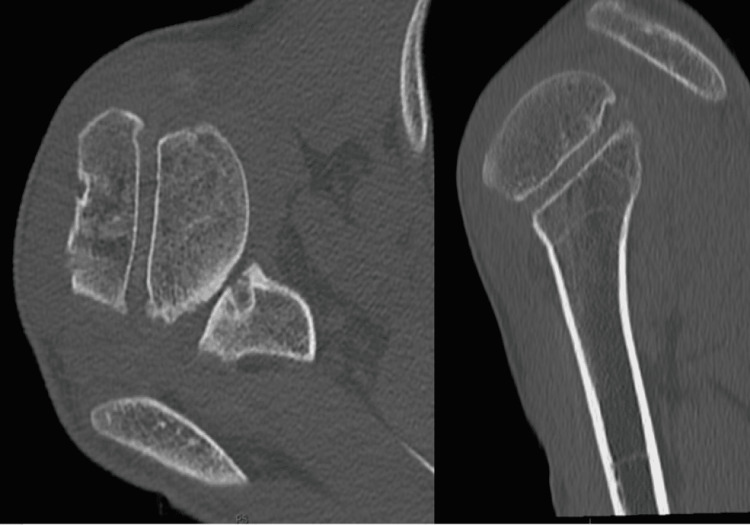
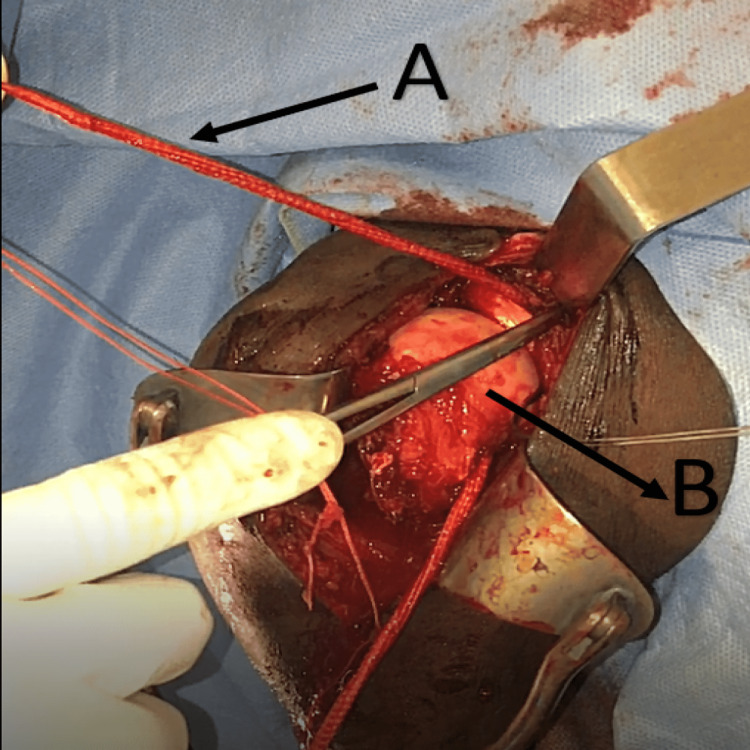
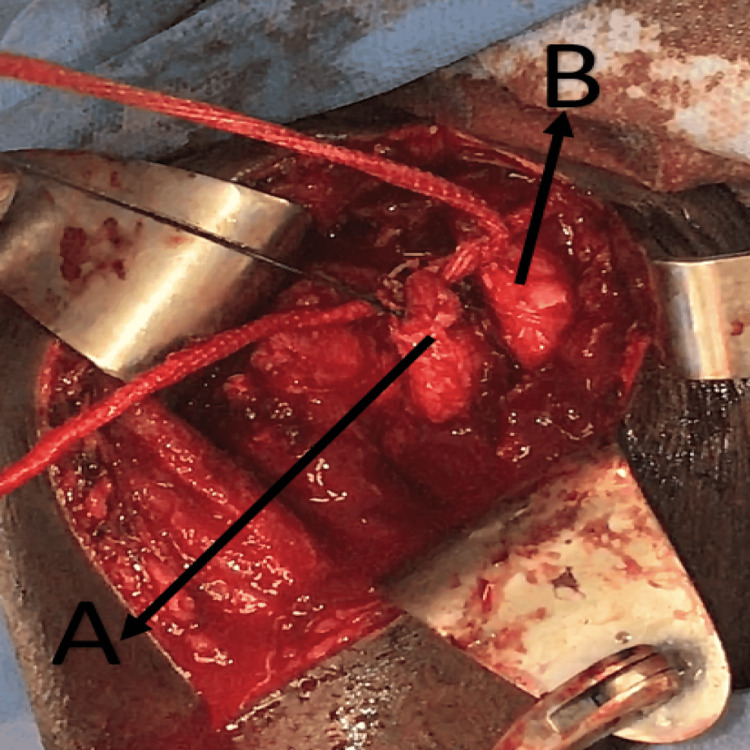
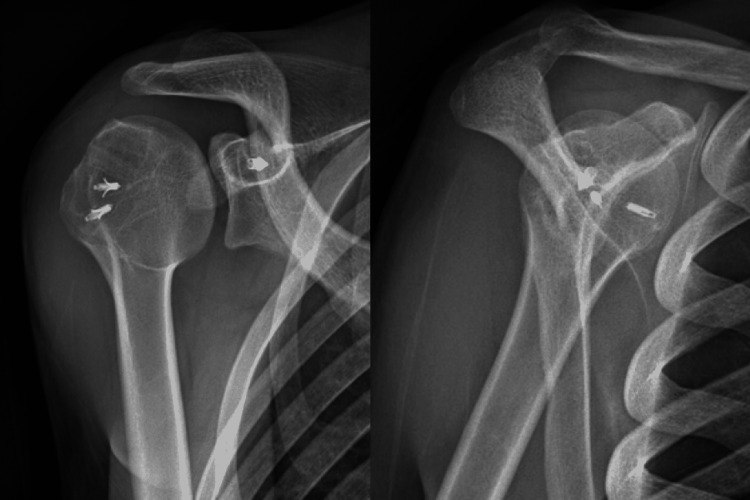
A 21-year-old male patient suffering from insidious shoulder instability from neurogenic and structural attenuation of shoulder stabilizer, due to old minor cerebrovascular accident, presented with a two-year history of repetitive shoulder dislocation, operated by fixing the biceps tendon to its insertion on the superior labrum, correction of the glenoid version and reattaching the subscapular tendon along with a new technique for stabilization of the shoulder replicating the coracohumeral ligament with a ligament advanced reinforcement system (LARS) transplant. Following structured physical therapy, our patient returned to normal daily activities at 15 months.
Keywords: coracohumeral ligament; glenohumeral joint; labrum; posterior shoulder instability; surgical technique.
Copyright © 2022, Melhem et al.
Conflict of interest statement
The authors have declared that no competing interests exist.
Figures
References
-
- Rehabilitation for shoulder instability. Jaggi A, Lambert S. Br J Sports Med. 2010;44:333–340. - PubMed
-
- Posterior-inferior capsular shift for the treatment of recurrent, voluntary posterior subluxation of the shoulder. Fuchs B, Jost B, Gerber C. J Bone Joint Surg Am. 2000;82:16–25. - PubMed
-
- Thoracohumeral muscle activity alters glenohumeral joint biomechanics during active abduction. Konrad GG, Jolly JT, Labriola JE, McMahon PJ, Debski RE. J Orthop Res. 2006;24:748–756. - PubMed
-
- Muscle activity and coordination in the normal shoulder. An electromyographic study. Kronberg M, Nemeth G, Brostrom LA. https://europepmc.org/article/med/2379377 Clin Orthop Relat Res. 1990;257:76–85. - PubMed
Publication types
LinkOut - more resources
Full Text Sources