


NR5A2/LRH-1 regulates the PTGS2-PGE2-PTGER1 pathway contributing to pancreatic islet survival and function
- PMID: 35602948
- PMCID: PMC9117883
- DOI: 10.1016/j.isci.2022.104345
NR5A2/LRH-1 regulates the PTGS2-PGE2-PTGER1 pathway contributing to pancreatic islet survival and function
Abstract
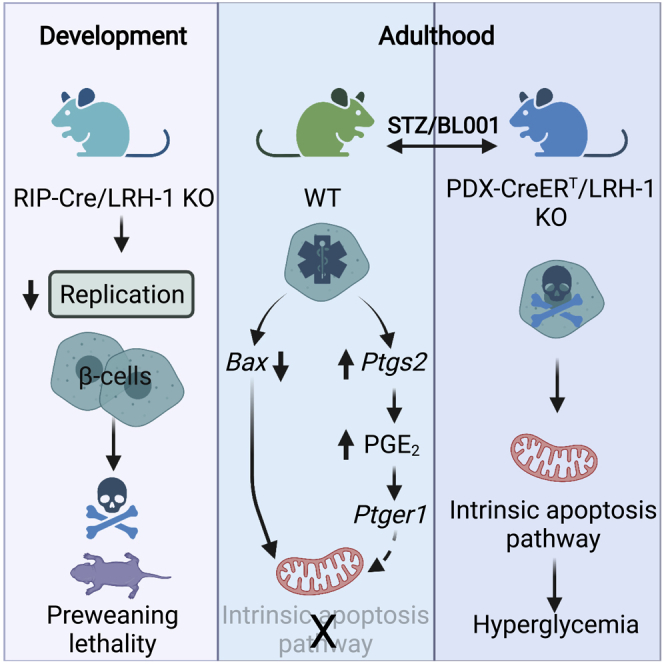
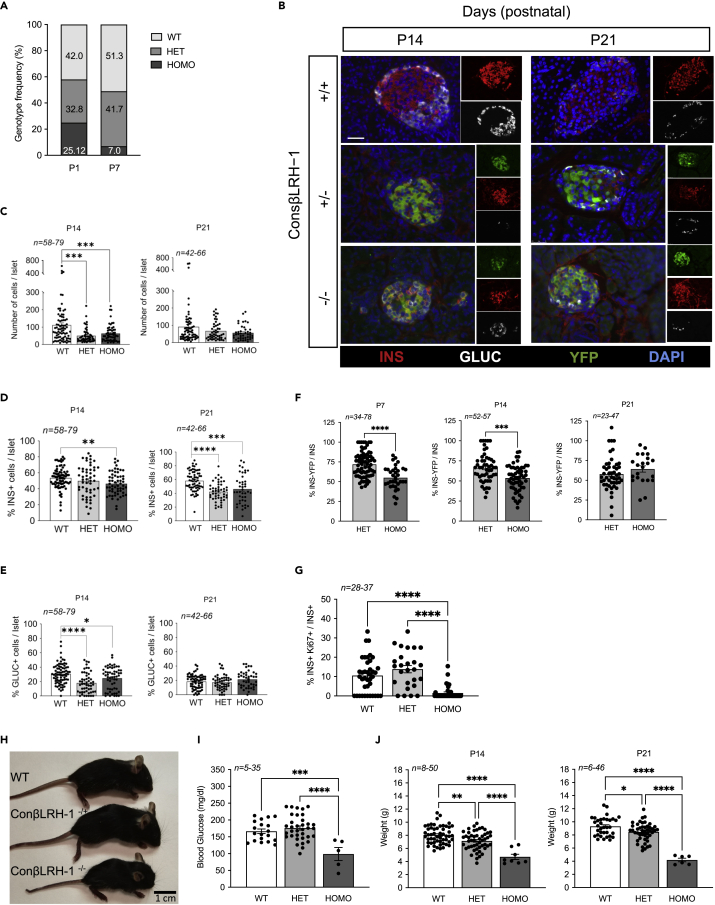
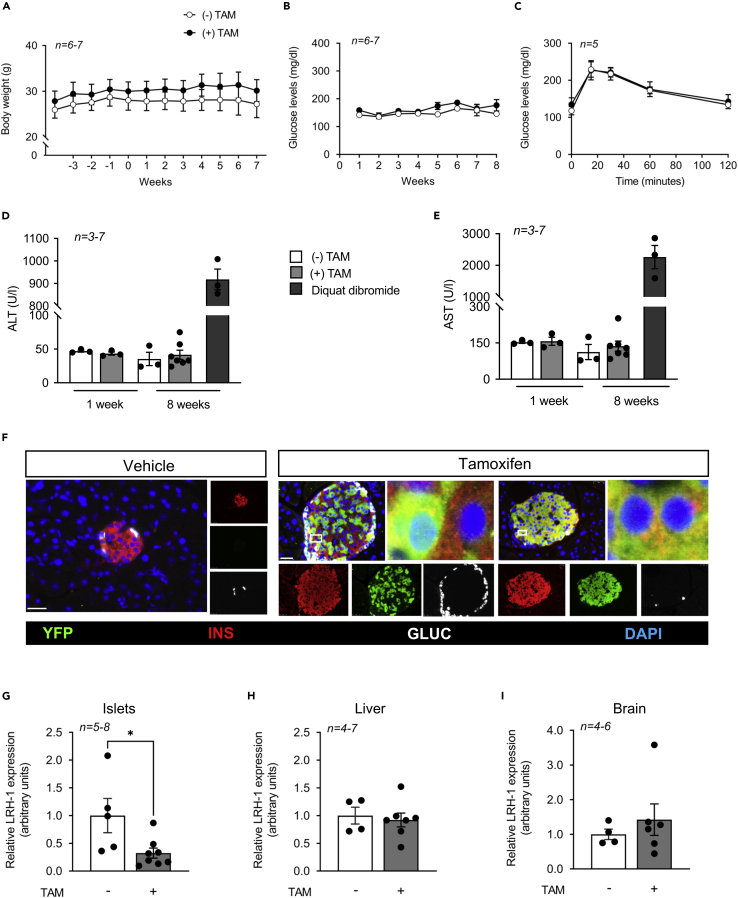
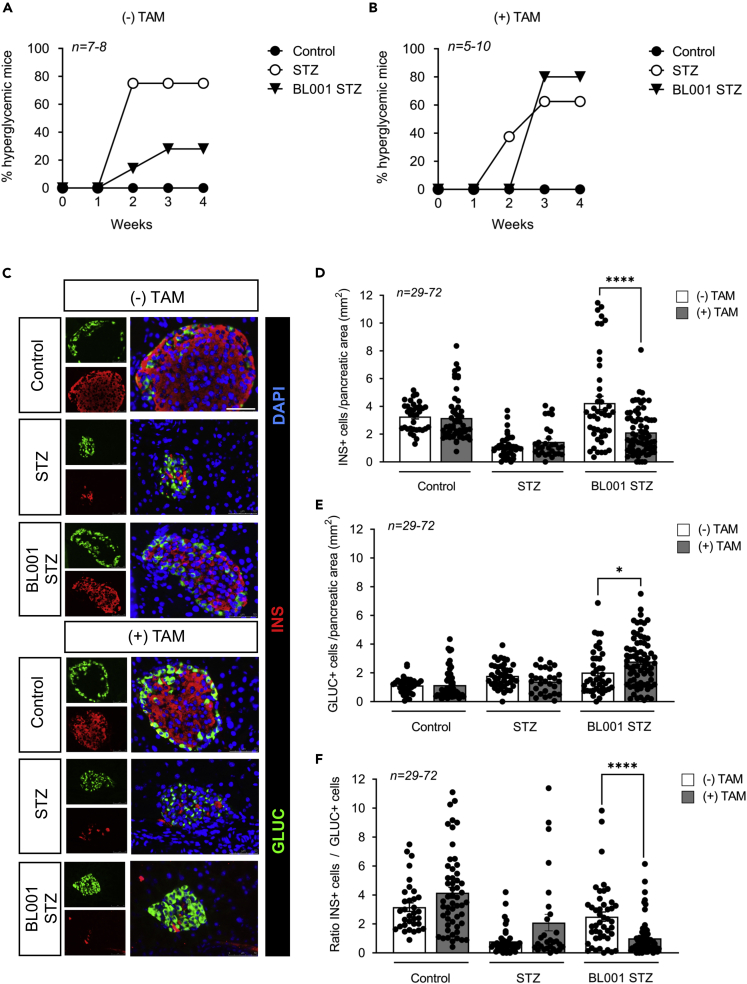
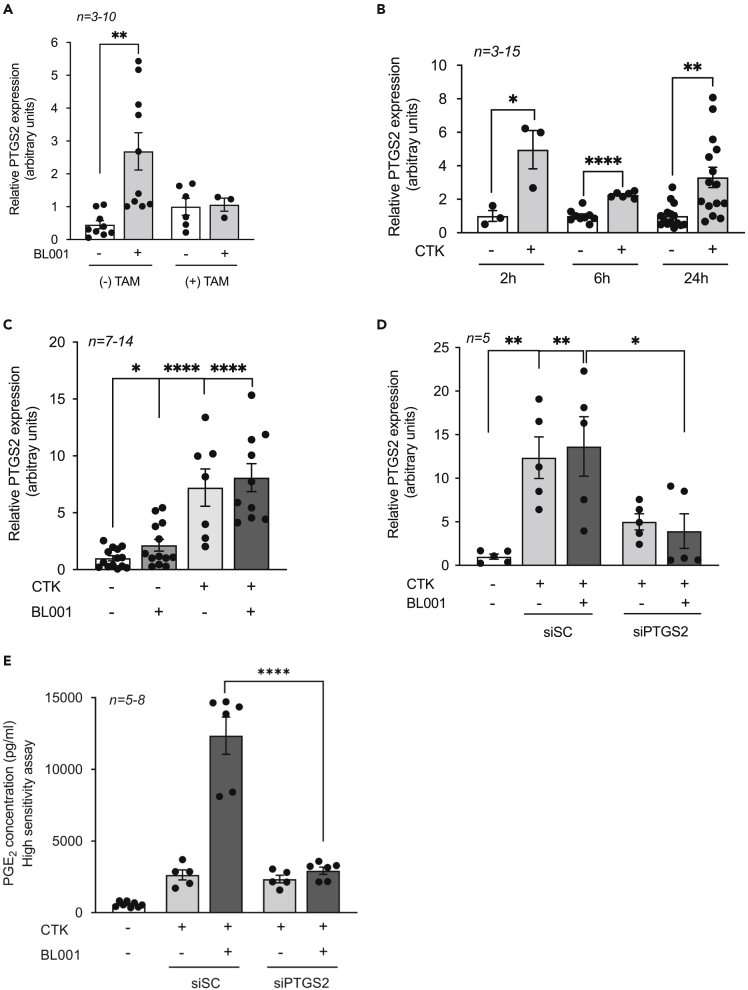
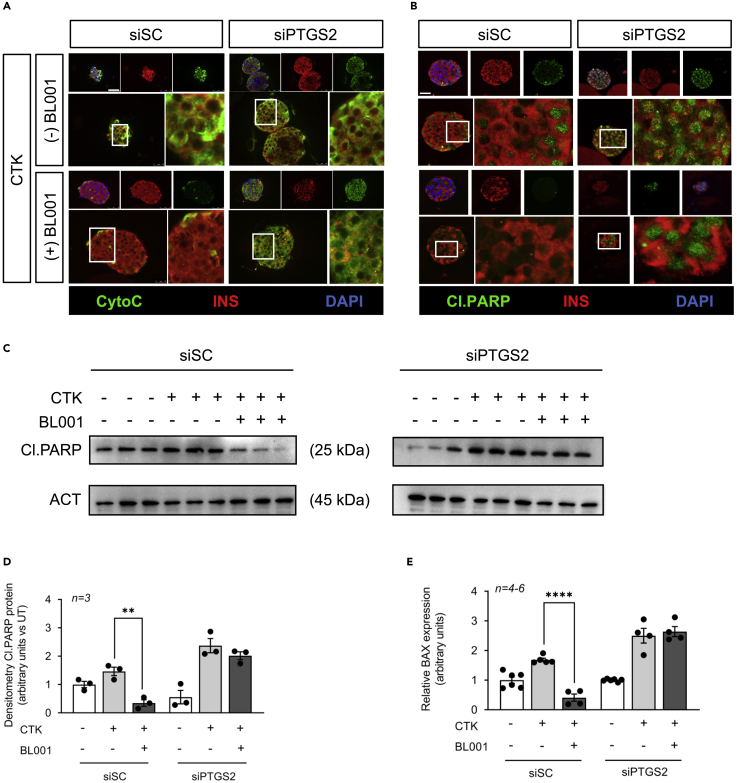
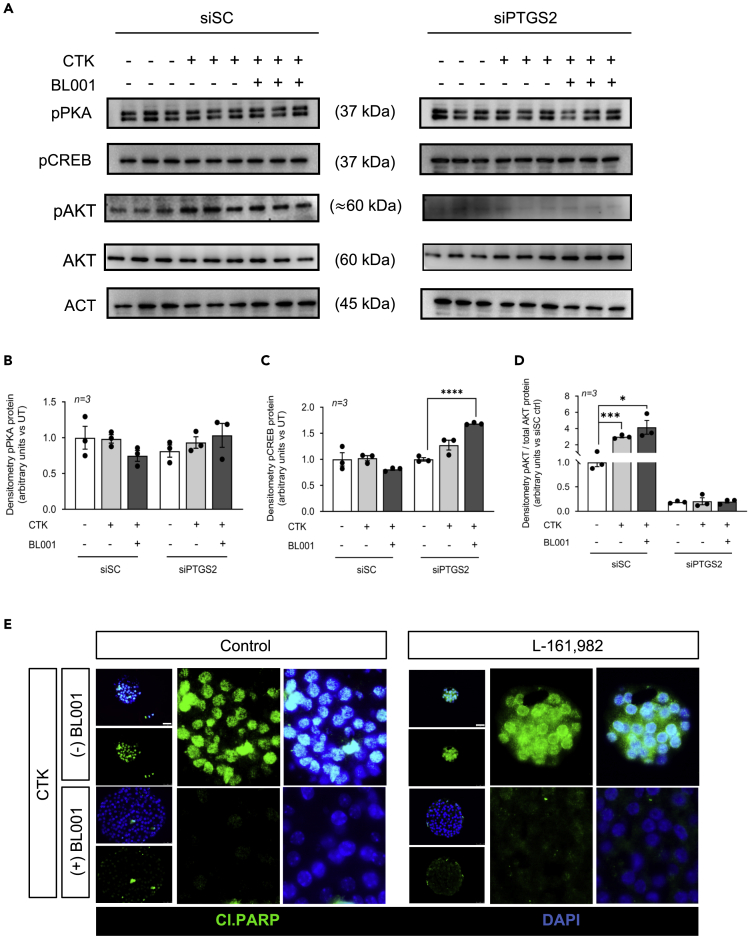
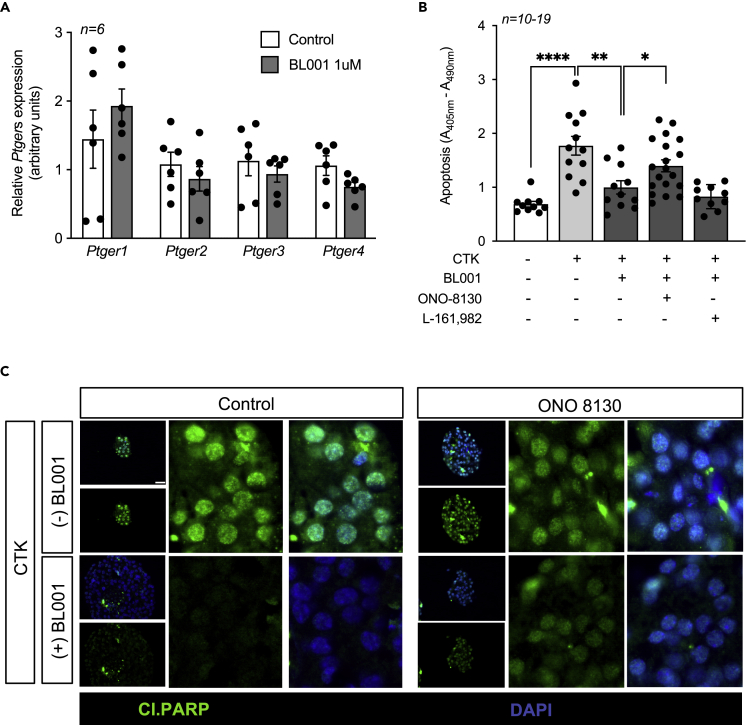
LRH-1/NR5A2 is implicated in islet morphogenesis postnatally, and its activation using the agonist BL001 protects islets against apoptosis, reverting hyperglycemia in mouse models of Type 1 Diabetes Mellitus. Islet transcriptome profiling revealed that the expression of PTGS2/COX2 is increased by BL001. Herein, we sought to define the role of LRH-1 in postnatal islet morphogenesis and chart the BL001 mode of action conferring beta cell protection. LRH-1 ablation within developing beta cells impeded beta cell proliferation, correlating with mouse growth retardation, weight loss, and hypoglycemia leading to lethality. LRH-1 deletion in adult beta cells abolished the BL001 antidiabetic action, correlating with beta cell destruction and blunted Ptgs2 induction. Islet PTGS2 inactivation led to reduced PGE2 levels and loss of BL001 protection against cytokines as evidenced by increased cytochrome c release and cleaved-PARP. The PTGER1 antagonist-ONO-8130-negated BL001-mediated islet survival. Our results define the LRH-1/PTGS2/PGE2/PTGER1 signaling axis as a key pathway mediating BL001 survival properties.
Keywords: Molecular biology; Physiology.
© 2022 The Author(s).
Conflict of interest statement
Two patents (WO, 2011 144725 A2 and WO, 2016 156531 A1) related to BL001 have been published of which B.R.G. and N.C.V. are inventors. These patents have been licensed to ARIDDAD Therapeutics, a Biotech spinoff cofounded by B.R.G. and N.C.V. along with European business partners. The other authors declare no competing interests.
Figures
References
-
- Baquie M., St-Onge L., Kerr-Conte J., Cobo-Vuilleumier N., Lorenzo P.I., Jimenez Moreno C.M., Cederroth C.R., Nef S., Borot S., Bosco D., et al. The liver receptor homolog-1 (LRH-1) is expressed in human islets and protects β-cells against stress-induced apoptosis. Hum. Mol. Genet. 2011;20:2823–2833. doi: 10.1093/hmg/ddr193. ddr193 [pii]10.1093/hmg/ddr193. - DOI - PubMed
-
- Blondeau B., Sahly I., Massourides E., Singh-Estivalet A., Valtat B., Dorchene D., Jaisser F., Breant B., Tronche F. Novel transgenic mice for inducible gene overexpression in pancreatic cells define glucocorticoid receptor-mediated regulations of beta cells. PLoS One. 2012;7:e30210. doi: 10.1371/journal.pone.0030210. - DOI - PMC - PubMed
-
- Bosma K.J., Andrei S.R., Katz L.S., Smith A.A., Dunn J.C., Ricciardi V.F., Ramirez M.A., Baumel-Alterzon S., Pace W.A., Carroll D.T., Overway E.M., Wolf E.M., Kimple M.E., Sheng Q., Scott D.K., Breyer R.M., Gannon M. Pharmacological blockade of the EP3 prostaglandin E2 receptor in the setting of Type 2 diabetes enhances beta-cell proliferation and identity, and relieves oxidative damage. Mol. Metab. 2021;54:101347. doi: 10.1016/j.molmet.2021.101347. - DOI - PMC - PubMed
-
- Botrugno O.A., Fayard E., Annicotte J.S., Haby C., Brennan T., Wendling O., Tanaka T., Kodama T., Thomas W., Auwerx J., Schoonjans K. Synergy between LRH-1 and beta-catenin induces G1 cyclin-mediated cell proliferation. Mol. Cell. 2004;15:499–509. doi: 10.1016/j.molcel.2004.07.009. [pii] - DOI - PubMed
Grants and funding
LinkOut - more resources
Full Text Sources
Molecular Biology Databases
Research Materials
