


Dcp2 C-terminal cis-binding elements control selective targeting of the decapping enzyme by forming distinct decapping complexes
- PMID: 35604319
- PMCID: PMC9170289
- DOI: 10.7554/eLife.74410
Dcp2 C-terminal cis-binding elements control selective targeting of the decapping enzyme by forming distinct decapping complexes
Abstract
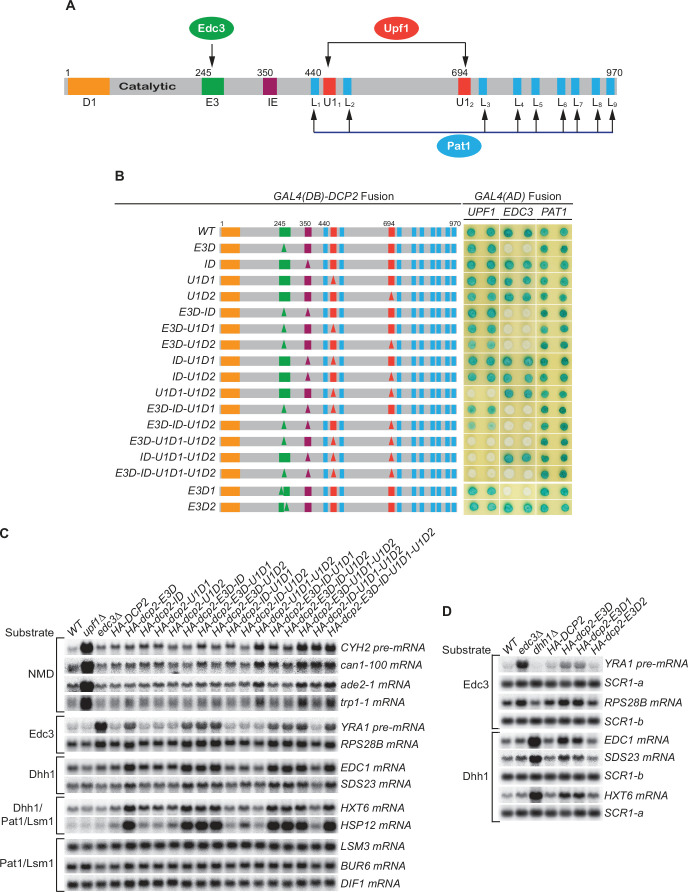
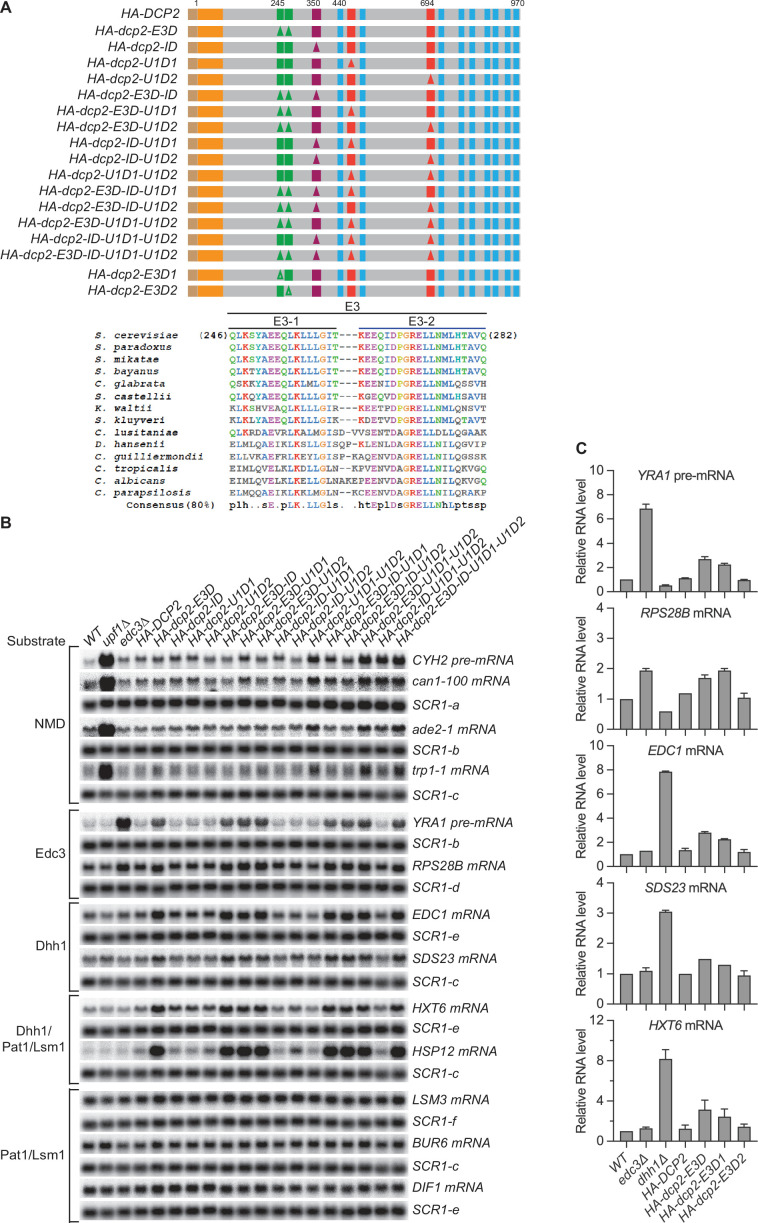
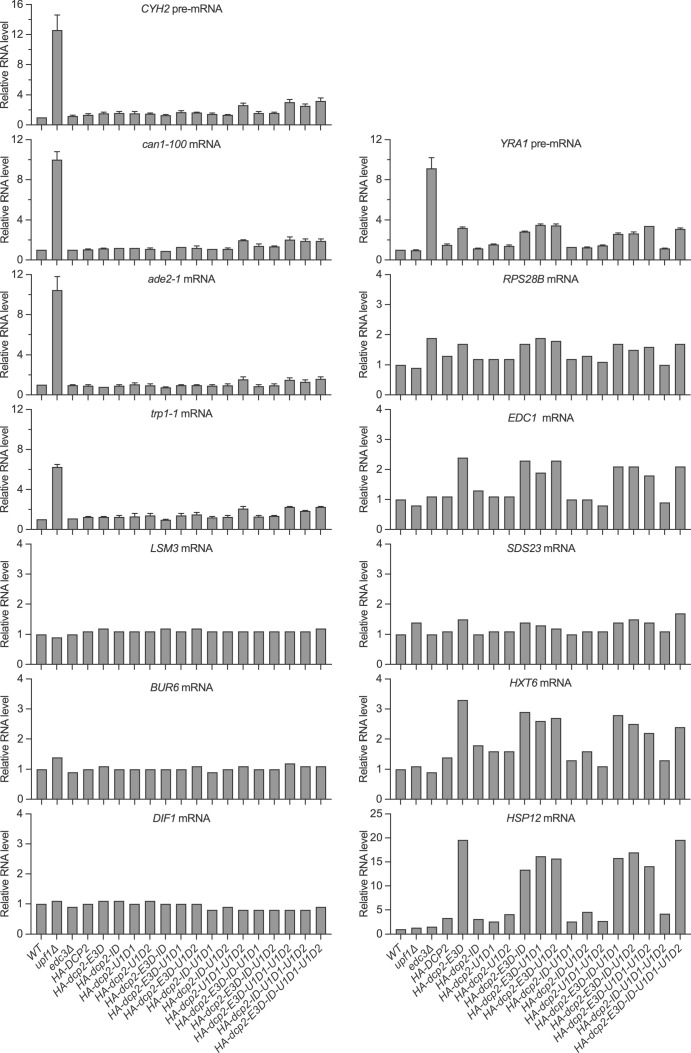
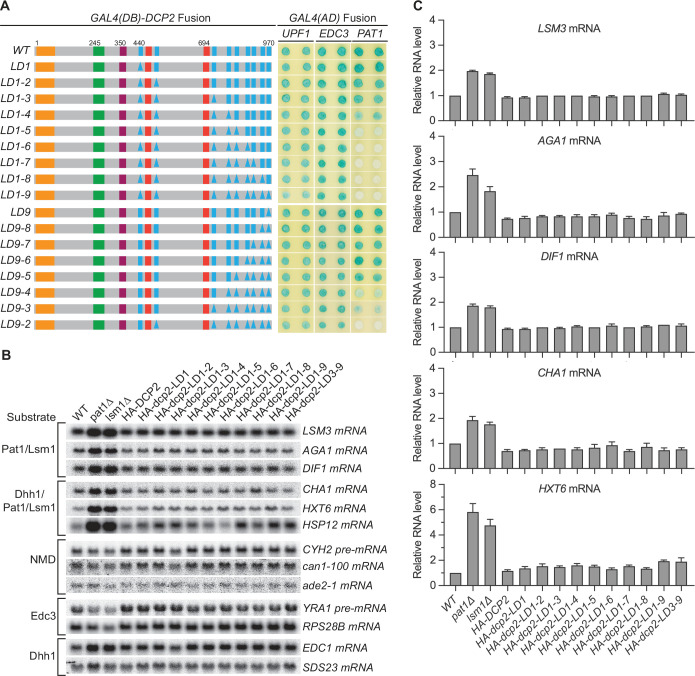
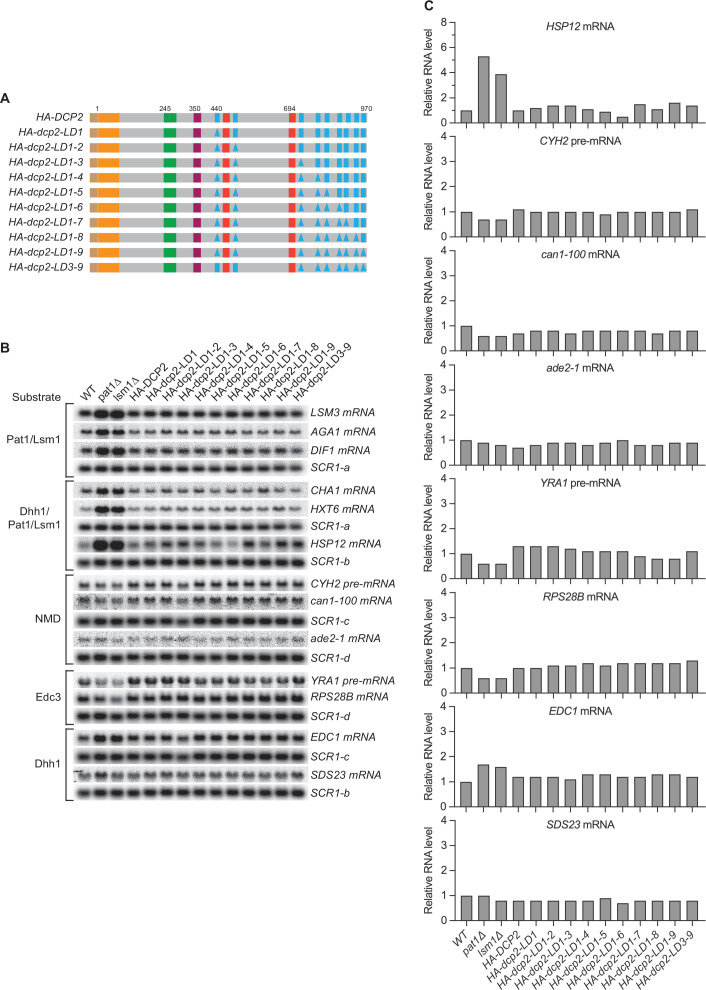
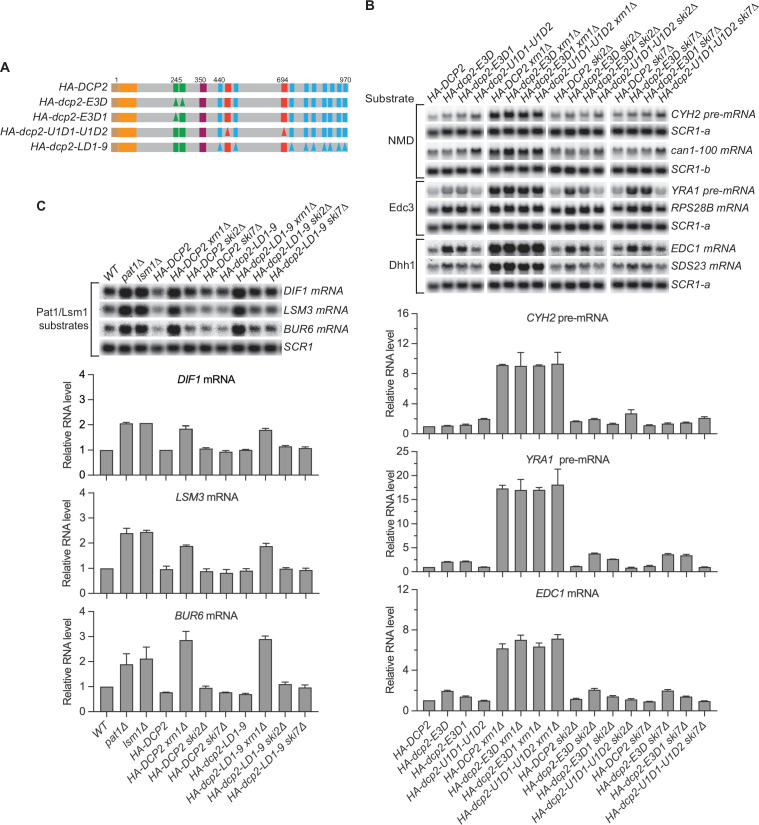
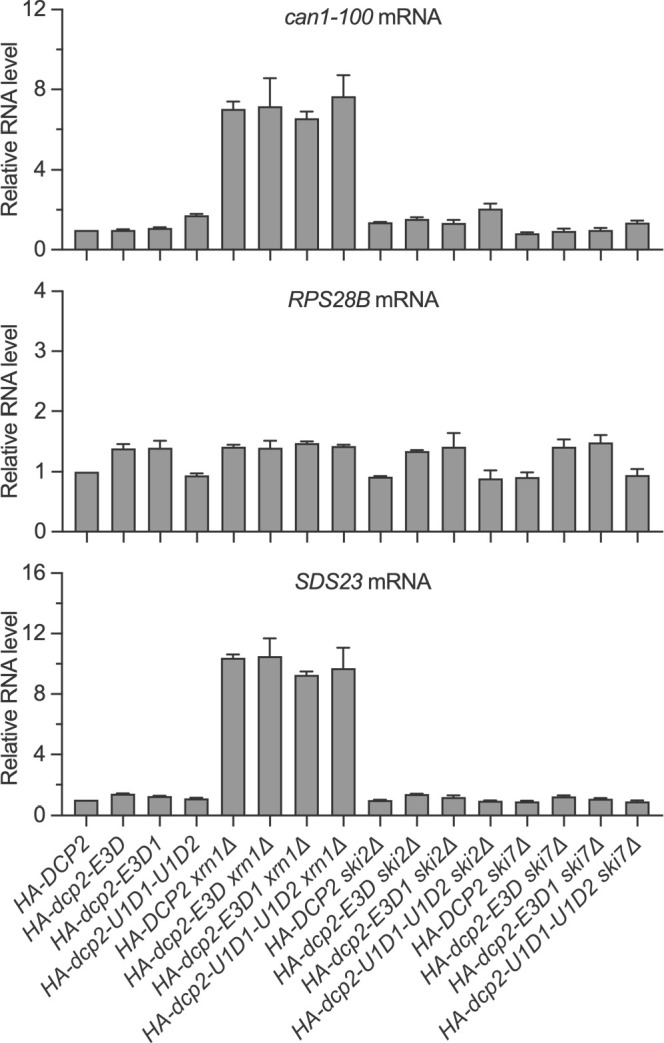
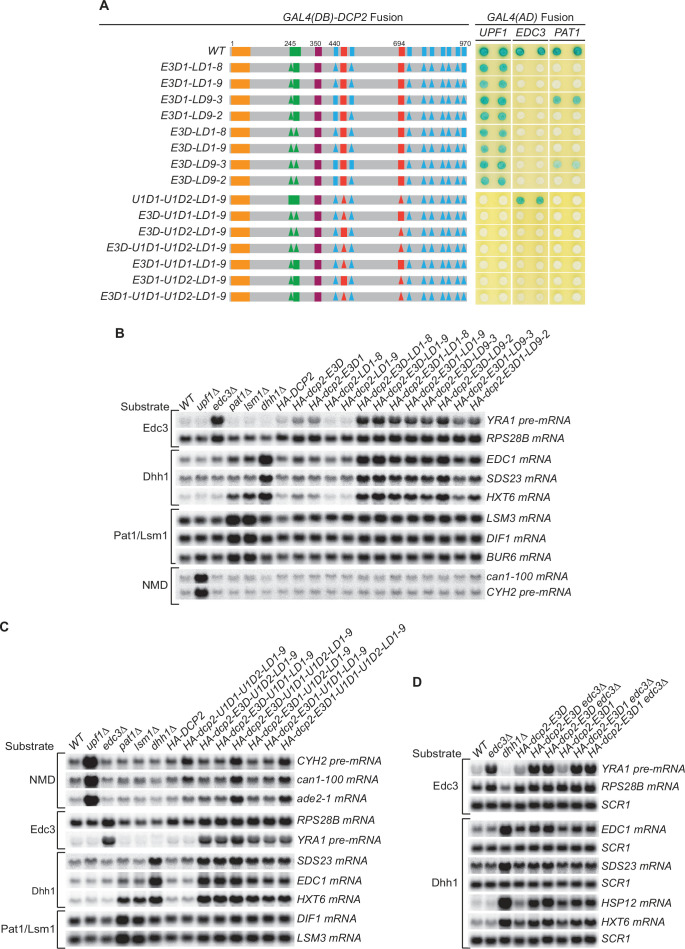
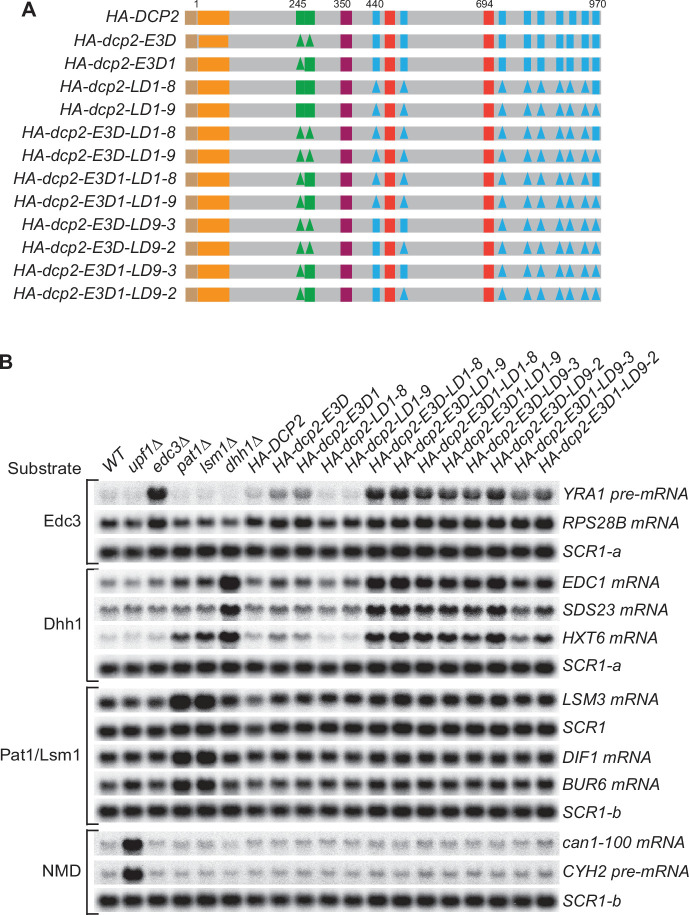
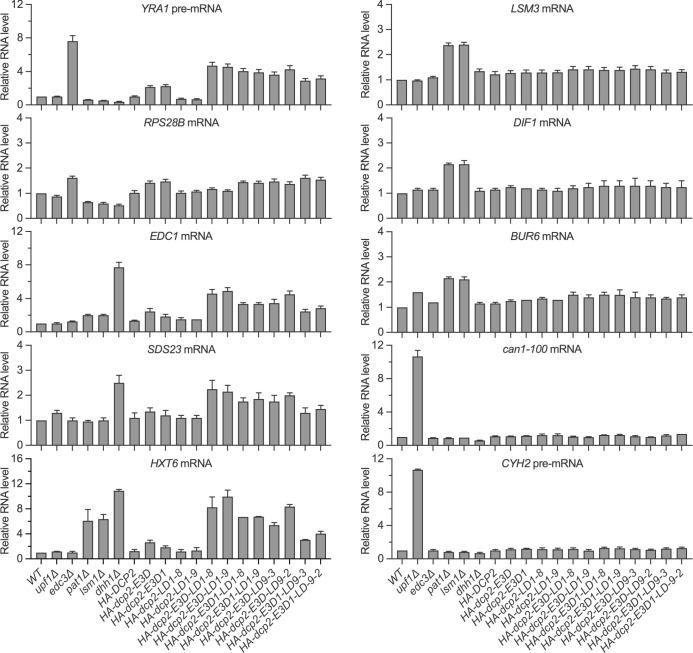
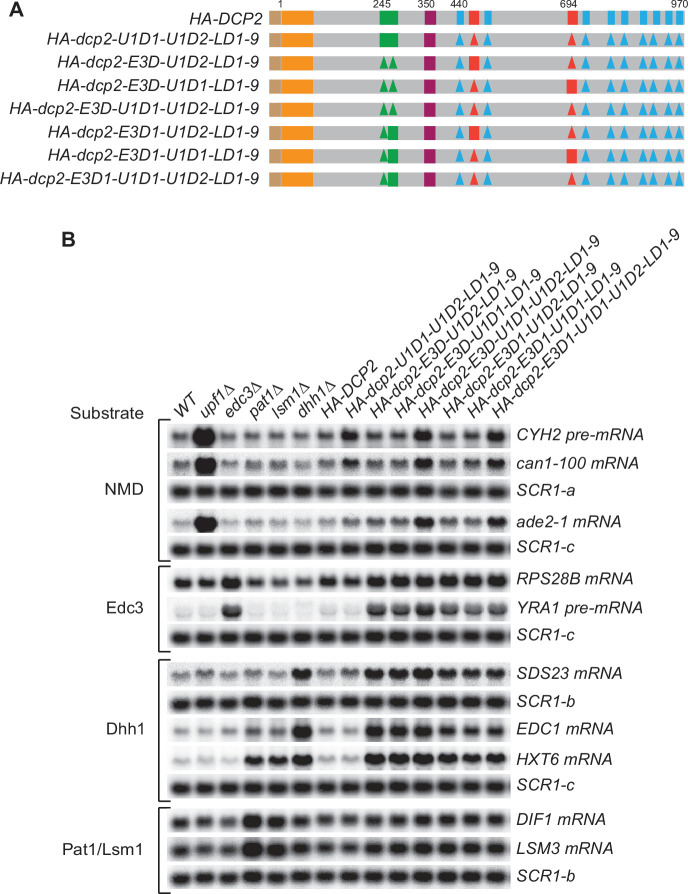
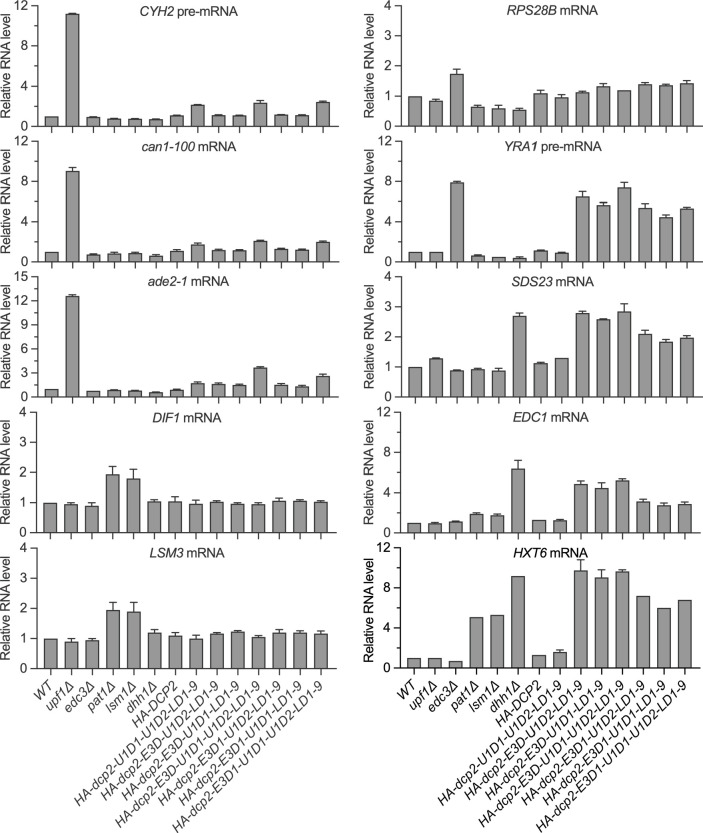
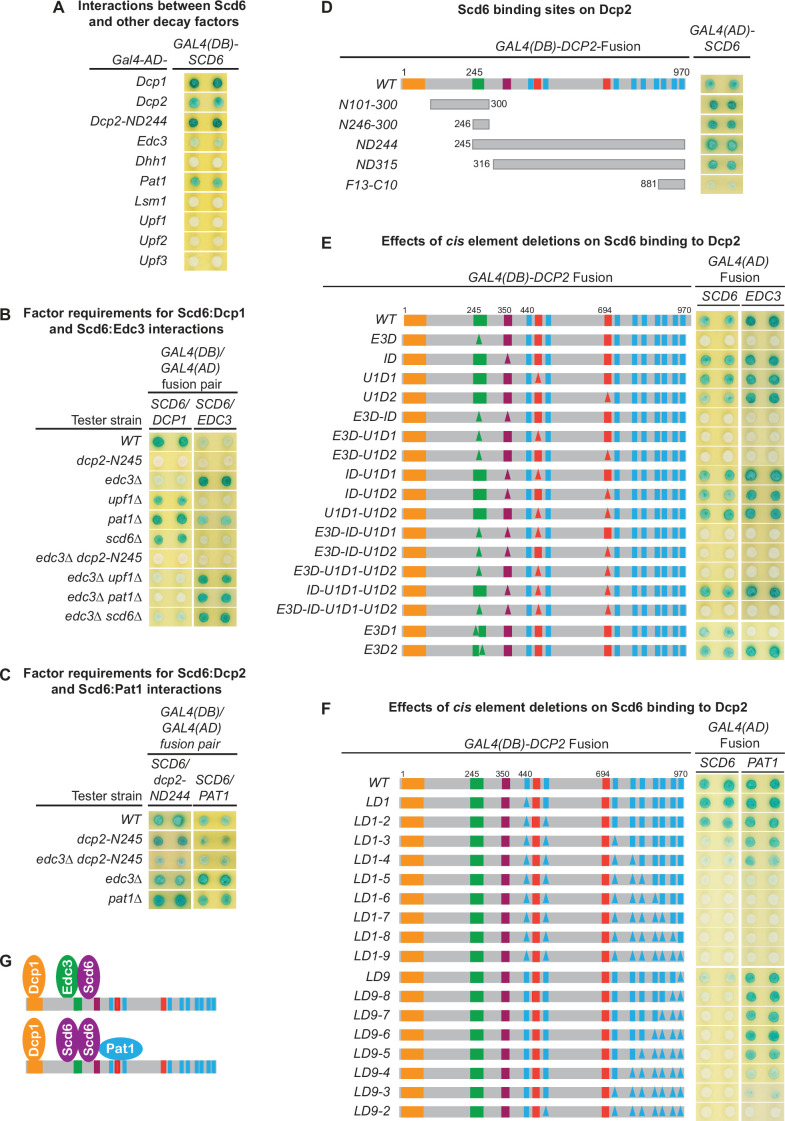
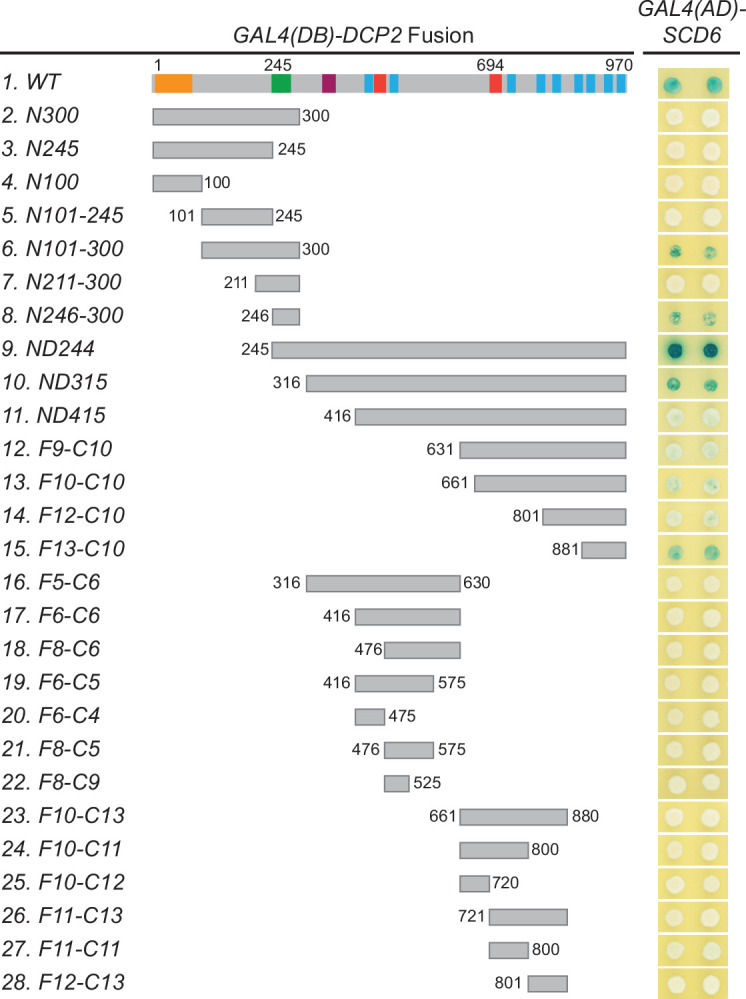
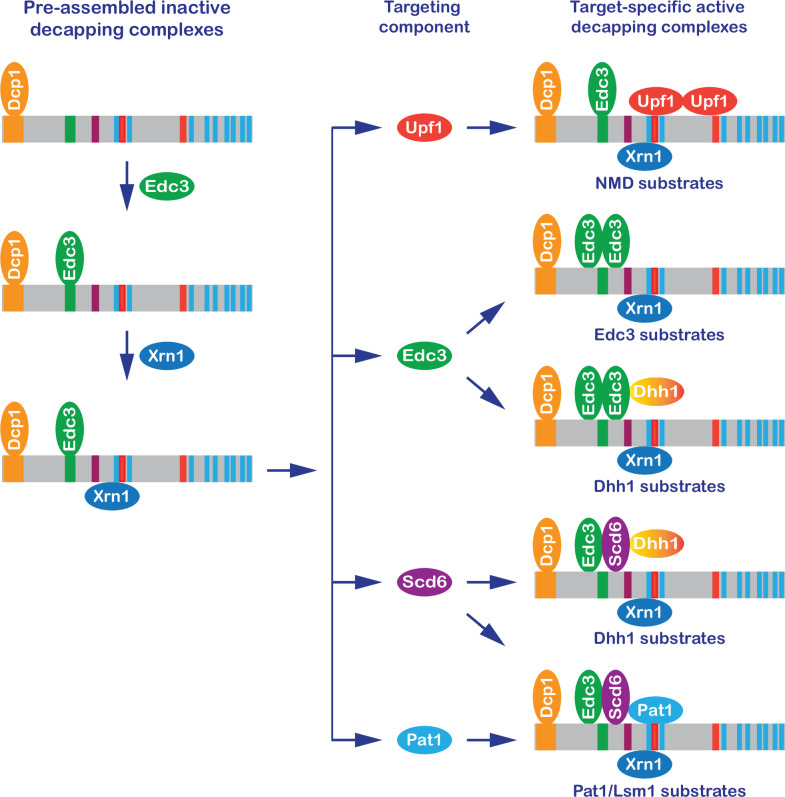
A single Dcp1-Dcp2 decapping enzyme targets diverse classes of yeast mRNAs for decapping-dependent 5' to 3' decay, but the molecular mechanisms controlling mRNA selectivity by the enzyme remain elusive. Through extensive genetic analyses we reveal that Dcp2 C-terminal domain cis-regulatory elements control decapping enzyme target specificity by orchestrating formation of distinct decapping complexes. Two Upf1-binding motifs direct the decapping enzyme to nonsense-mediated mRNA decay substrates, a single Edc3-binding motif targets both Edc3 and Dhh1 substrates, and Pat1-binding leucine-rich motifs target Edc3 and Dhh1 substrates under selective conditions. Although it functions as a unique targeting component of specific complexes, Edc3 is a common component of multiple complexes. Scd6 and Xrn1 also have specific binding sites on Dcp2, allowing them to be directly recruited to decapping complexes. Collectively, our results demonstrate that Upf1, Edc3, Scd6, and Pat1 function as regulatory subunits of the holo-decapping enzyme, controlling both its substrate specificity and enzymatic activation.
Keywords: Dcp2; Edc3; NMD; Pat1; S. cerevisiae; Upf1; Xrn1; chromosomes; gene expression; genetics; genomics.
© 2022, He et al.
Conflict of interest statement
FH, CW No competing interests declared, AJ is co-founder, director, and Scientific Advisory Board chair for PTC Therapeutics Inc
Figures
References
MeSH terms
Substances
Associated data
Grants and funding
LinkOut - more resources
Full Text Sources
Molecular Biology Databases
Miscellaneous
