


In vitro anti-influenza assessment of anionic compounds ascorbate, acetate and citrate
- PMID: 35606770
- PMCID: PMC9125540
- DOI: 10.1186/s12985-022-01823-0
In vitro anti-influenza assessment of anionic compounds ascorbate, acetate and citrate
Erratum in
-
Correction to: In vitro anti-influenza assessment of anionic compounds ascorbate, acetate and citrate.Virol J. 2022 Jun 21;19(1):105. doi: 10.1186/s12985-022-01832-z. Virol J. 2022. PMID: 35729614 Free PMC article. No abstract available.
Abstract
Background: Influenza A virus (IAV) infection remains a serious public health threat. Due to drug resistance and side effects of the conventional antiviral drugs, repurposing the available natural compounds with high tolerability and fewer side effects has attracted researchers' attention. The aim of this study was to screen in vitro anti-influenza activity of three anionic compounds ascorbate, acetate, and citrate.
Methods: The non-cytotoxic concentration of the compounds was determined by MTT assay and examined for the activity against IAV in simultaneous, pre-, and post-penetration combination treatments over 1 h incubation on Madin-Darby Canine Kidney (MDCK) cell line. The virus titer and viral load were determined using hemagglutination assay (HA) and qPCR, respectively. Few pro-inflammatory and anti-inflammatory cytokines were evaluated at RNA and protein levels by qPCR and ELISA, respectively.
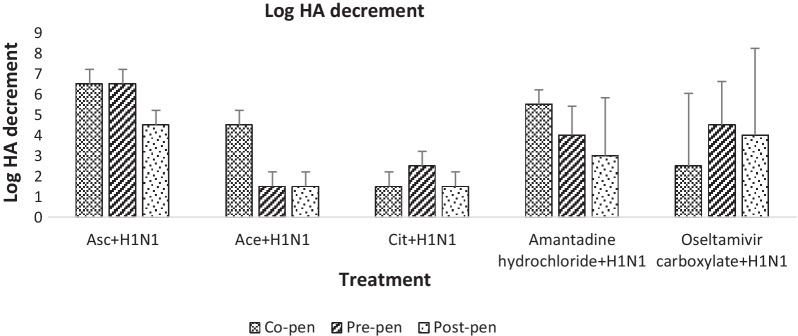
Results: The non-cytotoxic concentrations of the ascorbate (200 mg/ml), acetate and citrate (both 3 mg/ml) reduced the viral titer by 6.5, 4.5, and 1.5 logs in the simultaneous combination treatment. The M protein gene copy number decreased significantly in simultaneous treatment (P < 0.01). The expression of cytokines was also affected by the treatment of these compounds.
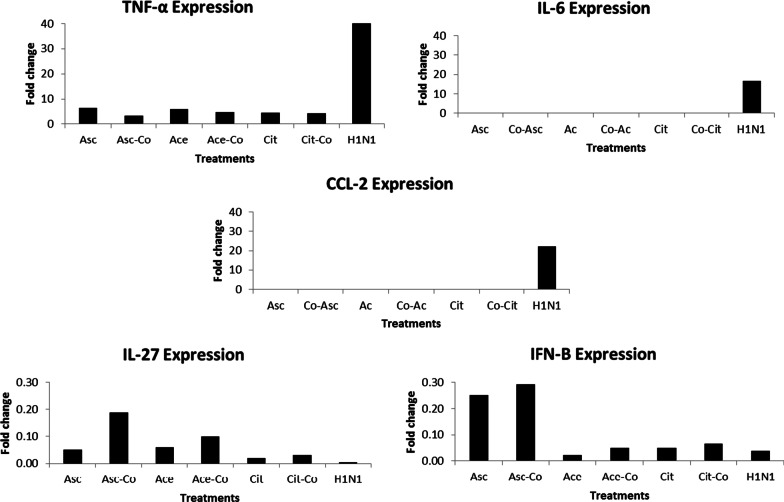
Conclusions: These anionic compounds could affect the influenza virus load, thereby reducing pro-inflammatory cytokines and increasing anti-inflammatory cytokines levels.
Keywords: Acetate; Ascorbate; Citrate; Cytokine; Influenza A virus.
© 2022. The Author(s).
Conflict of interest statement
Authors declare that they have no conflicts of interest.
Figures

References
MeSH terms
Substances
LinkOut - more resources
Full Text Sources
Medical
