


Systematic analysis of Kaposi's sarcoma (KS)-associated herpesvirus genomes from a KS case-control study in Cameroon: Evidence of dual infections but no association between viral sequence variation and KS risk
- PMID: 35608873
- PMCID: PMC10043945
- DOI: 10.1002/ijc.34136
Systematic analysis of Kaposi's sarcoma (KS)-associated herpesvirus genomes from a KS case-control study in Cameroon: Evidence of dual infections but no association between viral sequence variation and KS risk
Abstract
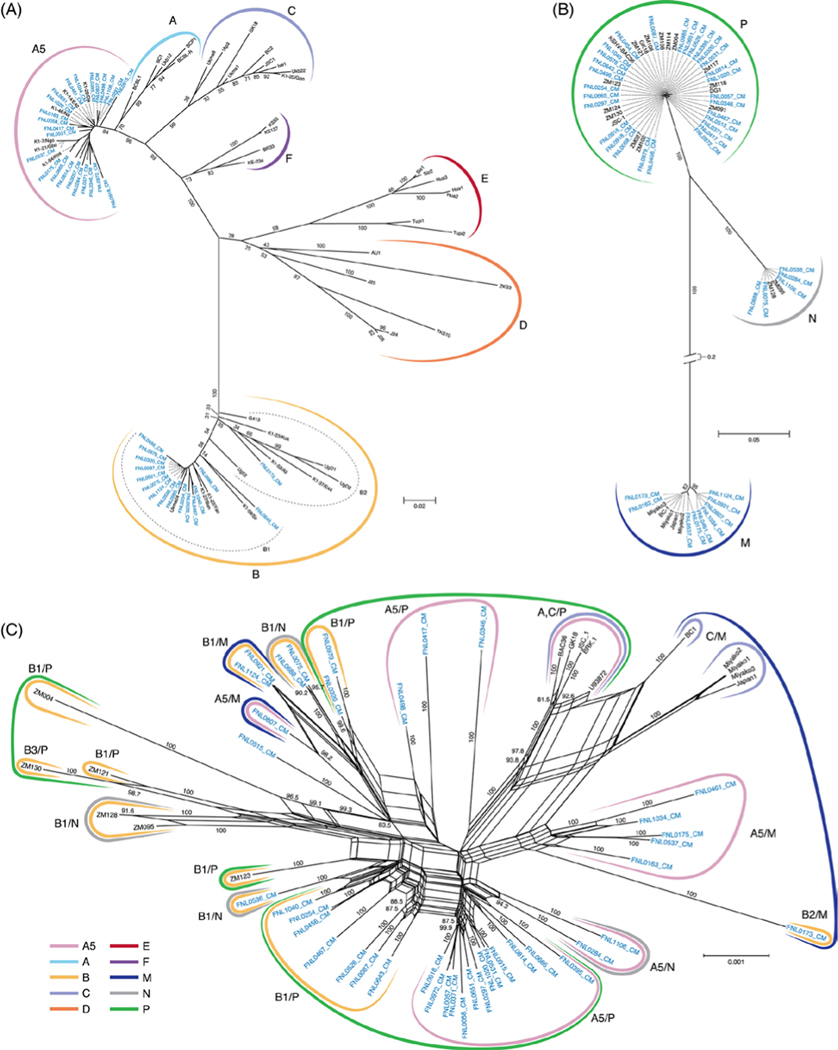
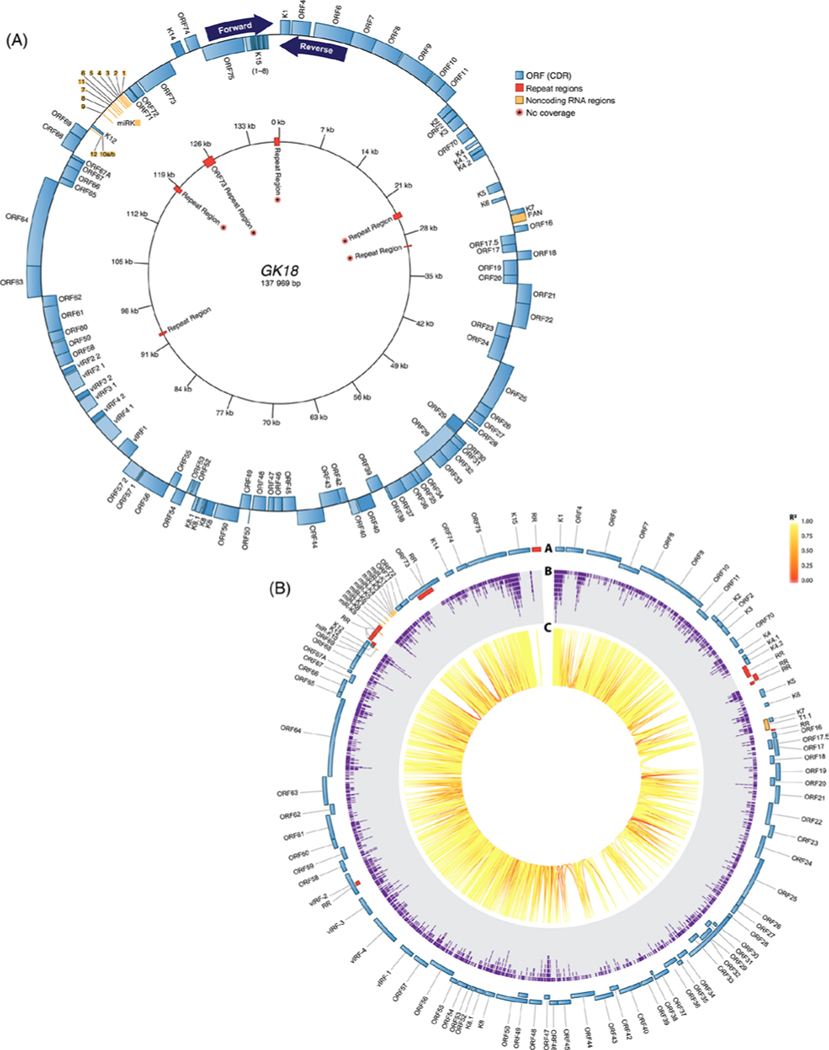
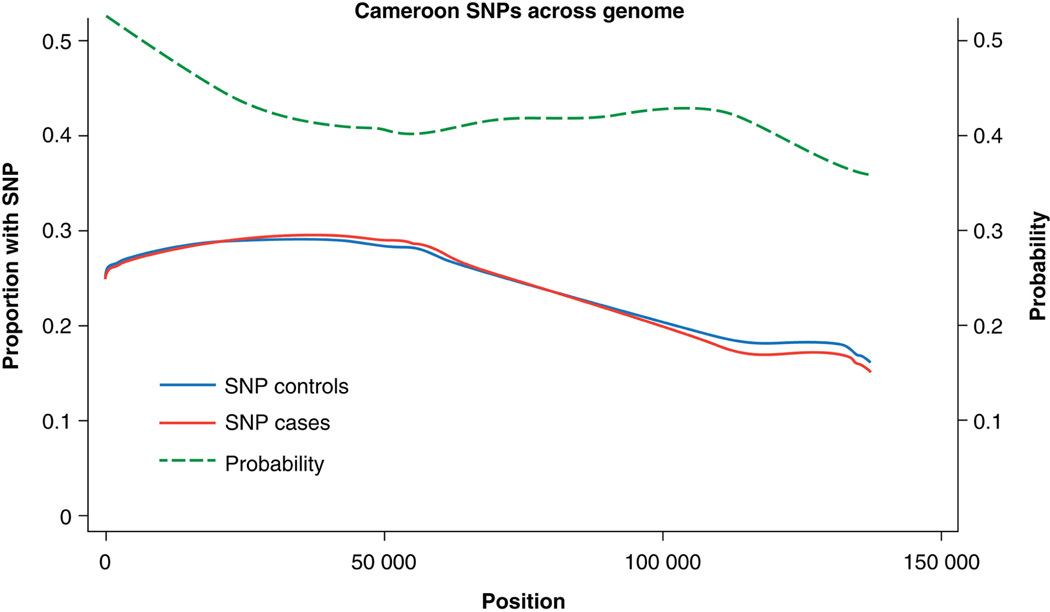
In sub-Saharan Africa, Kaposi's sarcoma-associated herpesvirus (KSHV) is endemic, and Kaposi's sarcoma (KS) is a significant public health problem. Until recently, KSHV genotype analysis was performed using variable gene regions, representing a small fraction of the genome, and thus the contribution of sequence variation to viral transmission or pathogenesis are understudied. We performed near full-length KSHV genome sequence analysis on samples from 43 individuals selected from a large Cameroonian KS case-control study. KSHV genomes were obtained from 21 KS patients and 22 control participants. Phylogenetic analysis of the K1 region indicated the majority of sequences were A5 or B1 subtypes and all three K15 alleles were represented. Unique polymorphisms in the KSHV genome were observed including large gene deletions. We found evidence of multiple distinct KSHV genotypes in three individuals. Additionally, our analyses indicate that recombination is prevalent suggesting that multiple KSHV infections may not be uncommon overall. Most importantly, a detailed analysis of KSHV genomes from KS patients and control participants did not find a correlation between viral sequence variations and disease. Our study is the first to systematically compare near full-length KSHV genome sequences between KS cases and controls in the same endemic region to identify possible sequence variations associated with disease risk.
Keywords: Cameroon; Kaposi's sarcoma; Kaposi's sarcoma-associated herpesvirus; human herpesvirus 8; next-generation sequencing; whole genome sequencing.
© 2022 UICC.
Conflict of interest statement
CONFLICT OF INTEREST
Dr. Neneh Salah is currently an employee of GSK and owns company shares. No other authors have COI to declare.
Figures


References
-
- Parkin DM, Hammerl L, Ferlay J, Kantelhardt EJ. Cancer in Africa 2018: the role of infections. Int J Cancer. 2020;146:2089–2103. - PubMed
-
- Sankaranarayanan R, Swaminathan R, World Health Organization, International Agency for Research on Cancer. Cancer Survival in Africa, Asia, the Caribbean and Central America. Lyon, France: International Agency for Research on Cancer, World Health Organization; 2011.
-
- Chen WC, Singh E, Muchengeti M, et al. Johannesburg cancer study (JCS): contribution to knowledge and opportunities arising from 20 years of data collection in an African setting. Cancer Epidemiol. 2020; 65:101701. - PubMed
Publication types
MeSH terms
Grants and funding
LinkOut - more resources
Full Text Sources
Medical
Research Materials
