Review
. 2022 Apr 27;8(3):e669.
doi: 10.1212/NXG.0000000000000669. eCollection 2022 Jun.

Progress in Amyotrophic Lateral Sclerosis Gene Discovery: Reflecting on Classic Approaches and Leveraging Emerging Technologies

Affiliations
Review

Progress in Amyotrophic Lateral Sclerosis Gene Discovery: Reflecting on Classic Approaches and Leveraging Emerging Technologies

Samuel N Smukowski et al. Neurol Genet. .

Abstract

Amyotrophic lateral sclerosis (ALS) is the most prominent motor neuron disease in humans. Its etiology consists of progressive motor neuron degeneration resulting in a rapid decline in motor function starting in the limbs or bulbar muscles and eventually fatally impairing central organs most typically resulting in loss of respiration. Pathogenic variants in 4 main genes, SOD1, TARDBP, FUS, and C9orf72, have been well characterized as causative for more than a decade now. However, these only account for a small fraction of all ALS cases. In this review, we highlight many additional variants that appear to be causative or confer increased risk for ALS, and we reflect on the technologies that have led to these discoveries. Next, we call attention to new challenges and opportunities for ALS and suggest next steps to increase our understanding of ALS genetics. Finally, we conclude with a synopsis of gene therapy paradigms and how increased understanding of ALS genetics can lead us to developing effective treatments. Ultimately, a consolidated update of the field can provide a launching point for researchers and clinicians to improve our search for ALS-related genes, defining pathogenic mechanisms, form diagnostics, and develop therapies.


Figures

Figure 1
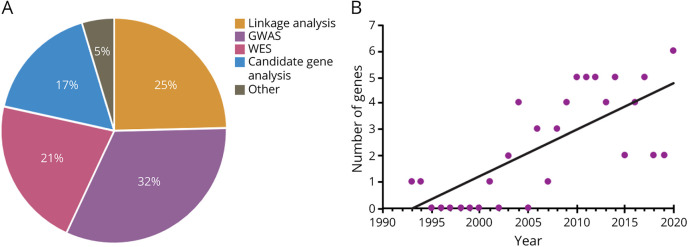
Figure 1. Discovery Methods and Frequency (per Year) of ALS-Associated Genes
(A) The percent contribution of various gene discovery methods to the current repertoire of 64 ALS implicated genes that we highlight. (B) The number of novel ALS gene discoveries per year. GWAS = genome-wide association study; WES = whole-exome sequencing.
Figure 2
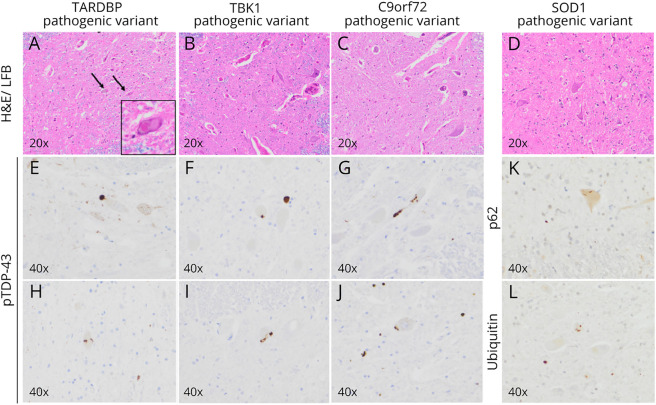
Figure 2. Common Neuropathologic Findings in ALS Subtypes
(A–D) Hematoxylin and eosin (H&E)/Luxol fast blue (LFB)-stained sections demonstrating reduction of motor neurons and astrogliosis in the anterior horn of the spinal cord. Occasionally, eosinophilic intracellular inclusions termed Bunina bodies (TARDBP pathogenic variant, H&E/LFB with inset) are identified. (E–J) Ubiquitinated intracellular inclusions comprised predominantly of phosphorylated TDP-43 (pTDP-43) present in patients with a TARDBP pathogenic variant, TBK1 pathogenic variant, and a C9orf72 repeat expansion. These inclusions are morphologically heterogeneous and can take the form of coarse or fine skeins, dot-like inclusions, or dense round inclusions. (K–L) Immunohistochemistry demonstrating inclusions that are positive for p62 and ubiquitin in individuals with SOD1 pathogenic variants that have similar morphologies to the TDP-43 inclusions of the aforementioned genetic subtypes but are themselves negative for pTDP-43 immunoreactivity. Listed is the magnification in each panel. ALS = amyotrophic lateral sclerosis.
Figure 3
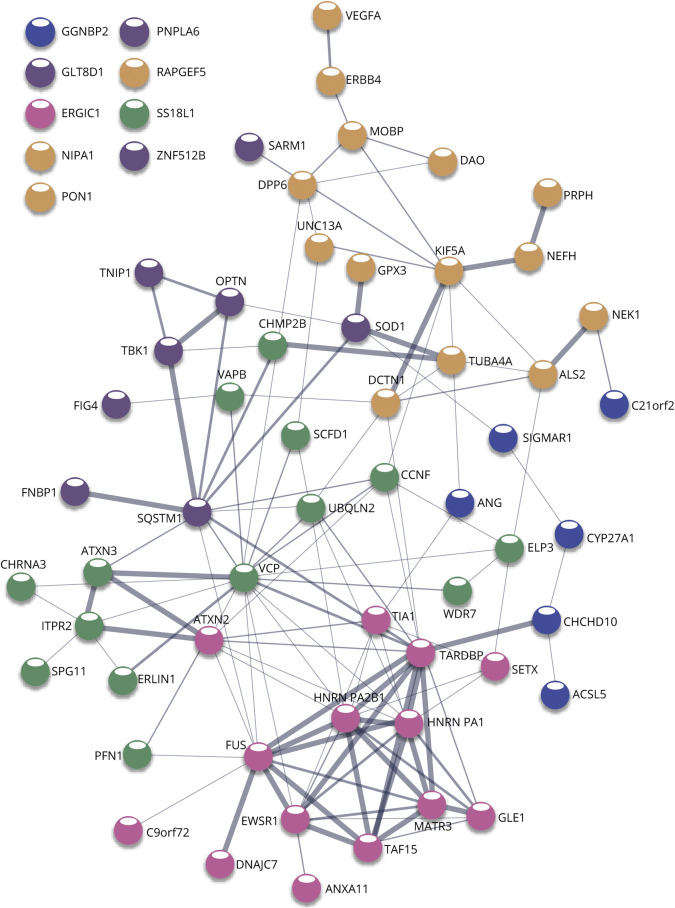
Figure 3. STRING Network Analysis Reveals Distinctive Clusters of Interactions Among Implicated Genes
Node colors represent 5 groups from k-means clustering. Edge thickness represents a confidence score of gene-gene interaction based on data collected from experimental and database records (thinnest is < 0.15, thickest is > 0.9). Orphan nodes are listed in the top left, colors reflecting associated clusters.
Figure 4
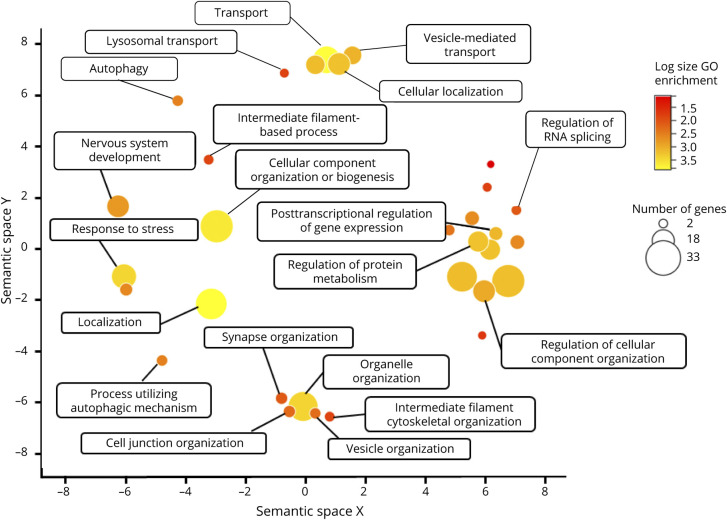
Figure 4. Revigo Gene Ontology (GO) Summary Based on the GO Panther Biological Processes Complete Statistical Overrepresentation Teste57,e58
Axes reflect 2D semantic space similarity between GO terms. Color represents the number and variety of lower-level GO terms encompassed by the broader category. Size of each point represents the total number of ALS-implicated genes included in the GO category.
Figure 5
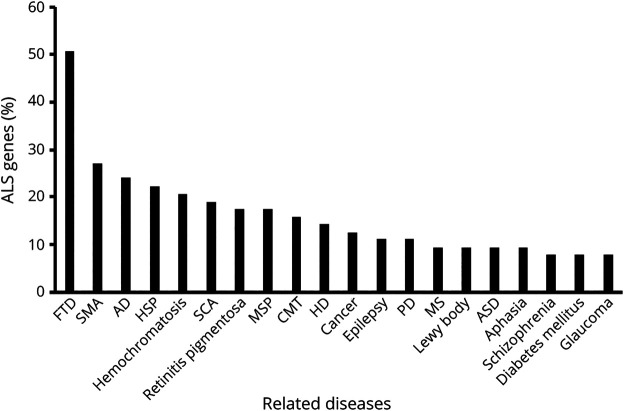
Figure 5. Percentage of the Listed ALS-Indicated Genes Associated With Other Diseases
For each non-ALS disease listed horizontally, the percentage of ALS-indicated genes that also have relevance to that disease is plotted. AD = Alzheimer disease; ALS = amyotrophic lateral sclerosis; ASD = autism spectrum disorder; CMT = Charcot-Marie-Tooth; FTD = frontotemporal dementia; HD = Huntington disease; HSP = hereditary spastic paraplegia; MS = multiple sclerosis; MSP = multisystem proteinopathy; PD = Parkinson disease; SCA = spinocerebellar ataxia; SMA = spinal muscular atrophy.

References

    1. Goldstein LH, Abrahams S. Changes in cognition and behaviour in amyotrophic lateral sclerosis: nature of impairment and implications for assessment. Lancet Neurol. 2013;12(4):368–380. - PubMed
    1. Quinn C, Elman L. Amyotrophic lateral sclerosis and other motor neuron diseases. Continuum (Minneap MN). 2020;26(5):1323–1347. - PubMed
    1. Al-Chalabi A, Fang F, Hanby MF, et al. An estimate of amyotrophic lateral sclerosis heritability using twin data. J Neurol Neurosurg Psychiatry. 2010;81(12):1324–1326. - PMC - PubMed
    1. Camu W, Khoris J, Moulard B, et al. Genetics of familial ALS and consequences for diagnosis. J Neurol Sci. 1999;165:S21–S26. - PubMed
    1. Sejvar JJ, Holman RC, Bresee JS, Kochanek KD, Schonberger LB. Amyotrophic lateral sclerosis mortality in the United States, 1979-2001. Neuroepidemiology. 2005;25(3):144–152. - PubMed