


Singing for Wellbeing: Formulating a Model for Community Group Singing Interventions
- PMID: 35622710
- PMCID: PMC9350452
- DOI: 10.1177/10497323221104718
Singing for Wellbeing: Formulating a Model for Community Group Singing Interventions
Abstract
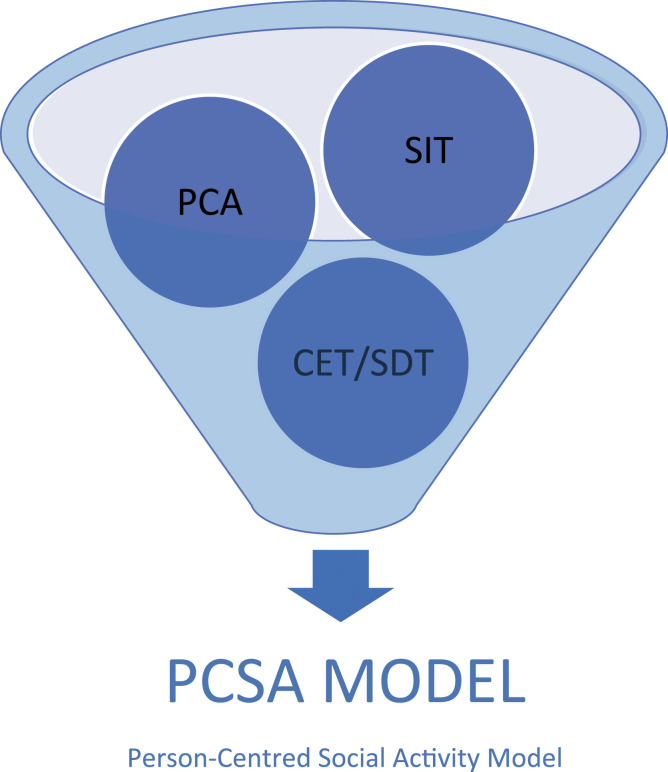
Research into the benefits of community-based group singing, pertaining to positive wellbeing and Quality of Life is lacking. Additionally, no preferred theoretical framework exists for community singing-based interventions. For the present study, six members of a UK community choir were interviewed using a semi-structured interview approach. Interpretative phenomenological analysis (IPA) was employed. Analysis produced superordinate themes of: Social Factors with key elements such as social bonds and group identity; Psychological Factors, highlighting self-efficacy, self-identity and positive emotions and Psychological Motivations for Joining the Group, including autonomy, change of life circumstance and seeking a new challenge. The style/method of the group, teaching, music and group leader, were shown to have an influence on perceived benefits of the singing group. A key product of this study beyond the evidenced benefits of group singing is the development of an intervention model that optimises wellbeing outcomes in community singing groups underpinned by psychological theory, findings from the wider literature and the results of this study.
Keywords: community choirs; community health; group singing; interpretative phenomenological analysis; person-centred social activity model; singing for wellbeing; singing-based interventions; social groups; social isolation; social prescribing; theoretical framework.
Conflict of interest statement
Figures
References
-
- Banerjee S., Samsi K., Petrie C. D., Alvir J., Treglia M., Schwam E. M., del Valle M. (2009). What do we know about quality of life in dementia? A review of the emerging evidence on the predictive and explanatory value of disease specific measures of health-related quality of life in people with dementia. International Journal of Geriatric Psychiatry: A Journal of the Psychiatry of Late Life and Allied Sciences, 24(1), 15–24. 10.1002/gps.2090 - DOI - PubMed
-
- Bannan N. (2000). Instinctive singing: Lifelong development of ‘the child within. British Journal of Music Education, 17(3), 295–301. 10.1017/s026505170000036x - DOI
-
- Beck R. J., Cesario T. C., Yousefi A., Enamoto H. (2000). Choral singing, performance perception, and immune system changes in salivary immunoglobulin A and cortisol. Music Perception, 18(1), 87–106. 10.2307/40285902 - DOI
-
- Beck R. J., Gottfried T. L., Hall D. J., Cisler C. A., Bozeman K. W. (2006). Supporting the health of college solo singers: The relationship of positive emotions and stress to changes in salivary IgA and cortisol during singing. Journal for Learning through the Arts, 2(1), 19. 10.21977/d92110079 - DOI
-
- Bittman M., Wajcman J. (2000). The rush hour: The character of leisure time and gender equity. Social Forces, 79(1), 165–189. 10.2307/2675568 - DOI
MeSH terms
LinkOut - more resources
Full Text Sources
