


Immune Checkpoint Inhibitors as a Neoadjuvant/Adjuvant Treatment of Muscle-Invasive Bladder Cancer: A Systematic Review
- PMID: 35626149
- PMCID: PMC9139497
- DOI: 10.3390/cancers14102545
Immune Checkpoint Inhibitors as a Neoadjuvant/Adjuvant Treatment of Muscle-Invasive Bladder Cancer: A Systematic Review
Abstract
Bladder cancer is the ninth most common cancer worldwide. Over 75% of non-muscle invasive cancer patients require conservative local treatment, while the remaining 25% of patients undergo radical cystectomy or radiotherapy. Immune checkpoint inhibitors represent a novel class of immunotherapy drugs that restore natural antitumoral immune activity via the blockage of inhibitory receptors and ligands expressed on antigen-presenting cells, T lymphocytes and tumour cells. The use of immune checkpoint inhibitors in bladder cancer has been expanded from the neoadjuvant setting, i.e., after radical cystectomy, to the adjuvant setting, i.e., before the operative time or chemotherapy, in order to improve the overall survival and to reduce the morbidity and mortality of both the disease and its treatment. However, some patients do not respond to checkpoint inhibitors. As result, the capability for identifying patients that are eligible for this immunotherapy represent one of the efforts of ongoing studies. The aim of this systematic review is to summarize the most recent evidence regarding the use of immune checkpoint inhibitors, in a neoadjuvant and adjuvant setting, in the treatment of muscle-invasive bladder cancer.
Keywords: adjuvant; immune checkpoint inhibitors; muscle-invasive bladder cancer; neoadjuvant.
Conflict of interest statement
The authors declare no conflict of interest.
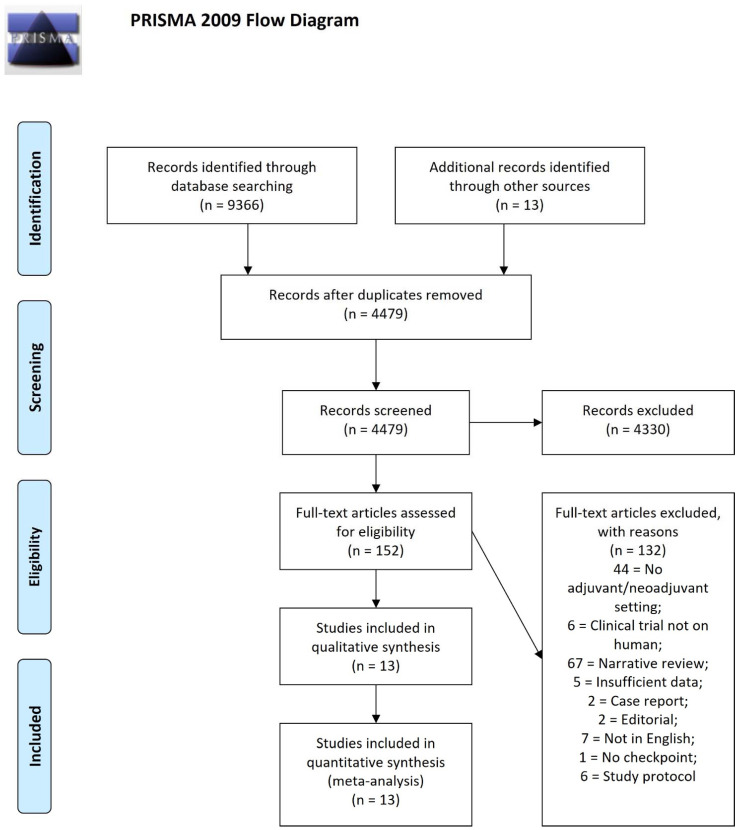
Figures
References
-
- Miller D.S. Cancer epidemiology and prevention. Chronic Dis. Inj. Can. 1997;18:1G.
Publication types
LinkOut - more resources
Full Text Sources
Research Materials
