


Antiviral Characterization of Advanced Materials: Use of Bacteriophage Phi 6 as Surrogate of Enveloped Viruses Such as SARS-CoV-2
- PMID: 35628148
- PMCID: PMC9141689
- DOI: 10.3390/ijms23105335
Antiviral Characterization of Advanced Materials: Use of Bacteriophage Phi 6 as Surrogate of Enveloped Viruses Such as SARS-CoV-2
Abstract
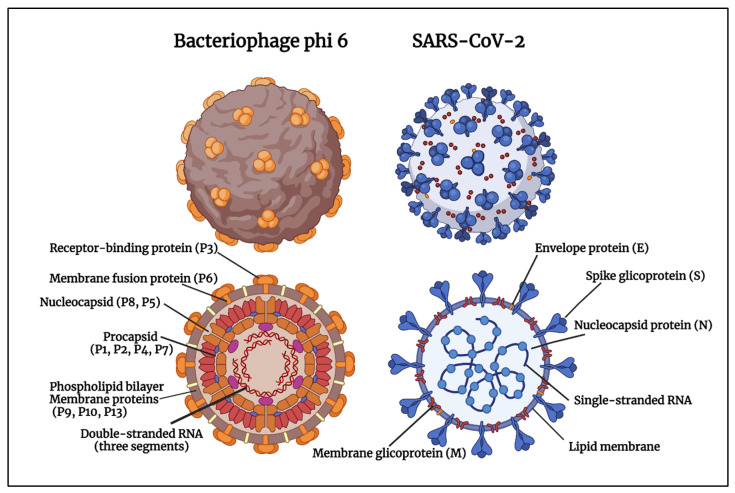
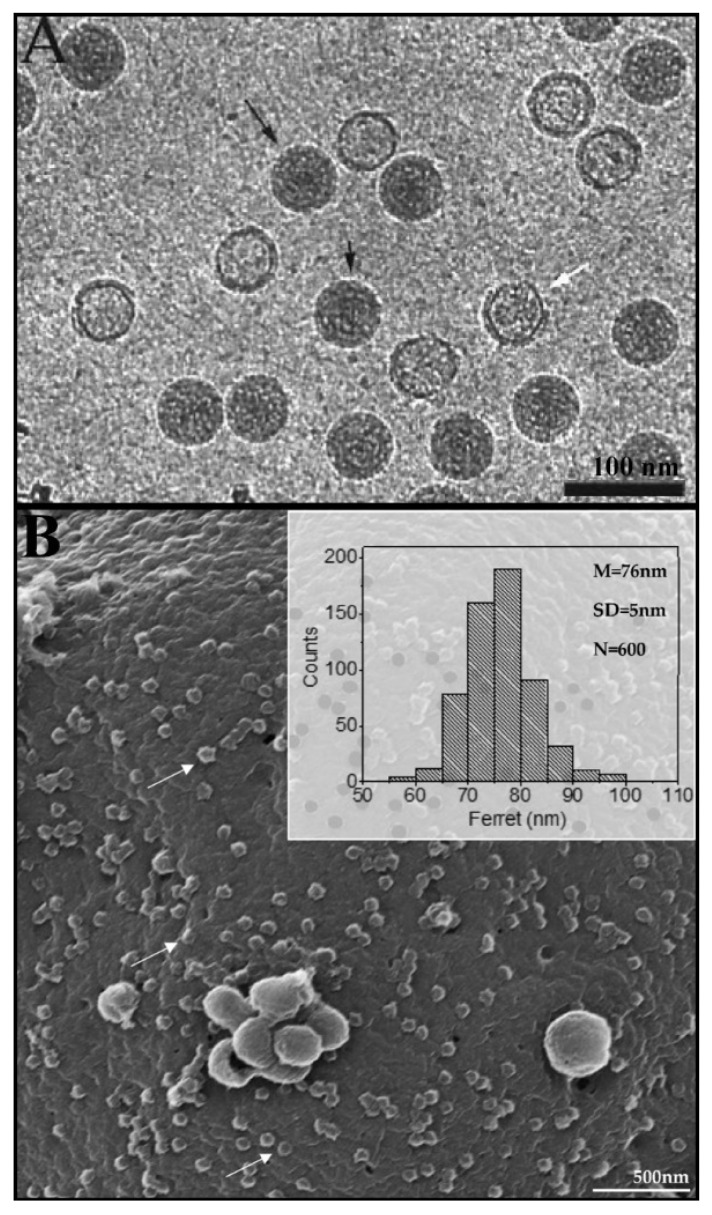
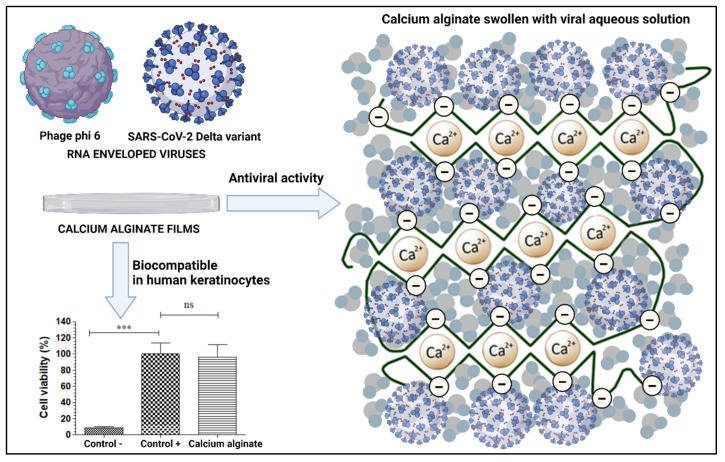
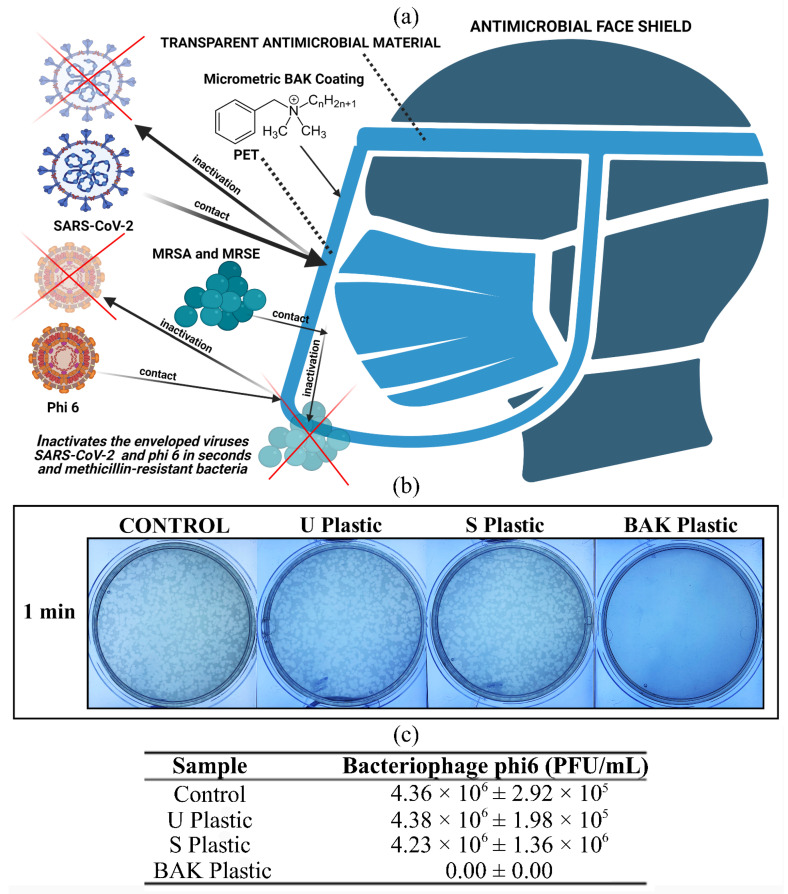
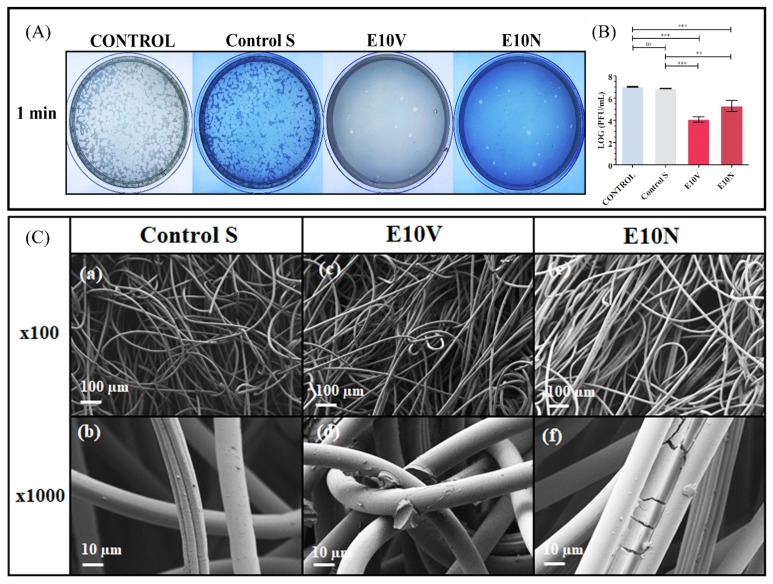
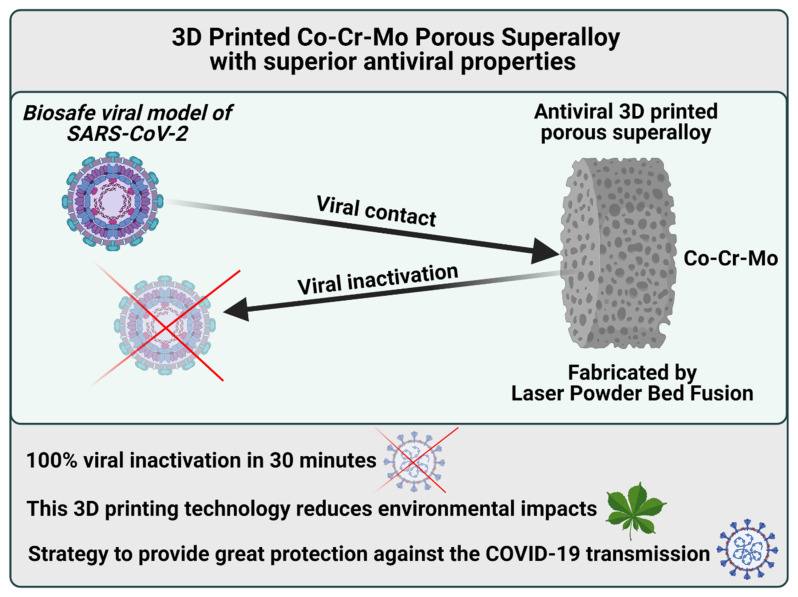
The bacteriophage phi 6 is a virus that belongs to a different Baltimore group than SARS-CoV-2 (group III instead of IV). However, it has a round-like shape and a lipid envelope like SARS-CoV-2, which render it very useful to be used as a surrogate of this infectious pathogen for biosafety reasons. Thus, recent antiviral studies have demonstrated that antiviral materials such as calcium alginate hydrogels, polyester-based fabrics coated with benzalkonium chloride (BAK), polyethylene terephthalate (PET) coated with BAK and polyester-based fabrics coated with cranberry extracts or solidified hand soap produce similar log reductions in viral titers of both types of enveloped viruses after similar viral contact times. Therefore, researchers with no access to biosafety level 3 facilities can perform antiviral tests of a broad range of biomaterials, composites, nanomaterials, nanocomposites, coatings and compounds against the bacteriophage phi 6 as a biosafe viral model of SARS-CoV-2. In fact, this bacteriophage has been used as a surrogate of SARS-CoV-2 to test a broad range of antiviral materials and compounds of different chemical natures (polymers, metals, alloys, ceramics, composites, etc.) and forms (films, coatings, nanomaterials, extracts, porous supports produced by additive manufacturing, etc.) during the current pandemic. Furthermore, this biosafe viral model has also been used as a surrogate of SARS-CoV-2 and other highly pathogenic enveloped viruses such as Ebola and influenza in a wide range of biotechnological applications.
Keywords: SARS-CoV-2; antiviral characterization; antiviral materials; bacteriophage phi 6; biosafety conditions; coatings; composites; extracts; films; nanomaterials; porous supports.
Conflict of interest statement
The author declares no conflict of interest.
Figures
References
-
- Serrano-Aroca Á., Takayama K., Tuñón-Molina A., Seyran M., Hassan S.S., Pal Choudhury P., Uversky V.N., Lundstrom K., Adadi P., Palù G., et al. Carbon-Based Nanomaterials: Promising Antiviral Agents to Combat COVID-19 in the Microbial-Resistant Era. ACS Nano. 2021;15:8069–8086. doi: 10.1021/acsnano.1c00629. - DOI - PubMed
Publication types
MeSH terms
Substances
Grants and funding
LinkOut - more resources
Full Text Sources
Medical
Miscellaneous
