


Biotransformation of Phytosterols into Androstenedione-A Technological Prospecting Study
- PMID: 35630641
- PMCID: PMC9147728
- DOI: 10.3390/molecules27103164
Biotransformation of Phytosterols into Androstenedione-A Technological Prospecting Study
Abstract
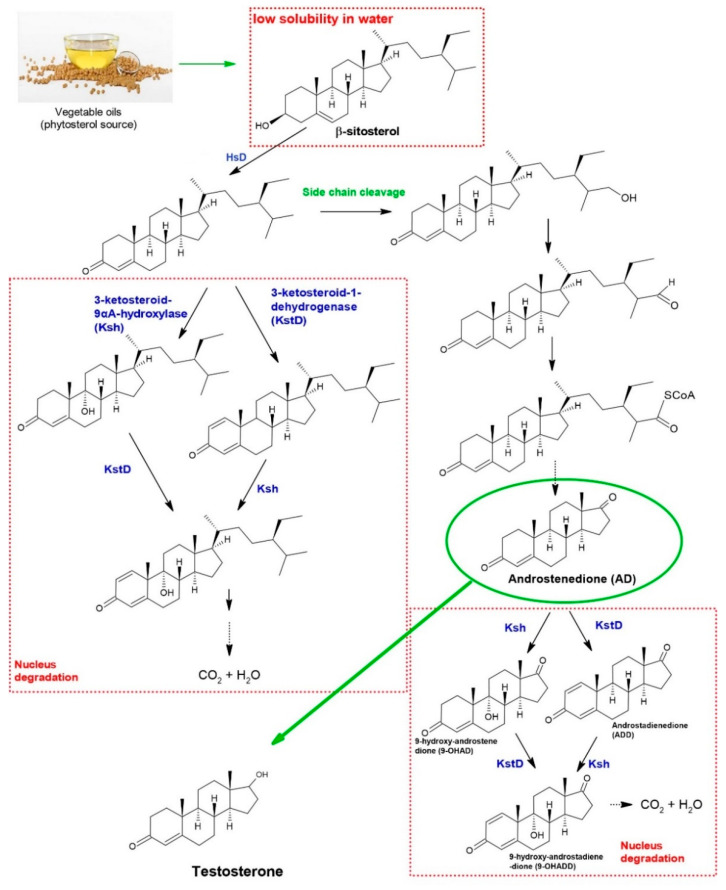
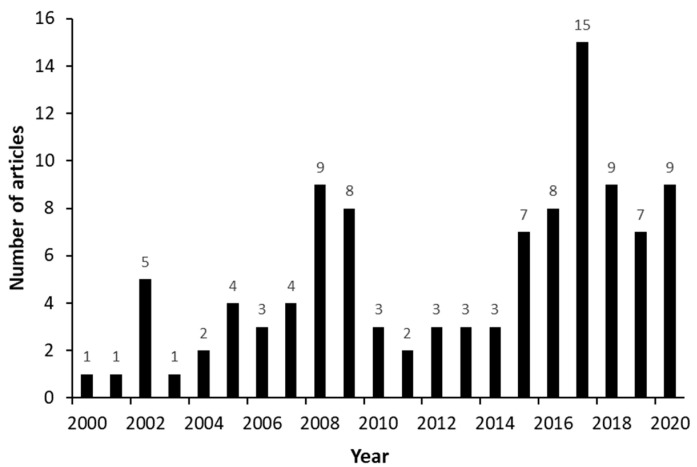
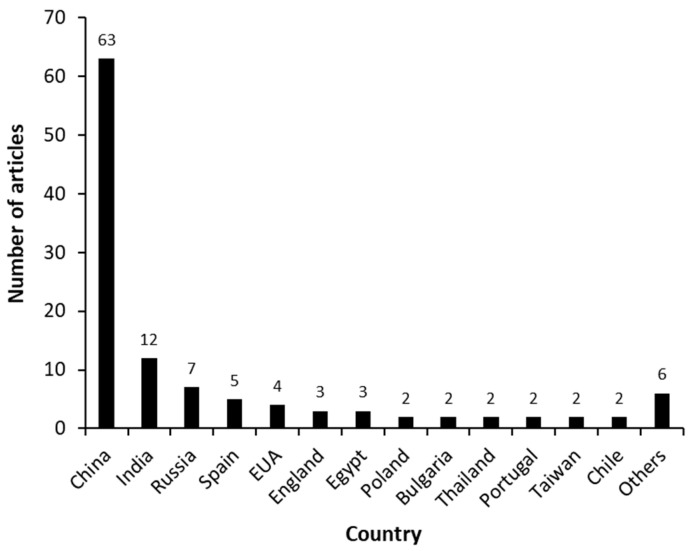
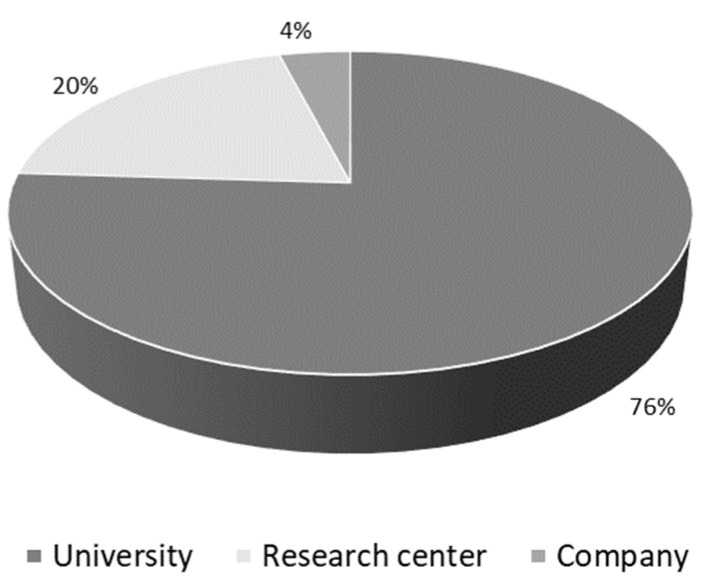
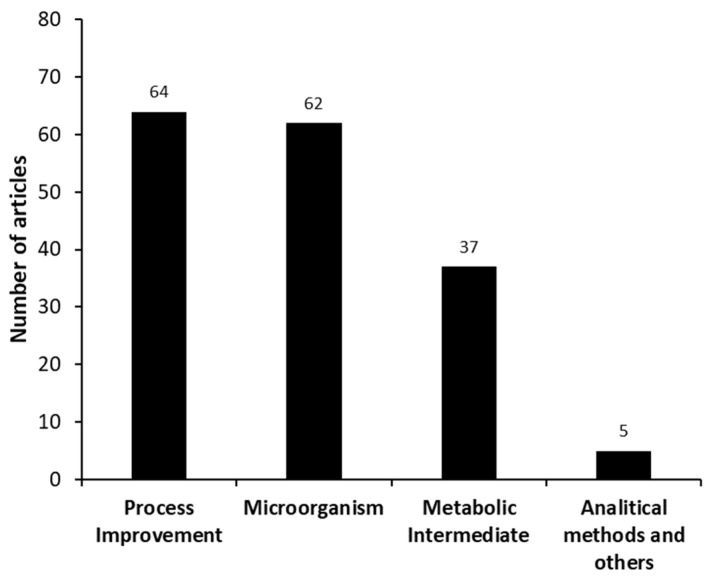
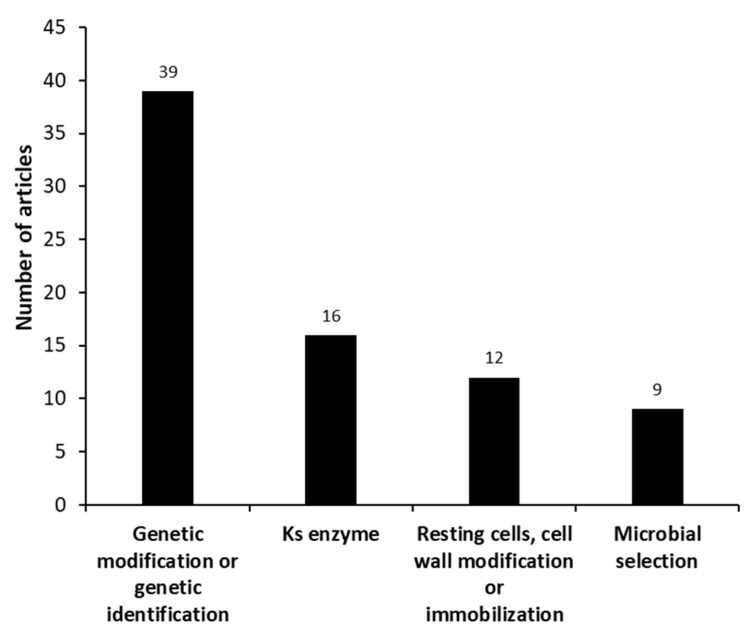
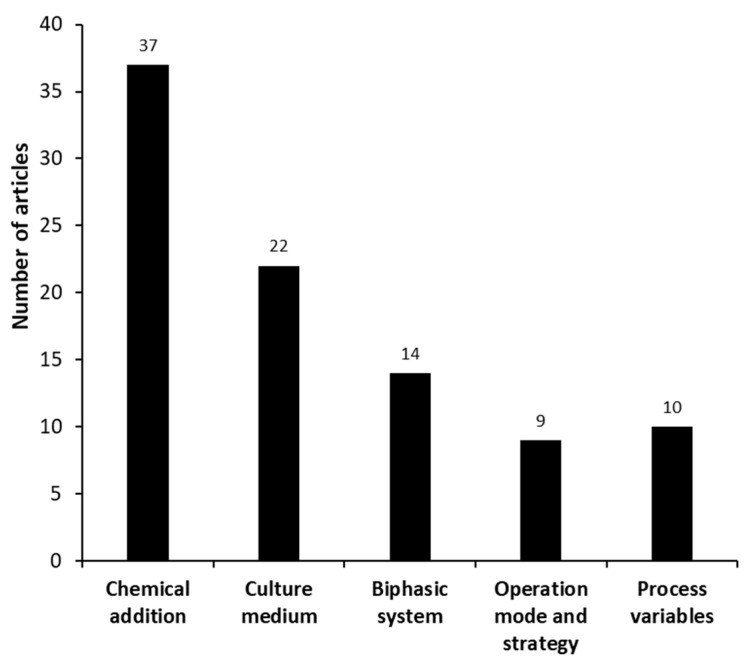
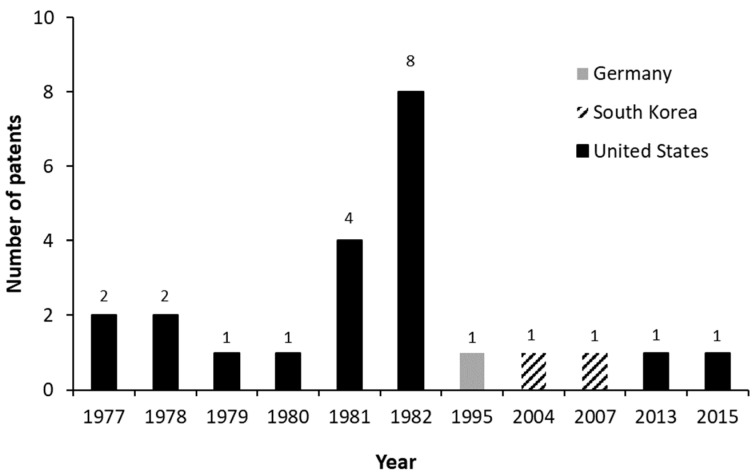
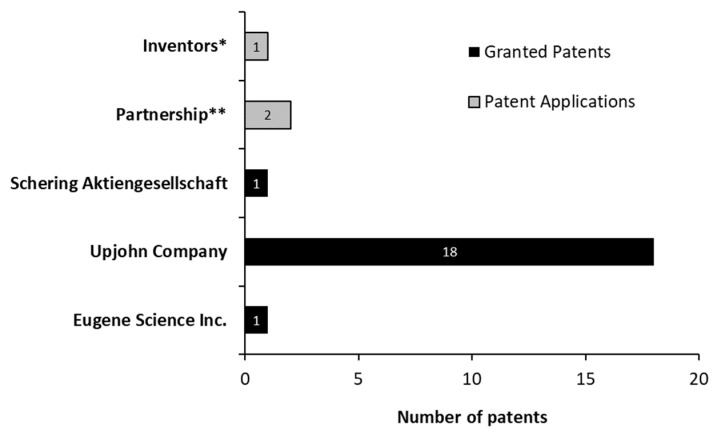
Androstenedione (AD) is a key intermediate in the body's steroid metabolism, used as a precursor for several steroid substances, such as testosterone, estradiol, ethinyl estradiol, testolactone, progesterone, cortisone, cortisol, prednisone, and prednisolone. The world market for AD and ADD (androstadienedione) exceeds 1000 tons per year, which stimulates the pharmaceutical industry's search for newer and cheaper raw materials to produce steroidal compounds. In light of this interest, we aimed to investigate the progress of AD biosynthesis from phytosterols by prospecting scientific articles (Scopus, Web of Science, and Google Scholar databases) and patents (USPTO database). A wide variety of articles and patents involving AD and phytosterol were found in the last few decades, resulting in 108 relevant articles (from January 2000 to December 2021) and 23 patents of interest (from January 1976 to December 2021). The separation of these documents into macro, meso, and micro categories revealed that most studies (articles) are performed in China (54.8%) and in universities (76%), while patents are mostly granted to United States companies. It also highlights the fact that AD production studies are focused on "process improvement" techniques and on possible modifications of the "microorganism" involved in biosynthesis (64 and 62 documents, respectively). The most-reported "process improvement" technique is "chemical addition" (40%), which means that the addition of solvents, surfactants, cofactors, inducers, ionic liquids, etc., can significantly increase AD production. Microbial genetic modifications stand out in the "microorganism" category because this strategy improves AD yield considerably. These documents also revealed the main aspects of AD and ADD biosynthesis: Mycolicibacterium sp. (basonym: Mycobacterium sp.) (40%) and Mycolicibacterium neoaurum (known previously as Mycobacterium neoaurum) (32%) are the most recurrent species studied. Microbial incubation temperatures can vary from 29 °C to 37 °C; incubation can last from 72 h to 14 days; the mixture is agitated at 140 to 220 rpm; vegetable oils, mainly soybean, can be used as the source of a mixture of phytosterols. In general, the results obtained in the present technological prospecting study are fundamental to mapping the possibilities of AD biosynthesis process optimization, as well as to identifying emerging technologies and methodologies in this scenario.
Keywords: Mycobacterium; androstenedione; biosynthesis; pharmaceutical; phytosterol; steroid.
Conflict of interest statement
The authors declare that the research was conducted in the absence of any commercial or financial relationships that could be construed as a potential conflict of interest.
Figures
References
-
- Rokade R., Ravindran S., Singh P., Suthar J.K. Secondary Metabolites-Sources and Applications. IntechOpen; London, UK: 2018. Microbial Biotransformation for the Production of Steroid Medicament. - DOI
-
- Wang F.-Q., Yao K., Wei D.-Z. Soybean and Health. IntechOpen; London, UK: 2011. From Soybean Phytosterols to Steroid Hormones. - DOI
-
- Huang C.L., Chen Y.R., Liu W.H. Production of Androstenones from Phytosterol by Mutants of Mycobacterium sp. Enzym. Microb. Technol. 2006;39:296–300. doi: 10.1016/j.enzmictec.2005.10.017. - DOI
Publication types
MeSH terms
Substances
Supplementary concepts
Grants and funding
LinkOut - more resources
Full Text Sources
Molecular Biology Databases
Research Materials
