


Chemical Compounds of Berry-Derived Polyphenols and Their Effects on Gut Microbiota, Inflammation, and Cancer
- PMID: 35630763
- PMCID: PMC9146061
- DOI: 10.3390/molecules27103286
Chemical Compounds of Berry-Derived Polyphenols and Their Effects on Gut Microbiota, Inflammation, and Cancer
Abstract
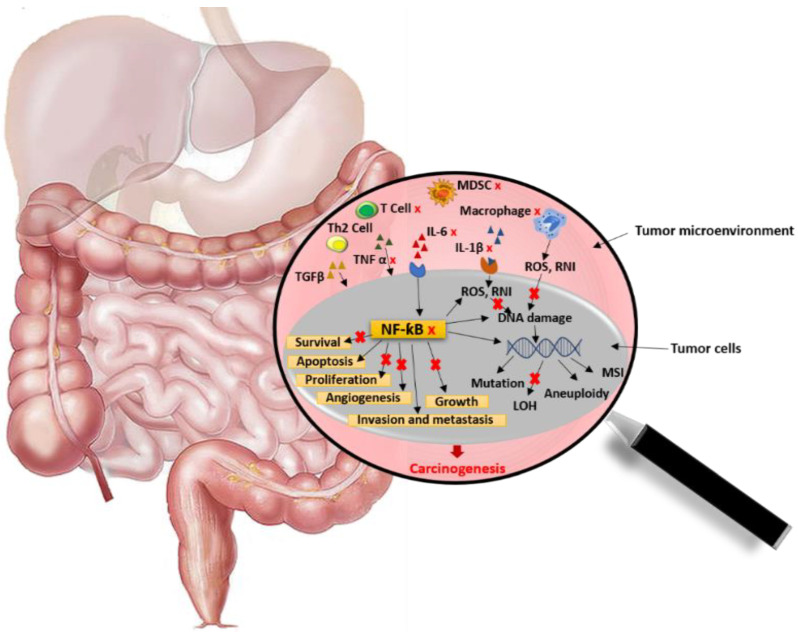
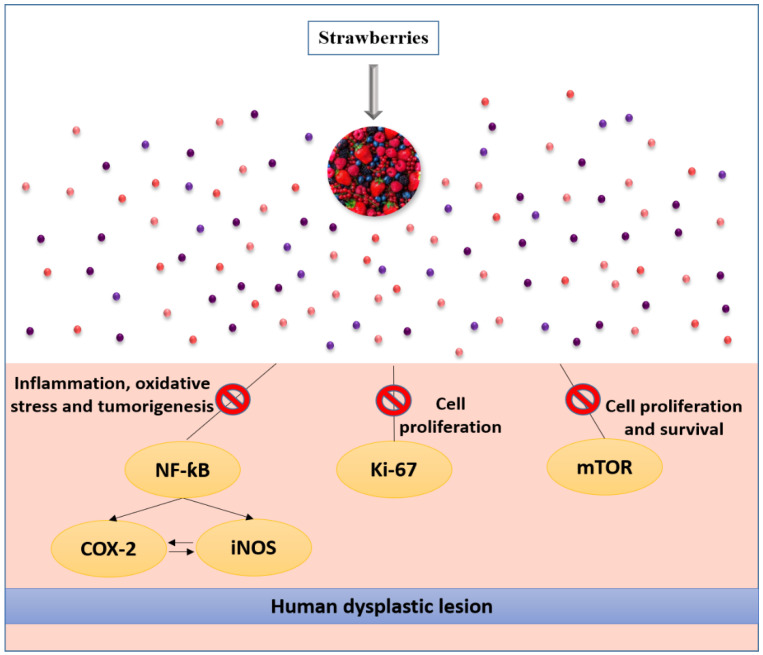
Berry-derived polyphenols are bioactive compounds synthesized and secreted by several berry fruits. These polyphenols feature a diversity of chemical compounds, including phenolic acids and flavonoids. Here, we report the beneficial health effects of berry-derived polyphenols and their therapeutical application on gut-microbiota-related diseases, including inflammation and cancer. Pharmacokinetic investigations have confirmed the absorption, availability, and metabolism of berry-derived polyphenols. In vitro and in vivo tests, as well as clinical trials, showed that berry-derived polyphenols can positively modulate the gut microbiota, inhibiting inflammation and cancer development. Indeed, these compounds inhibit the growth of pathogenic bacteria and also promote beneficial bacteria. Moreover, berry-derived polyphenols exhibit therapeutic effects against different gut-microbiota-related disorders such as inflammation, cancer, and metabolic disorders. Moreover, these polyphenols can manage the inflammation via various mechanisms, in particular the inhibition of the transcriptional factor Nf-κB. Berry-derived polyphenols have also shown remarkable effects on different types of cancer, including colorectal, breast, esophageal, and prostate cancer. Moreover, certain metabolic disorders such as diabetes and atherosclerosis were also managed by berry-derived polyphenols through different mechanisms. These data showed that polyphenols from berries are a promising source of bioactive compounds capable of modulating the intestinal microbiota, and therefore managing cancer and associated metabolic diseases. However, further investigations should be carried out to determine the mechanisms of action of berry-derived polyphenol bioactive compounds to validate their safety and examinate their clinical uses.
Keywords: berries; cancer; gut microbiota; metabolic disorders; polyphenols.
Conflict of interest statement
The authors declare no conflict of interest.
Figures
References
-
- Jimenez-Garcia S.N., Guevara-Gonzalez R.G., Miranda-Lopez R., Feregrino-Perez A.A., Torres-Pacheco I., Vazquez-Cruz M.A. Functional Properties and Quality Characteristics of Bioactive Compounds in Berries: Biochemistry, Biotechnology, and Genomics. Food Res. Int. 2013;54:1195–1207. doi: 10.1016/j.foodres.2012.11.004. - DOI
-
- Khan I., Najeebullah S., Ali M., Shinwari Z.K. Phytopharmacological and Ethnomedicinal Uses of the Genus Berberis (Berberidaceae): A Review. Trop. J. Pharm. Res. 2016;15:2047–2057. doi: 10.4314/tjpr.v15i9.33. - DOI
-
- Nile S.H., Ko E.Y., Kim D.H., Keum Y.-S., Nile S.H., Ko E.Y., Kim D.H., Keum Y.-S. Screening of Ferulic Acid Related Compounds as Inhibitors of Xanthine Oxidase and Cyclooxygenase-2 with Anti-Inflammatory Activity. Rev. Bras. Farmacogn. 2016;26:50–55. doi: 10.1016/j.bjp.2015.08.013. - DOI
-
- Gündeşli M.A., Korkmaz N., Okatan V. Polyphenol Content and Antioxidant Capacity of Berries: A Review. Int. J. Agric. For. Life Sci. 2019;3:350–361.
Publication types
MeSH terms
Substances
LinkOut - more resources
Full Text Sources
Medical
