Review
. 2022 Nov;20(11):657-670.
doi: 10.1038/s41579-022-00745-6. Epub 2022 May 31.

Nutritional immunity: the battle for nutrient metals at the host-pathogen interface

Affiliations
Review

Nutritional immunity: the battle for nutrient metals at the host-pathogen interface

Caitlin C Murdoch et al. Nat Rev Microbiol. 2022 Nov.

Abstract

Trace metals are essential micronutrients required for survival across all kingdoms of life. From bacteria to animals, metals have critical roles as both structural and catalytic cofactors for an estimated third of the proteome, representing a major contributor to the maintenance of cellular homeostasis. The reactivity of metal ions engenders them with the ability to promote enzyme catalysis and stabilize reaction intermediates. However, these properties render metals toxic at high concentrations and, therefore, metal levels must be tightly regulated. Having evolved in close association with bacteria, vertebrate hosts have developed numerous strategies of metal limitation and intoxication that prevent bacterial proliferation, a process termed nutritional immunity. In turn, bacterial pathogens have evolved adaptive mechanisms to survive in conditions of metal depletion or excess. In this Review, we discuss mechanisms by which nutrient metals shape the interactions between bacterial pathogens and animal hosts. We explore the cell-specific and tissue-specific roles of distinct trace metals in shaping bacterial infections, as well as implications for future research and new therapeutic development.


Conflict of interest statement

The authors declare no competing interests.

Figures
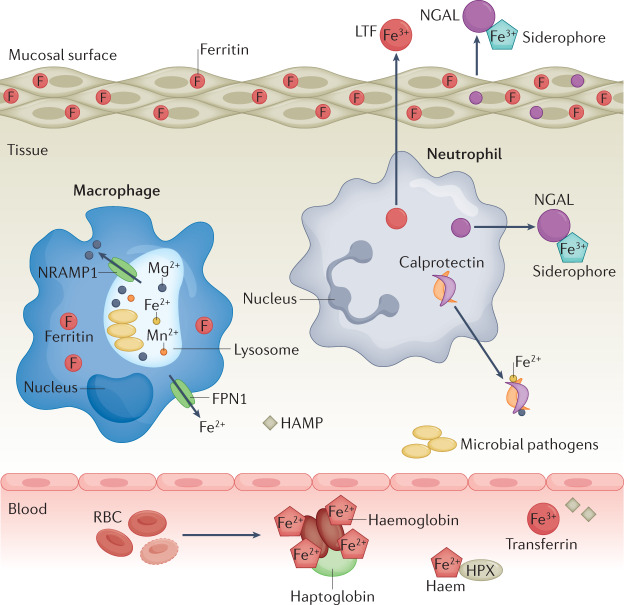
Fig. 1
Fig. 1. Host Fe-limitation strategies.
Following invasion by pathogenic bacteria, the host limits bacterial access to iron (Fe) through a systemic reprogramming of Fe homeostasis by sequestering Fe in macrophages, hepatocytes and enterocytes, while simultaneously reducing uptake of Fe from the diet. Within the tissue environment, Fe sources are limited through concerted action of host secreted factors including Fe-chelating molecules calprotectin, neutrophil gelatinase-associated lipocalin (NGAL) and lactoferrin (LTF) as well as intracellular Fe storage protein ferritin. In circulation, Fe is associated with haemoglobin in red blood cells (RBCs) or bound by transferrin. Lysis of RBCs results in release of haemoglobin and free haem–Fe, which is rapidly bound by haptoglobin and haemopexin (HPX) to prevent usage by bacterial pathogens. Secreted hormone hepcidin (HAMP) prevents host Fe export through binding and subsequent internalization of Fe transporter ferroportin 1 (FPN1). Intracellular pathogens within macrophages are starved of Fe through the action of natural resistance-associated macrophage protein 1 (NRAMP1) in the phagolysosome. Fe2+, ferrous iron; Fe3+, ferric iron.
Fig. 2
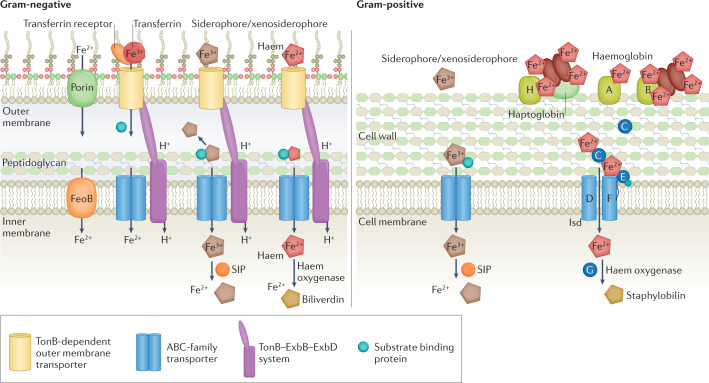
Fig. 2. Bacterial Fe homeostasis at the host–pathogen interface.
Bacterial pathogens can scavenge iron (Fe) through concerted action of secreted siderophores, uptake of host haem or Fe-containing molecules (transferrin and calprotectin) and uptake of ferrous Fe (Fe2+). Gram-negative pathogens uptake Fe into periplasm via activity of porins or TonB-dependent outer membrane transporters. Periplasmic Fe is subsequently transported via FeoB (Fe2+) or ATP-binding cassette (ABC)-family transporters (ferric Fe (Fe3+)) through inner membrane into cytosol. Gram-positive bacteria acquire Fe-bound siderophores or xenosiderophores using ABC-family transporters in the cell membrane and host haem–Fe via activity of Fe-regulated surface determinant system (Isd) transport systems. In the cytosol, siderophore-interacting proteins (SIPs) reduce Fe-loaded siderophores for liberation of Fe2+. Iron is liberated from haem through activity of haem oxygenases, releasing biliverdin and staphylobilin as by-products in the cytosol.
Fig. 3
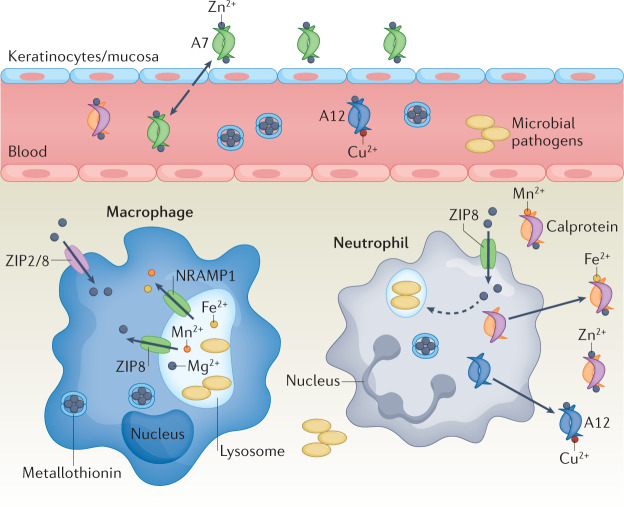
Fig. 3. Host sequestration of Zn and Mn.
During infection, metals such as zinc (Zn) and manganese (Mn) are sequestered by host immune cells via concerted action of transporters and secreted molecules. Zn is imported into innate immune cells by ZIP-family transporters, including ZIP2 and ZIP8. Within the cell and in circulation, metallothioneins bind and sequester Zn. Extracellular Zn is limited by secretion of Zn-chelating S100 proteins. S100A7 is secreted at epithelial surfaces and keratinocytes, whereas S100A12 and calprotectin (S100A8–S100A9) are secreted by innate immune cells such as neutrophils. S100A7 binds Zn, whereas S100A12 binds Zn and copper (Cu). Calprotectin functions to limit the extracellular availability of several transition metals and binds Mn, iron (Fe) and Cu intracellularly in macrophages, membrane protein resistance-associated macrophage protein 1 (NRAMP1) effluxes Mn from phagosome and ZIP8 effluxes Zn, limiting availability for pathogens. Fe2+, ferrous iron.
Fig. 4
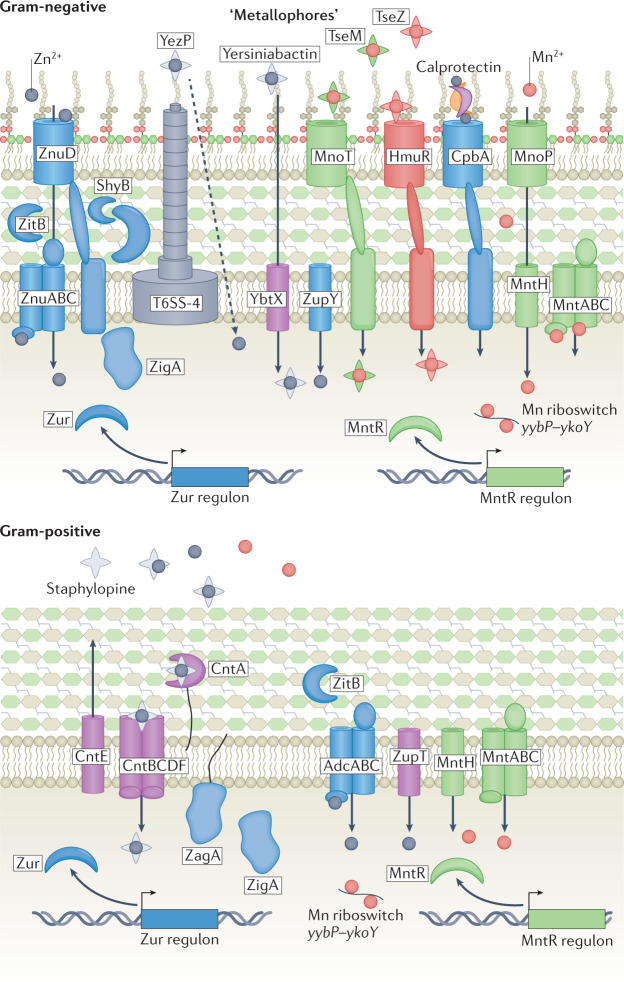
Fig. 4. Bacterial acquisition of Zn and Mn.
Pathogenic bacteria acquire zinc (Zn) using ATP-binding cassette (ABC) transporters ZnuABC (Gram-negative bacteria) and AdcABC (Gram-positive bacteria). Zn is transported through outer membrane using TonB-dependent transporter ZnuD in Gram-negative bacteria and ZupT in Gram-positive bacteria. Additional Zn acquisition systems include type 6 secretion system (T6SS)-secreted zincophore protein YezP in Yersinia pseudotuberculosis, transport of yersiniabactin–Zn in Yersinia pestis by TonB-dependent transporter MnoT, TseZ and TseM in Burkholderia thailandensis and outer membrane receptor CbpA that binds calprotectin in Neisseria meningitidis. Manganese (Mn) is taken up by outer membrane pore MnoP in Gram-negative bacteria and imported into cytosol by MntABC or MntH transporters. In Gram-positive bacteria, Mn is transported across cell membrane by MntH or MntABC transporters. The yybP–ykoY riboswitch family binds Mn with high affinity and modulates Mn homeostasis in bacterial pathogens including Neisseria and Streptococcus spp.
Fig. 5
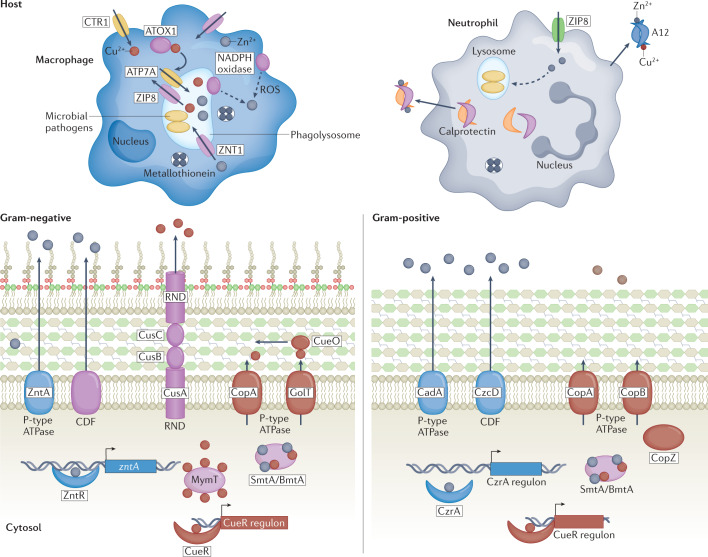
Fig. 5. Metal intoxication.
Metal intoxication is used by vertebrate hosts to combat bacterial proliferation. Following infection, innate immune cells accumulate zinc (Zn) in cytoplasm through ZIP8-mediated import and into phagolysosome via ZNT1. Zn accumulation induces generation of reactive oxygen species (ROS) by NADPH oxidase and NADPH oxidase may liberate Zn from host metallothionein. Copper (Cu) is imported into cytosol of phagocytic cells, including macrophages, by transporter CTR1. Cu is subsequently shuttled by ATOX1 to phagolysosomal membrane, where it is then transported into phagolysosome by ATP7A. Bacteria have evolved diverse mechanisms to withstand Zn and Cu toxicity, including efflux by cation diffusion facilitators (CDF), RND and P-type family ATPase transporters. Zn exporters ZntA, CadA and CzcD alleviate Zn toxicity in pathogenic bacteria. CopA and GolT export excess cytosolic Cu to prevent accumulation and reduce cellular redox stress. Bacterial metallothioneins including MymT in Mycobacteria and SmtA or BmtA bind and sequester cytosolic Cu (MymT, SmtA or BmtA) and Zn (SmtA or BmtA). Zn levels in cytosol are sensed by transcriptional regulator ZntR (Gram-negative bacteria) or CzrA (Gram-positive bacteria). Cytosolic levels of Cu are maintained at very low concentration and are typically regulated through transcriptional regulators including CueR. In Escherichia coli, periplasmic copper oxidase CueO is used to detoxify Cu.
Fig. 6
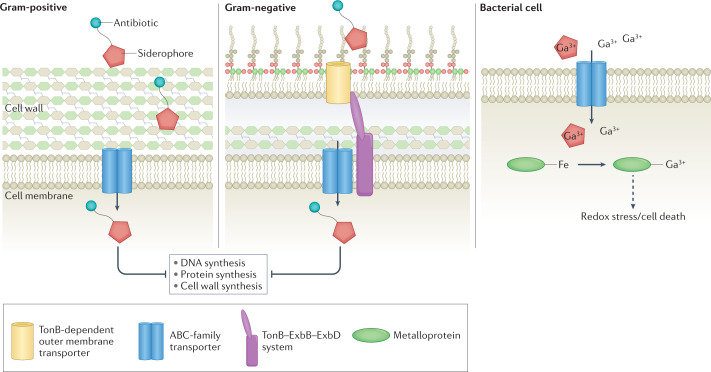
Fig. 6. Therapeutic interventions harnessing nutritional immunity.
Targeting of bacterial metal uptake systems through use of ‘Trojan horse’ antimicrobials presents a rapidly growing area of therapeutic development against infection. Conjugation of siderophores to antibiotics or alternative metals, such as gallium (Ga3+), ensures uptake by bacterial metal transport systems. Once internalized, antibiotics prevent DNA, protein or cell wall synthesis. Gallium-conjugated siderophores result in iron (Fe) starvation of bacteria and uptake of free gallium results in mis-metalation of Fe–metalloproteins within the cell leading to redox stress. ABC, ATP-binding cassette.

References

    1. Van Gossum A, Neve J. Trace element deficiency and toxicity. Curr. Opin. Clin. Nutr. Metab. Care. 1998;1:499–507. doi: 10.1097/00075197-199811000-00004. - DOI - PubMed
    1. Andreini C, Bertini I, Cavallaro G, Holliday GL, Thornton JM. Metal ions in biological catalysis: from enzyme databases to general principles. J. Biol. Inorg. Chem. 2008;13:1205–1218. doi: 10.1007/s00775-008-0404-5. - DOI - PubMed
    1. Maret W. Metalloproteomics, metalloproteomes, and the annotation of metalloproteins. Metallomics. 2010;2:117–125. doi: 10.1039/B915804A. - DOI - PubMed
    1. Andreini C, Banci L, Bertini I, Rosato A. Counting the zinc-proteins encoded in the human genome. J. Proteome Res. 2006;5:196–201. doi: 10.1021/pr050361j. - DOI - PubMed
    1. Lopez CA, Skaar EP. The impact of dietary transition metals on host–bacterial interactions. Cell Host Microbe. 2018;23:737–748. doi: 10.1016/j.chom.2018.05.008. - DOI - PMC - PubMed

Publication types