


Evaluation of strategies to modify Anti-SARS-CoV-2 monoclonal antibodies for optimal functionality as therapeutics
- PMID: 35657812
- PMCID: PMC9165815
- DOI: 10.1371/journal.pone.0267796
Evaluation of strategies to modify Anti-SARS-CoV-2 monoclonal antibodies for optimal functionality as therapeutics
Abstract
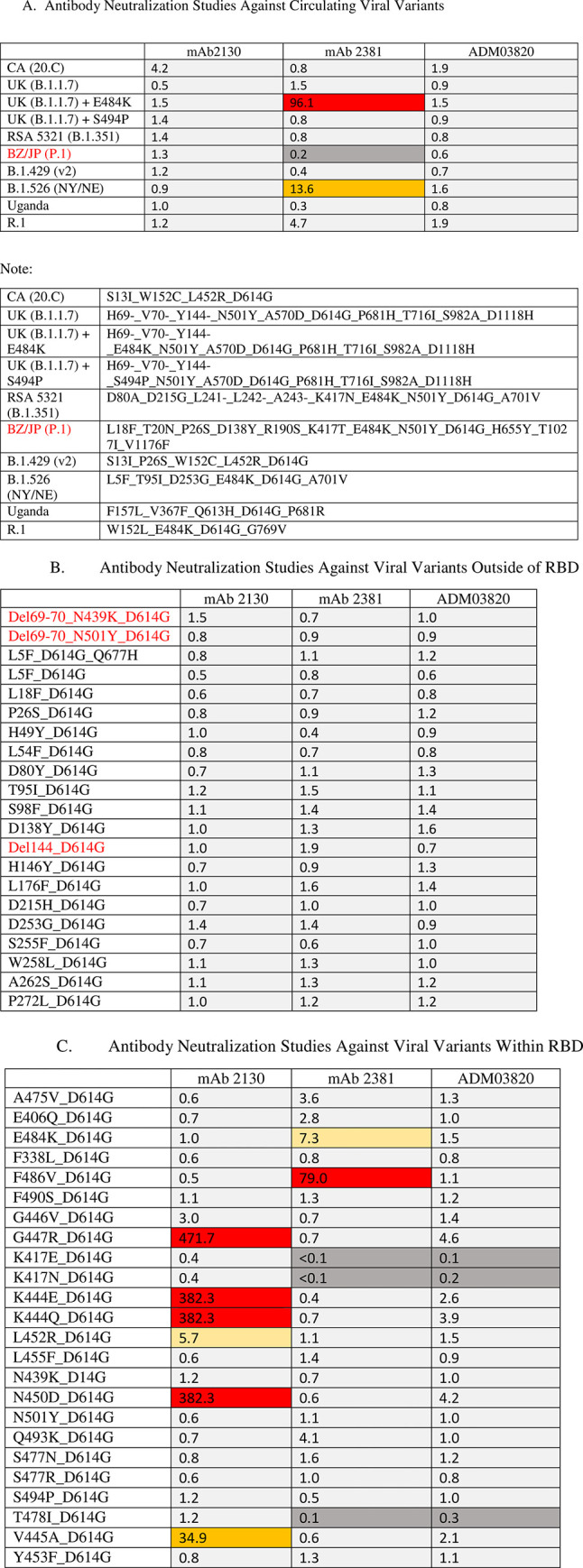
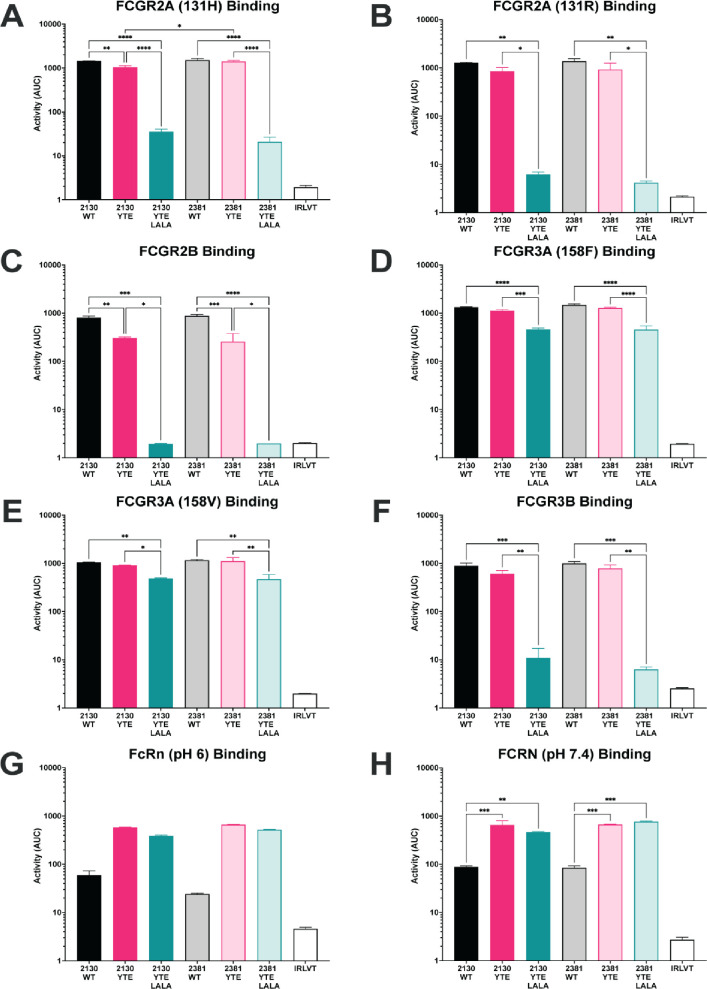
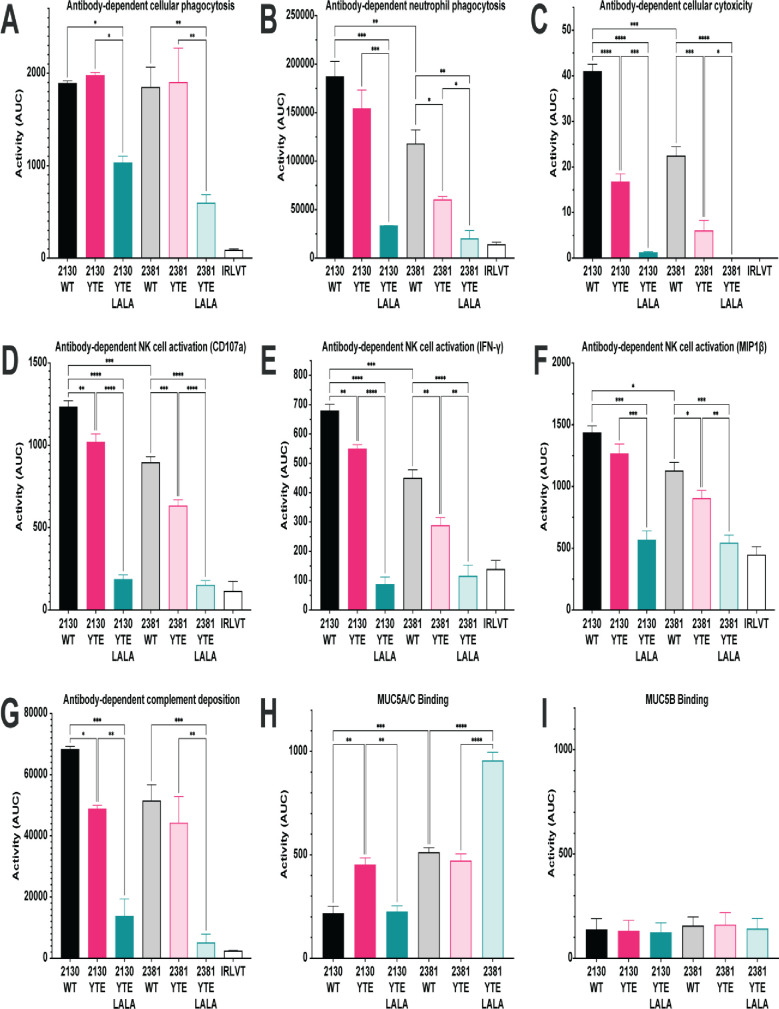
The current global COVID-19 pandemic caused by severe acute respiratory syndrome coronavirus 2 (SARS-CoV-2) has resulted in a public health crisis with more than 168 million cases reported globally and more than 4.5 million deaths at the time of writing. In addition to the direct impact of the disease, the economic impact has been significant as public health measures to contain or reduce the spread have led to country wide lockdowns resulting in near closure of many sectors of the economy. Antibodies are a principal determinant of the humoral immune response to COVID-19 infections and may have the potential to reduce disease and spread of the virus. The development of monoclonal antibodies (mAbs) represents a therapeutic option that can be produced at large quantity and high quality. In the present study, a mAb combination mixture therapy was investigated for its capability to specifically neutralize SARS-CoV-2. We demonstrate that each of the antibodies bind the spike protein and neutralize the virus, preventing it from infecting cells in an in vitro cell-based assay, including multiple viral variants that are currently circulating in the human population. In addition, we investigated the effects of two different mutations in the Fc portion (YTE and LALA) of the antibody on Fc effector function and the ability to alleviate potential antibody-dependent enhancement of disease. These data demonstrate the potential of a combination of two mAbs that target two different epitopes on the SARS-CoV2 spike protein to provide protection against SARS-CoV-2 infection in humans while extending serum half-life and preventing antibody-dependent enhancement of disease.
Conflict of interest statement
This work was supported by the US Joint Sciences and Technology Office (JSTO) and the Joint Program Executive Office (JPEO) under contract number MCDC-16-01-00 to Ology Bioservices, PI R.R. Cobb. The content of this manuscript is solely the responsibility of the authors and does not necessarily represent the official views of JSTO or JPEO. Members or the funding organization (CGE, NMD, SAH) did contribute to the design and analysis of the data. The funding agency and contract number are included in the manuscript. It was the decision of the senior authors (RVH and RRC) to publish this manuscript and what data to include in the manuscript. The commercial affiliation of the following authors (RVH, DMS, MTT, GN, KB, GZ, ZM, KH and RRC) does not alter our adherence to all PLOS ONE policies of sharing data and materials.
Figures
References
-
- Channappanavar R, Fett C, Mack M, Ten Eyck PP, Meyerholz DK, Perlman S. Sex-Based Differences in Susceptibility to Severe Acute Respiratory Syndrome Coronavirus Infection. J Immunol. 2017;198(10):4046–53. Epub 2017/04/05. doi: 10.4049/jimmunol.1601896 ; PubMed Central PMCID: PMC5450662. - DOI - PMC - PubMed
-
- Chan JF, Yuan S, Kok KH, To KK, Chu H, Yang J, et al. A familial cluster of pneumonia associated with the 2019 novel coronavirus indicating person-to-person transmission: a study of a family cluster. Lancet. 2020;395(10223):514–23. Epub 2020/01/28. doi: 10.1016/S0140-6736(20)30154-9 ; PubMed Central PMCID: PMC7159286. - DOI - PMC - PubMed
-
- Chen N, Zhou M, Dong X, Qu J, Gong F, Han Y, et al. Epidemiological and clinical characteristics of 99 cases of 2019 novel coronavirus pneumonia in Wuhan, China: a descriptive study. Lancet. 2020;395(10223):507–13. Epub 2020/02/03. doi: 10.1016/S0140-6736(20)30211-7 ; PubMed Central PMCID: PMC7135076. - DOI - PMC - PubMed
Publication types
MeSH terms
Substances
LinkOut - more resources
Full Text Sources
Other Literature Sources
Miscellaneous
