


Perceived stress, family impact, and changes in physical and social daily life activities of children with chronic somatic conditions during the COVID-19 pandemic
- PMID: 35658938
- PMCID: PMC9163527
- DOI: 10.1186/s12889-022-13544-8
Perceived stress, family impact, and changes in physical and social daily life activities of children with chronic somatic conditions during the COVID-19 pandemic
Abstract
Background: The COVID-19 pandemic has inevitably affected children and their families. This study examines the impact of the COVID-19 measures in children with chronic somatic conditions (CSC) and their parents and compares them with a Dutch general population sample.
Methods: We included a sample of children with CSC (0-18 years, n = 326) and compared them with children (8-18 years, n = 1,287) from the Dutch general population. Perceived stress, coping, social interaction with friends and family, physical activity, eating behavior, family support, parenting perception, and financial situation were assessed once with the self-reported and parent-reported COVID-19 child check questionnaire, between November 2020 and May 2021. Comparisons between the two samples were made by using t-tests and chi square tests.
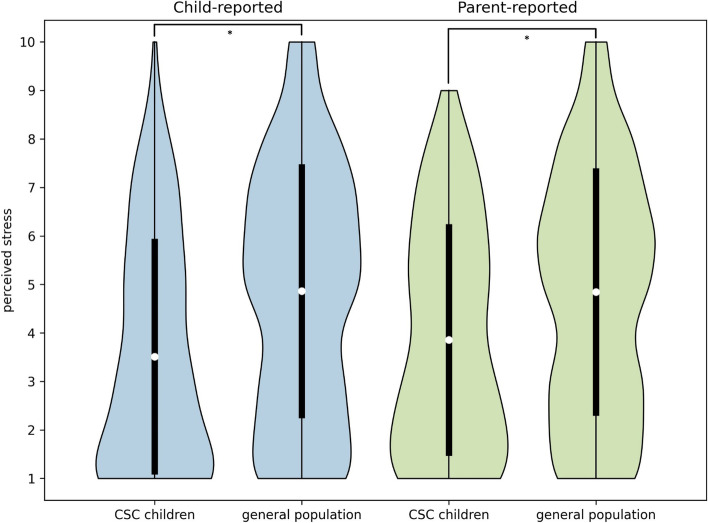
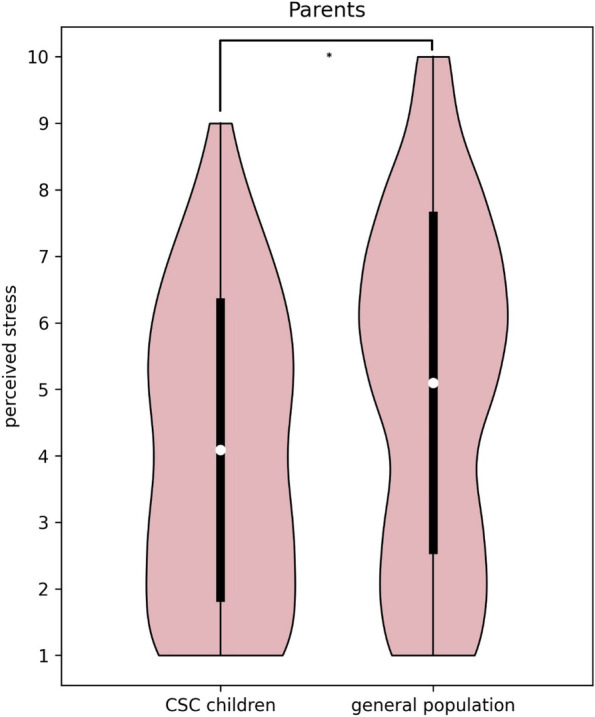
Results: The proportion of children who reported being less physically active and having less social interaction with friends since the COVID-19 pandemic was higher in children with CSC than in children from the general population. Children with CSC and their parents experienced less stress than children and parents from the general population. Moreover, parents of children with CSC aged 0-7 years and parents of children aged 8-18 years from the general population experienced less support and more financial deterioration than parents of children with CSC aged 8-18 years. In the parents from the general population only, this deteriorated financial situation was associated with more stress, worse family interaction and parenting perception, and less received support.
Conclusions: The impact of COVID-19 on children with CSC and their parents differed from those in the general population. Addressing the collateral damage of COVID-19 measures in children and their families may give direction to policy and potentially prevent lifelong impact.
Keywords: COVID-19; Children; Chronic disease; Financial situation; Perceived stress; Physical activity; Social health.
© 2022. The Author(s).
Conflict of interest statement
The authors declare that they have no competing interests.
Figures
References
-
- Mokkink LB, van der Lee JH, Grootenhuis MA, Offringa M, Heymans HS, Dutch National Consensus Committee Chronic D et al. Defining chronic diseases and health conditions in childhood (0–18 years of age): national consensus in the Netherlands. Eur J Pediatr. 2008;167(12):1441–7. doi: 10.1007/s00431-008-0697-y. - DOI - PubMed
MeSH terms
LinkOut - more resources
Full Text Sources
Medical
