


Eating-disorder psychopathology in female athletes and non-athletes: A meta-analysis
- PMID: 35665528
- PMCID: PMC9303059
- DOI: 10.1002/eat.23748
Eating-disorder psychopathology in female athletes and non-athletes: A meta-analysis
Abstract
Objective: There is ongoing discussion about whether sports participation is a risk or protective factor for eating disorders (EDs). Research is mixed, with some studies suggesting that athletes have higher mean levels of ED psychopathology compared to nonathletes, while other studies suggest the opposite effect or no differences. The purpose of the current meta-analysis was to identify whether female athletes reported higher mean levels of ED psychopathology compared to nonathletes.
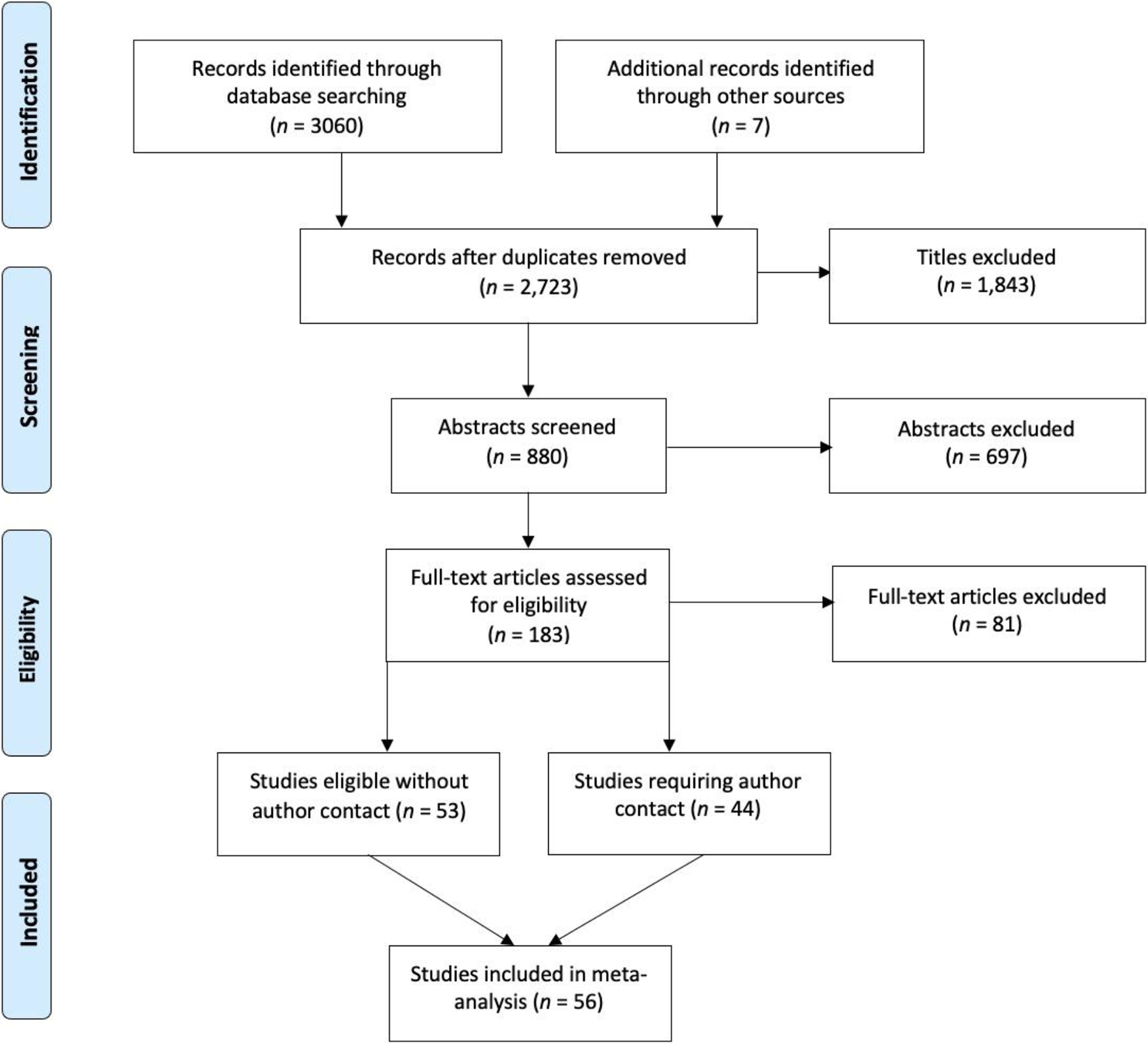
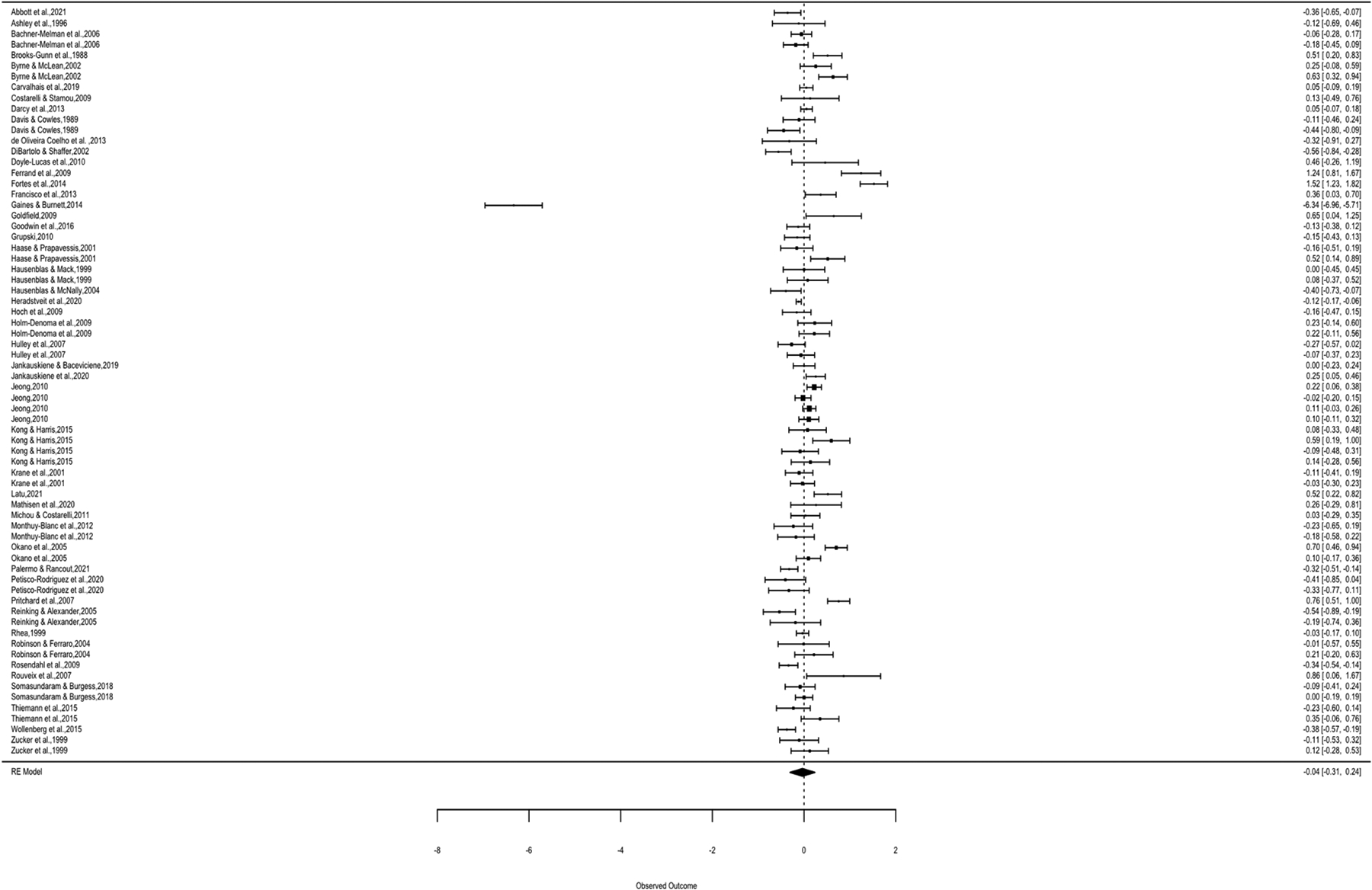
Method: Following PRISMA guidelines, we identified 56 studies that reported ED psychopathology for female athletes and nonathletes. A three-level random-effects model of between- and within-study variance was completed for the following outcome variables: overall ED psychopathology, body dissatisfaction, drive for thinness, restricting, and loss-of-control eating.
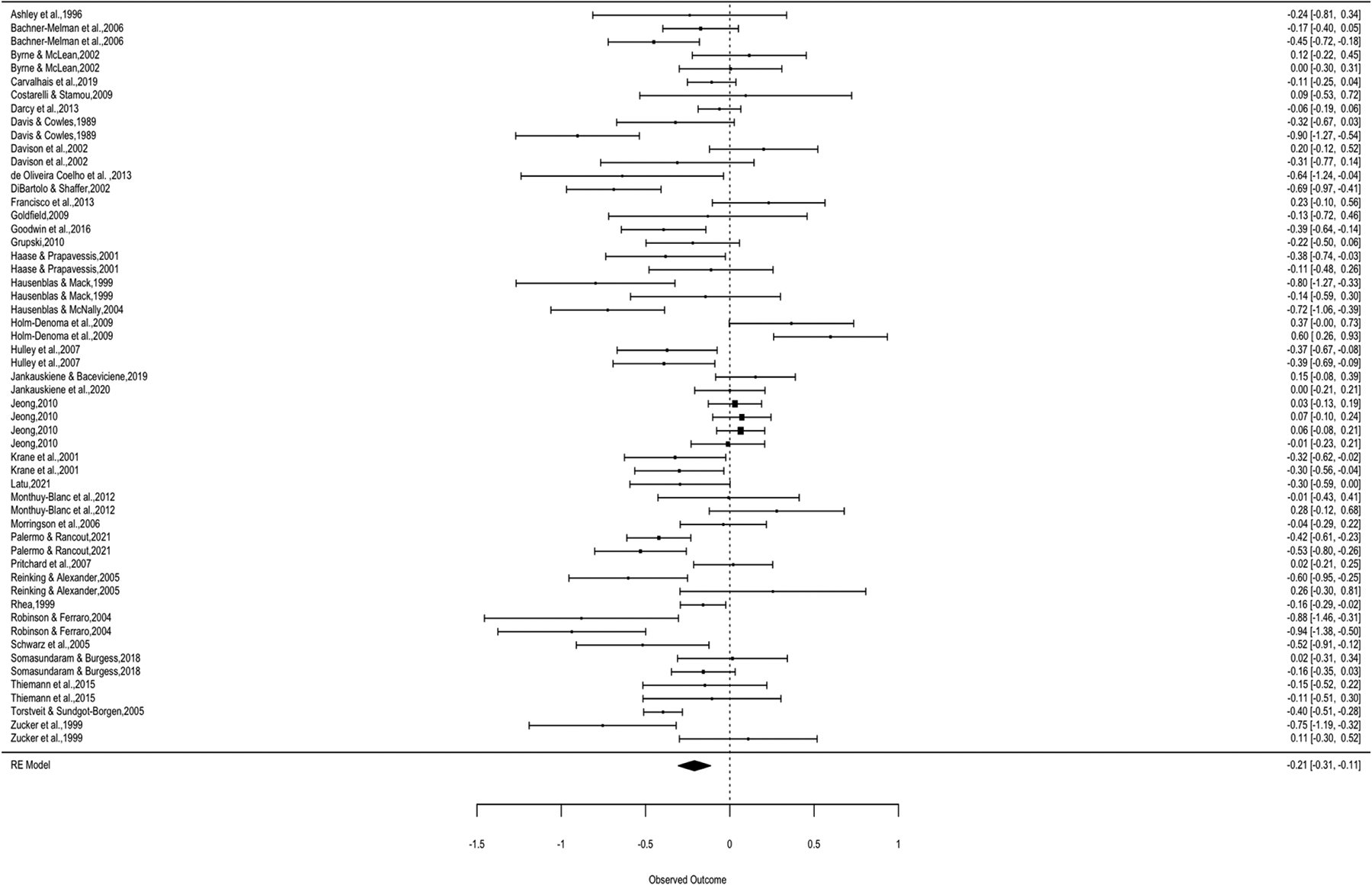
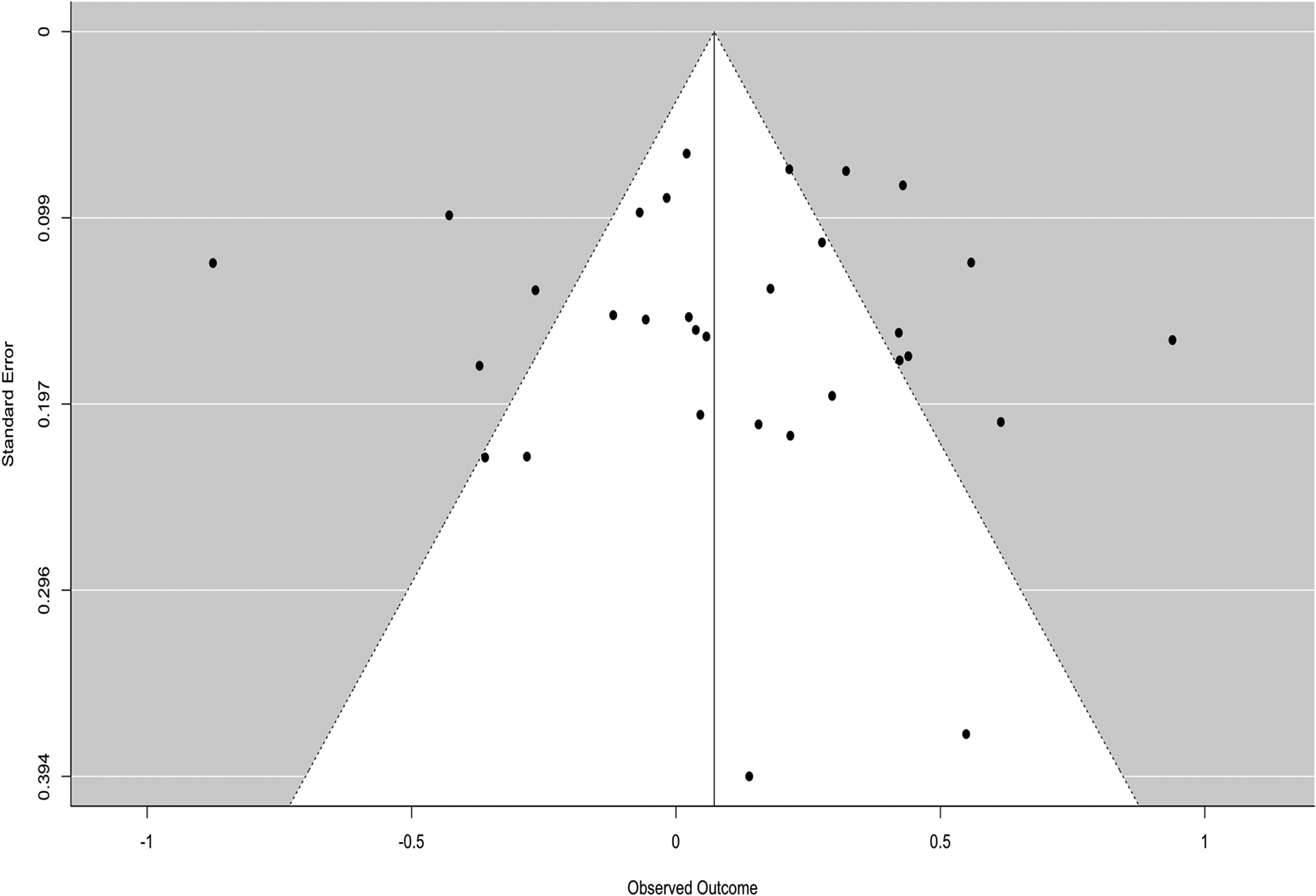
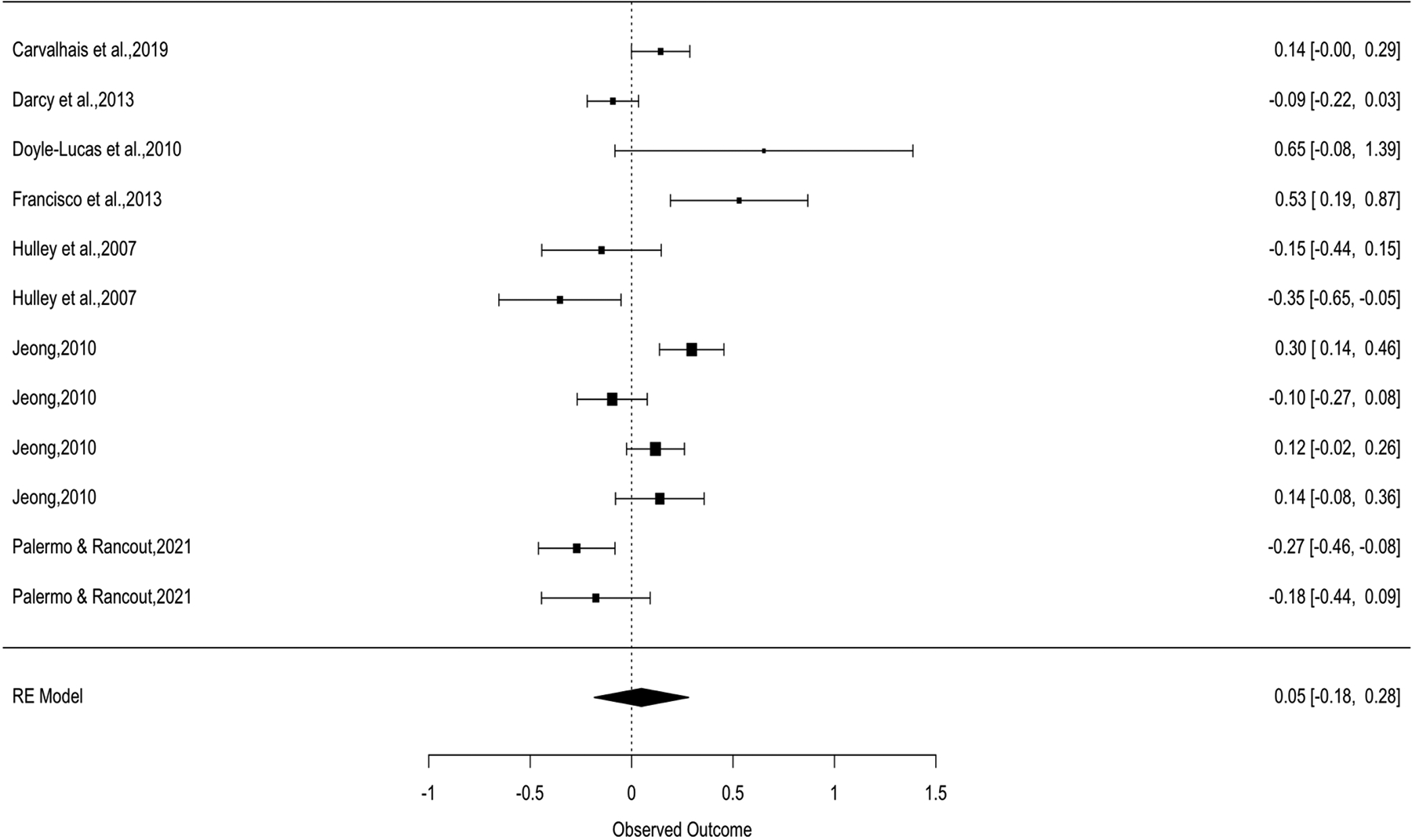
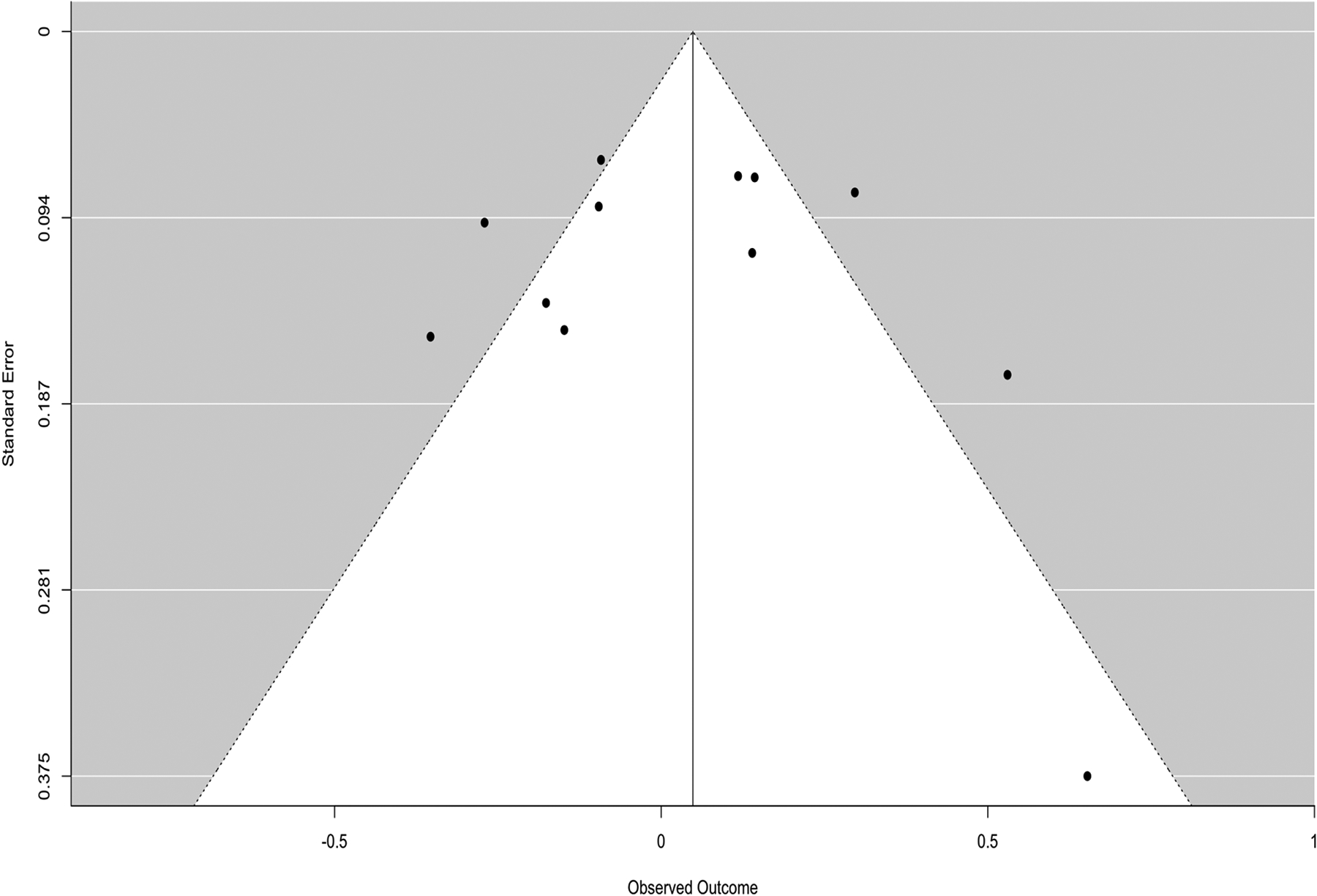
Results: Athletes reported lower levels of body dissatisfaction compared to nonathletes (g = -.21, p < .0001). Athletes and nonathletes reported similar levels of overall ED psychopathology, drive for thinness, restricting, and loss-of-control eating on average. Sport type significantly moderated standardized mean difference effect sizes of ED psychopathology in athletes versus nonathletes. Effect sizes comparing levels of drive for thinness, restricting, and loss-of-control eating in athletes versus nonathletes were larger for studies with athletes participating in aesthetic/lean sports compared to nonaesthetic/nonlean sports.
Discussion: Findings from this meta-analysis could inform future ED prevention and treatment in female athletes by providing further evidence that athletes in aesthetic/lean sports may report higher levels of ED psychopathology. Participating in nonaesthetic/nonlean sports may be a protective factor for experiencing less body dissatisfaction.
Public significance statement: The current meta-analysis summarized findings from 56 studies that assessed levels of disordered eating, body dissatisfaction, dietary restricting, and loss-of-control eating in female athletes and nonathletes. Athletes reported lower levels of body dissatisfaction compared to nonathletes, highlighting that participation in sport could have some protective factors. Athletes participating in sports that require weight categories (e.g., judo) and sports that emphasize thinness/leanness (e.g., gymnastics and distance running) had higher levels of disordered eating relative to athletes participating in other types of sports that do not emphasize thinness/leanness (e.g., volleyball and basketball).
Objetivo: Existe un debate abierto sobre si la participación en los deportes es un factor de riesgo o protector para los trastornos de la conducta alimentaria (TCA). La investigación es mixta, con algunos estudios que sugieren que los atletas tienen niveles medios más altos de psicopatología de TCA en comparación con los no atletas, mientras que otros estudios sugieren el efecto opuesto o ninguna diferencia. El propósito del presente metanálisis fue identificar si las atletas femeninas reportaron niveles medios más altos de psicopatología de TCA en comparación con las no atletas. MÉTODO: Siguiendo las guías PRISMA, se identificaron 56 estudios que informaron psicopatología de TCA para atletas femeninas y no atletas. Se completó un modelo de efectos aleatorios de tres niveles de varianza entre y dentro del estudio para las siguientes variables de resultado: psicopatología general de TCA, insatisfacción corporal, impulso por la delgadez, restricción y pérdida de control de la alimentación.
Resultados: Las atletas reportaron niveles más bajos de insatisfacción corporal en comparación con las no atletas (g = -.21, p <.0001). Las atletas y las no atletas reportaron niveles similares de psicopatología general de TCA, impulso por la delgadez, restricción y pérdida de control de la alimentación en promedio. El tipo de deporte moderó significativamente los tamaños del efecto de la diferencia de medias estandarizada de la psicopatología de TCA en atletas versus no atletas. Los tamaños del efecto que compararon los niveles de impulso por la delgadez, la restricción y la pérdida de control de la alimentación en atletas versus no atletas fueron mayores para los estudios con atletas que participaron en deportes que valoran lo estético/cuerpo magro, esbelto, en comparación con deportes que no valoran lo estético/cuerpo magro, esbelto. DISCUSIÓN: Los hallazgos de este metanálisis podrían informar la prevención y el tratamiento futuros de los TCA en atletas femeninas al proporcionar más evidencia de que las atletas en deportes que dan un gran valor a lo estético o al cuerpo magro, esbelto, pueden reportar niveles más altos de psicopatología de TCA. Participar en deportes que no dan valor a lo estético o al cuerpo magro, puede ser un factor protector para experimentar menos insatisfacción corporal.
Keywords: athletes; body dissatisfaction; disordered eating; eating disorders; females; loss of control; meta-analysis; restraint; restricting; review.
© 2022 Wiley Periodicals LLC.
Figures
References
-
- Abbott W, Brett A, Brownlee TE, Hammond KM, Harper LD, Naughton RJ, Anderson L, Munson EH, Sharkey JV, Randell RK, & Clifford T (2021). The prevalence of disordered eating in elite male and female soccer players. Eating and Weight Disorders-Studies on Anorexia, Bulimia and Obesity, 26(2), 491–498. 10.1007/s40519-020-00872-0 - DOI - PMC - PubMed
-
- Ashley CD, Smith JF, Robinson JB, & Richardson MT (1996). Disordered eating in female collegiate athletes and collegiate females in an advanced program of study: A preliminary investigation. International Journal of Sport Nutrition and Exercise Metabolism, 6(4), 391–401. 10.1123/ijsn.6.4.391 - DOI - PubMed
Publication types
MeSH terms
Grants and funding
LinkOut - more resources
Full Text Sources
Medical
