Review
. 2022 Jul:286:121604.
doi: 10.1016/j.biomaterials.2022.121604. Epub 2022 May 25.

Immunomodulatory strategies for bone regeneration: A review from the perspective of disease types

Affiliations
Review

Immunomodulatory strategies for bone regeneration: A review from the perspective of disease types

Ni Su et al. Biomaterials. 2022 Jul.

Abstract

Tissue engineering strategies for treating bone loss to date have largely focused on targeting stem cells or vascularization. Immune cells, including macrophages and T cells, can also indirectly enhance bone healing via cytokine secretion to interact with other bone niche cells. Bone niche cues and local immune environment vary depending on anatomical location, size of defects and disease types. As such, it is critical to evaluate the role of the immune system in the context of specific bone niche and different disease types. This review focuses on immunomodulation research for bone applications using biomaterials and cell-based strategies, with a unique perspective from different disease types. We first reviewed applications for prolonging orthopaedic implant lifetime and enhancing fracture healing, two clinical challenges where immunomodulatory strategies were initially developed for orthopedic applications. We then reviewed recent research progress in harnessing immunomodulatory strategies for regenerating critical-sized, long bone or cranial bone defects, and treating osteolytic bone diseases. Remaining gaps in knowledge, future directions and opportunities were also discussed.

Keywords: Biomaterials; Bone regeneration; Diseases; Immunomodulation.


Figures

Figure 1.
Figure 1.
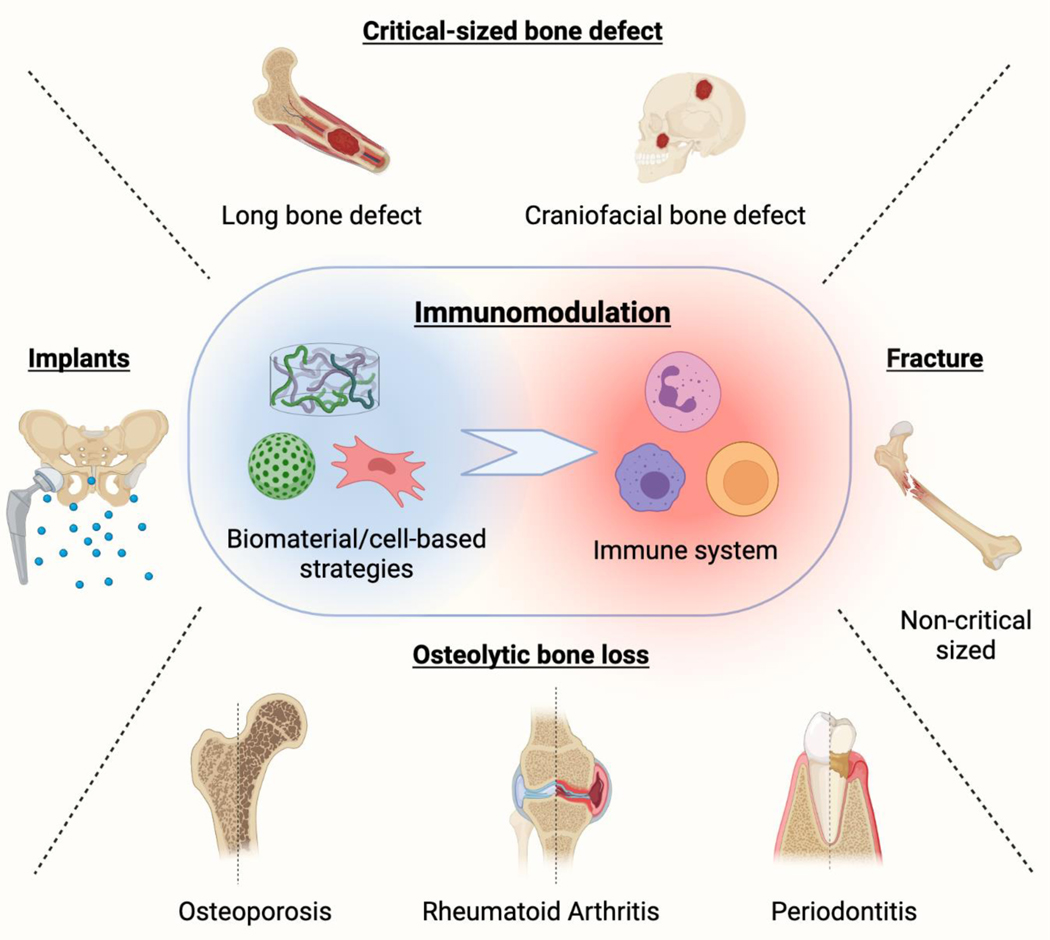
A schematic summary of different immunomodulation strategies for bone applications based on different disease types.
Figure 2.
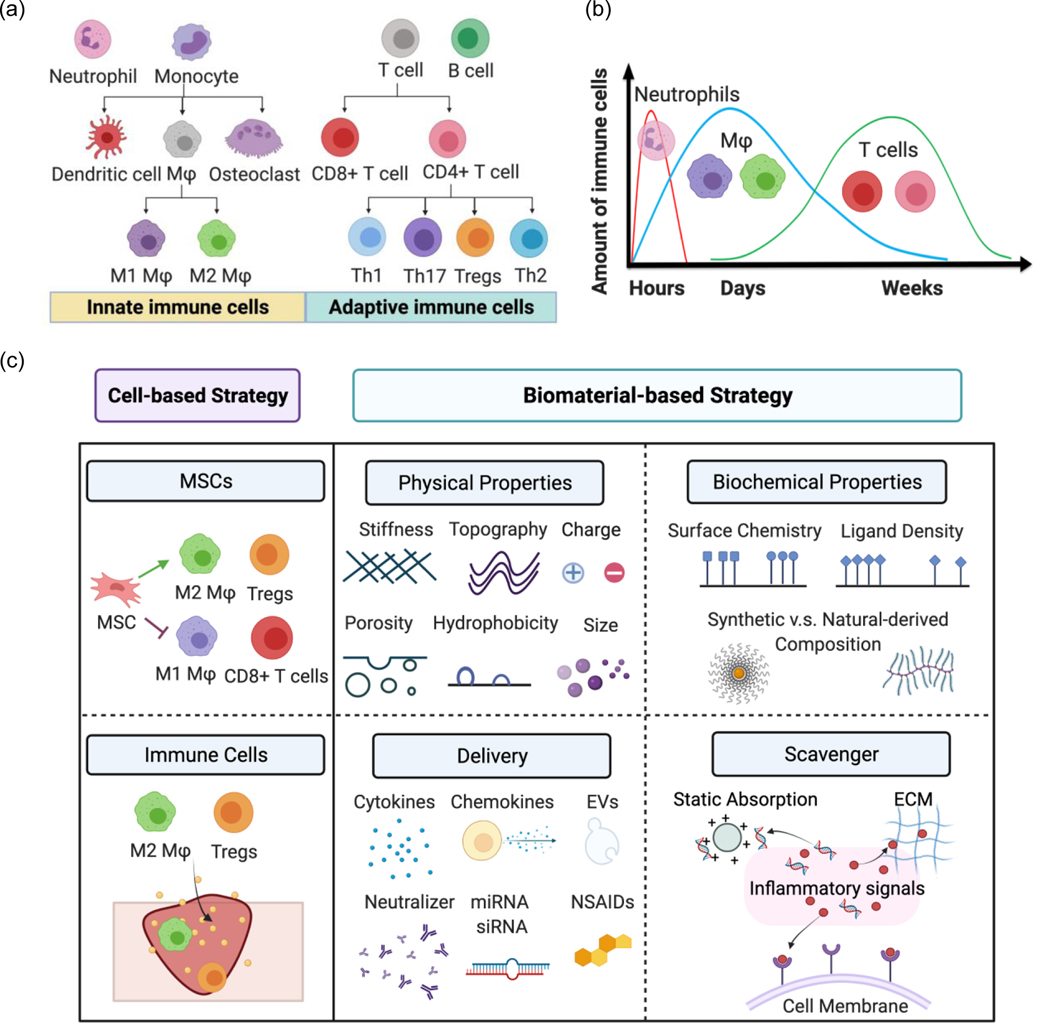
Figure 2.. An overview of immunomodulation strategies for tissue regeneration.
(a) Innate and adaptive arms of the immune system. (b) Timeline of different types of immune cells infiltrated into injury site. (c) Summary of current immunomodulatory strategies.
Figure 3.
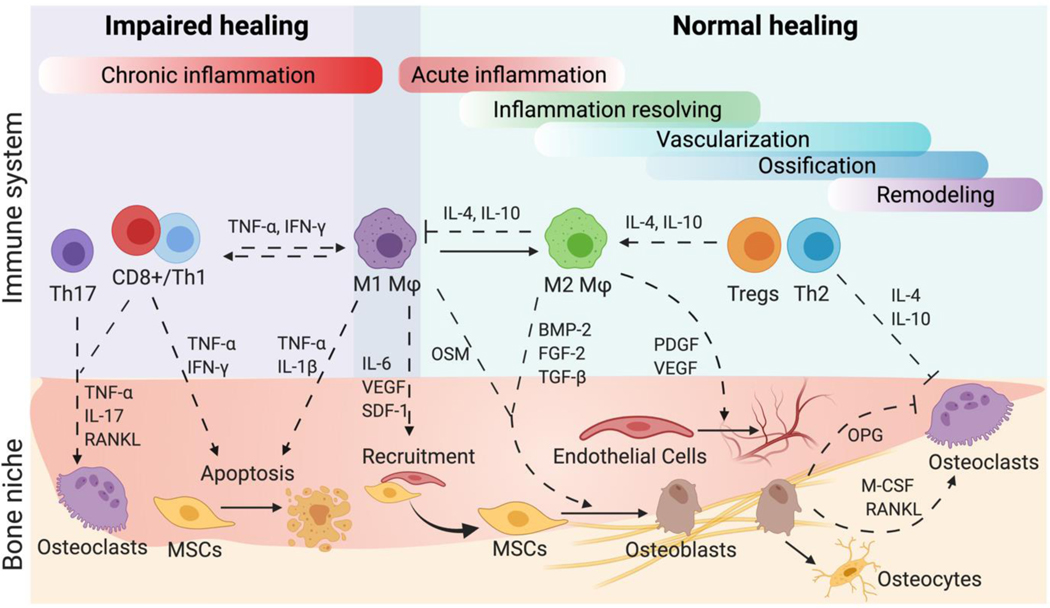
Figure 3.. The crosstalk between immune system and bone niche during impaired and normal bone healing.
Impaired healing is characterized by chronic inflammation, driven by M1 Mφ and activated pro-inflammatory T cells, which secret cytokines that lead to apoptosis of stem cells and activation of osteoclasts. Normal bone healing is characterized by timely resolution of acute inflammation with desirable crosstalk between the immune system and bone niche cells that facilitated the healing process of vascularization, new bone deposition, and remodeling. Abbreviations: stromal cell-derived factor 1 (SDF-1), oncostatin M (OSM), bone morphogenetic proteins-2 (BMP-2) platelet-derived growth factor (PDGF), vascular endothelial growth factor (VEGF), transforming growth factor-β (TGF-β), fibroblast growth factor-2 (FGF-2).
Figure 4.
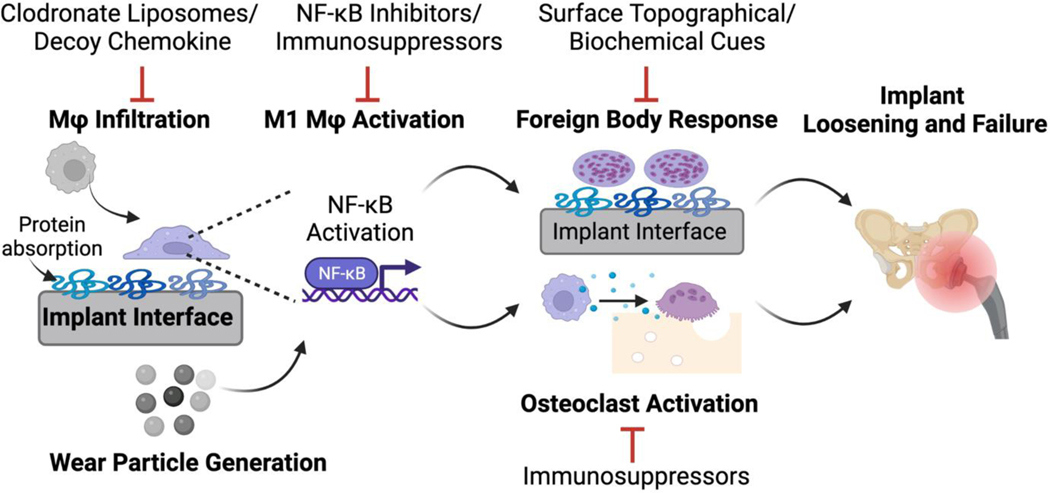
Figure 4.. Process of implant interface reaction, wear particle-induced orthopaedic implant failure, and intervention strategies.
Implant interface reaction causes Mφ recruitment and M1 Mφ activation, which is further worsened by excessive wear particles production. The highly inflammatory environment leads to severe foreign body responses and osteoclast activation, thus causing implant loosening and failure. Immunomodulatory strategies to overcome this undesirable inflammatory response are shown above in each step.
Figure 5.
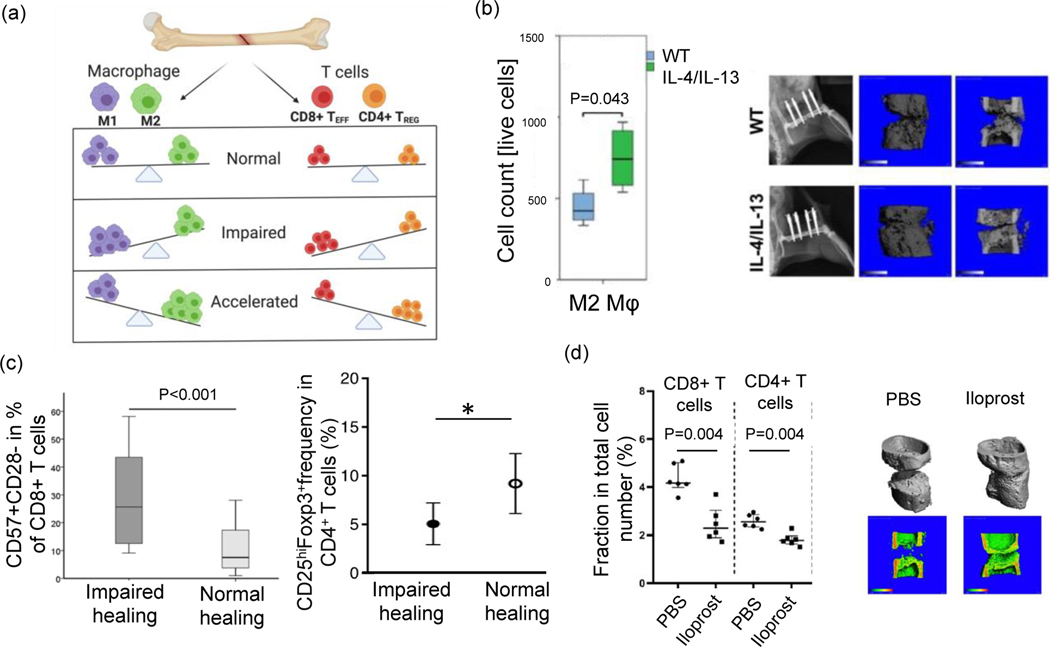
Figure 5.. Enhancing non-critical size bone fracture healing via in situ delivery of immunomodulators that target Mφ or T cells in vivo.
(a) A schematic summarizing how different subtypes of Mφ and T cells impact bone healing outcome. (b) Promoting M2 Mφ polarization using in situ delivery of cytokines enhanced bone fracture healing in vivo. (c) Patients with impaired bone fracture healing is characterized by higher number of CD8+ T cells and lower Tregs in peripheral blood. (d) In situ delivery of Iloprost reduced CD8+ and CD4+ T cells in the fracture and accelerated bone fracture healing. (Data reproduced from [29, 38, 76, 84].)
Figure 6.
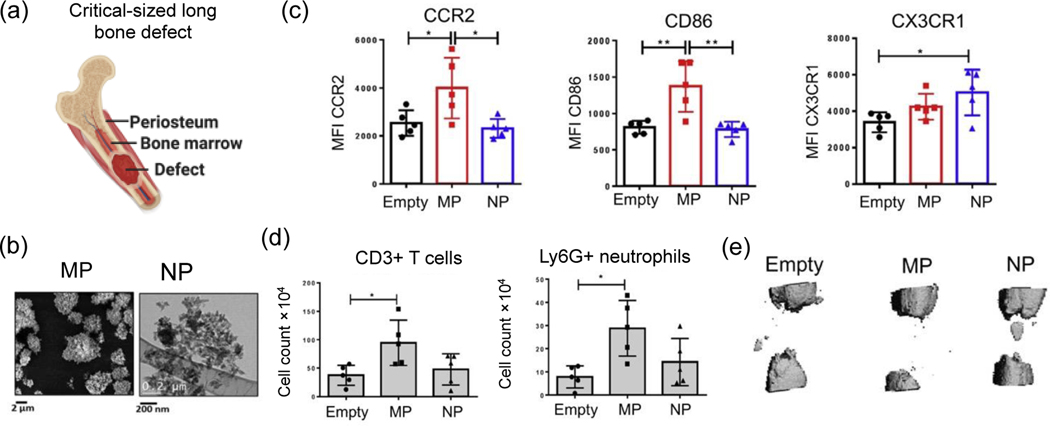
Figure 6.. Optimizing HA particle size accelerates critical-sized long bone defect healing by promoting M2 Mφ polarization.
(a) Schematic of a rat long bone defect model. (b) Morphology of HA microparticles (MP) and HA nanoparticles (NP). (c) Scaffolds containing MP promoted proinflammatory M1 phenotype (CCR2, CD86), while NP promoted M2 phenotype (CXCR1). (d) Only MP, but not NP, increased recruitment of CD3+ T cells and neutrophils. (e) MicroCT imaging showed NP enhanced bone regeneration at week 4. (Data reproduced from [96].)
Figure 7.
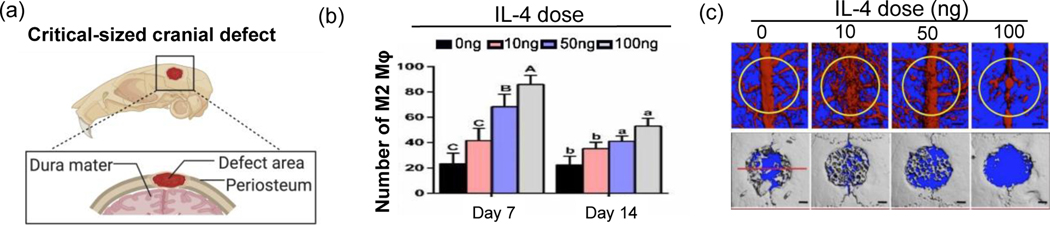
Figure 7.. Enhancing cranial bone regeneration via IL-4 delivery to facilitate M2 Mφ polarization.
(a) Schematic of a critical-sized cranial bone defect. (b) The effect on M2 polarization depends on IL-4 dosage. (c) The effect of IL-4 dosing on vascularization and mineralized bone formation in vivo. (Data reproduced from [121].)
Figure 8.
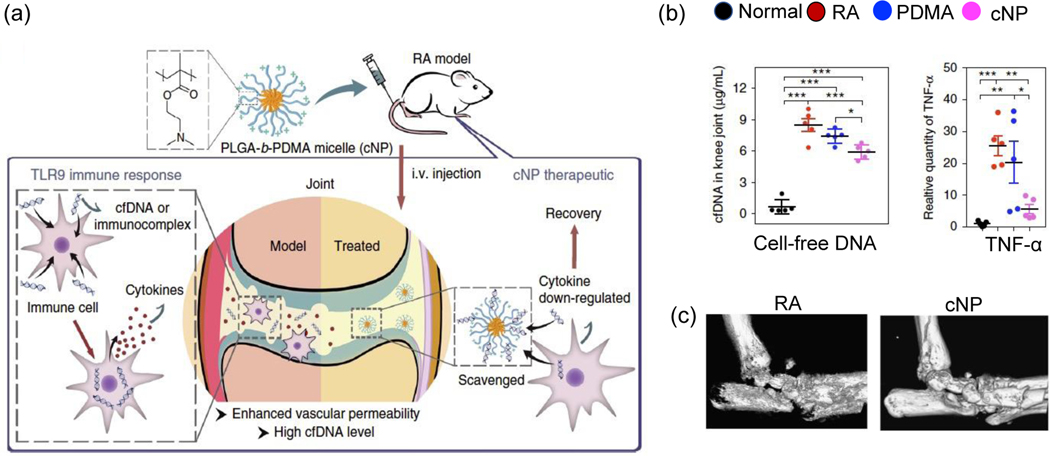
Figure 8.. Cationic nanoparticles (cNP) rescued bone loss in rheumatoid arthritis model through scavenging cell- free DNA (cfDNA).
(a) A schematic summary of the experimental design. (b) Intravenous delivery of cNP significantly decreased concentration of cfDNA and TNF-α in vivo, which rescued bone loss (c). (Data reproduced from [139].)
Figure 9.
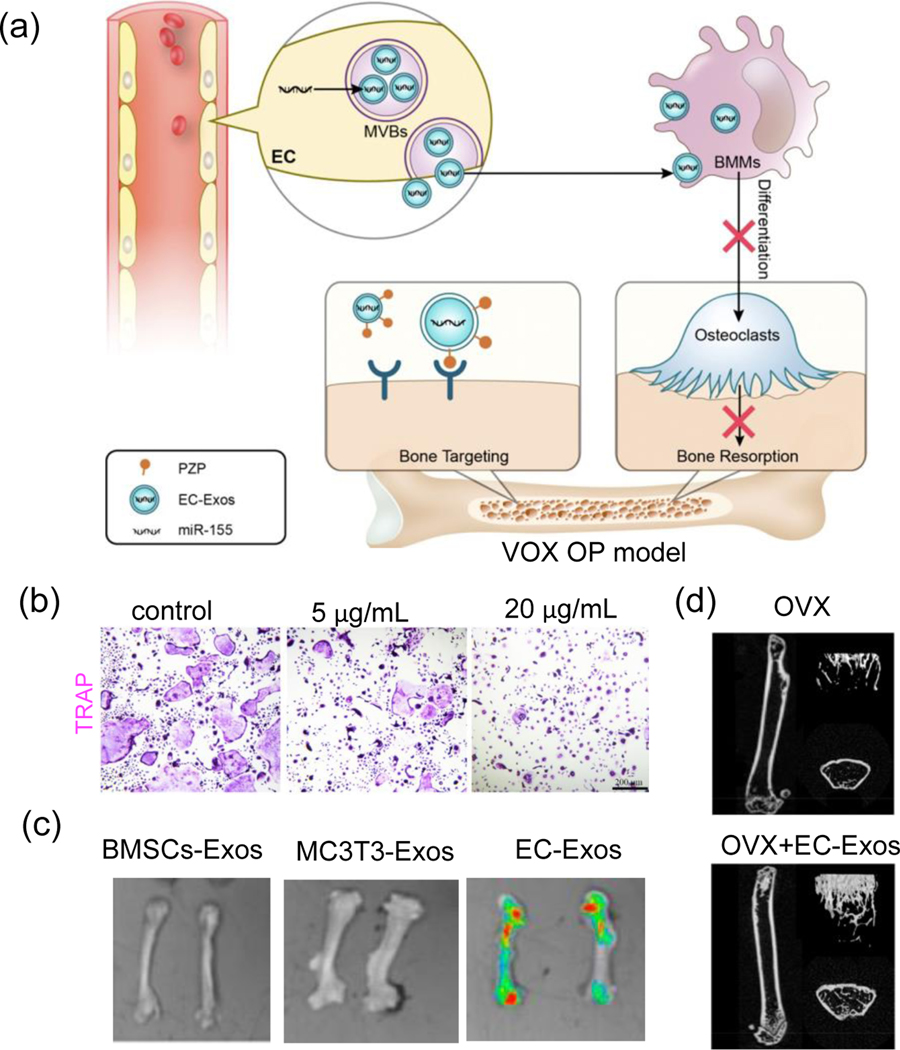
Figure 9.. Endothelial cell-secreted exosomes (EC-Exos) localized to bone niche and reversed bone loss in an osteoporosis disease model.
(a) A schematic summary of the effect of EC-Exos on bone niche cells. (b) EC-Exos inhibited osteoclast differentiation in vitro. (c) EC-Exos localized to bone niche after i.v. injection, which was not observed using exosomes from MSCs or osteoblasts (MC3T3). (d) EC-Exos reversed bone loss in an osteoporosis model. (Data reproduced from [146])
Figure 10.
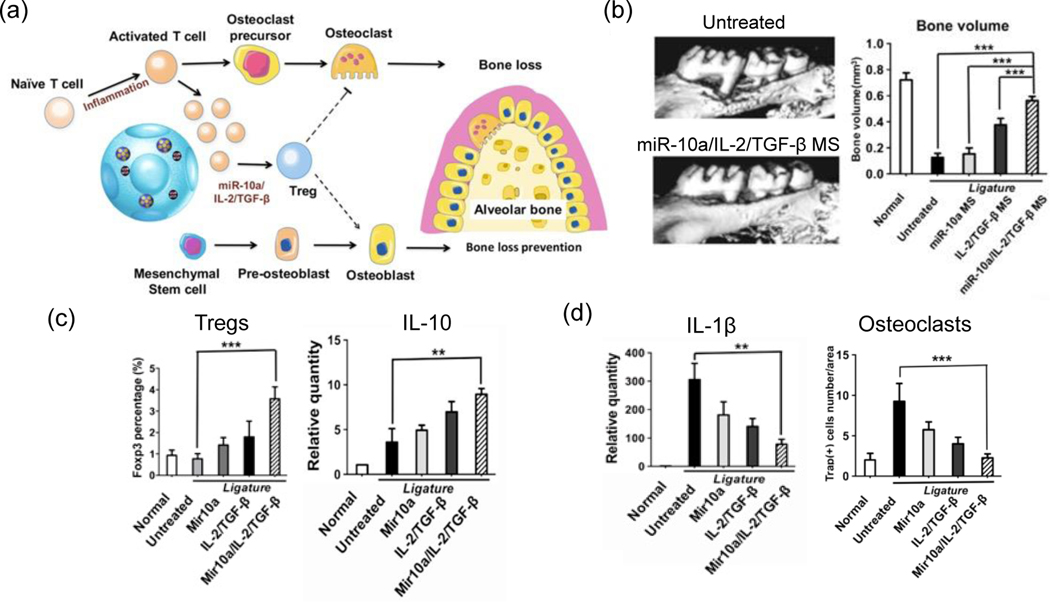
Figure 10.. Preventing periodontal bone loss through enriching regulatory T cells using microsphere-mediated triple delivery of immunomodulators.
(a) Schematic of mechanism for microsphere-mediated delivery of IL-2/TGF-β and miR-10a. (b) MicroCT imaging showed triple delivery helped prevent bone loss, (c-d) Triple delivery group significantly increased percentage of Tregs and IL-10 level (c), while decreasing inflammatory IL-1β level and osteoclast activity (d). (Data reproduced from [178].)

References

    1. Yin S, Zhang W, Zhang Z, Jiang X, Recent Advances in Scaffold Design and Material for Vascularized Tissue-Engineered Bone Regeneration, Adv Healthc Mater 8(10) (2019) e1801433. - PubMed
    1. Shang F, Yu Y, Liu S, Ming L, Zhang Y, Zhou Z, Zhao J, Jin Y, Advancing application of mesenchymal stem cell-based bone tissue regeneration, Bioact Mater 6(3) (2021) 666–683. - PMC - PubMed
    1. Haggerty AE, Maldonado-Lasunción I, Oudega M, Biomaterials for revascularization and immunomodulation after spinal cord injury, Biomed Mater 13(4) (2018) 044105. - PubMed
    1. Heydari P, Kharaziha M, Varshosaz J, Javanmard SH, Current knowledge of immunomodulation strategies for chronic skin wound repair, J Biomed Mater Res B Appl Biomater 110(2) (2022) 265–288. - PubMed
    1. Kiran S, Dwivedi P, Kumar V, Price RL, Singh UP, Immunomodulation and Biomaterials: Key Players to Repair Volumetric Muscle Loss, Cells 10(8) (2021). - PMC - PubMed

Publication types

Substances