


Enterococcus faecium and Pediococcus acidilactici deteriorate Enterobacteriaceae-induced depression and colitis in mice
- PMID: 35672451
- PMCID: PMC9174183
- DOI: 10.1038/s41598-022-13629-9
Enterococcus faecium and Pediococcus acidilactici deteriorate Enterobacteriaceae-induced depression and colitis in mice
Erratum in
-
Author Correction: Enterococcus faecium and Pediococcus acidilactici deteriorate Enterobacteriaceae-induced depression and colitis in mice.Sci Rep. 2023 Aug 10;13(1):12997. doi: 10.1038/s41598-023-39969-8. Sci Rep. 2023. PMID: 37563202 Free PMC article. No abstract available.
Abstract
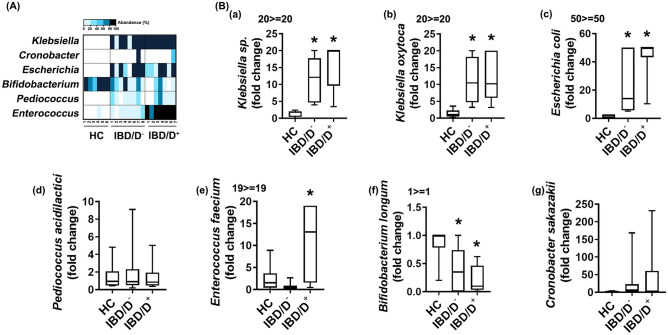
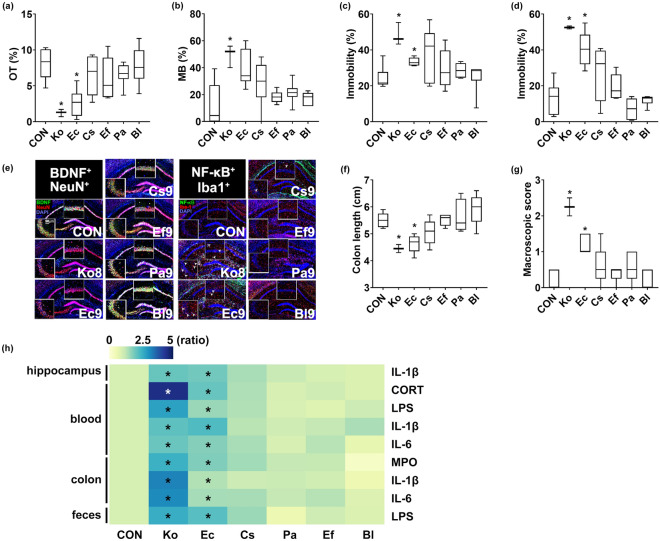
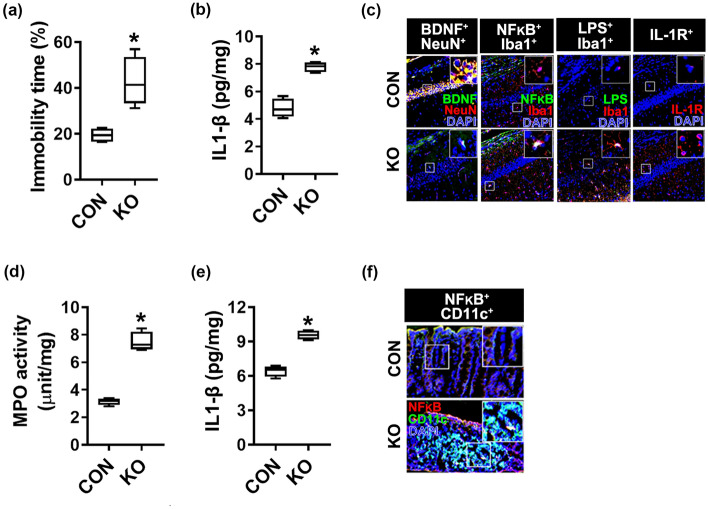
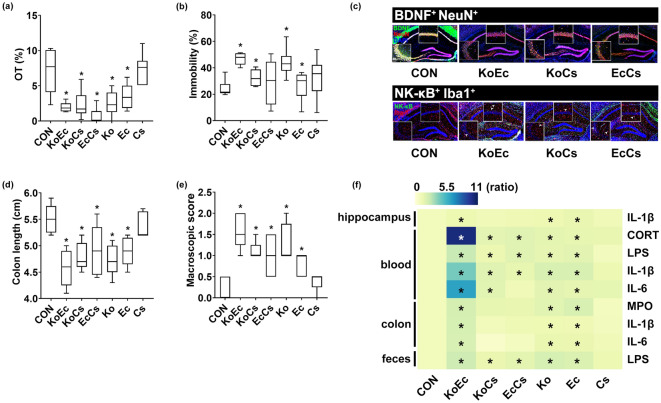
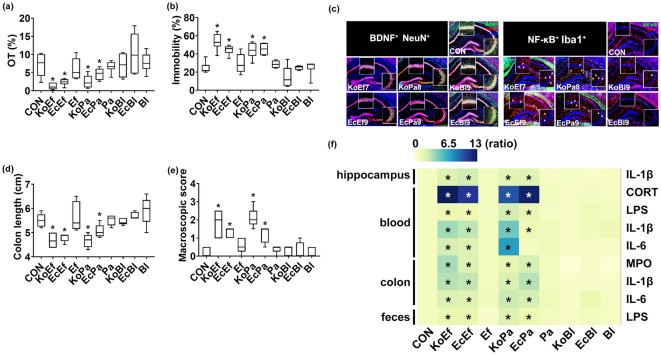
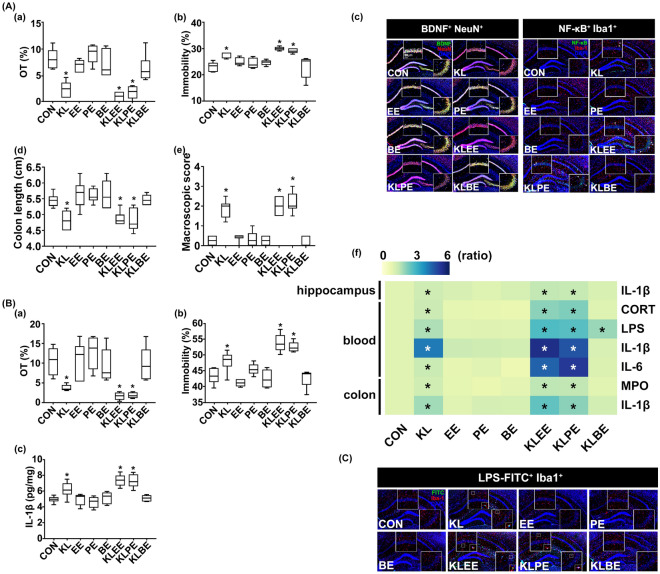
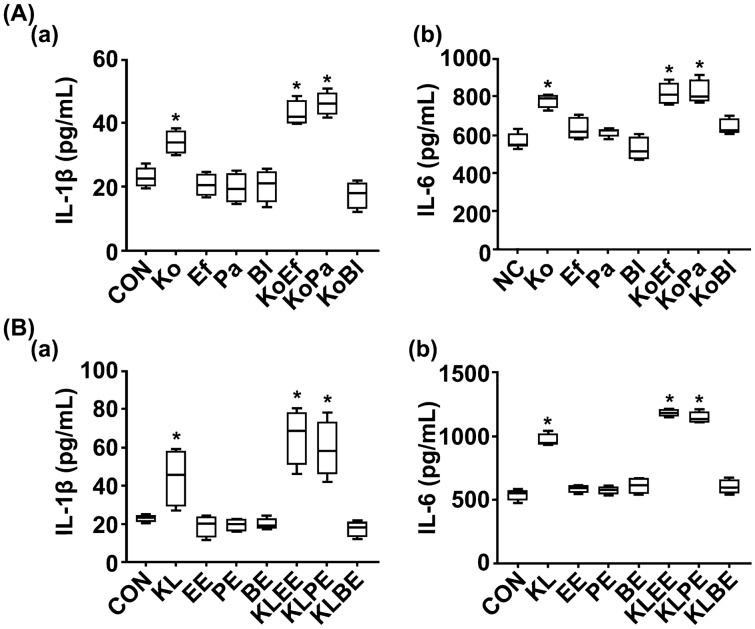
Gut dysbiosis is closely associated with the outbreak of inflammatory bowel disease (IBD) and psychiatric disorder. The Enterobacteriaceae population was higher in the feces of patients with inflammatory bowel disease (IBD-F) than in those of healthy control volunteers (HC-F). The Enterococcaceae and Lactobacillaceae populations were higher in the feces of IBD patients with depression (IBD/D+-F) vs. the feces of IBD patients without depression (IBD/D--F). Therefore, we examined the effects of Klebsiella oxytoca, Escherichia coli, Cronobacter sakazakii, Enterococcus faecium, and Pediococcus acidolactici overpopulated in IBD/D+-F and their byproducts LPS and exopolysaccharide (EPS) on the occurrence of depression and colitis in mice. Oral gavages of Klebsiella oxytoca, Escherichia coli, and Cronobacter sakazakii belonging to Enterobacteriaceae, singly or together, caused dose-dependently colitis and depression-like behaviors in germ-free and specific-pathogen-free mice. Although Enterococcus faecium and Pediococcus acidolactici did not significantly cause colitis and depression-like behaviors, they significantly deteriorated Klebsiella oxytoca- or Escherichia coli-induced colitis, neuroinflammation, and anxiety/depression-like behaviors and increased blood LPS, corticosterone, and IL-6 levels. The EPSs from Enterococcus faecium and Pediococcus acidolactici also worsened Klebsiella oxytoca LPS-induced colitis, neuroinflammation, and depression-like behaviors in mice and increased the translocation of fluorescein isothiocyanate-conjugated LPS into the hippocampus. However, Bifidobacterium longum, which was lower in IBD/D+-F vs. IBD/D--F, or its EPS suppressed them. In conclusion, Enterococcus faecium and Pediococcus acidolactici, known as a probiotic strain, and their EPSs may be a risk factor for the outbreak of depression and IBD.
© 2022. The Author(s).
Conflict of interest statement
The authors declare no competing interests.
Figures
References
Publication types
MeSH terms
Substances
LinkOut - more resources
Full Text Sources
