


Development of a Prognostic Model Based on Pyroptosis-Related Genes in Pancreatic Adenocarcinoma
- PMID: 35677632
- PMCID: PMC9169203
- DOI: 10.1155/2022/9141117
Development of a Prognostic Model Based on Pyroptosis-Related Genes in Pancreatic Adenocarcinoma
Abstract
Background: The importance of pyroptosis in tumorigenesis and cancer progression is becoming increasingly apparent. However, the efficacy of using pyroptosis-related genes (PRGs) in predicting the prognosis of pancreatic adenocarcinoma (PAAD) patients is unknown.
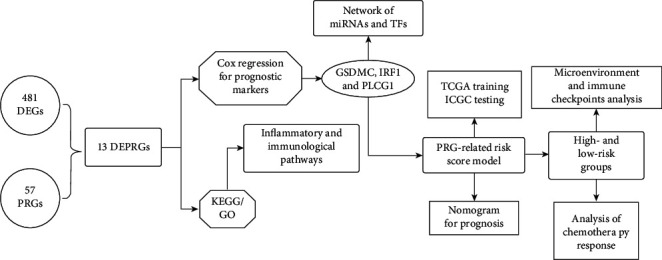
Methods: This investigation used two databases to obtain expression data for PAAD patients. Differentially expressed PRGs (DEPRGs) were identified between PAAD and control samples. Several bioinformatic approaches were used to analyze the biological functions of DEPRGs and to identify prognostic DERPGs. A miRNA-prognostic DEPRG-transcription factor (TF) regulatory network was created via the miRNet online tool. A risk score model was created after each patient's risk score was calculated. The microenvironments of the low- and high-risk groups were assessed using xCell, the expression of immune checkpoints was determined, and gene set variation analysis (GSVA) was performed. Finally, the efficacy of certain potential drugs was predicted using the pRRophetic algorithm, and the results in the high- and low-risk groups were compared.
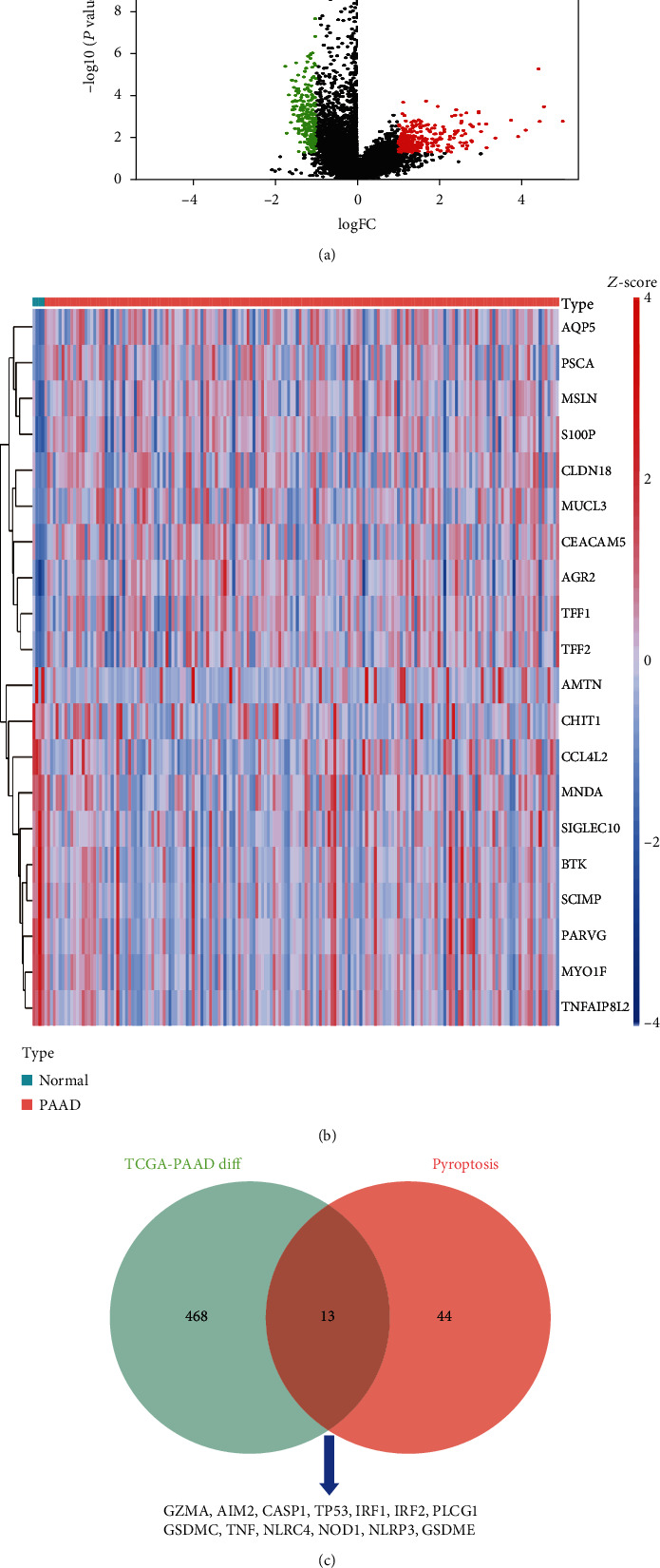
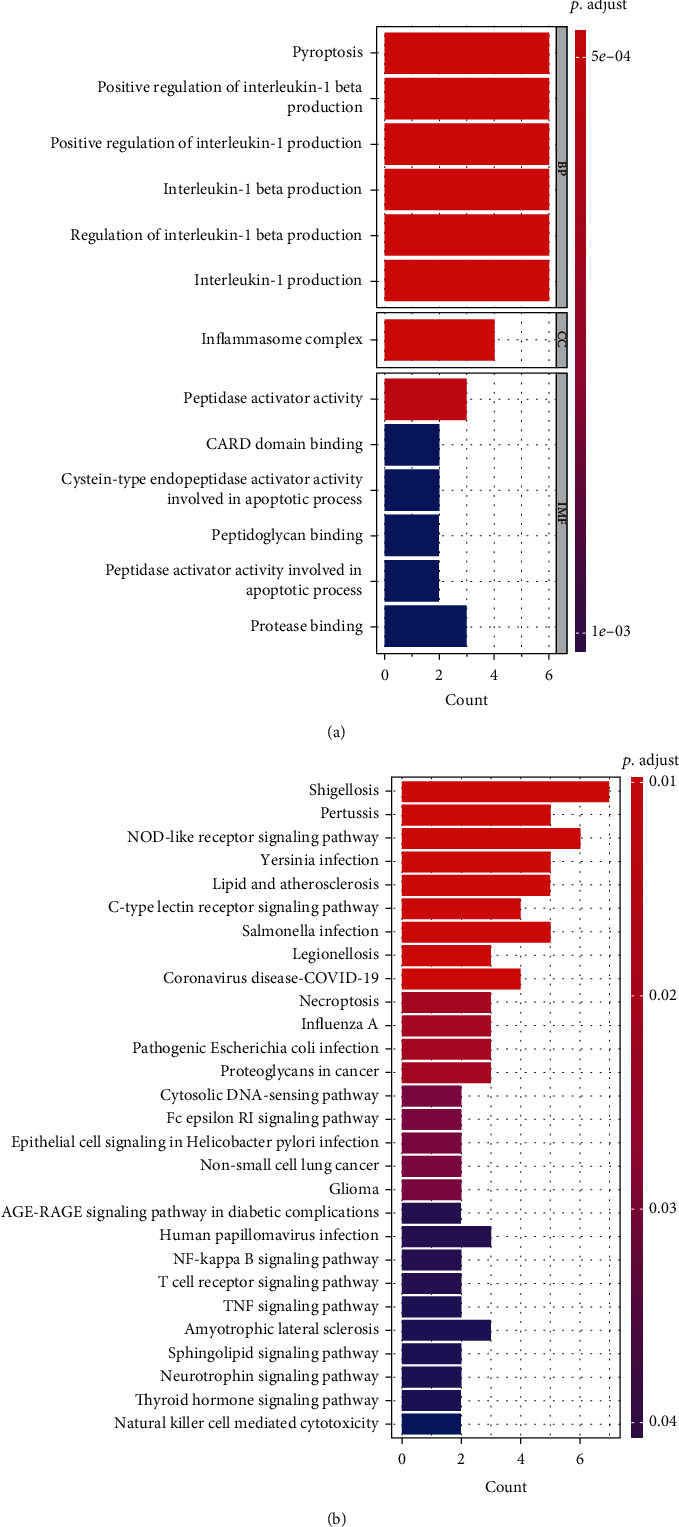
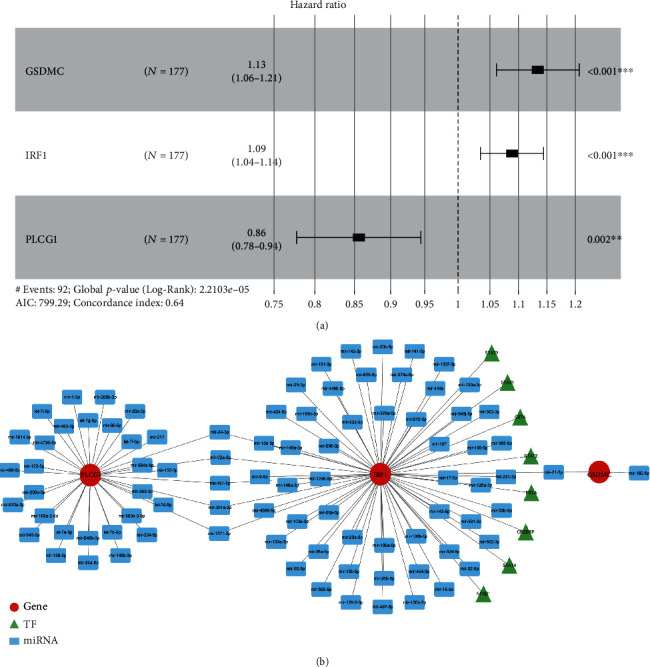
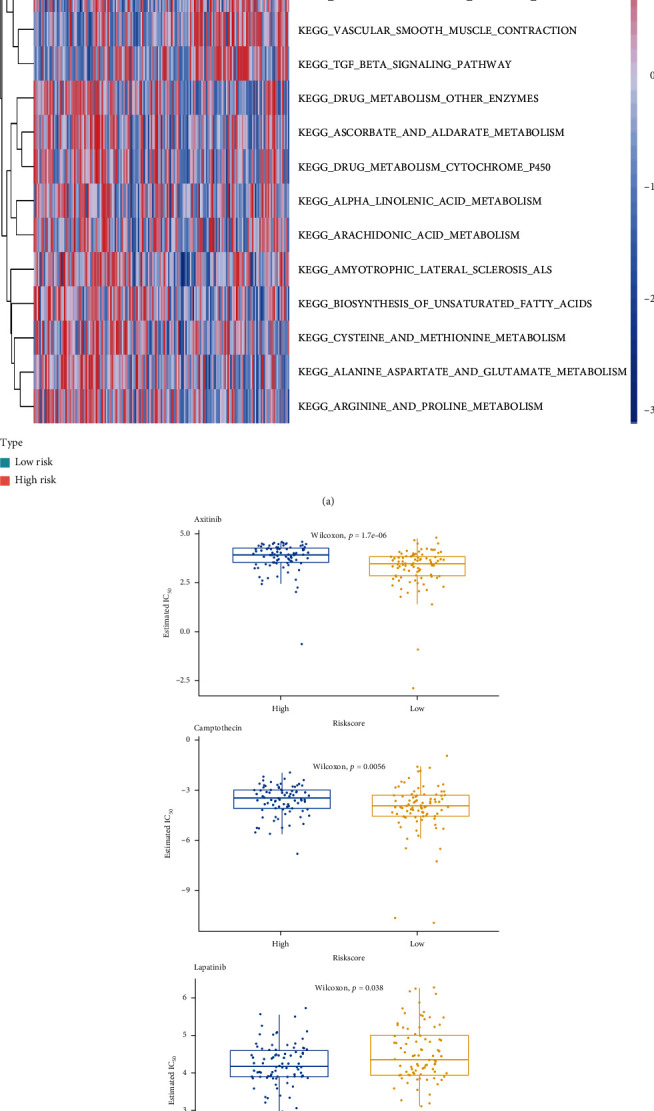
Results: A total of 13 DEPRGs were identified between PAAD and control samples. Functional enrichment analysis showed that the DEPRGs had a close relationship with inflammation. In univariate and multivariate Cox regression analyses, GSDMC, IRF1, and PLCG1 were identified as prognostic biomarkers in PAAD. The results of the miRNA-prognostic DEPRG-TF regulatory network showed that GSDMC, IRF1, and PLCG1 were regulated by both specific and common miRNAs and TFs. Based on the risk score and other independent prognostic indicators, a nomogram with a good ability to predict the survival of PAAD patients was developed. By evaluating the tumor microenvironment, we observed that the immune and metabolic microenvironments of the two groups were substantially different. In addition, individuals in the low-risk group were more susceptible to axitinib and camptothecin, whereas lapatinib might be preferred for patients in the high-risk group.
Conclusion: Our study revealed the prognostic value of PRGs in PAAD and created a reliable model for predicting the prognosis of PAAD patients. Our findings will benefit the prognostication and treatment of PAAD patients.
Copyright © 2022 Kaifeng Su et al.
Conflict of interest statement
The authors declare that they have no competing interests.
Figures
References
-
- Rahib L., Smith B. D., Aizenberg R., Rosenzweig A. B., Fleshman J. M., Matrisian L. M. Projecting cancer incidence and deaths to 2030: the unexpected burden of thyroid, liver, and pancreas cancers in the United States. Cancer Research . 2014;74(11):2913–2921. doi: 10.1158/0008-5472.CAN-14-0155. - DOI - PubMed
-
- Lepage C., Capocaccia R., Hackl M., et al. Survival in patients with primary liver cancer, gallbladder and extrahepatic biliary tract cancer and pancreatic cancer in Europe 1999-2007: results of EUROCARE-5. European Journal of Cancer . 2015;51(15):2169–2178. doi: 10.1016/j.ejca.2015.07.034. - DOI - PubMed
MeSH terms
Substances
LinkOut - more resources
Full Text Sources
Medical
Miscellaneous
