


Animal Models to Study Cardiac Arrhythmias
- PMID: 35679367
- PMCID: PMC9202503
- DOI: 10.1161/CIRCRESAHA.122.320258
Animal Models to Study Cardiac Arrhythmias
Abstract
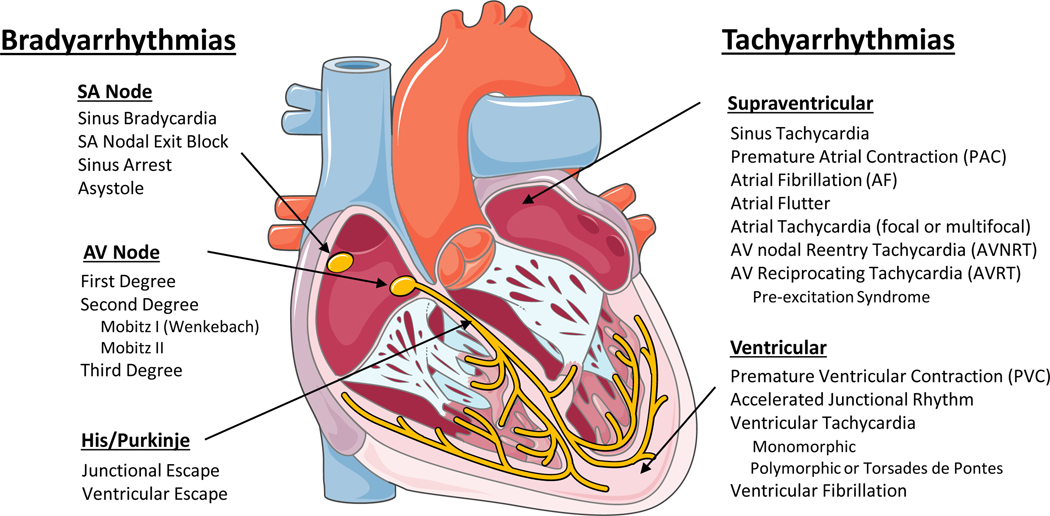
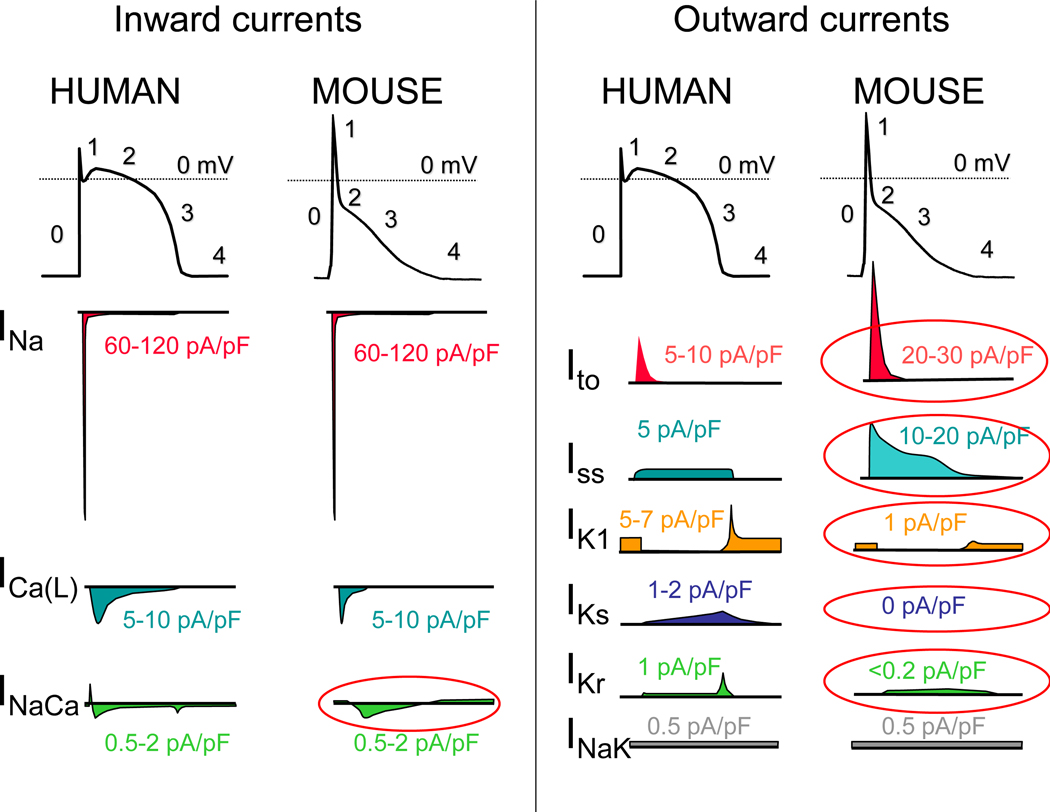
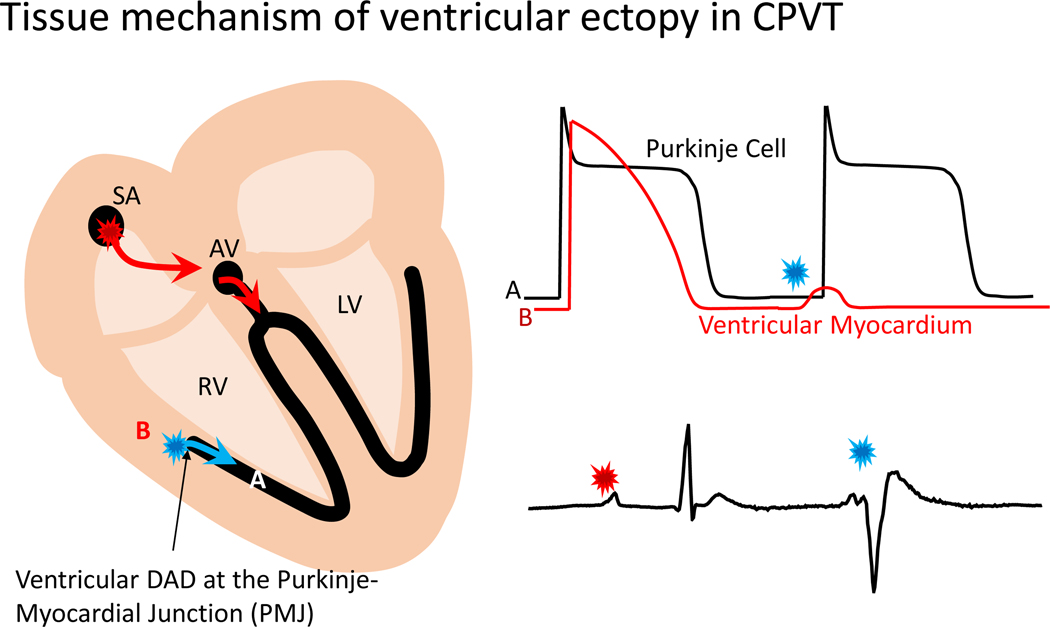
Cardiac arrhythmias are a significant cause of morbidity and mortality worldwide, accounting for 10% to 15% of all deaths. Although most arrhythmias are due to acquired heart disease, inherited channelopathies and cardiomyopathies disproportionately affect children and young adults. Arrhythmogenesis is complex, involving anatomic structure, ion channels and regulatory proteins, and the interplay between cells in the conduction system, cardiomyocytes, fibroblasts, and the immune system. Animal models of arrhythmia are powerful tools for studying not only molecular and cellular mechanism of arrhythmogenesis but also more complex mechanisms at the whole heart level, and for testing therapeutic interventions. This review summarizes basic and clinical arrhythmia mechanisms followed by an in-depth review of published animal models of genetic and acquired arrhythmia disorders.
Keywords: atrial fibrillation; cardiomyopathies; channelopathies; models, animals; morbidity.
Figures
References
-
- Echt DS, Liebson PR, Mitchell LB, Peters RW, Obias-Manno D, Barker AH, Arensberg D, Baker A, Friedman L, Greene HL, et al. Mortality and morbidity in patients receiving encainide, flecainide, or placebo. The Cardiac Arrhythmia Suppression Trial. N Engl J Med. 1991;324:781–8. - PubMed
-
- Cardiac Arrhythmia Suppression Trial III. Effect of the antiarrhythmic agent moricizine on survival after myocardial infarction. N Engl J Med. 1992;327:227–33. - PubMed
-
- Delisle BP, Anson BD, Rajamani S and January CT. Biology of cardiac arrhythmias: ion channel protein trafficking. Circ Res. 2004;94:1418–28. - PubMed
Publication types
MeSH terms
Grants and funding
LinkOut - more resources
Full Text Sources
Medical
