


The Potential of N-Acetylcysteine for Treatment of Trichotillomania, Excoriation Disorder, Onychophagia, and Onychotillomania: An Updated Literature Review
- PMID: 35681955
- PMCID: PMC9180086
- DOI: 10.3390/ijerph19116370
The Potential of N-Acetylcysteine for Treatment of Trichotillomania, Excoriation Disorder, Onychophagia, and Onychotillomania: An Updated Literature Review
Abstract
Background: Trichotillomania (TTM), excoriation disorder, onychophagia, and onychotillomania are categorized as body focused repetitive behavior (BFRB) disorders, causing damage to the skin, hair, and/or nails with clinically significant psychosocial consequences. Currently, there are no standardized treatments for these compulsive, self-induced disorders. Studies on treatment of these disorders using psychotropic drugs (i.e., selective serotonin reuptake inhibitors, tricyclic antidepressants, anticonvulsants) have shown variable efficacy. Recently, there is a growing interest in N-acetylcysteine (NAC) for treating BFRBs. NAC is a glutamate modulator that has shown promise in successfully reducing the compulsive behaviors in BFRB disorders. This article provides an updated review of the literature on the use of NAC in TTM, excoriation disorder, onychophagia, and onychotillomania.
Methods: Relevant articles were searched in the PubMed/MEDLINE database.
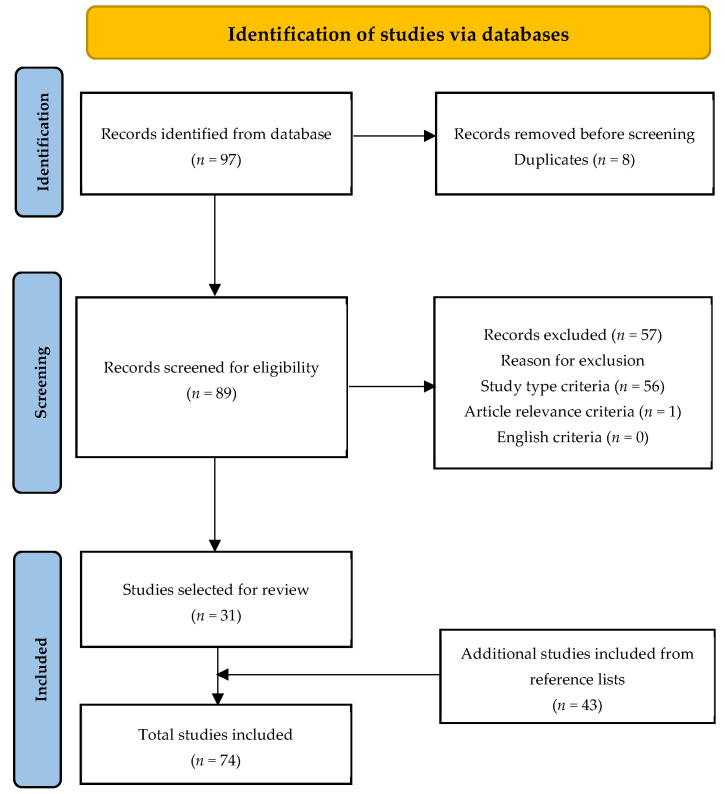
Results: Twenty-four clinical trials, retrospective cohort studies, and case reports assessing the efficacy of NAC in TTM, excoriation disorder, and onychophagia were included. No studies for onychotillomania were found in our search.
Conclusions: Although NAC has proven successful for treatment of BFRB disorders, data is derived from few clinical trials and case reports assessing small numbers of patients. Larger studies with longer durations are needed to fully establish the efficacy of NAC in these disorders.
Keywords: BFRB; N-acetylcysteine; NAC; body focused repetitive behavior; excoriation disorder; hair pulling; onychophagia; onychotillomania; skin picking; trichotillomania.
Conflict of interest statement
The authors declare no conflict of interest.
Figures
References
-
- Sani G., Gualtieri I., Paolini M., Bonanni L., Spinazzola E., Maggiora M., Pinzone V., Brugnoli R., Angeletti G., Girardi P., et al. Drug Treatment of Trichotillomania (Hair-Pulling Disorder), Excoriation (Skin-picking) Disorder, and Nail-biting (Onychophagia) Curr. Neuropharmacol. 2019;17:775–786. doi: 10.2174/1570159X17666190320164223. - DOI - PMC - PubMed
-
- American Psychiatric Association DSM-5 Task Force. Diagnostic and Statistical Manual of Mental Disorders: DSM-5. 2013. [(accessed on 8 March 2022)]. Available online: http://dsm.psychiatryonline.org/book.aspx?bookid=556.
-
- Penzel F. Body-Focused Repetitive Disorder. Hair Pulling, Skin Picking and Biting: Body-Focused Repetitive Disorders. What Exactly Are BFRBs? [(accessed on 8 March 2022)]. Available online: https://www.aamft.org/Consumer_Updates/Body_Focused_Repetitive_Disorders....
Publication types
MeSH terms
Substances
LinkOut - more resources
Full Text Sources
