


A Low-Cost AI Buoy System for Monitoring Water Quality at Offshore Aquaculture Cages
- PMID: 35684699
- PMCID: PMC9185509
- DOI: 10.3390/s22114078
A Low-Cost AI Buoy System for Monitoring Water Quality at Offshore Aquaculture Cages
Abstract
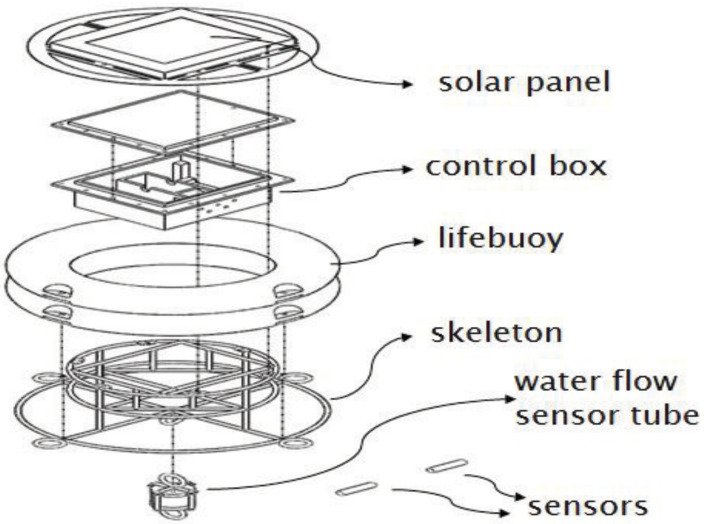
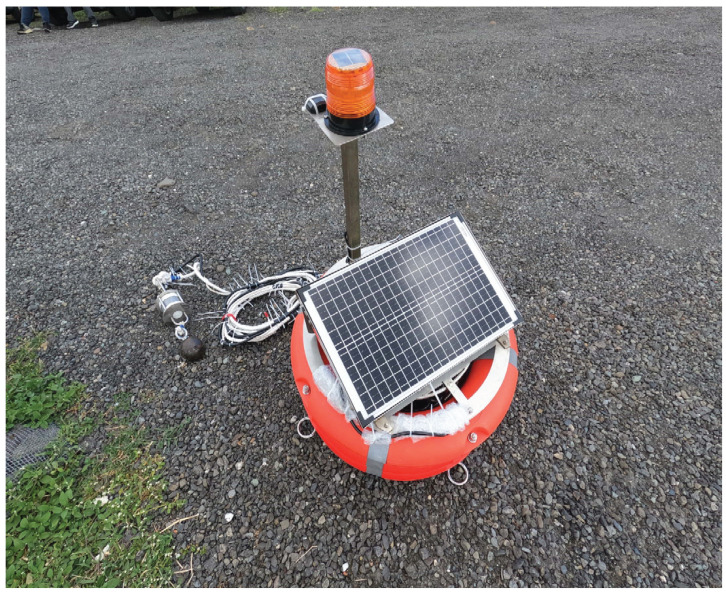
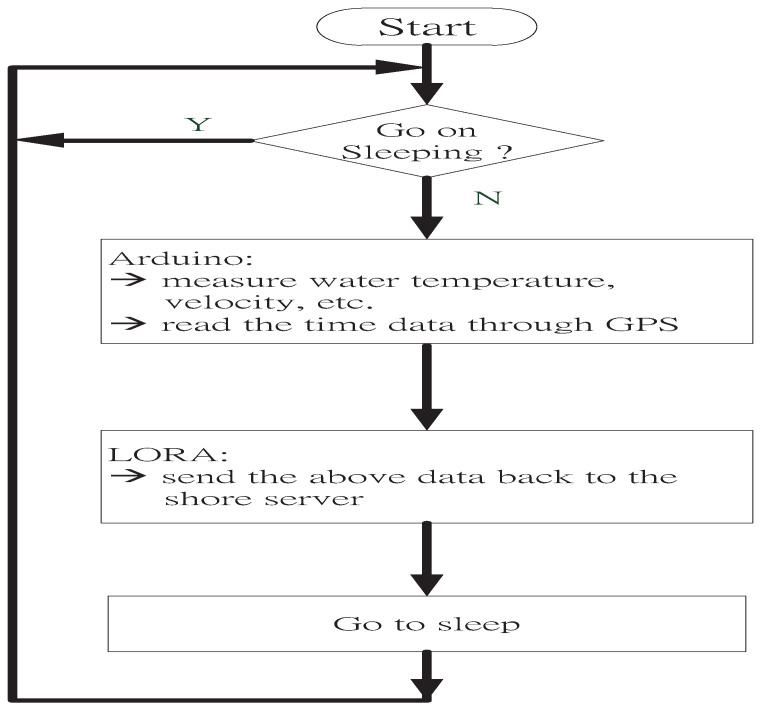
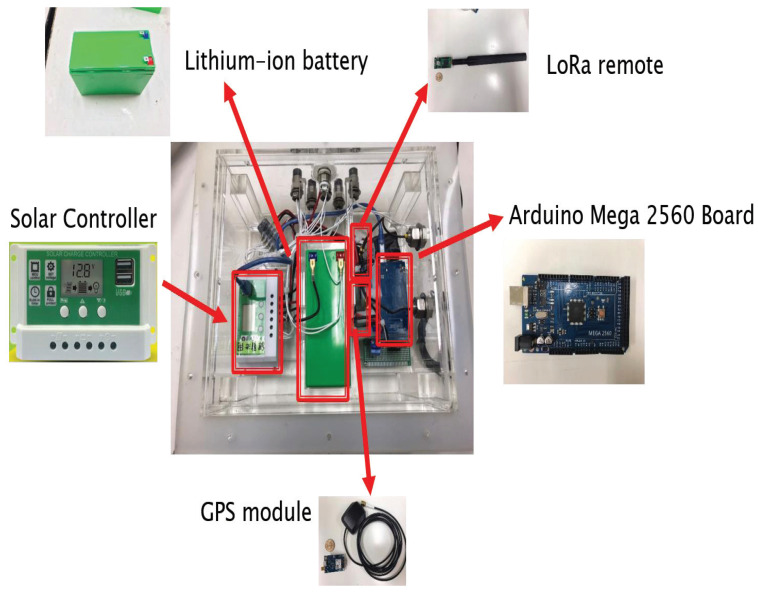
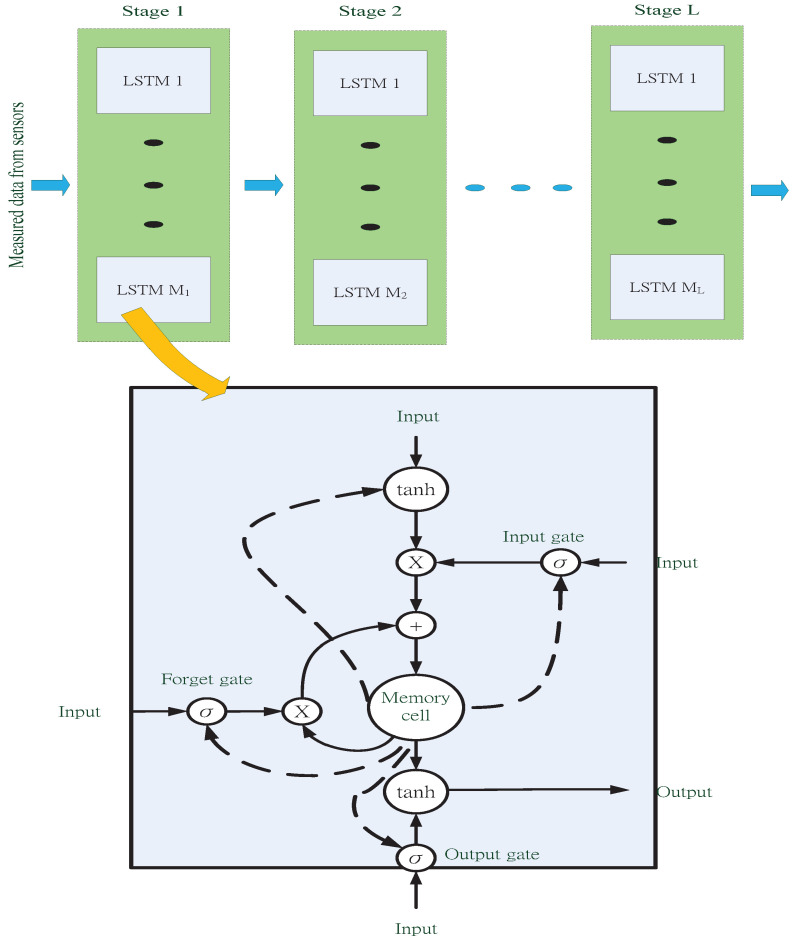
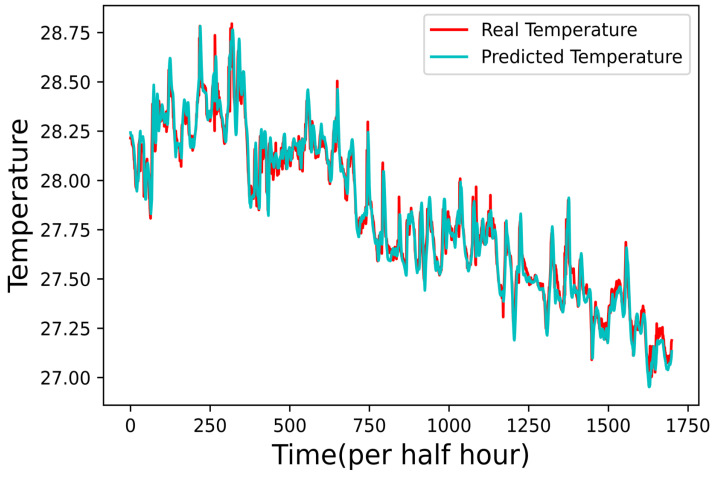
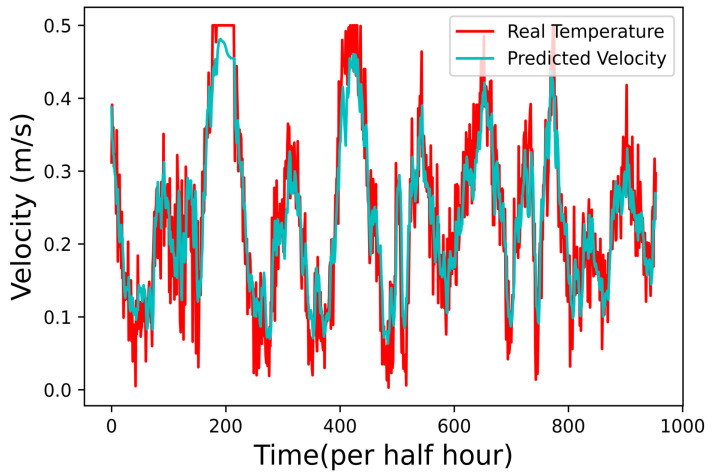
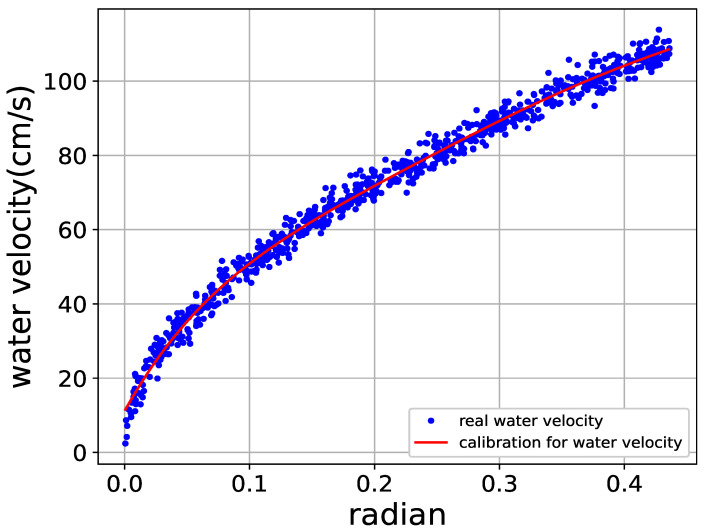
The ocean resources have been rapidly depleted in the recent decade, and the complementary role of aquaculture to food security has become more critical than ever before. Water quality is one of the key factors in determining the success of aquaculture and real-time water quality monitoring is an important process for aquaculture. This paper proposes a low-cost and easy-to-build artificial intelligence (AI) buoy system that autonomously measures the related water quality data and instantly forwards them via wireless channels to the shore server. Furthermore, the data provide aquaculture staff with real-time water quality information and also assists server-side AI programs in implementing machine learning techniques to further provide short-term water quality predictions. In particular, we aim to provide a low-cost design by combining simple electronic devices and server-side AI programs for the proposed buoy system to measure water velocity. As a result, the cost for the practical implementation is approximately USD 2015 only to facilitate the proposed AI buoy system to measure the real-time data of dissolved oxygen, salinity, water temperature, and velocity. In addition, the AI buoy system also offers short-term estimations of water temperature and velocity, with mean square errors of 0.021 °C and 0.92 cm/s, respectively. Furthermore, we replaced the use of expensive current meters with a flow sensor tube of only USD 100 to measure water velocity.
Keywords: artificial intelligence; machine learning; offshore aquaculture; water quality; wireless communications.
Conflict of interest statement
The authors declare no conflict of interest.
Figures
References
-
- Berlie A.B. Global warming: A review of the debates on the causes, consequences and politics of global response. Ghana J. Geogr. 2018;10:144–164.
-
- Shukla P.R., Buendia E.C., Delmotte V.M., Zhai P., Pörtner H.O., Roberts D., Skea J., Slade R., Connors S., Diemen R.V., et al. Climate change and land, an IPCC special report on climate change, desertification, land degradation, sustainable sand Management, food Security, and greenhouse gas fluxes in terrestrial ecosystems; Proceedings of the Intergovernmental Panel on Climate Change (IPCC); Geneva, Switzerland. 2 August 2019.
-
- Bardey D.J. Overfishing: Pressure on our oceans. Res. Agric. Livest. Fish. 2019;6:397–404. doi: 10.3329/ralf.v6i3.44805. - DOI
MeSH terms
Grants and funding
LinkOut - more resources
Full Text Sources
Research Materials
