


Autoimmune Skin Disease Exacerbations Following COVID-19 Vaccination
- PMID: 35693768
- PMCID: PMC9186119
- DOI: 10.3389/fimmu.2022.899526
Autoimmune Skin Disease Exacerbations Following COVID-19 Vaccination
Abstract
Background: Vaccination against COVID-19 reduces the risk of severe COVID-19 disease and death. However, few studies have examined the safety of the COVID-19 vaccine in patients with autoimmune skin disease.
Objectives: We sought to determine the incidence of disease exacerbation in this population following COVID-19 vaccination as well as the associated factors.
Methods: We performed a chart review of all patients seen in the autoimmune skin disease clinic of the principal investigator during the study period. All patients included for analysis were systematically and prospectively asked about COVID-19 vaccination status, manufacturers, vaccine dates, autoimmune symptoms after the vaccine, and timing of symptom onset using a standardized template as part of their visit. Demographics and autoimmune disease diagnosis were also collected. Analysis used Chi-square and Fisher's exact tests.
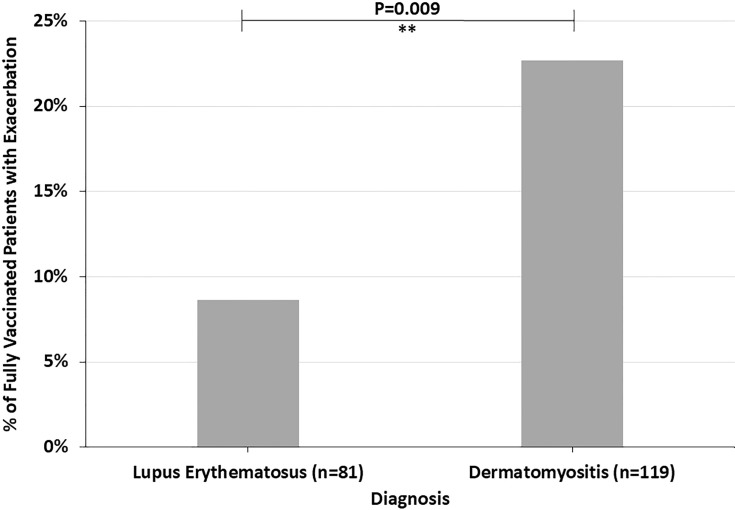
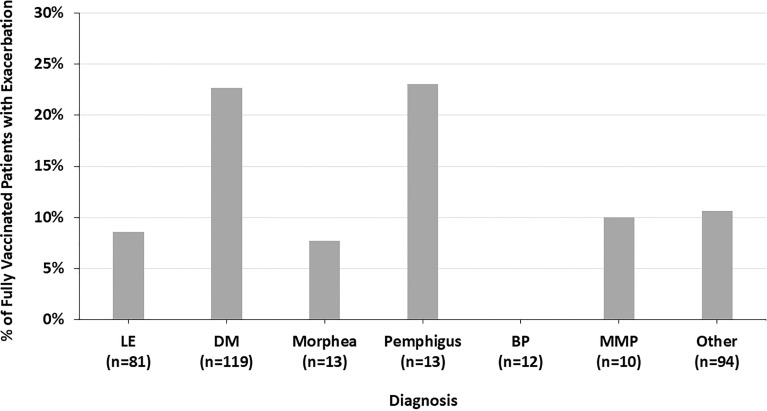
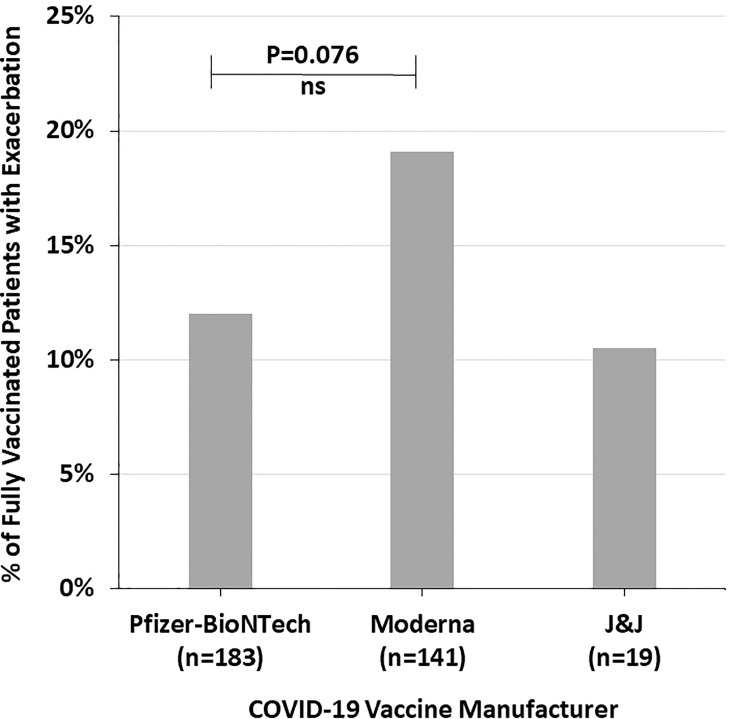
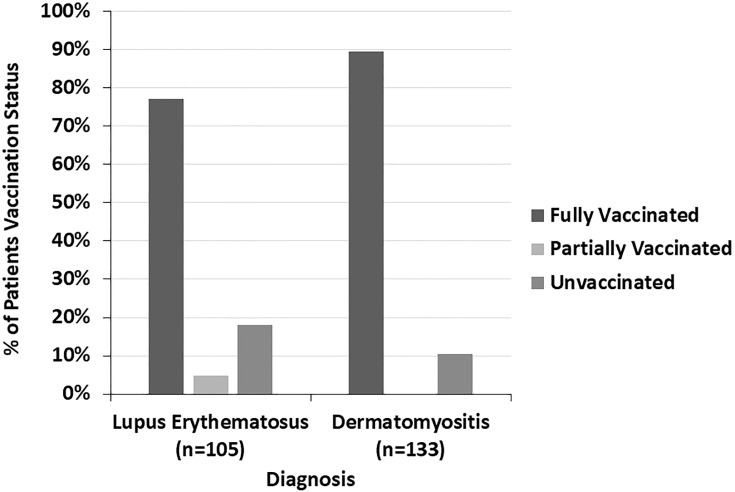
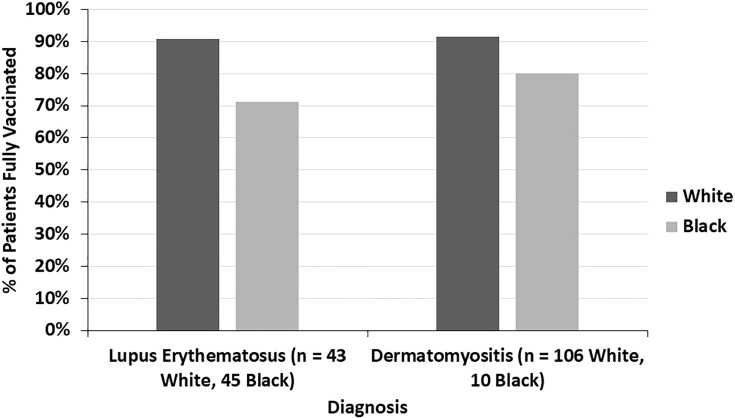
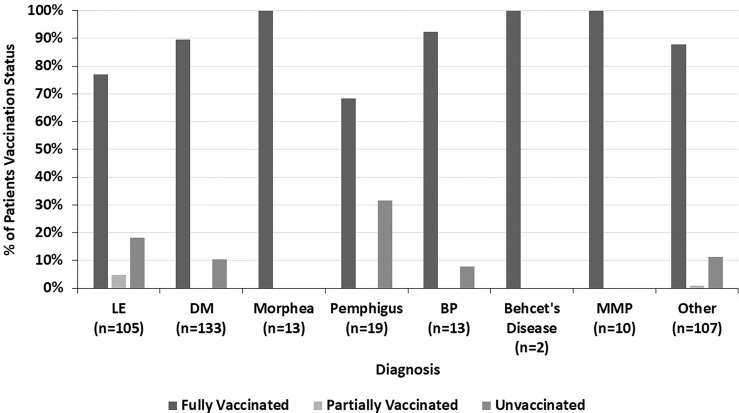
Results: 402 subjects were included for analysis. 85.6% of patients were fully vaccinated, with 12.9% unvaccinated and 1.5% partially vaccinated. 14.8% of fully vaccinated patients reported worsening autoimmune signs and symptoms after the vaccine. Fully vaccinated dermatomyositis patients were more likely to report worsening autoimmune signs and symptoms after the vaccine (22.7%) than fully vaccinated lupus erythematosus patients (8.6%) (p=0.009). Patients fully vaccinated with the Moderna vaccine trended towards an increased likelihood of reporting worsening autoimmune signs and symptoms after the vaccine (19.1%) than those with the Pfizer-BioNTech vaccine (12.0%) (p=0.076). Of the patients who had autoimmune symptoms after vaccination, 20% had symptoms after the 1st dose, 82% after the 2nd dose, and 4% after the 3rd dose with median onset (95% confidence interval) of 7 (2,14), 14 (14,21), and 18 (7,28) days later, respectively.
Conclusions: More fully vaccinated dermatomyositis patients had exacerbation of autoimmune signs and symptoms after the vaccine than fully vaccinated lupus erythematosus patients. However, given the risks of COVID-19, clinicians should still promote vaccination in most patients with autoimmune skin disease.
Keywords: COVID-19; autoimmune; connective tissue disease; skin; vaccination.
Copyright © 2022 Sprow, Afarideh, Dan, Feng, Keyes, Grinnell, Concha and Werth.
Conflict of interest statement
The authors declare that the research was conducted in the absence of any commercial or financial relationships that could be construed as a potential conflict of interest.
Figures
References
-
- Tsai R, Hervey J, Hoffman K, Wood J, Johnson J, Deighton D, et al. COVID-19 Vaccine Hesitancy and Acceptance Among Individuals With Cancer, Autoimmune Diseases, or Other Serious Comorbid Conditions: Cross-Sectional, Internet-Based Survey. JMIR Public Health Surveill (2022) 8:e29872. doi: 10.2196/29872 - DOI - PMC - PubMed
Publication types
MeSH terms
Substances
Grants and funding
LinkOut - more resources
Full Text Sources
Medical
