Review
. 2022 Apr 18;13(19):5465-5504.
doi: 10.1039/d2sc00202g. eCollection 2022 May 18.

Photocatalytic C(sp3) radical generation via C-H, C-C, and C-X bond cleavage

Affiliations
Review

Photocatalytic C(sp3) radical generation via C-H, C-C, and C-X bond cleavage

Chia-Yu Huang et al. Chem Sci. .

Abstract

C(sp3) radicals (R˙) are of broad research interest and synthetic utility. This review collects some of the most recent advancements in photocatalytic R˙ generation and highlights representative examples in this field. Based on the key bond cleavages that generate R˙, these contributions are divided into C-H, C-C, and C-X bond cleavages. A general mechanistic scenario and key R˙-forming steps are presented and discussed in each section.


Conflict of interest statement

There are no conflicts to declare.

Figures
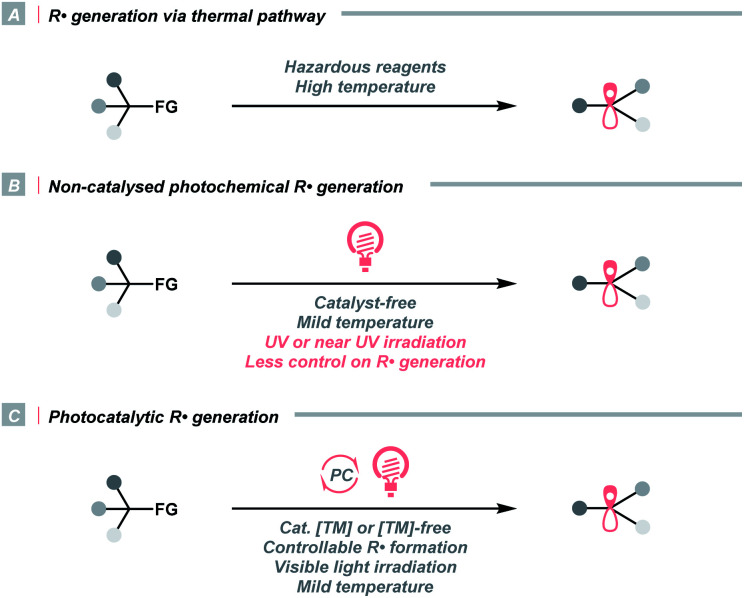
Scheme 1
Scheme 1. General approaches toward R˙ formation.
Scheme 2
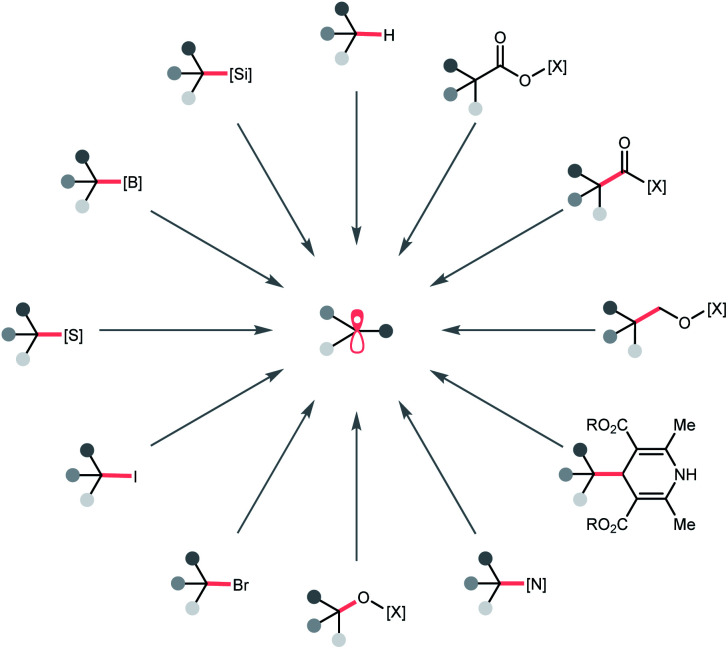
Scheme 2. Representative precursors for photocatalytic R˙ formation. [X], activating group.
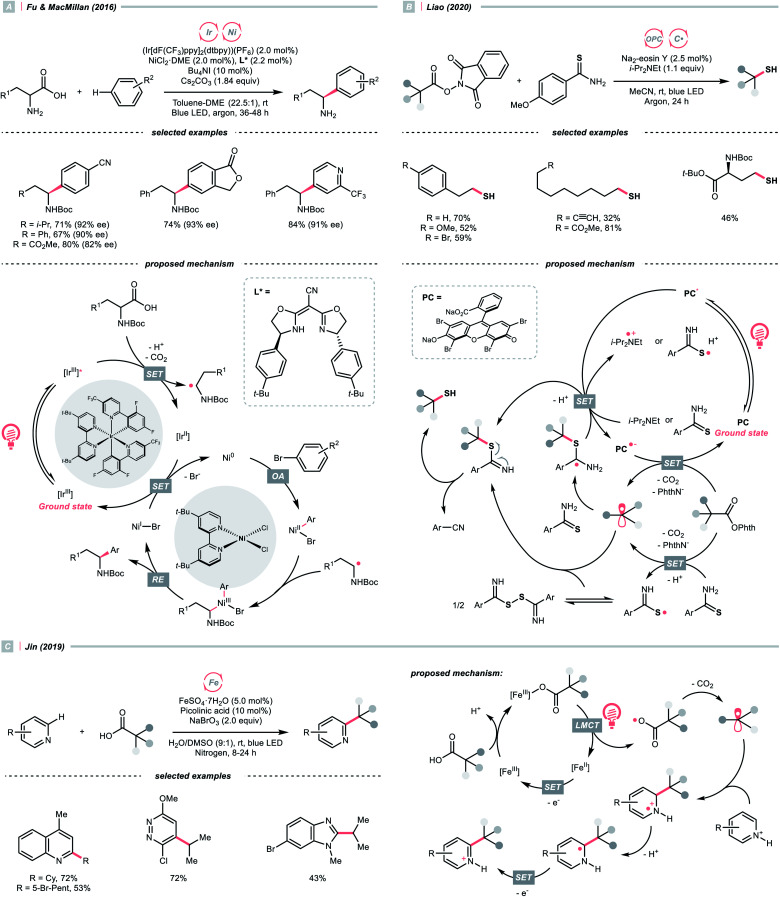
Scheme 3
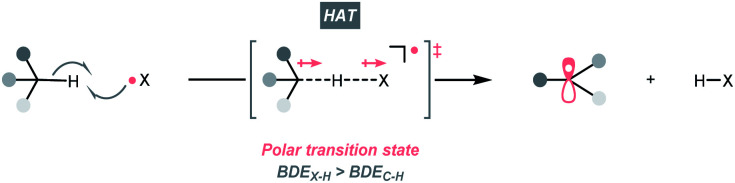
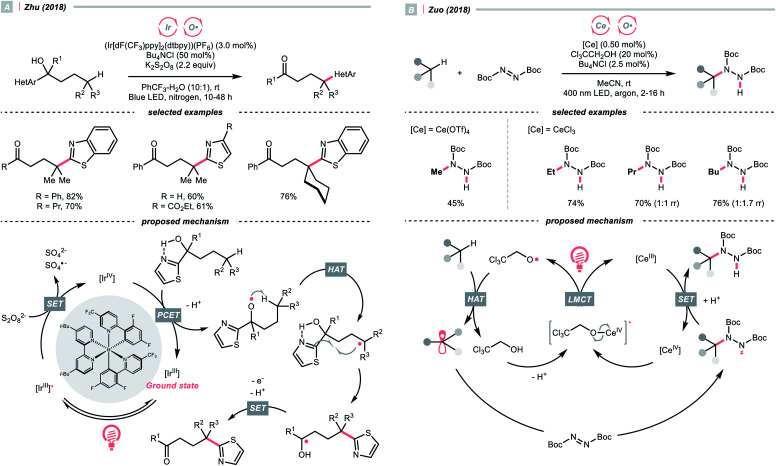
Scheme 3. HAT-enabled R˙ generation.
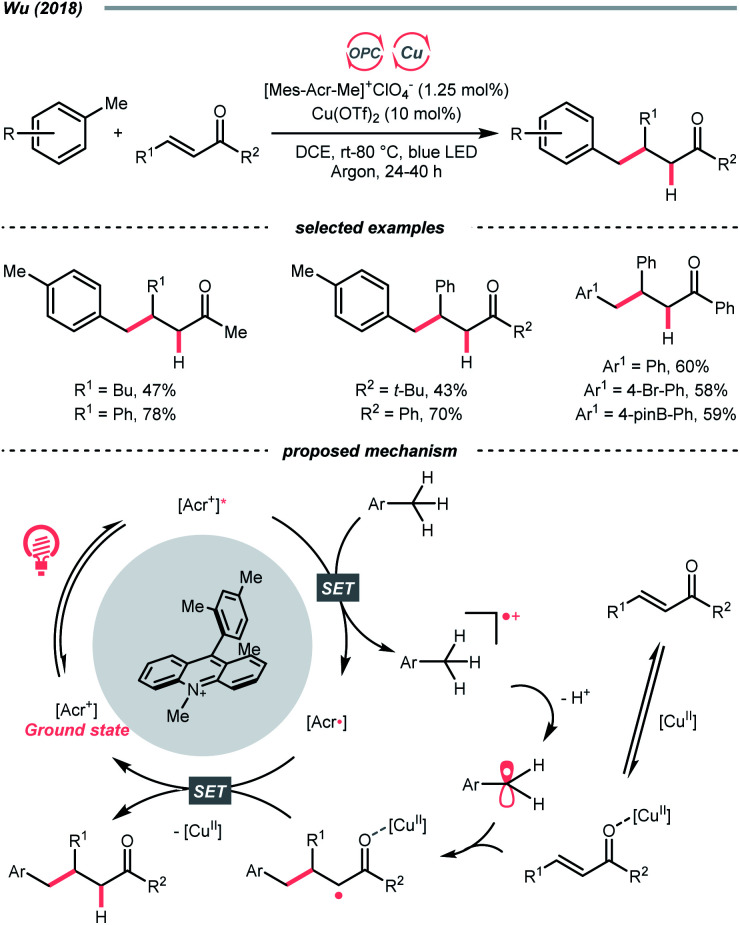
Scheme 4
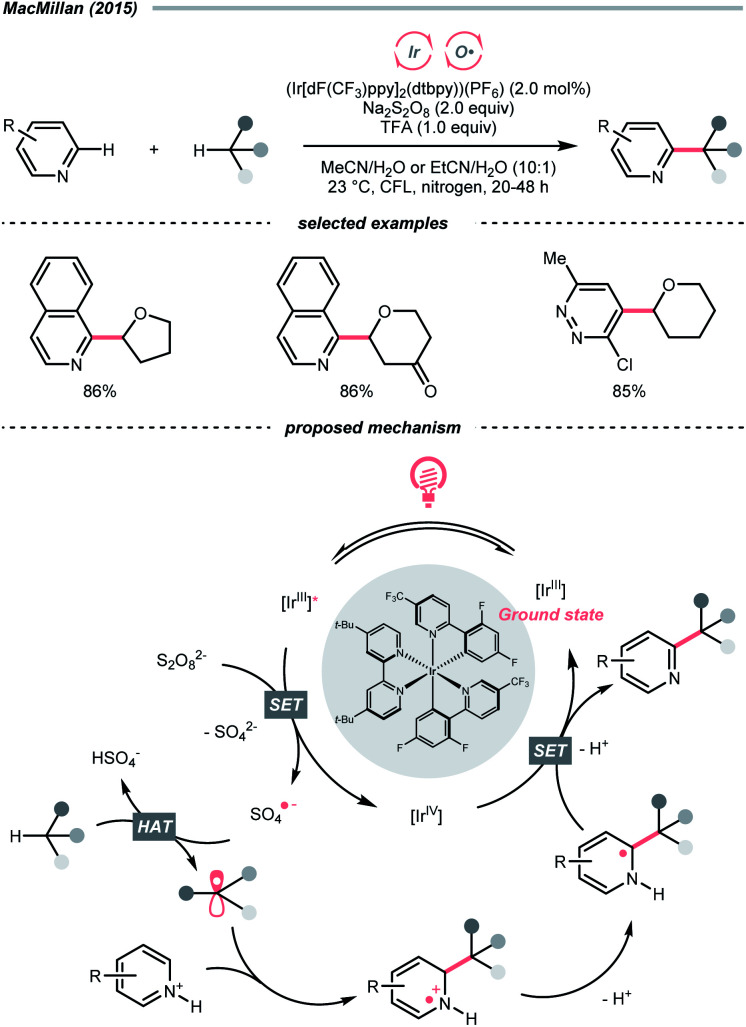
Scheme 4. HAT with persulfate.
Scheme 5
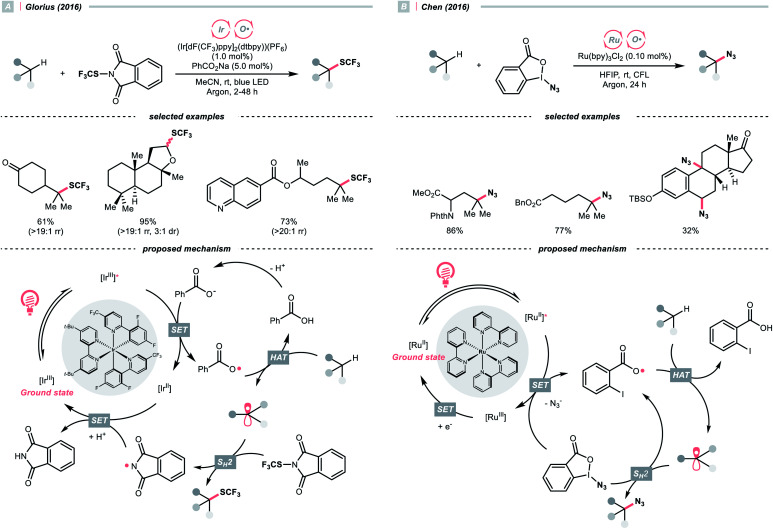
Scheme 5. Benzoic acid derivatives as HAT agents.
Scheme 6
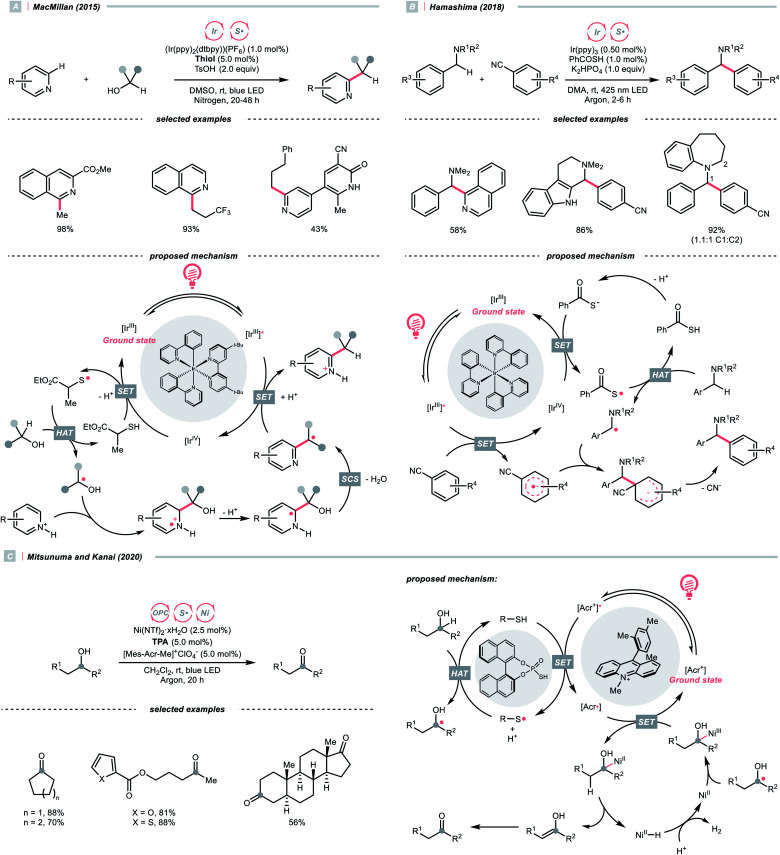
Scheme 6. Employing alcohols as HAT agents.
Scheme 7
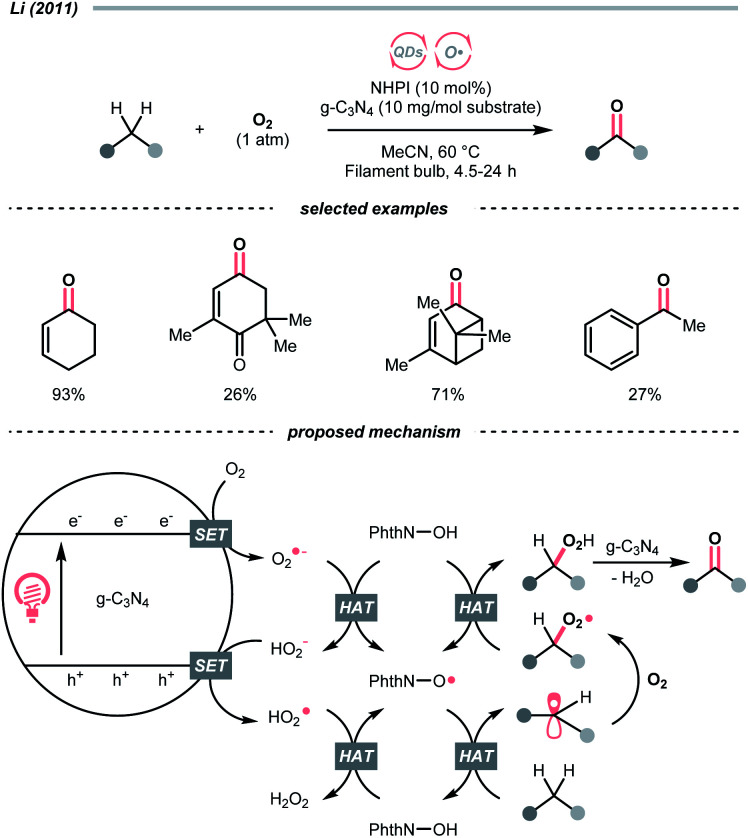
Scheme 7. NHPI as HAT agent for C(sp3)–H oxygenation.
Scheme 8
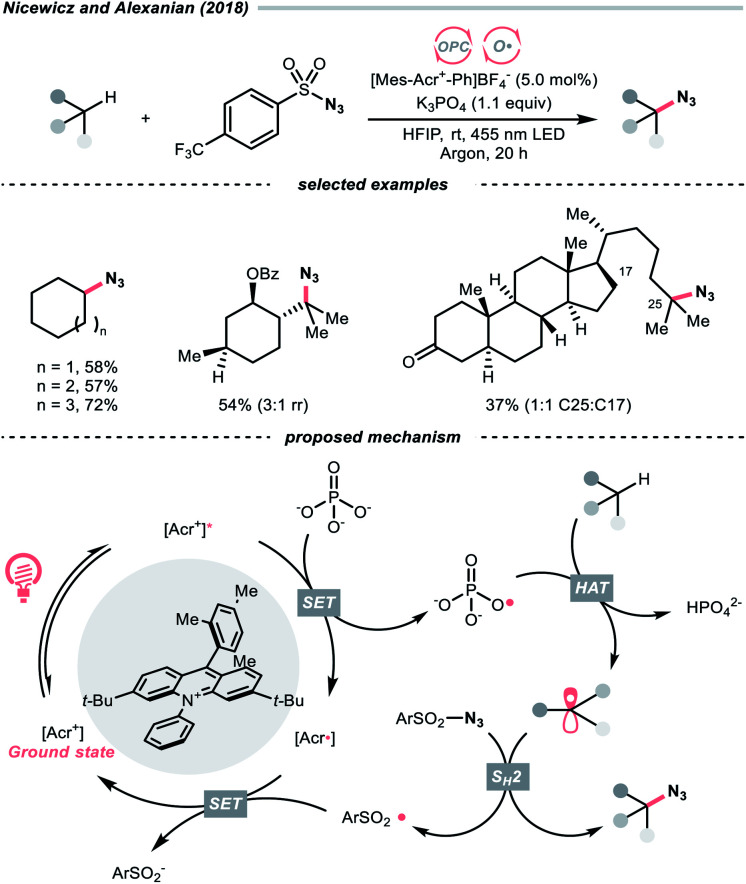
Scheme 8. Phosphate as HAT agent.
Scheme 9
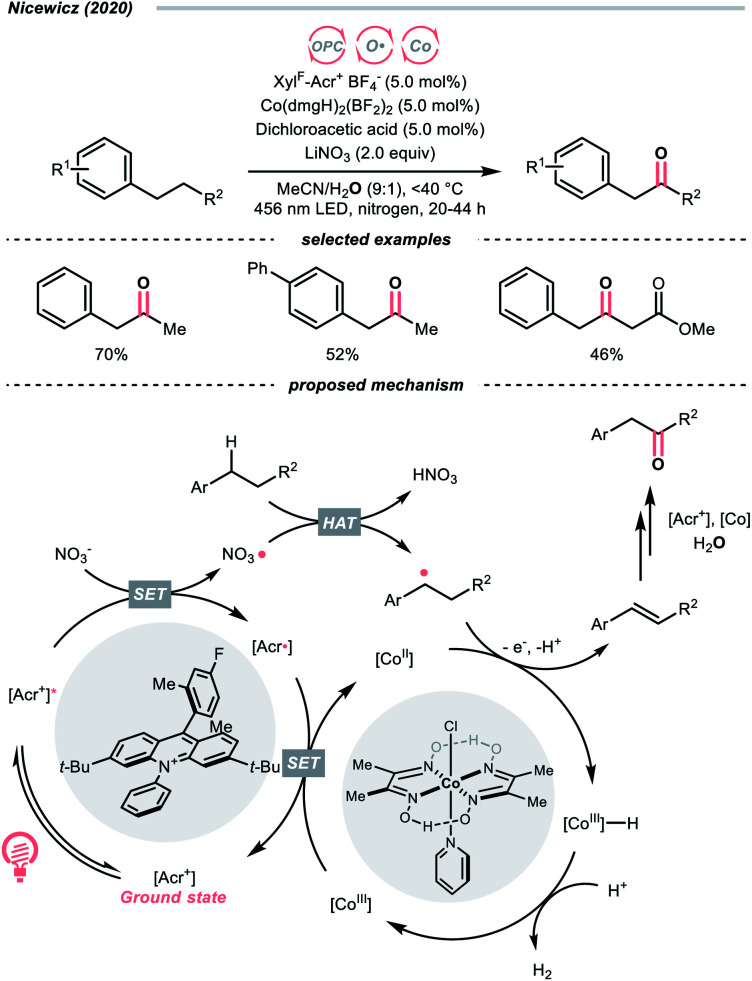
Scheme 9. Employing nitrate as HAT agents.
Scheme 10
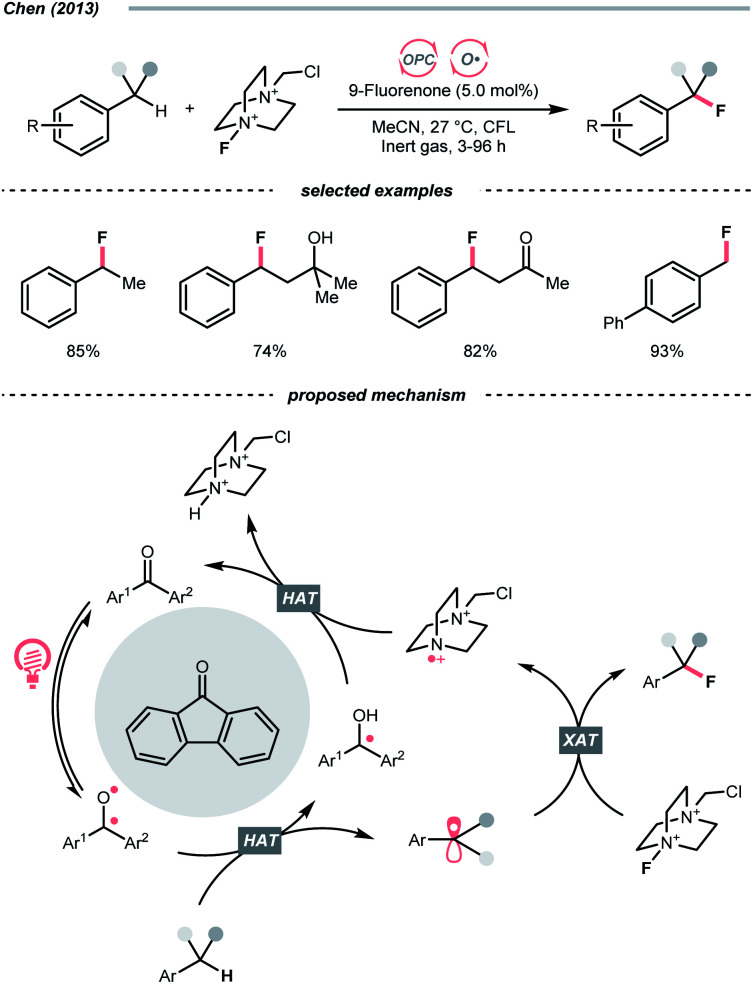
Scheme 10. Ketone-catalysed C(sp3)–H fluorination.
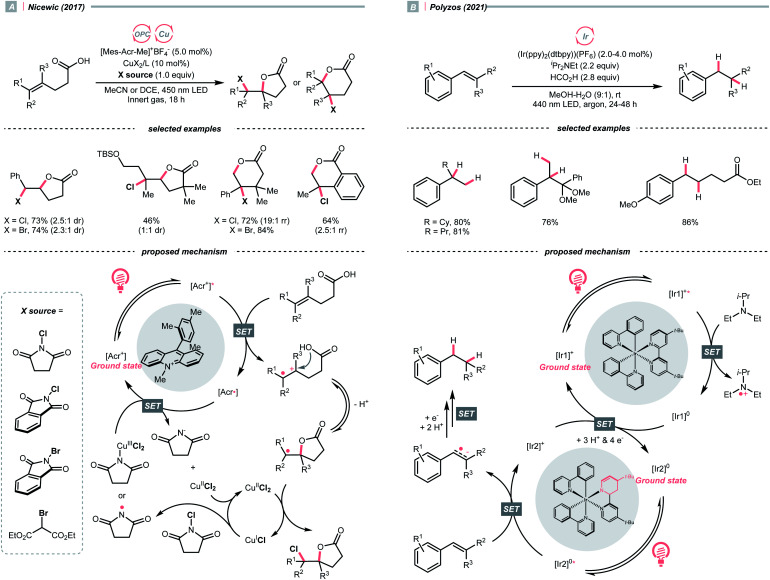
Scheme 11
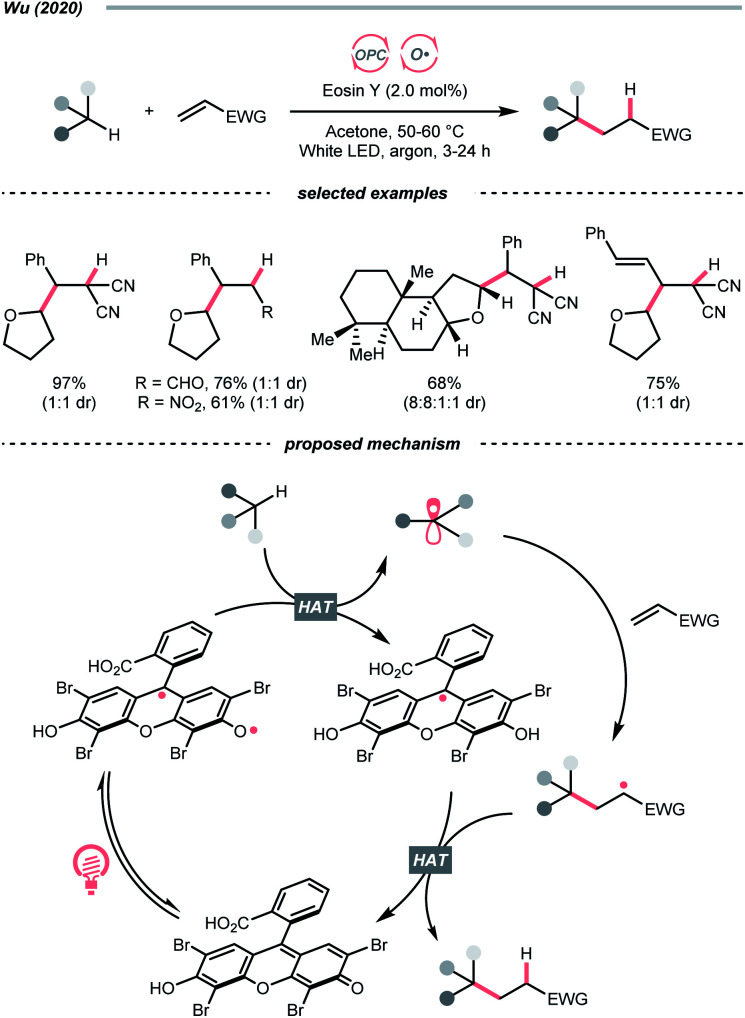
Scheme 11. Eosin Y-catalysed C(sp3) radical generation.
Scheme 12
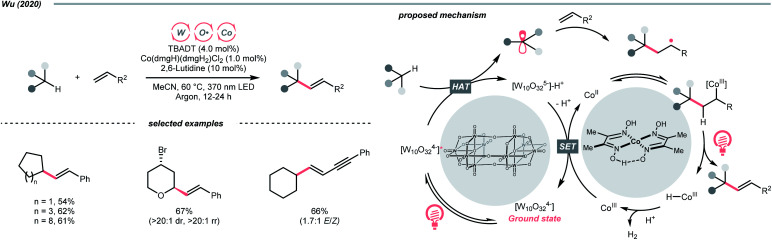
Scheme 12. TBADT-catalysed C–H alkenylation of alkanes.
Scheme 13
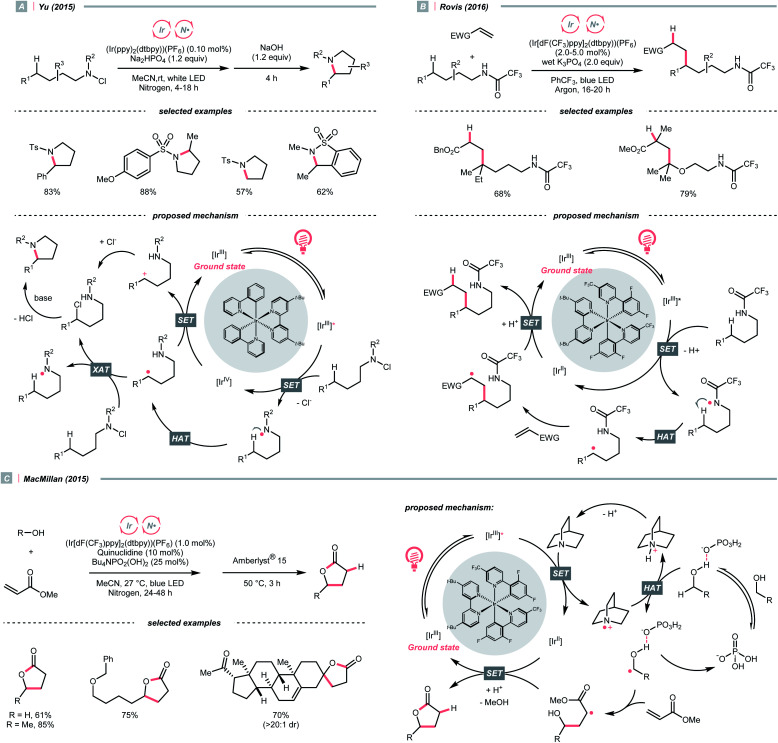
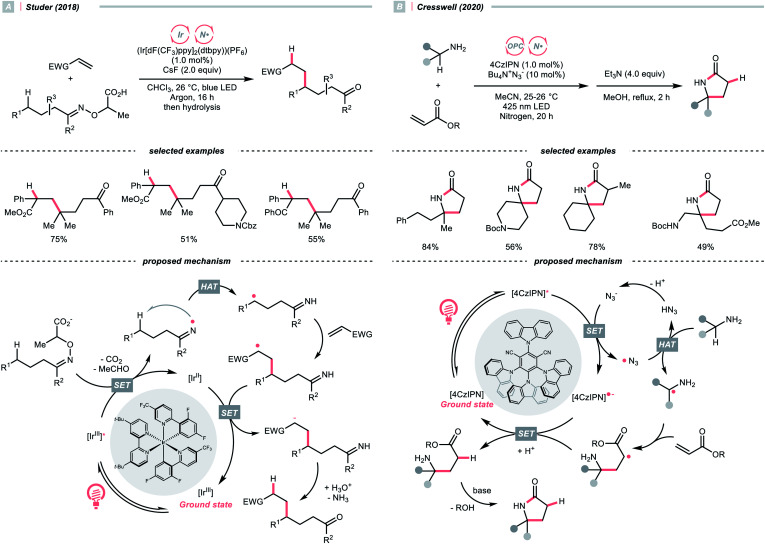
Scheme 13. NCR-assisted remote C–H functionalisations.
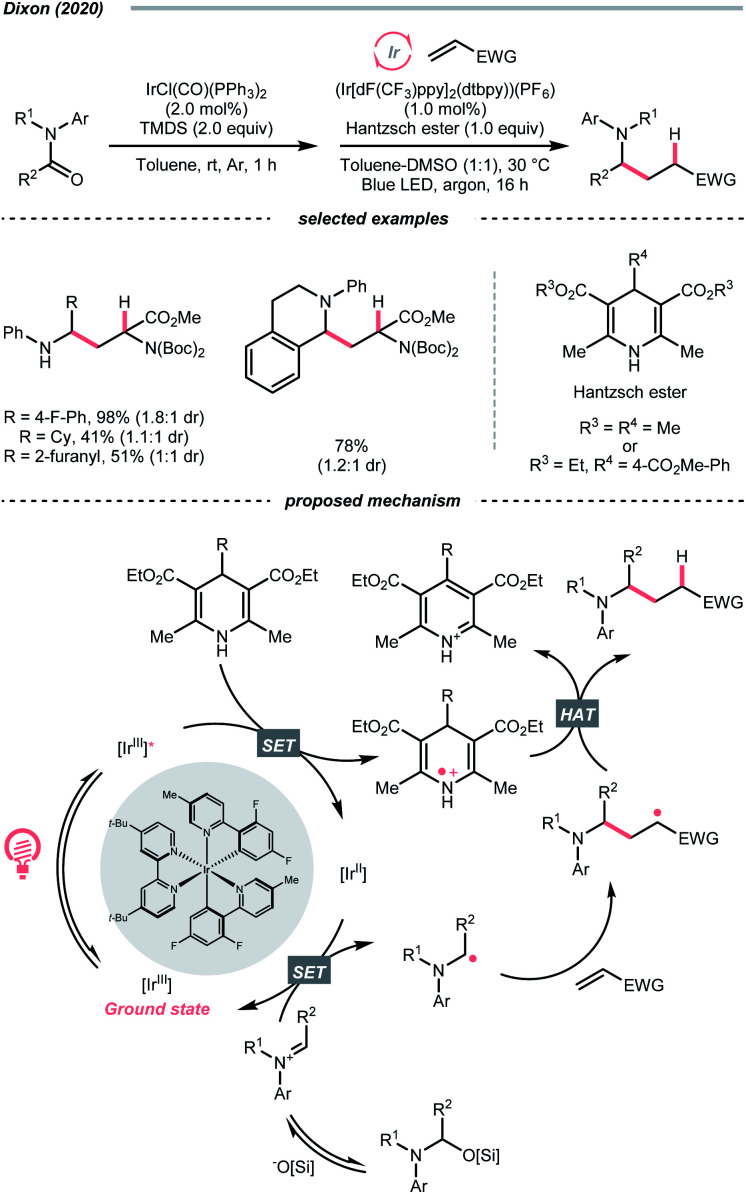
Scheme 14
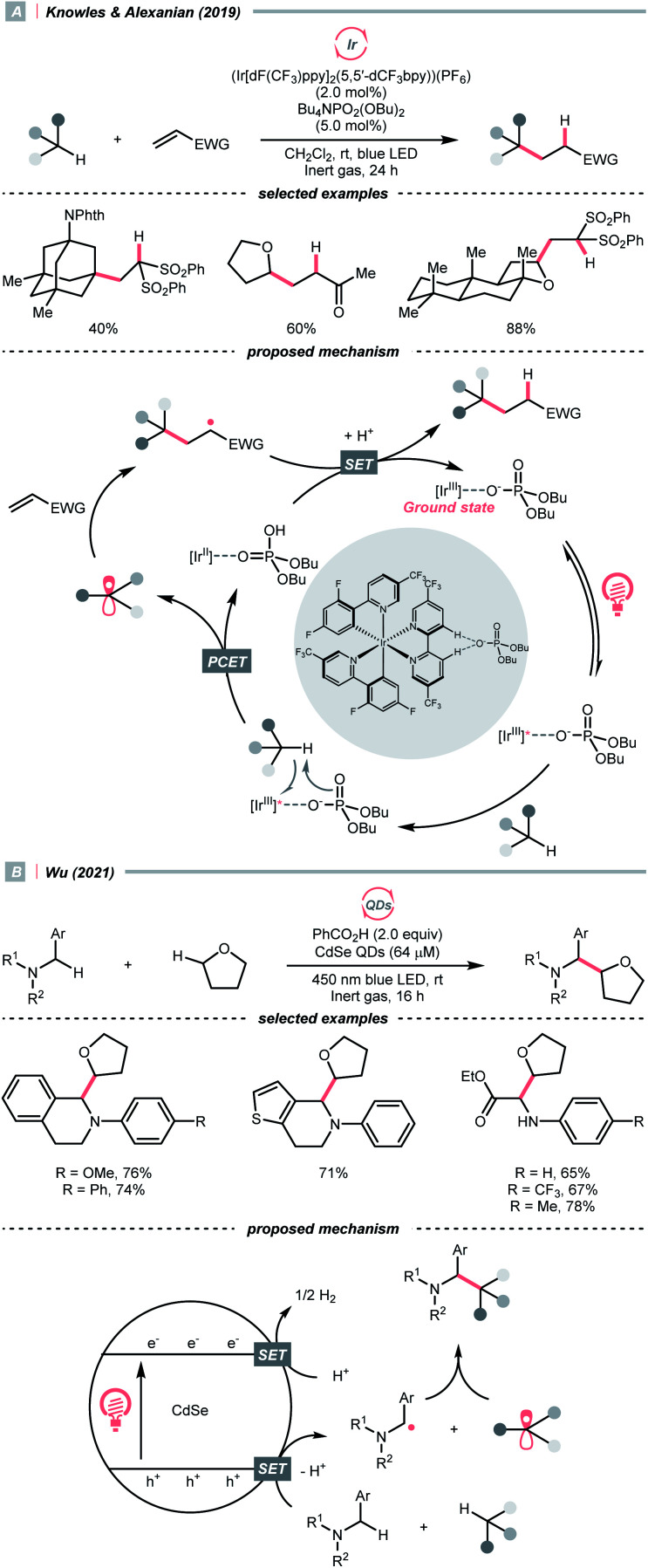
Scheme 14. Amine- and azide-catalysed α-C(sp3)–H functionalisations.
Scheme 15
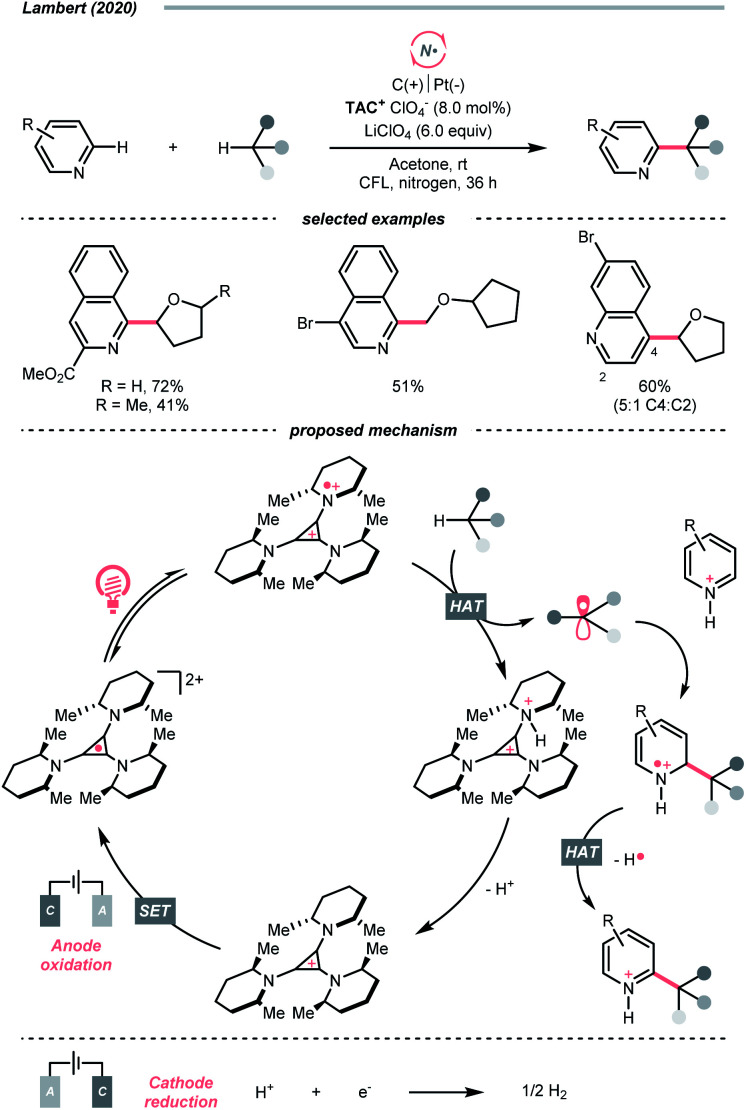
Scheme 15. TAC-catalysed HAT under photoelectrochemistry conditions.
Scheme 16
Scheme 16. Thiyl radical-enabled C(sp3)–H elaborations.
Scheme 17
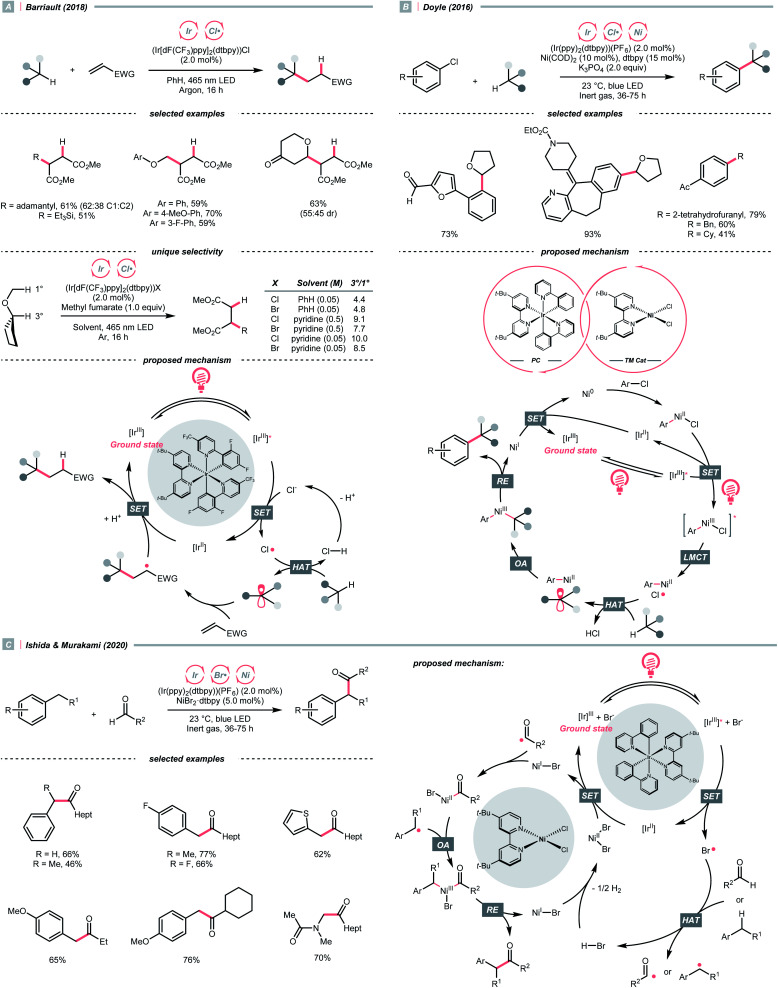
Scheme 17. Halogen radical-enabled C(sp3)–H activations.
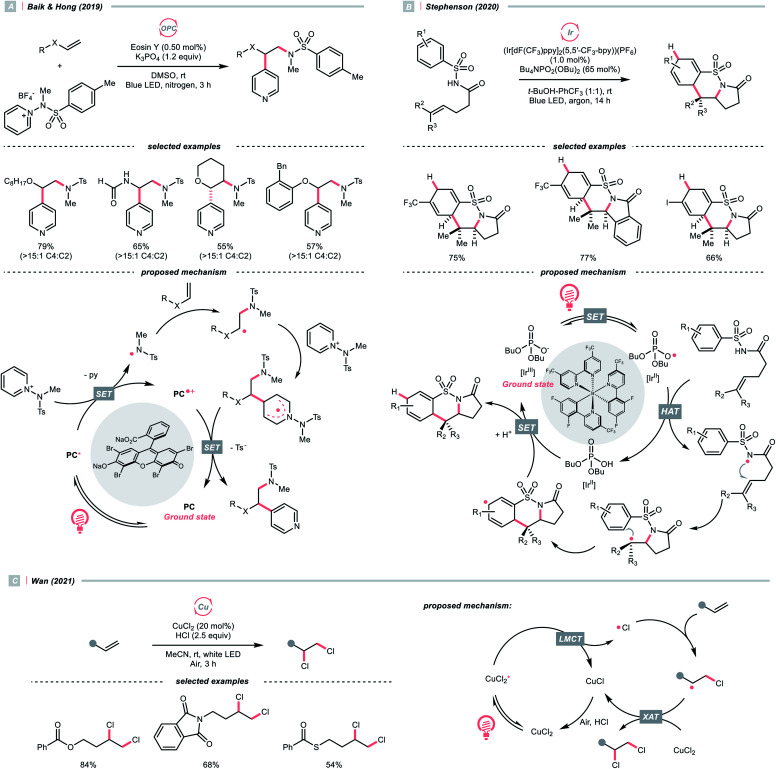
Scheme 18
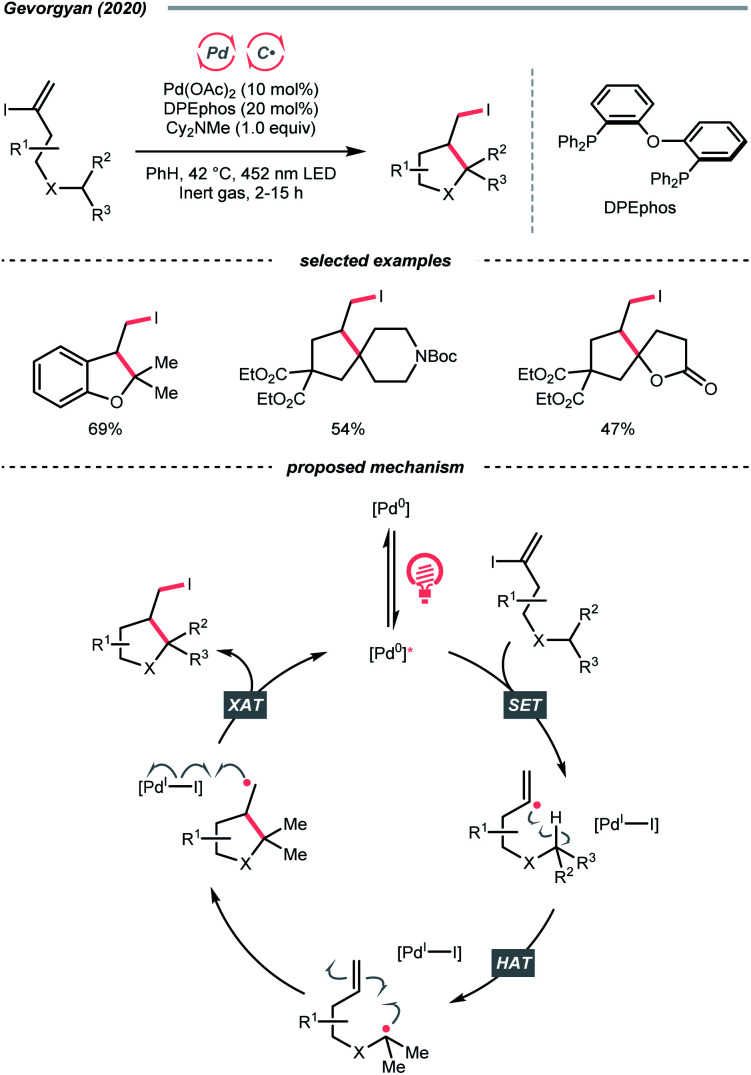
Scheme 18. Vinyl radical as HAT agent.
Scheme 19
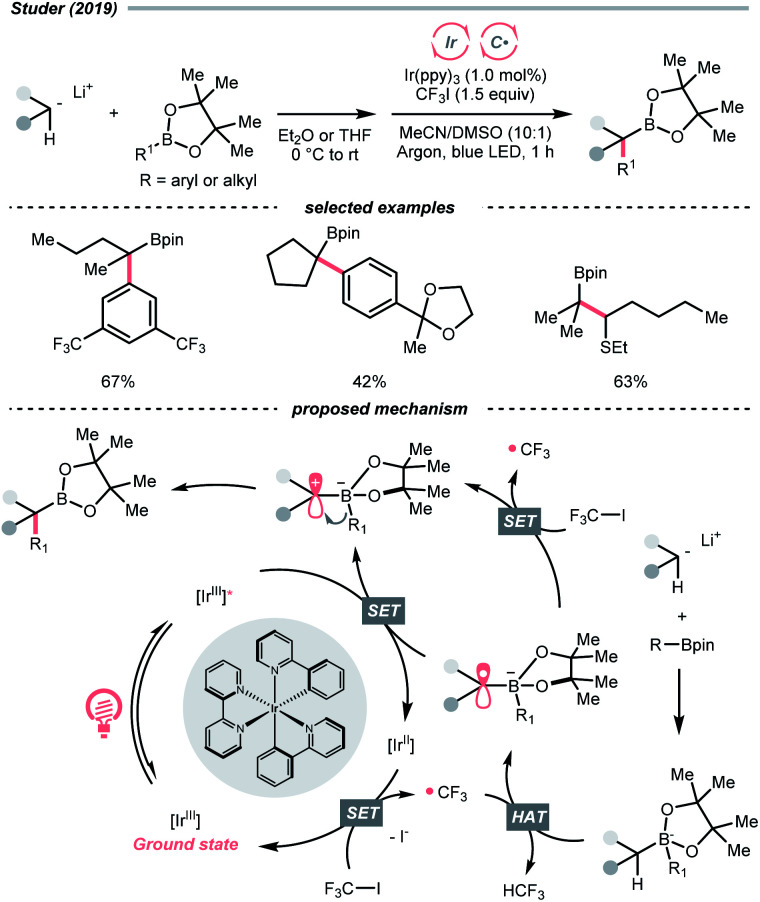
Scheme 19. Trifluoromethyl radical-mediated C(sp3)–H arylation.
Scheme 20
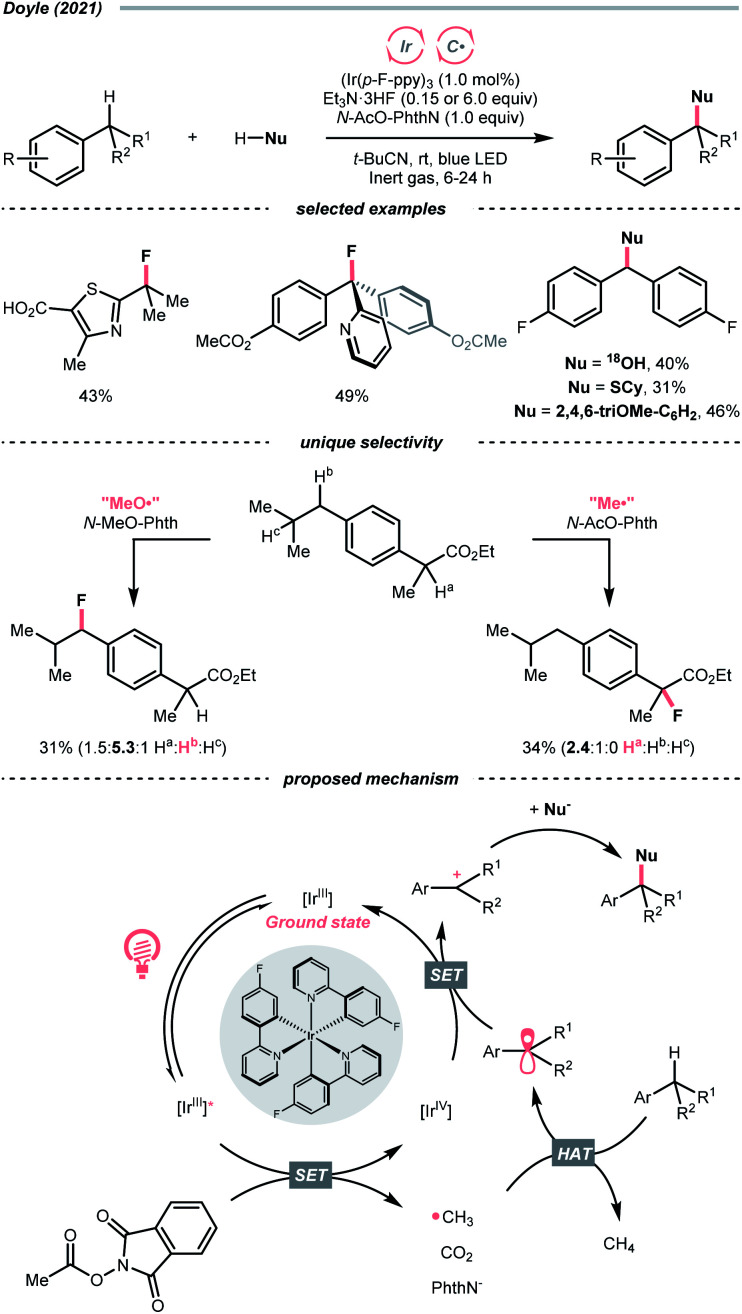
Scheme 20. Methyl radical-mediated C(sp3)–H functionalisation.
Scheme 21
Scheme 21. Forming R˙ through C(sp3)–H oxidations.
Scheme 22
Scheme 22. Photocatalytic benzylic C(sp3)–H oxidation.
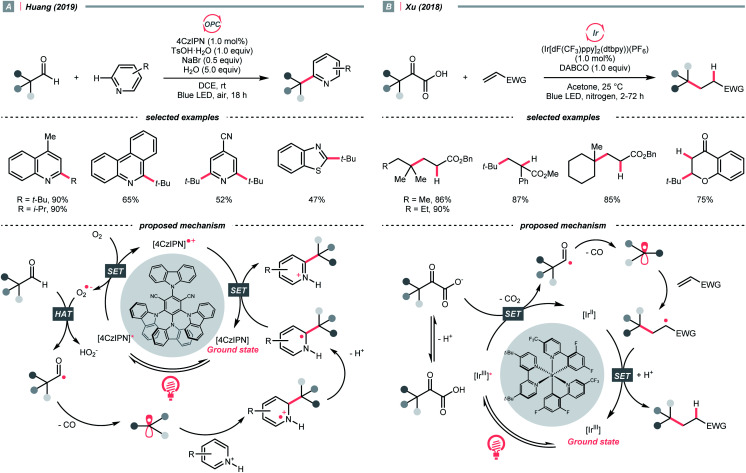
Scheme 23
Scheme 23. R˙ formation via carboxyl radical intermediates.
Scheme 24
Scheme 24. R˙ formation from acyl radical intermediates.
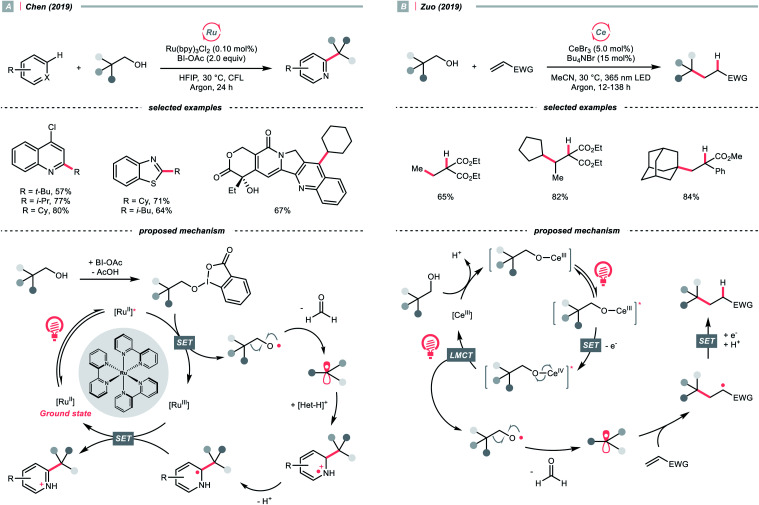
Scheme 25
Scheme 25. R˙ generation from alcohol and its derivatives.
Scheme 26
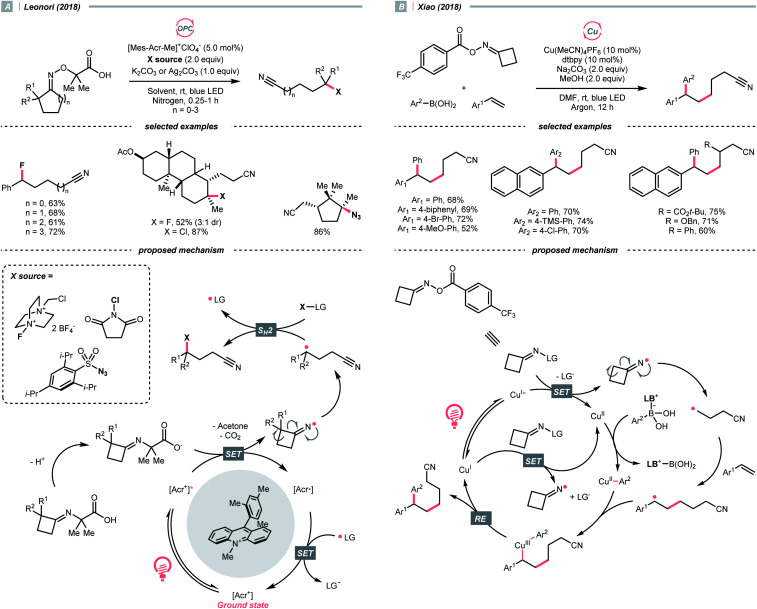
Scheme 26. R˙ formation via iminyl radical-induced ring-openings.
Scheme 27
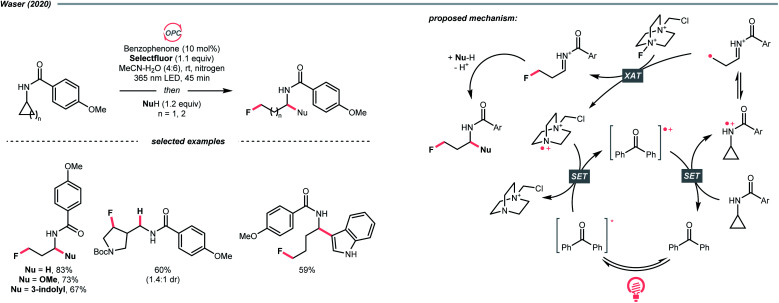
Scheme 27. Generating R˙ from oxidative ring-opening of amide.
Scheme 28
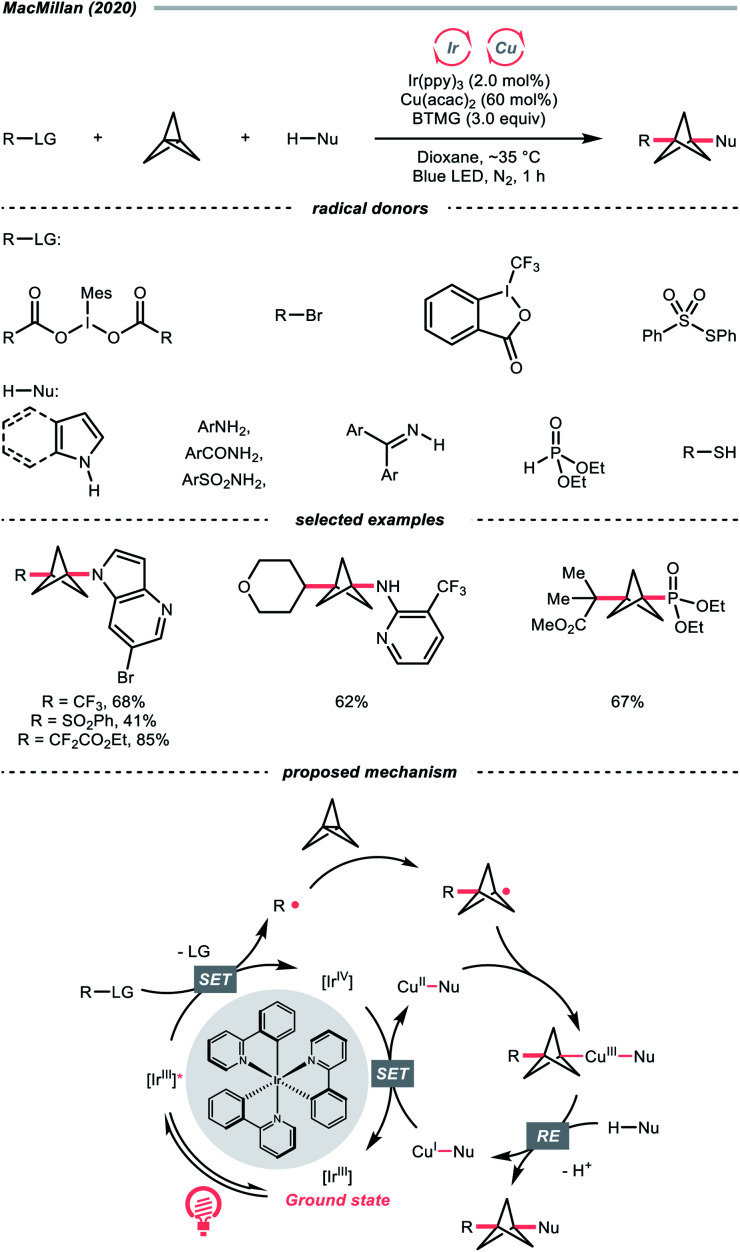
Scheme 28. Radical addition to [1.1.1]propellane.
Scheme 29
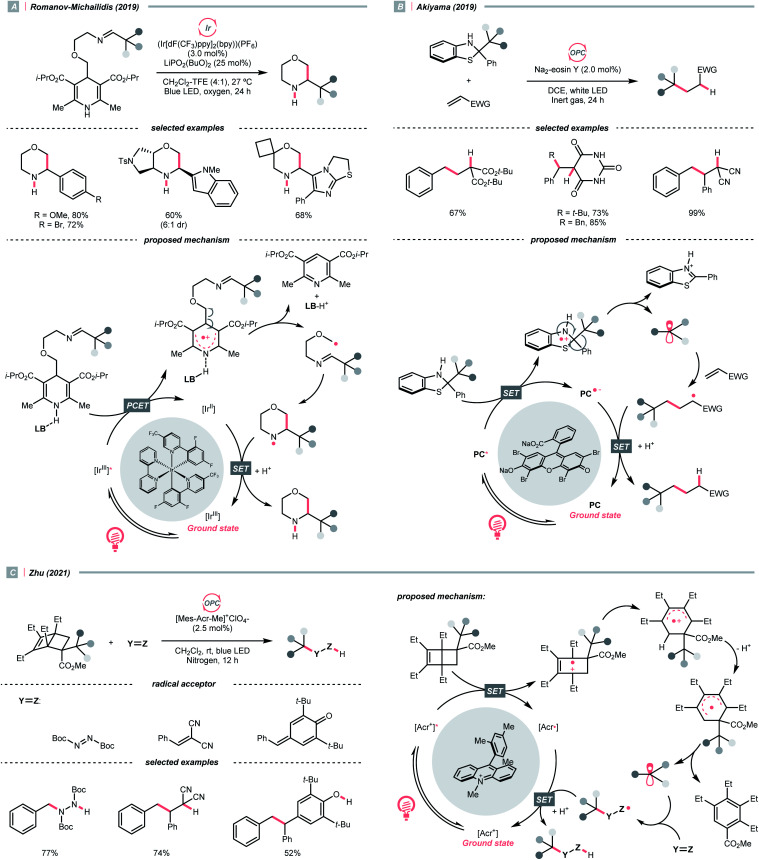
Scheme 29. Aromatisation-induced R˙ extrusions.
Scheme 30
Scheme 30. Photocatalysed R˙ formation via radical addition to CC bonds.
Scheme 31
Scheme 31. Photocatalysed SET-induced CC cleavages.
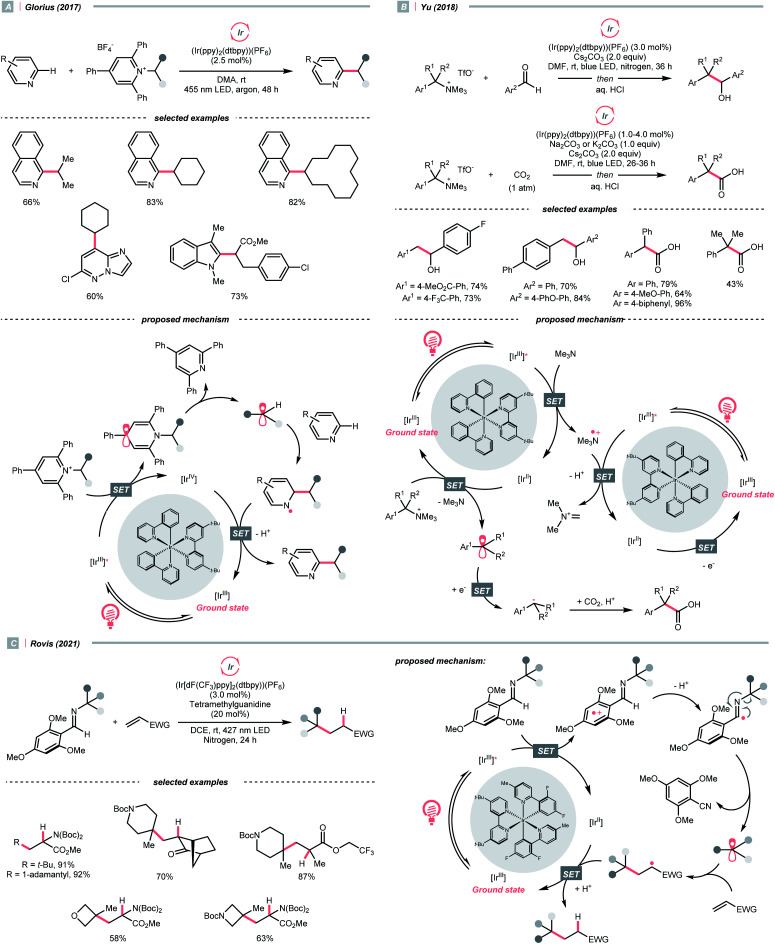
Scheme 32
Scheme 32. R˙ generation via C–N cleavage of quaternary nitrogen salt.
Scheme 33
Scheme 33. Reductive CN π-bond cleavage of iminium salt.
Scheme 34
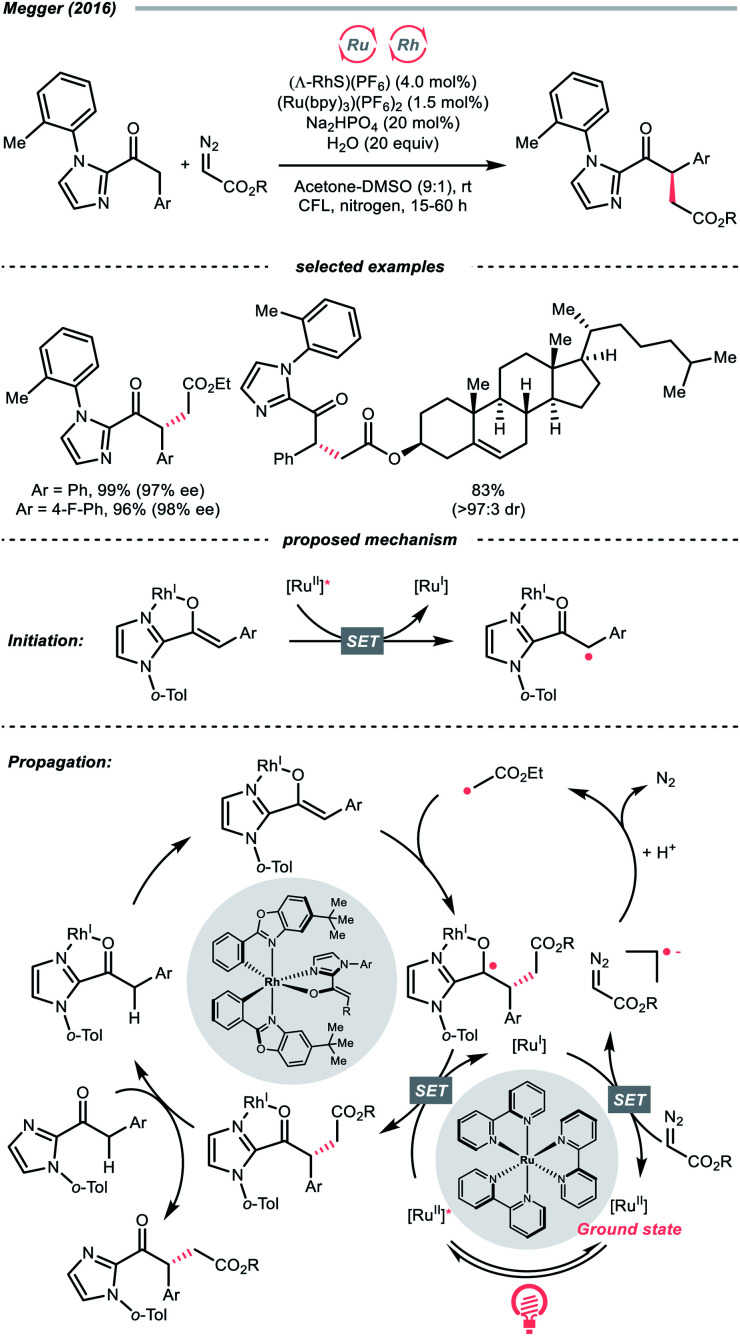
Scheme 34. Generating R˙ from aliphatic diazo compounds.
Scheme 35
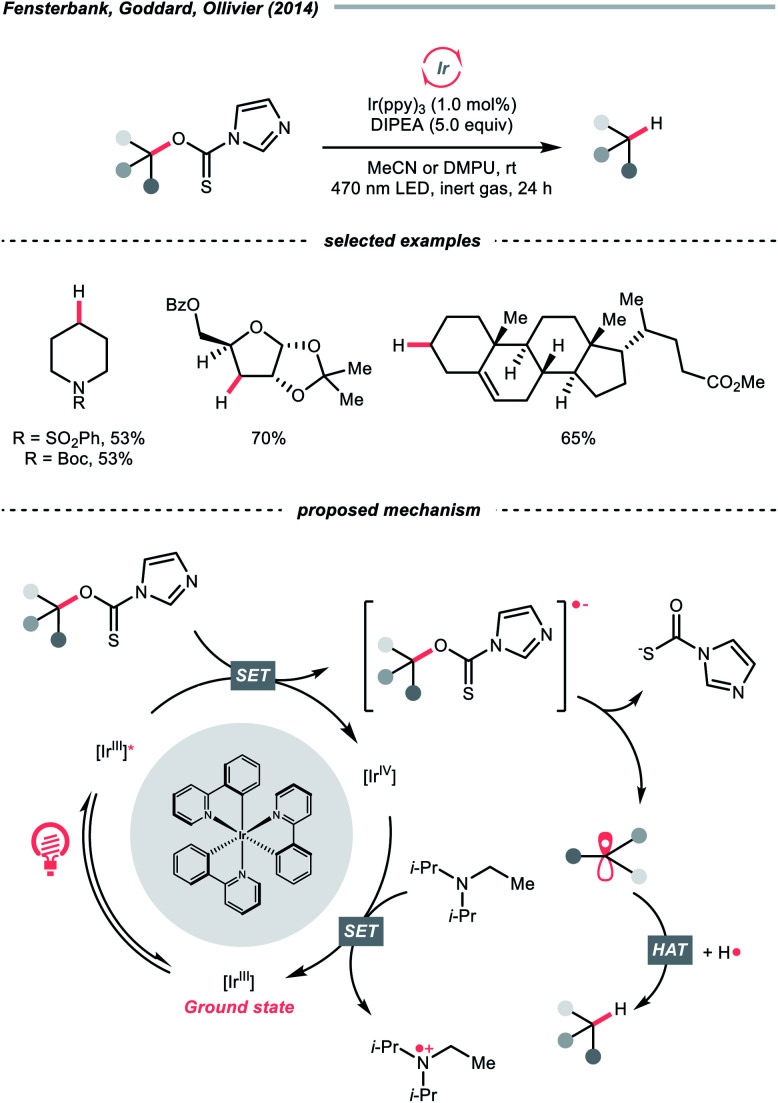
Scheme 35. Photocatalytic deoxygenation of O-thiocarbamates.
Scheme 36
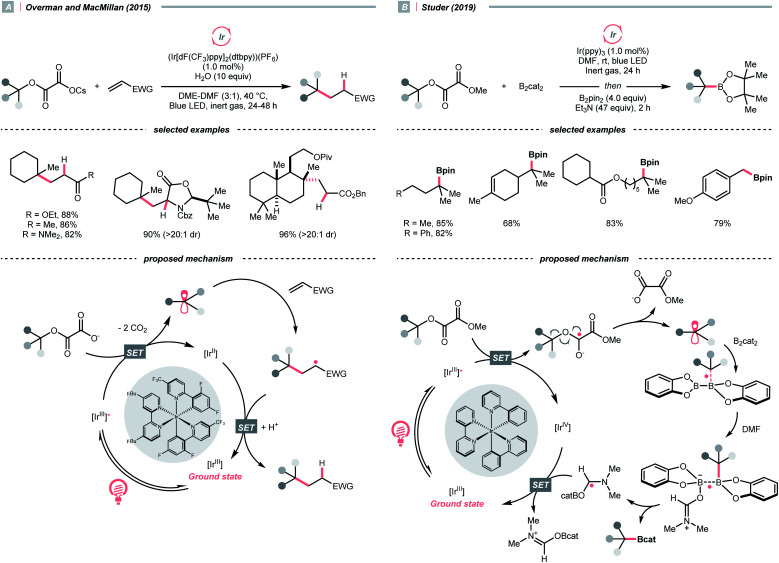
Scheme 36. R˙ generation via C–O cleavage of oxalates.
Scheme 37
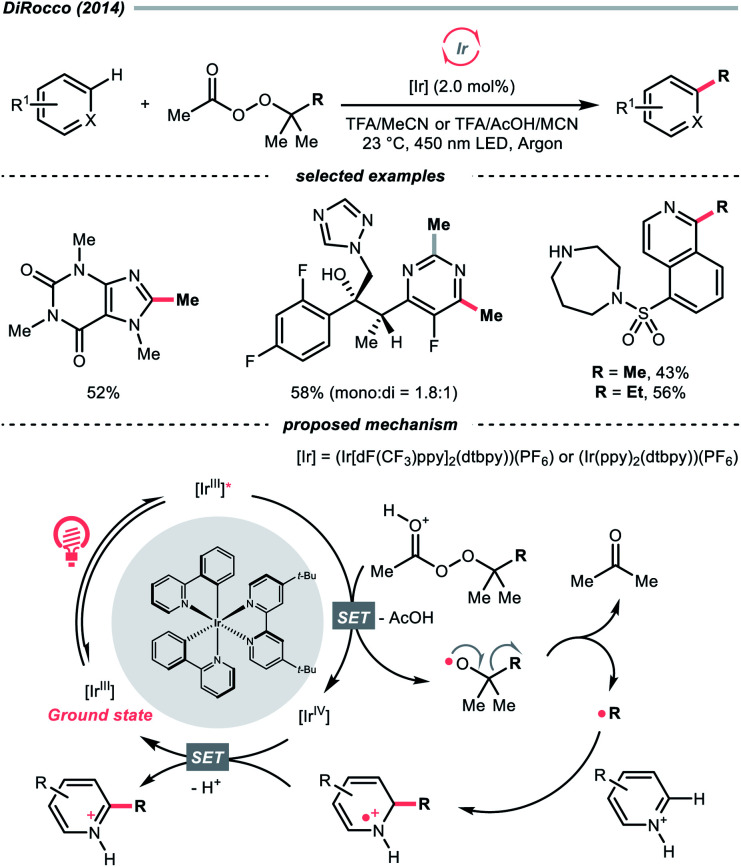
Scheme 37. R˙ generation from peroxides.
Scheme 38
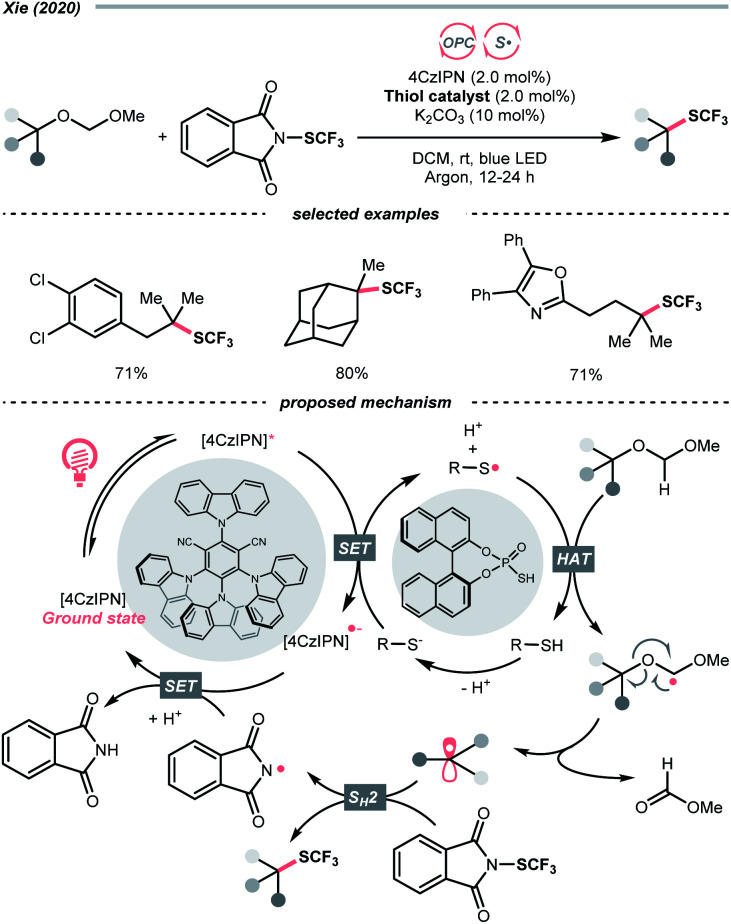
Scheme 38. Using masked alcohol for R˙ generation.
Scheme 39
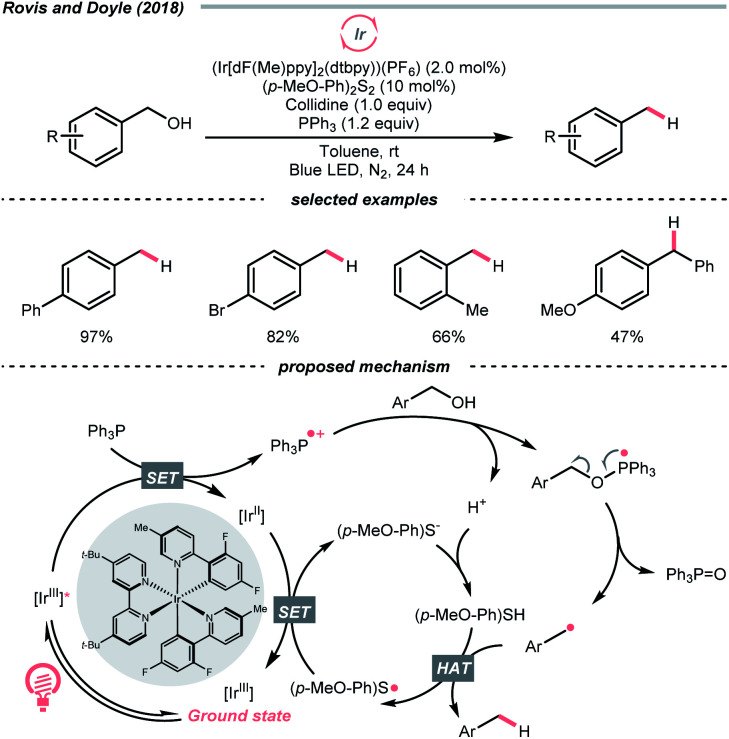
Scheme 39. Direct hydrodeoxygenation of alcohols via R˙.
Scheme 40
Scheme 40. R˙ generation via carbonyl group reductions.
Scheme 41
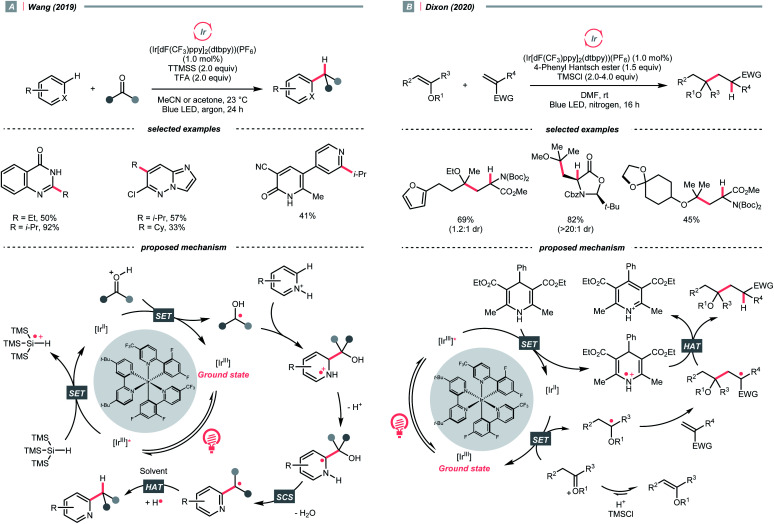
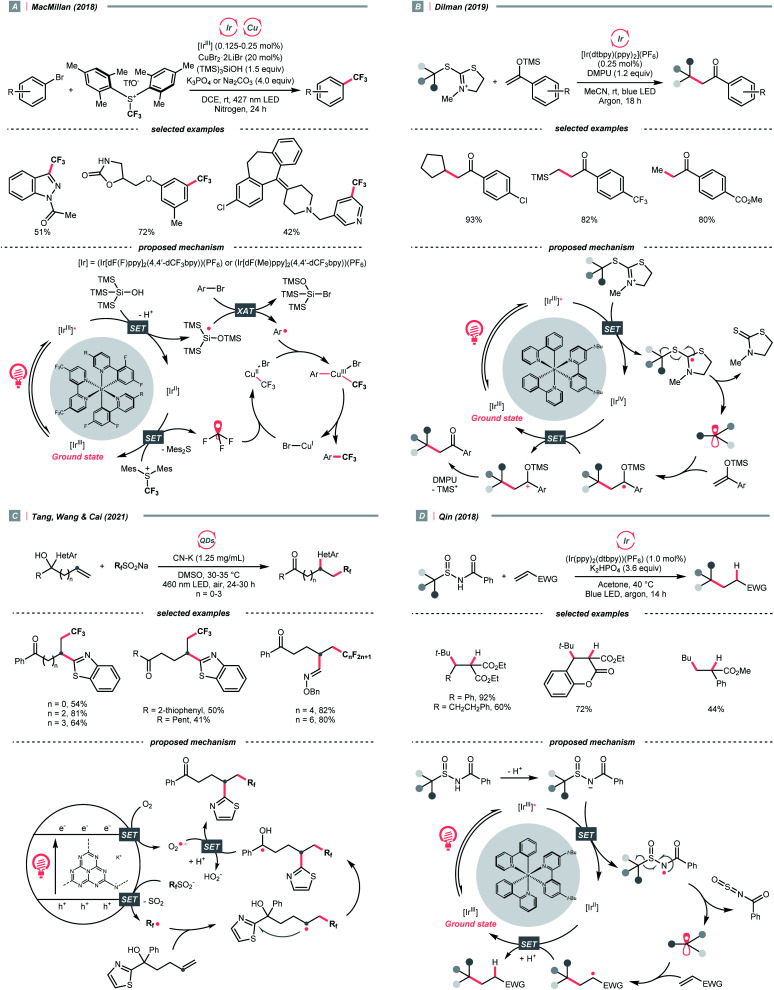
Scheme 41. R˙ from sulfoniums, thiazoliniums, sulfinates and sulfinamides.
Scheme 42
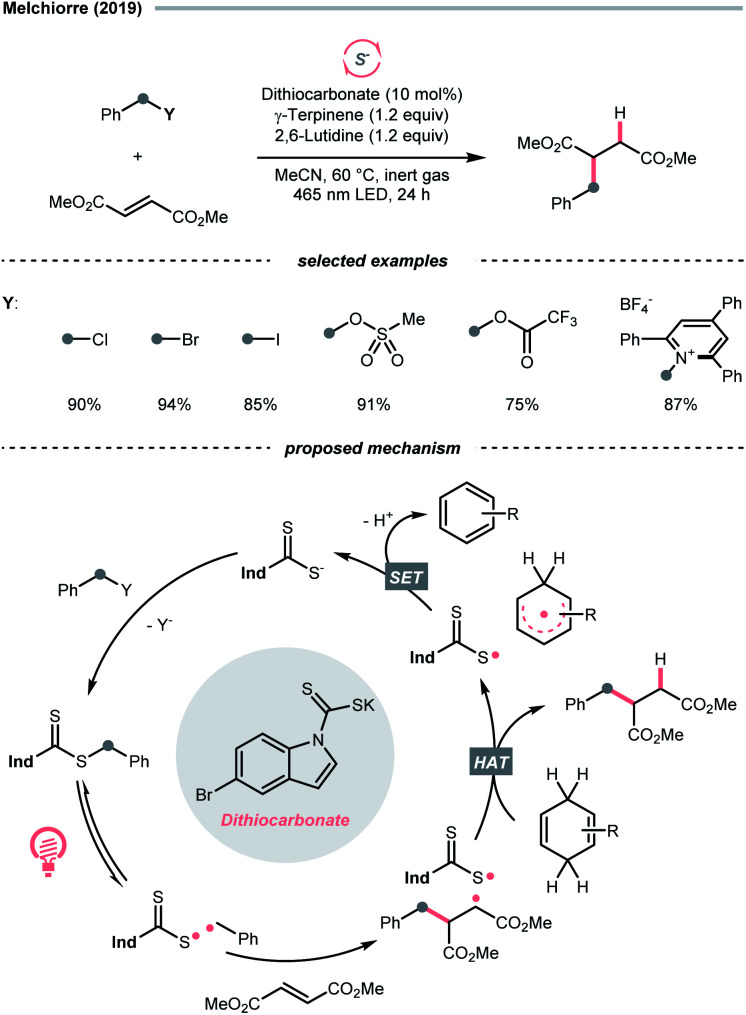
Scheme 42. Photocatalytic R˙ generation via R–S homolysis.
Scheme 43
Scheme 43. Employing alkyl bromides as R˙ precursors.
Scheme 44
Scheme 44. R˙ formation from alkyl iodide.
Scheme 45
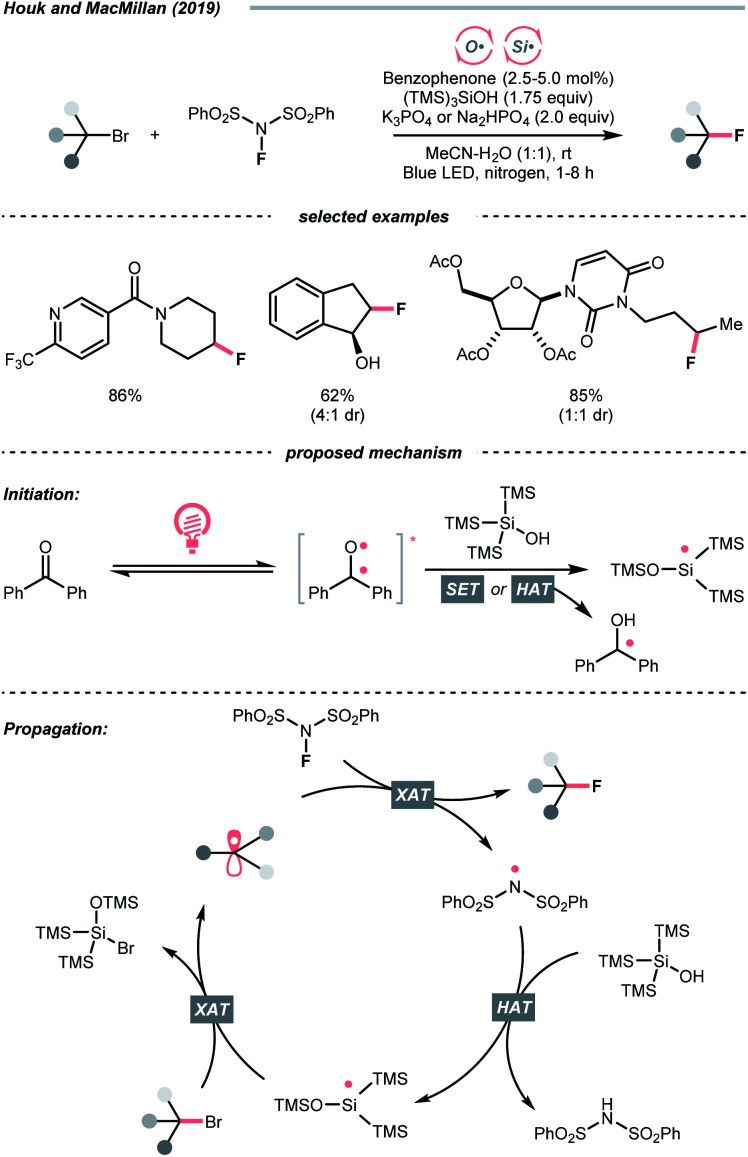
Scheme 45. Silyl radical-mediated XAT for R˙ generation.
Scheme 46
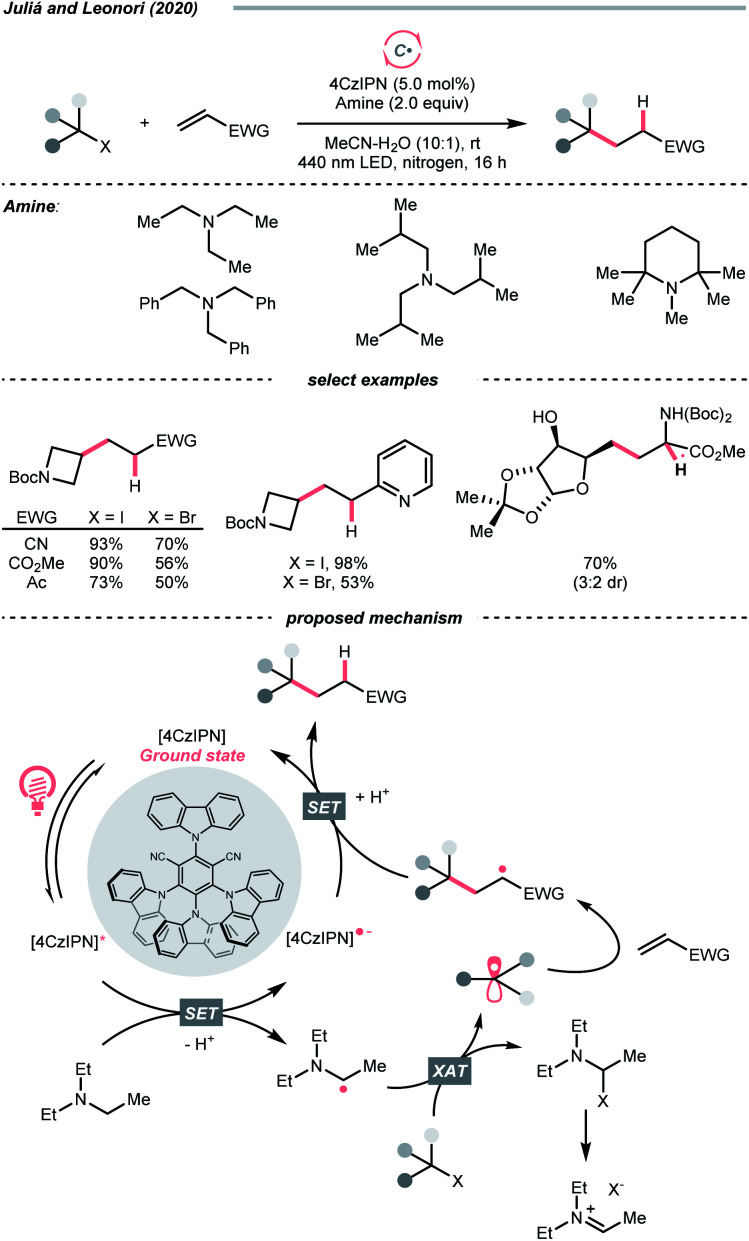
Scheme 46. Tertiary amine-mediated XAT for R˙ formation.
Scheme 47
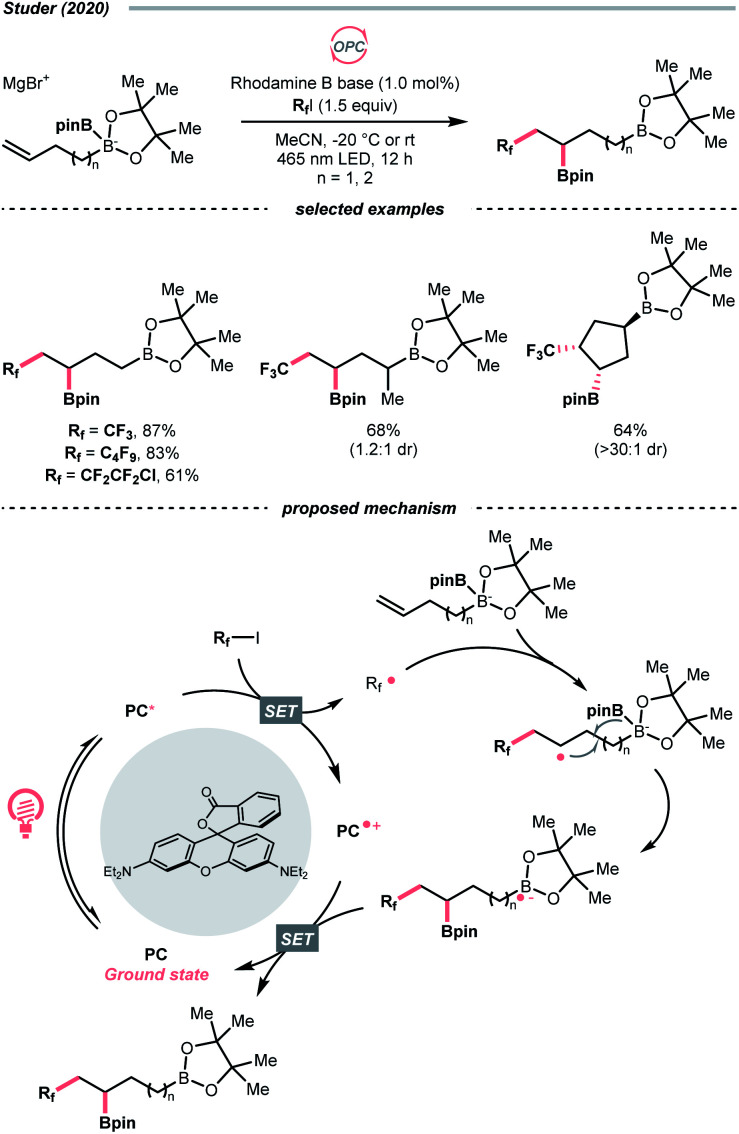
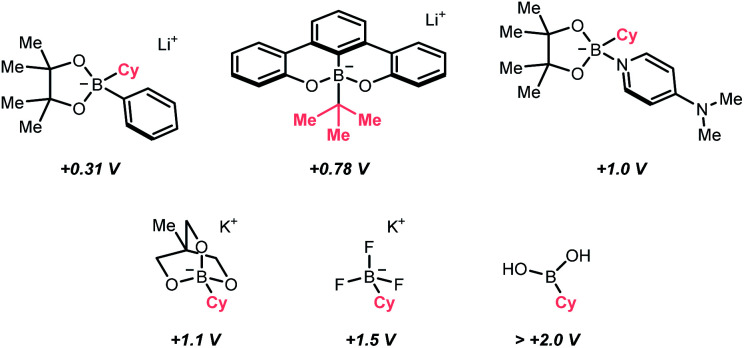
Scheme 47. Common boron-based R˙ precursors.
Scheme 48
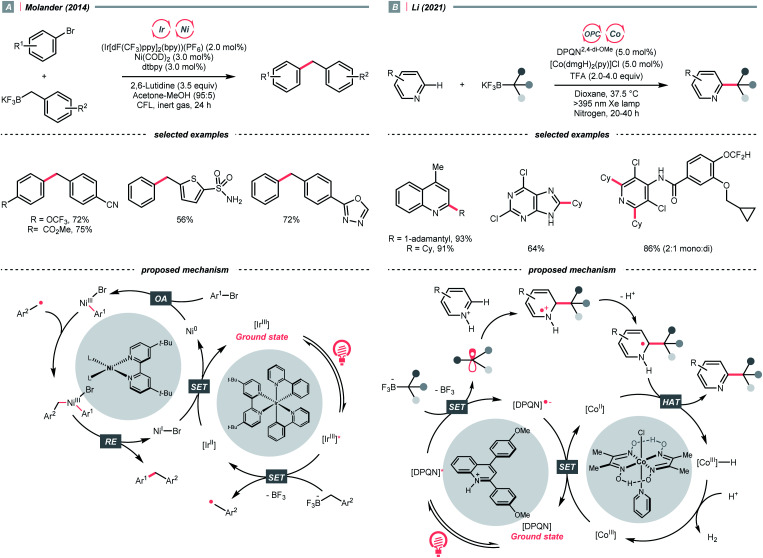
Scheme 48. Alkyl trifluoroborate as R˙ source.
Scheme 49
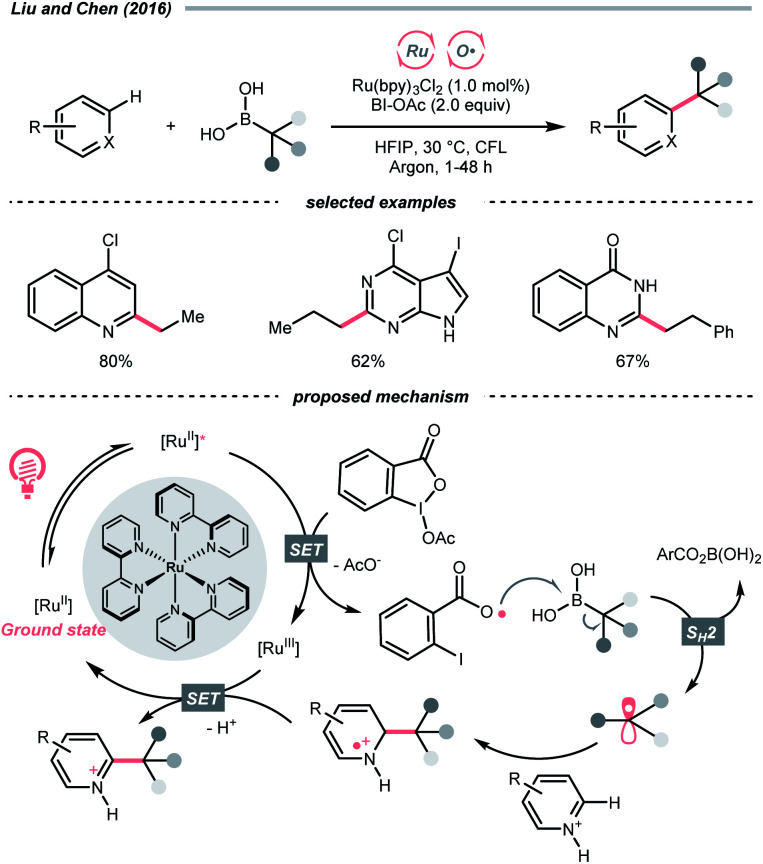
Scheme 49. R˙ formation via SH2 of alkyl boronic acid.
Scheme 50
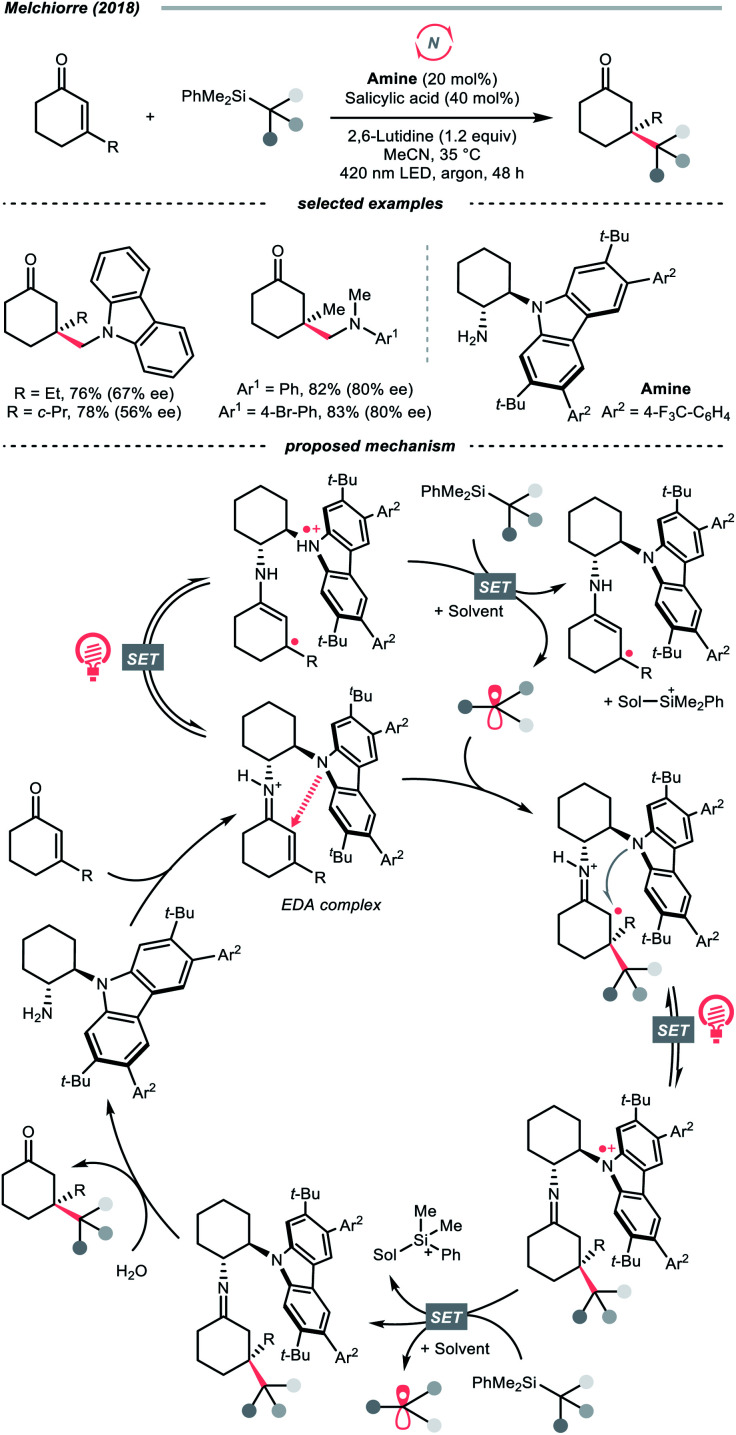
Scheme 50. Oxidation of alkyl silane for R˙ formation.
Scheme 51
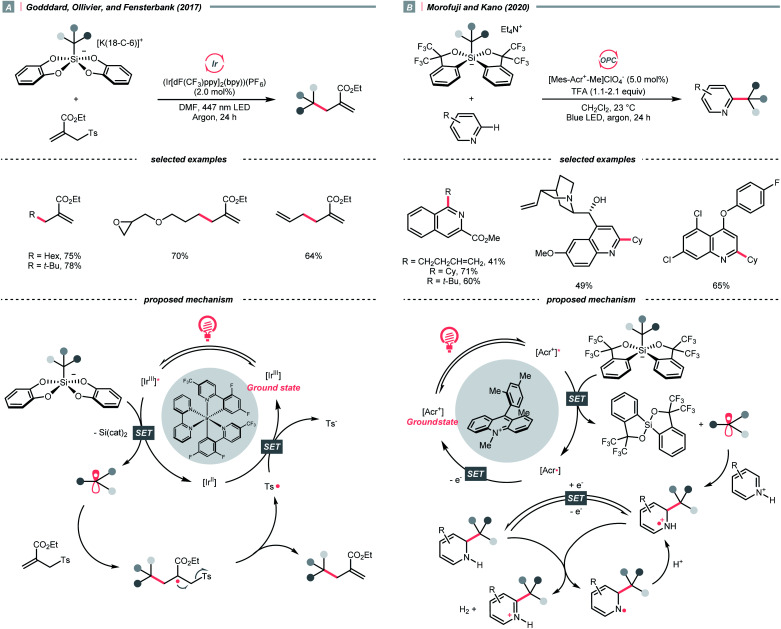
Scheme 51. Silicate-based reagents as R˙ precursors.

References

    1. Romero N. A. Nicewicz D. A. Chem. Rev. 2016;116:10075–10166. doi: 10.1021/acs.chemrev.6b00057. - DOI - PubMed
    1. Amos S. G. E. Garreau M. Buzzetti L. Waser J. Beilstein J. Org. Chem. 2020;16:1163–1187. doi: 10.3762/bjoc.16.103. - DOI - PMC - PubMed
    1. Bell J. D. Murphy J. A. Chem. Soc. Rev. 2021;90:9540–9685. doi: 10.1039/D1CS00311A. - DOI - PubMed
    1. Matsui J. K. Lang S. B. Heitz D. R. Molander G. A. ACS Catal. 2017;7:2563–2575. doi: 10.1021/acscatal.7b00094. - DOI - PMC - PubMed
    1. Zhu C. Yue H. Chu L. Rueping M. Chem. Sci. 2020;11:4051–4064. doi: 10.1039/D0SC00712A. - DOI - PMC - PubMed