


A systematic review and meta-analysis on the preventive behaviors in response to the COVID-19 pandemic among children and adolescents
- PMID: 35705941
- PMCID: PMC9200376
- DOI: 10.1186/s12889-022-13585-z
A systematic review and meta-analysis on the preventive behaviors in response to the COVID-19 pandemic among children and adolescents
Abstract
Purpose: The purpose of this review was to synthesize the empirical evidence of relevant studies related to preventive behaviors in response to the COVID-19 pandemic among children and adolescents. Further to this, we aimed to identify the demographic, psychological, and social and environmental correlates of such behaviors.
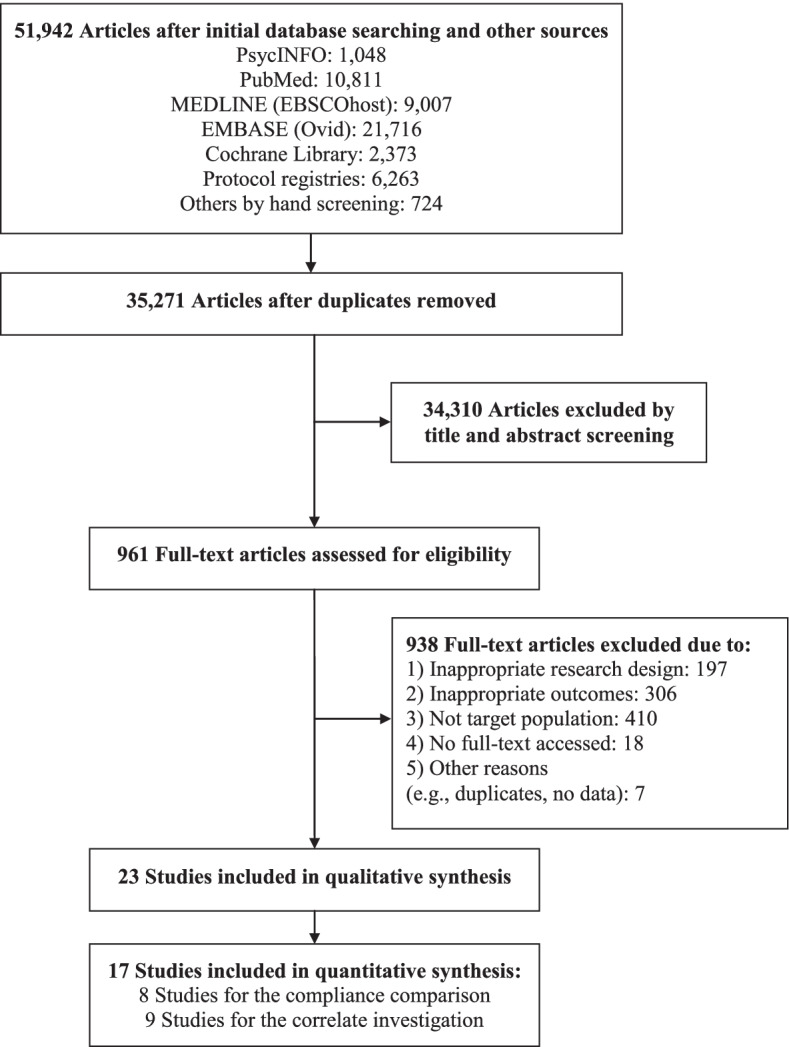
Methods: Following PRISMA guidelines, eligible literature was identified by searching seven databases (PsycINFO, PubMed, MEDLINE, EMBASE, Cochrane Library, PROSPERO registry platform, and ClinicalTrials.gov website) and reference list of included studies and relevant review papers from 1st Jan 2020 to 28th Feb 2021. The standardized mean difference and correlation coefficients r were extracted to estimate the effect sizes. Analyses were conducted using R software.
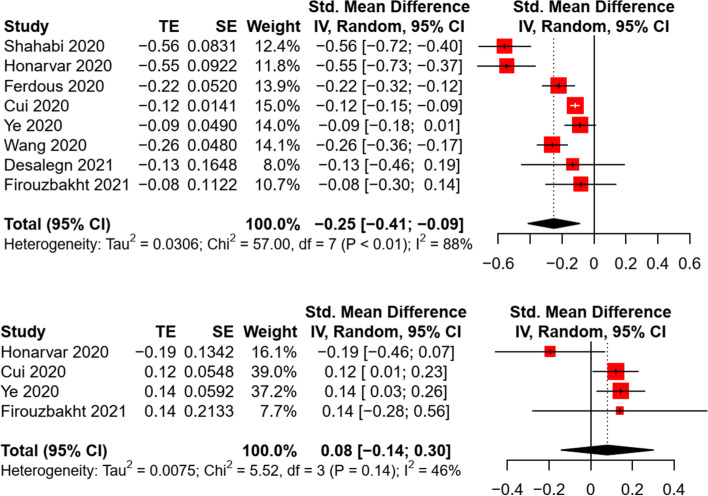
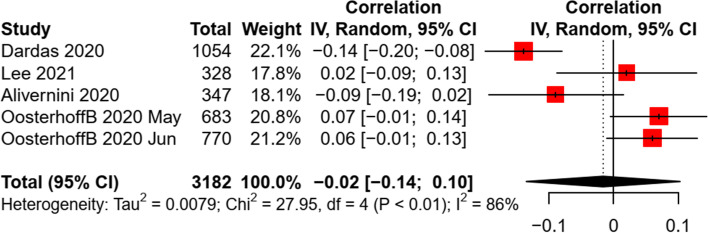
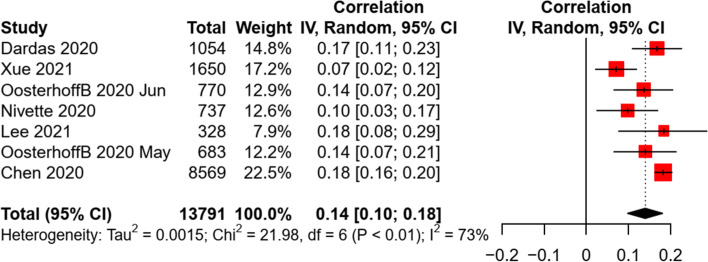
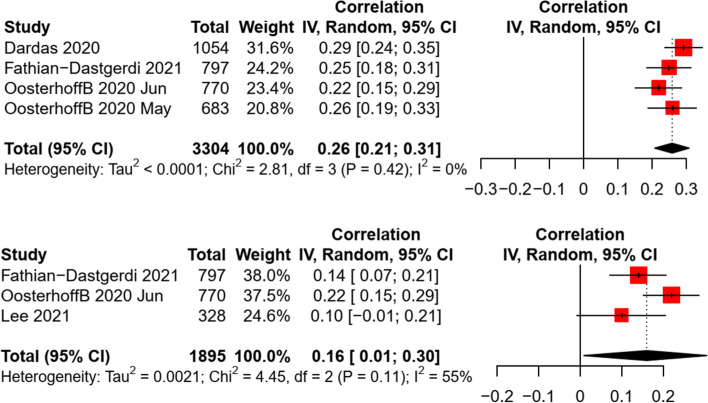
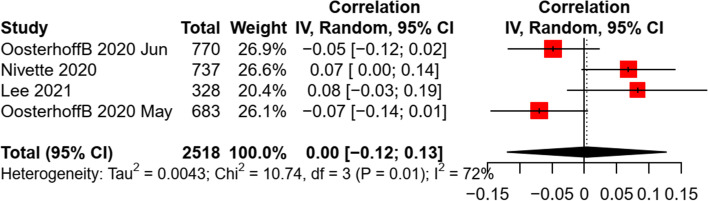
Results: Of the 35,271 original papers, 23 eligible studies were included in the qualitative synthesis and all these studies were of moderate-to-high quality, of which 17 studies were further included into the quantitative analysis. Children and adolescents (6-20 yrs.) showed a poorer practice of COVID-19 preventive behaviors compared to younger adults (21-59 yrs.) with a small-to-medium effect size (SMD = -.25, 95%CI = -.41 to -.09). For the demographic correlates, children and adolescents' COVID-19 preventive practice was found to be significantly associated with gender (r = .14, 95%CI = .10 to .18), while not with age (r = -.02, 95%CI = -.14 to .10). Narratively, knowledge was found to be consistently and significantly correlated. For the psychological correlates, small-to-medium overall effects were identified for the association with attitudes (r = .26, 95%CI = .21 to .31) and perceived severity (r = .16, 95%CI = .01 to .30). For the family and social correlates, a non-significant association was identified between family economic status and COVID-19 preventive behaviors (r = .004, 95%CI = -.12 to .12).
Conclusions: Interventions and relevant policies of promoting children and adolescent's preventive measures should be a priority. Further, empirical studies identifying the demographic, psychological, and family and social correlates of children and adolescents' preventive behaviors are needed.
Keywords: COVID-19; Children and adolescents; Demographics; Preventive behaviors; Psychosocial factors; Review and meta-analysis; Social and environmental factors.
© 2022. The Author(s).
Conflict of interest statement
All the authors declare that they have no competing interests.
Figures
References
-
- WHO: Coronavirus disease (COVID-19) pandemic. http://www.whoint/emergencies/diseases/novel-coronavirus-2019 (Accessed 30 Mar 2021) 2020.
-
- Chan JF, Yuan S, Kok KH, To KK, Chu H, Yang J, Xing F, Liu J, Yip CC, Poon RW, et al. A familial cluster of pneumonia associated with the 2019 novel coronavirus indicating person-to-person transmission: a study of a family cluster. Lancet (London, England) 2020;395(10223):514–523. doi: 10.1016/S0140-6736(20)30154-9. - DOI - PMC - PubMed
-
- Stockmaier S, Stroeymeyt N, Shattuck EC, Hawley DM, Meyers LA, Bolnick DI. Infectious diseases and social distancing in nature. Science. 2021;371(6533):eabc8881. - PubMed
Publication types
MeSH terms
LinkOut - more resources
Full Text Sources
Medical
