


Evidence synthesis evaluating body weight gain among people treating HIV with antiretroviral therapy - a systematic literature review and network meta-analysis
- PMID: 35706487
- PMCID: PMC9112095
- DOI: 10.1016/j.eclinm.2022.101412
Evidence synthesis evaluating body weight gain among people treating HIV with antiretroviral therapy - a systematic literature review and network meta-analysis
Abstract
Background: This systematic review aimed to compare body weight gain associated outcomes over time between dolutegravir (DTG)-based antiretroviral (ART) regimens to other ART regimens, to compare tenofovir alafenamide (TAF)-based regimens, and to evaluate the associated prognostic factors.
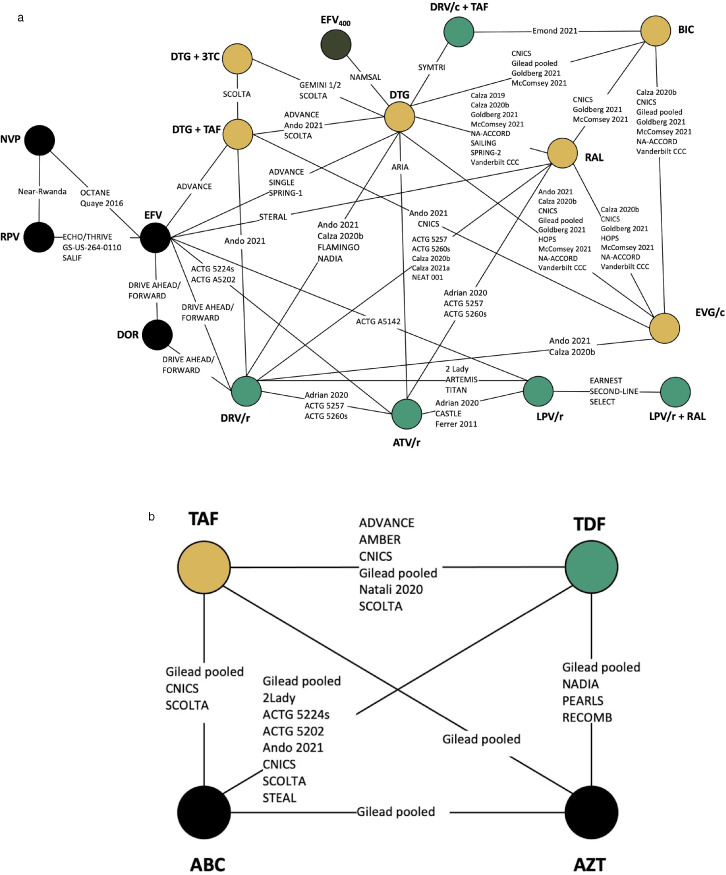
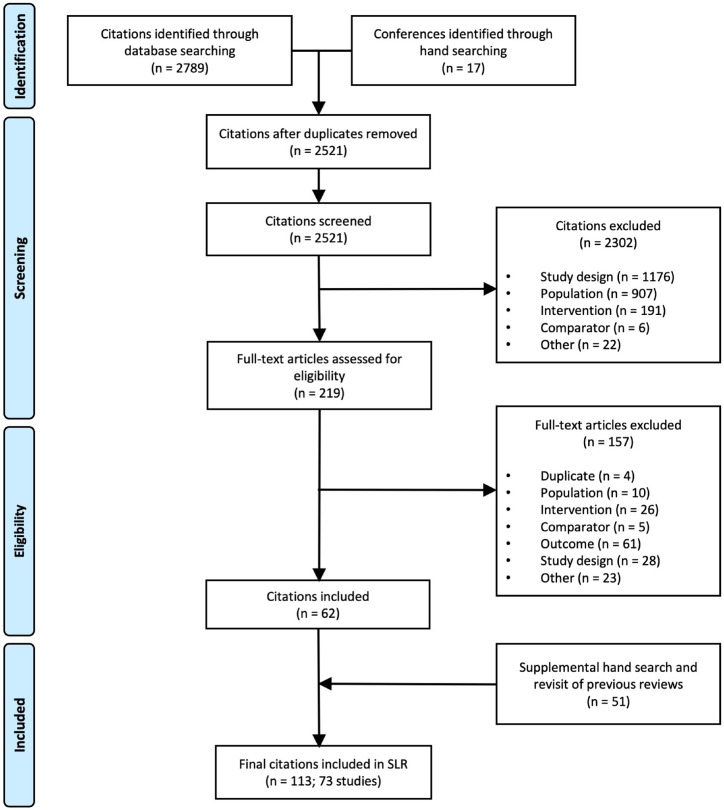
Methods: Systematic searches of MEDLINE, Embase, and CENTRAL for RCTs and observational studies comparing ART regimens were conducted on 13 September 2021. Outcomes of interest included: change in body weight, body mass index (BMI), waist circumference; and risk of hyperglycaemia and diabetes. Network meta-analyses were conducted at 12, 24, 48, 96 and 144 weeks using two networks differentiated by 3rd agents and backbone agents.
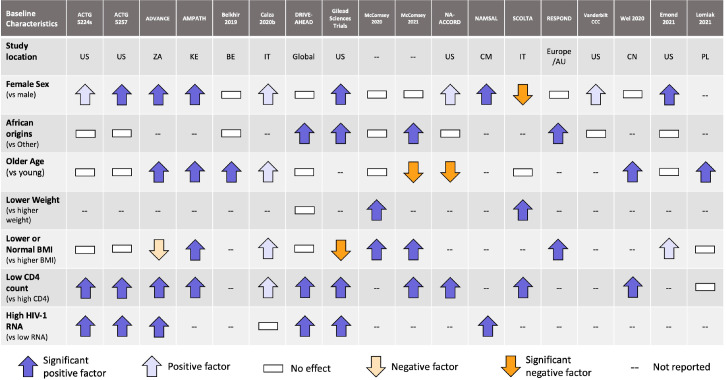
Findings: The review identified 113 publications reporting on 73 studies. DTG-based regimens led to statistically higher weight gains than efavirenz-based regimens at all time points (mean difference: 1·99 kg at 96 weeks; 95% credible interval: 0·85-3·09) and was higher over time than low-dose efavirenz-, elvitegravir-, and rilpivirine-based regimens. They were comparable to raltegravir-, bictegravir- and atazanavir-based regimens. For backbones, TAF led to higher weight gain relative to tenofovir disoproxil fumarate (TDF), abacavir, and zidovudine. Prognostic factor analysis showed both low CD4 cell count and high HIV RNA viral load at baseline were consistently associated with higher weight gain, while sex was an effect modifier to African origins.
Interpretation: DTG-based regimens lead to larger average weight gains than some other ART regimens and TAF leads to larger average weight gains than all other backbone antiretrovirals. Further research is needed to better understand long-term outcomes and their relationship to other metabolic outcomes.
Funding: The WHO Global HIV, Hepatitis and Sexually Transmitted Infections Programmes.
Keywords: Body weight gain; Dolutegravir; HIV; Network meta-analysis; Prognostic factors; Systematic review; Tenofovir alafenamide.
© 2022 The Authors.
Conflict of interest statement
Steve Kanters, Eve Limbrick-Oldfield, and Kenneth Zhang are employees at RainCity Analytics. All other authors have nothing to declare.
Figures

References
-
- World Health Organization . World Health Organization; Geneva Switzerland: 2021. HIV Data and Statistics.
-
- UNIAIDS. Global HIV & AIDS statistics – 2020 Fact sheet. Joint United Nations Programme on HIV/AIDS, 2020.
-
- Kanters S., Vitoria M., Zoratti M., et al. Comparative efficacy, tolerability and safety of dolutegravir and efavirenz 400 mg among antiretroviral therapies for first-line HIV treatment: a systematic literature review and network meta-analysis. EClinicalMedicine. 2020;28 doi: 10.1016/j.eclinm.2020.100573. eCollection 2020 Nov. - DOI - PMC - PubMed
Grants and funding
LinkOut - more resources
Full Text Sources
Research Materials
