


Medical cannabis regulation: an overview of models around the world with emphasis on the Brazilian scenario
- PMID: 35710586
- PMCID: PMC9202119
- DOI: 10.1186/s42238-022-00142-z
Medical cannabis regulation: an overview of models around the world with emphasis on the Brazilian scenario
Abstract
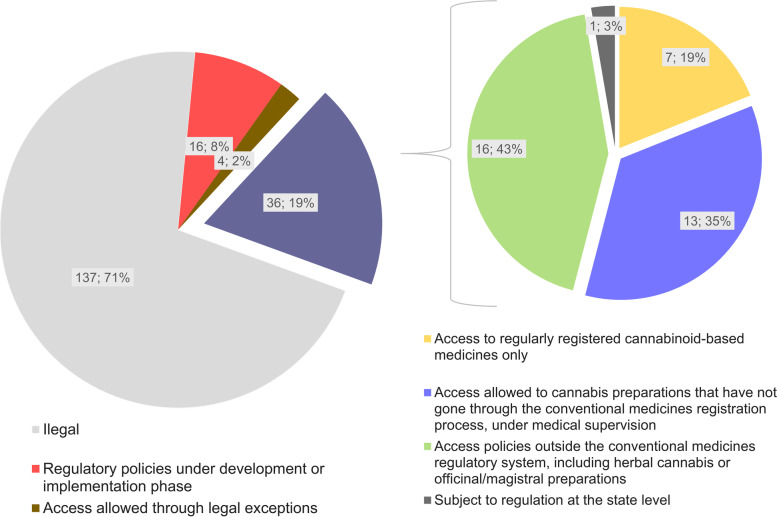
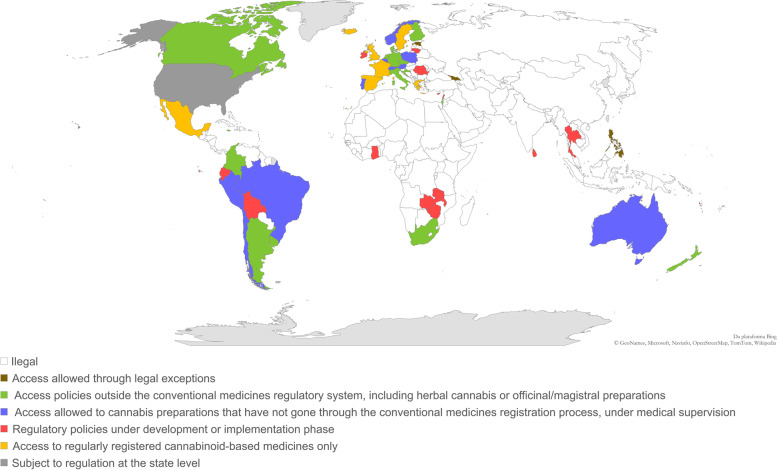
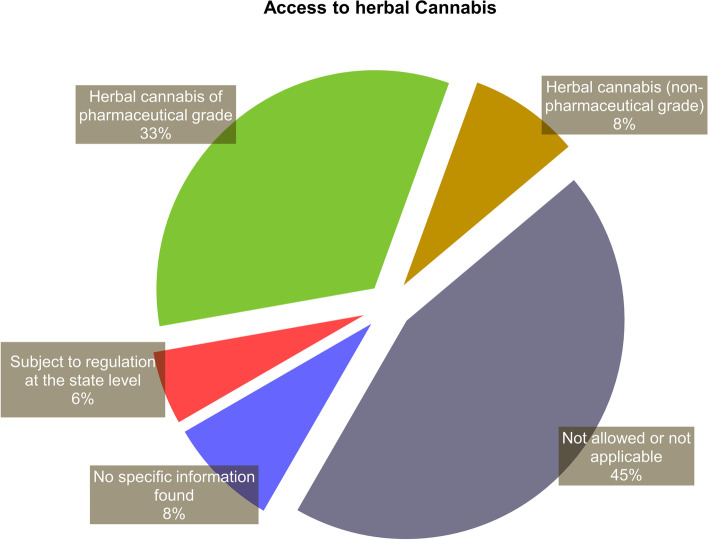
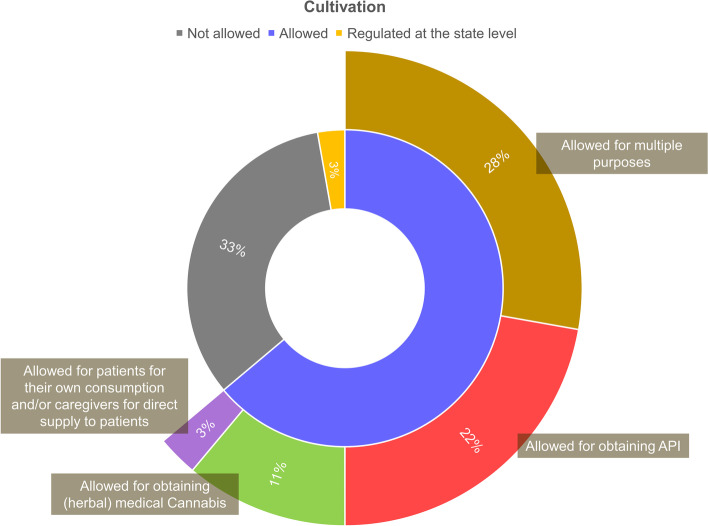
Cannabis sativa has accompanied humankind since ancient times, permeating the most diverse aspects of its existence, among which the search for health promotion and well-being stands out. Nevertheless, during the twentieth century, a series of restrictions and controls have been adopted internationally to prevent the abusive use of this species. Despite that, there has been an increased demand for the medical use of cannabis and its derivatives in the last few decades, especially among patients with debilitating conditions for which the existing therapeutic alternatives are limited. Accordingly, several countries have adopted regulatory strategies to allow access to cannabis-based products. This study aimed to overview the existing regulatory frameworks for medical cannabis around the world, focusing on the current Brazilian scenario. In addition to supply and access regulation aspects, some quality-related issues regarding cannabis-based pharmaceutical products were addressed, with emphasis on risks to patients. The literature research was performed between October 2020 and March 2021. According to the retrieved information, by the time the data collection was completed, thirty-six countries had already implemented regulatory frameworks regarding medical cannabis, and sixteen countries had models under development or in the process of implementation. The characteristics of the assessed regulatory strategies vary considerably from country to country, reflecting sociocultural, historical, and political aspects. Among the key aspects that differed between the assessed models, one can highlight the type of cannabis products that are made available and the technical requirements applied to them, as well as the possible access mechanisms. Different supply regulation strategies were also observed regarding cannabis cultivation, production licensing, and distribution mechanisms. In Brazil, an evolution of the regulatory framework has been noticeable since 2015, even though pending points are still to be addressed, among which are the species' cultivation and the access to it for scientific research purposes. Constructing a regulatory model which provides access to good quality cannabis-based medicines that may meet the patient's needs is still a challenge in the coming years, requiring the engagement of various stakeholders, including regulators, members of the academic community, prescribing professionals, and patients.
Keywords: Brazil; Medical cannabis; Patient access; Regulatory framework.
© 2022. The Author(s).
Conflict of interest statement
Although one of the authors is a federal employee at the Brazilian National Health Surveillance Agency (
Figures
References
-
- Agência Nacional de Vigiância Sanitária. Nota Técnica no 01/2017/GMESP/GGMED/ANVISA. Agência Nacional de Vigilância Sanitária. Brasília; 2017. p. 1–4.
-
- Agência Nacional de Vigiância Sanitária . RDC n. 335 de 24 de janeiro de 2020. Brasília: Diário Oficial da União ; 2020. p. 54.
-
- Agência Nacional de Vigilância Sanitária . RDC no 03 de 26 de janeiro de 2015. Brasília: Diário Oficial da União; 2015. p. 53.
-
- Agência Nacional de Vigilância Sanitária . RDC no 17 de 6 de maio de 2015. Brasília: Diário Oficial da União; 2015. p. 50.
Publication types
LinkOut - more resources
Full Text Sources
