. 2022 May 28;19(5):377-392.
doi: 10.11909/j.issn.1671-5411.2022.05.004.

Cardiovascular prevention in elderly patients

Affiliations

Cardiovascular prevention in elderly patients

Clara Bonanad et al. J Geriatr Cardiol. .

Abstract

In recent decades, life expectancy has been increasing significantly. In this scenario, health interventions are necessary to improve prognosis and quality of life of elderly with cardiovascular risk factors and cardiovascular disease. However, the number of elderly patients included in clinical trials is low, thus current clinical practice guidelines do not include specific recommendations. This document aims to review prevention recommendations focused in patients ≥ 75 years with high or very high cardiovascular risk, regarding objectives, medical treatment options and also including physical exercise and their inclusion in cardiac rehabilitation programs. Also, we will show why geriatric syndromes such as frailty, dependence, cognitive impairment, and nutritional status, as well as comorbidities, ought to be considered in this population regarding their important prognostic impact.


Figures

Figure 1
Figure 1
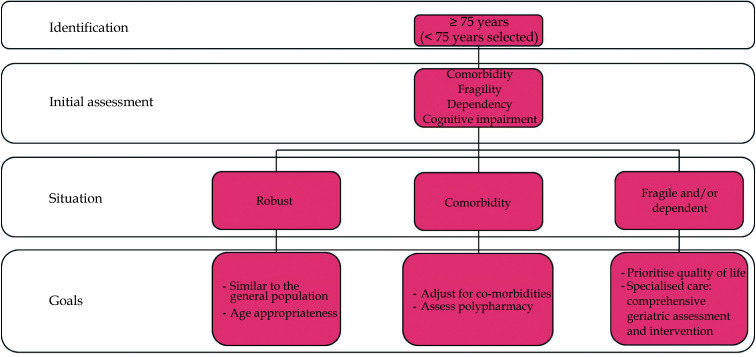
Identifying and assessing elderly patients in cardiovascular prevention.
Figure 2
Figure 2
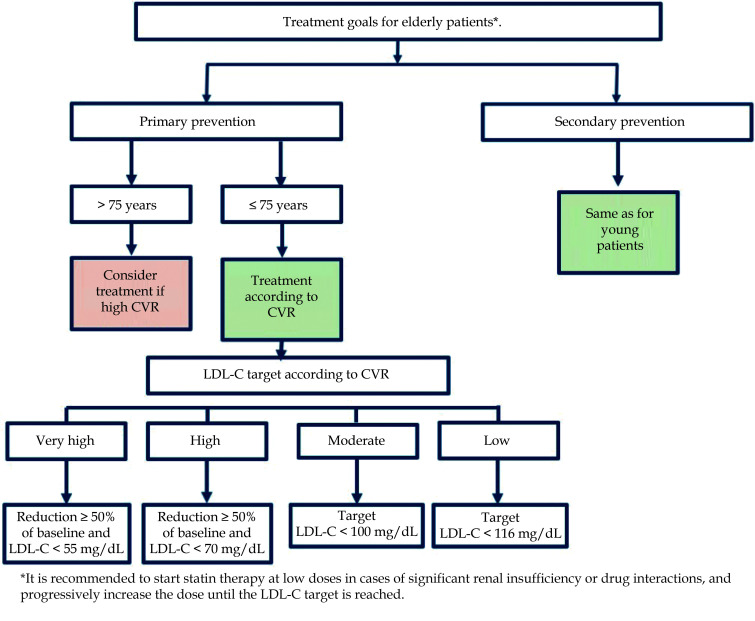
LDL-C targets for elderly patients.
Figure 3
Figure 3
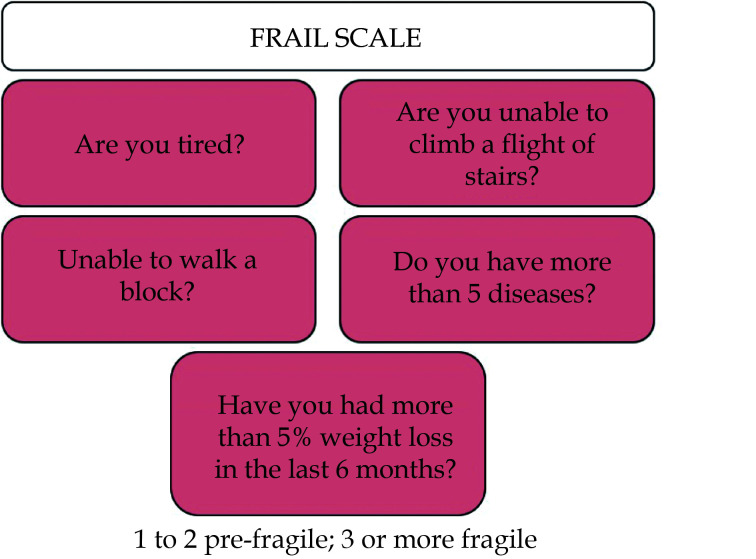
FRAIL scale (Fatigue, Resistance, Aerobic, Illnesses, Weight loss) (adapted from Morley, et al.).[72]
Figure 4
Figure 4
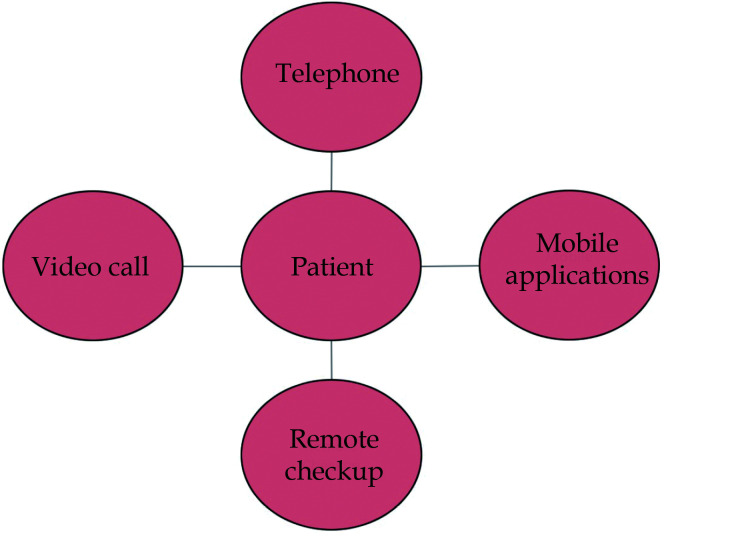
Different possibilities for telemedicine for secondary prevention among the elderly population.

References

    1. INE. National Statistics Institute. INE. https://www.ine.es/ (accessed on March 10, 2021).

    1. Madhavan V, Gersh J, Alexander P, et al Coronary artery disease in patients ≥ 80 years of age. J Am Coll Cardiol. 2018;71:2015–2040. doi: 10.1016/j.jacc.2017.12.068. - DOI - PubMed
    1. Díez-Villanueva P, Arizá-Solé A, Vidán MT, et al Recommendations of the Geriatric Cardiology Section of the Spanish Society of Cardiology for the assessment of frailty in the elderly with heart disease. Rev Esp Cardiol. 2019;72:63–71. doi: 10.1016/j.recesp.2018.06.015. - DOI - PubMed
    1. Visseren FLJ, Mach F, Smulders YM, et al 2021 ESC Guidelines on cardiovascular disease prevention in clinical practice. Eur Heart J. 2021;42:3227–3337. doi: 10.1093/eurheartj/ehab484. - DOI - PubMed
    1. Mortensen MB, Nordestgaard BG Elevated LDL cholesterol and increased risk of myocardial infarction and atherosclerotic cardiovascular disease in individuals aged 70-100 years: a contemporary primary prevention cohort. Lancet. 2020;396:1644–1652. doi: 10.1016/S0140-6736(20)32233-9. - DOI - PubMed

LinkOut - more resources